Why more homeowners are choosing to restore rather than replace
Today, that mindset is changing. More homeowners are taking a closer look at what already exists beneath their feet before deciding to replace it.
Part of the shift comes from rising renovation costs, but it also reflects a growing appreciation for quality materials. Older timber floors often have far more character than many modern alternatives, and with the right care they can continue performing for decades. Instead of sending perfectly good flooring to landfill, many people are discovering that restoration delivers impressive results while preserving the personality of their home.
The decision is no longer simply about saving money. It is about making thoughtful improvements that respect the building, improve daily living and add lasting value.
Looking beyond the surface can reveal far more than you expect
Many wooden floors look beyond repair at first glance. Years of furniture movement, pet claws, heavy foot traffic and accidental spills can leave boards looking tired and neglected. It is easy to assume replacement is the only realistic option.
The reality is often very different. Surface scratches usually affect only the finish rather than the timber itself. Minor dents, discolouration and worn coatings can frequently be removed through professional sanding and refinishing. Even individual damaged boards can often be repaired or replaced without disturbing the rest of the floor.
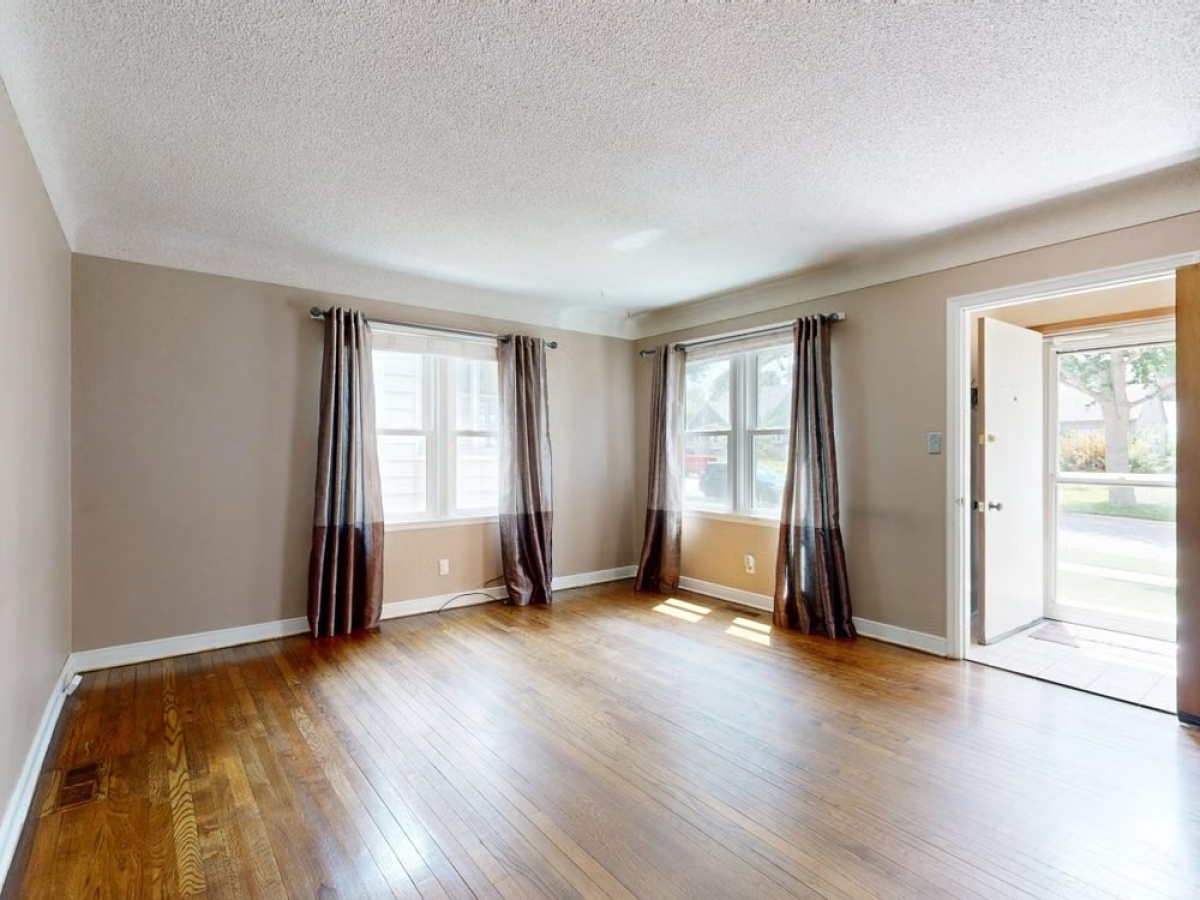
Older homes across London and many other parts of the UK regularly hide original hardwood flooring beneath carpets that have been in place for decades. Once uncovered and carefully restored, these floors often become one of the most attractive features in the property.
Restoration also allows homeowners to update the appearance without losing authenticity. A darker stain can create a contemporary feel, while a lighter natural finish helps brighten smaller rooms and complements modern interiors. Rather than starting again, existing timber can evolve to suit changing tastes.
Restoration offers practical benefits that go beyond appearance
While aesthetics are usually what first catches attention, restored wooden flooring brings several long-term advantages that homeowners sometimes overlook.
One of the biggest benefits is durability. Solid hardwood floors are designed to be refinished multiple times during their lifespan. Unlike many synthetic flooring products that eventually require complete replacement, quality timber can often serve several generations with proper maintenance.
Indoor air quality is another consideration. Old carpets tend to trap dust, allergens and pet hair deep within their fibres. Smooth wooden surfaces are easier to keep clean and require less effort to maintain, making them a popular choice for families and allergy sufferers alike.
Property value also plays an important role. Estate agents frequently note that original hardwood flooring is an attractive feature for prospective buyers. Well-maintained timber creates a sense of quality and craftsmanship that many modern flooring products struggle to replicate.
Environmental concerns have become increasingly important too. Reusing existing materials reduces unnecessary waste and limits the demand for newly manufactured flooring. Extending the life of quality timber is often a more sustainable decision than removing it simply because the finish has deteriorated.
When homeowners consult an experienced London floor restoration company, they often discover possibilities they had not previously considered. Experienced specialists can assess the condition of the timber, identify structural issues before they become expensive problems and recommend treatments that match both the age of the property and the way each room is used.
Knowing when restoration is the smarter investment
Not every floor can or should be restored. Timber that has suffered extensive water damage, severe structural movement or widespread rot may require partial replacement before restoration work begins. The key is understanding the actual condition of the boards rather than judging them by appearance alone.
A professional assessment usually focuses on several factors. The thickness of the timber determines whether sanding is appropriate. Loose boards, damaged joists or excessive moisture levels also need attention before any finishing work starts.
Timing can make a noticeable difference as well. Many homeowners wait until the floor becomes impossible to ignore, but restoring it earlier often reduces the amount of repair work required. Small cracks, minor gaps and worn finishes are generally much easier to address before they develop into larger problems.
It is also worth thinking about how the space is used. Hallways, kitchens and living rooms experience the highest levels of foot traffic, so selecting the right protective finish is just as important as the restoration itself. Modern hard-wearing finishes can significantly extend the life of the floor while maintaining its natural appearance.
Regular care afterwards does not need to be complicated. Felt pads beneath furniture, prompt cleaning of spills and occasional maintenance products designed for timber flooring help preserve the finish for years. These small habits often prevent the need for major restoration work in the future.
Sometimes the best upgrade is the one you already own
Home improvement trends come and go, but quality craftsmanship rarely loses its appeal. Restoring an existing wooden floor respects the history of a property while adapting it for modern living. It creates a finish that feels authentic rather than manufactured, adding warmth that is difficult to recreate with replacement materials.
For homeowners considering their next renovation project, taking a closer look beneath the existing surface could prove worthwhile. A floor that appears worn today may simply be waiting for the right expertise to reveal its original beauty once again. Before deciding to remove it altogether, it is worth exploring whether restoration can deliver the character, durability and timeless appeal that many replacement options simply cannot match.