Low-Slung Zen: Designing a Living Room Around an Asian Sideboard
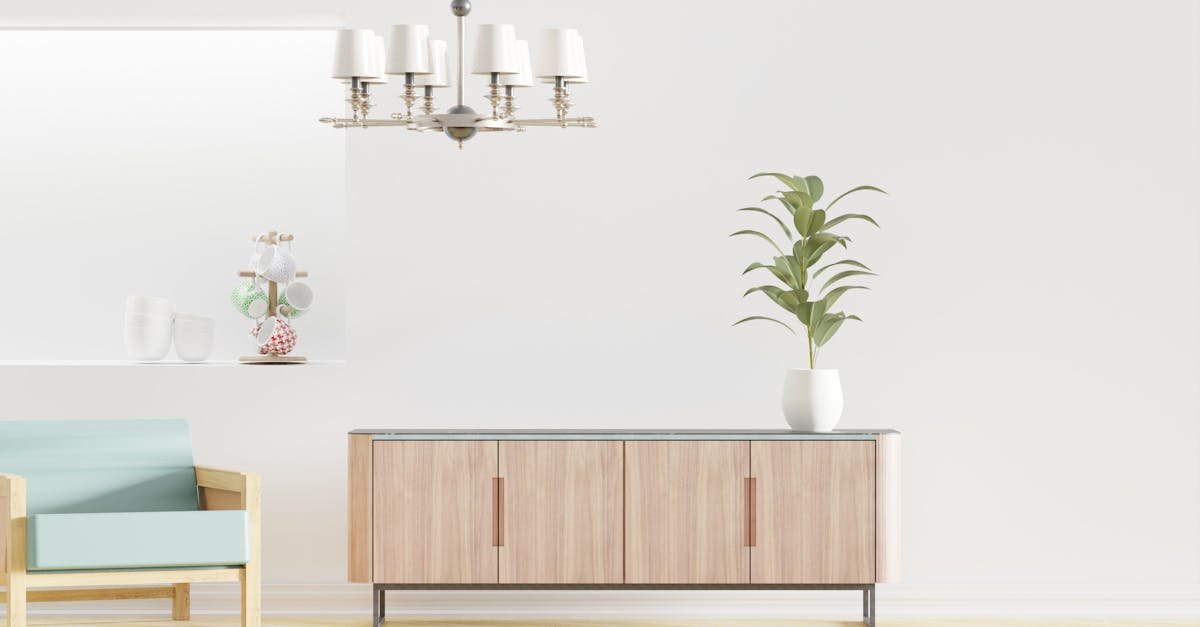
Gracefully close to the floor yet visually commanding, a low Asian sideboard is an anchor that can transform an ordinary living room into a serene, textural retreat. If you’ve ever wondered how to design a living room with a low Asian sideboard—without turning the space into a theme set or sacrificing modern comfort—this comprehensive guide shows you exactly how. From proportion and layout to lighting, styling, and maintenance, you’ll learn how to craft a cohesive room that celebrates Asian aesthetics while accommodating real-life living, media, and storage needs.
The Allure of the Low-Slung Sideboard in Asian Design
Across East Asia, storage furniture evolved for spaces where people traditionally sat low to the ground. That cultural history produced sideboards, tansu, and benches with restrained profiles, meticulous joinery, and natural finishes that emphasize the grain of woods like elm, rosewood, teak, and camphor. A low sideboard channels this heritage into modern life: it provides abundant storage, acts as a media console, and preserves open sightlines for a room that feels bigger and calmer.
- Quiet authority: A low-slung piece pulls visual weight down, grounding the room and encouraging relaxed posture and conversation.
- Textural poetry: Hand-rubbed lacquer, dovetail joints, hand-forged pulls, and subtle wood movement lend depth without shouting.
- Functional grace: Hidden drawers and cupboards corral remotes, chargers, and board games, while the top becomes a curated, contemplative stage.
Establishing the Intent: Mood, Function, Flow
Before purchasing anything, define the feeling and functionality you want. Asian minimalism isn’t only an aesthetic; it’s a mindset that values restraint, clarity, and purpose. Whether you lean toward Japandi warmth, Chinese antique lacquer, or a contemporary Zen vibe, get clear on priorities and circulation.
- Mood: Calm, earthy, and tactile? Moody and lacquered? Bright with pale ash and paper shades? Pin it down.
- Function: Will the sideboard double as a media console? Do you need toy storage, barware space, or room for a tea ceremony tray?
- Flow: Observe entry points, window light, and walk paths. Keep a minimum of 30-36 inches of clear circulation for ease and feng shui balance.
Ground your decisions in these intentions. Every choice—height of sofa legs, rug texture, wall tone—should support the anchor role of your low sideboard.
Choosing the Right Low Asian Sideboard
Selection determines the success of your design. Consider dimensions, materials, storage type, and stylistic lineage. An antique Chinese sideboard differs from a Japanese tansu or a minimalist contemporary piece inspired by them, and these nuances matter.
Size and Proportion
- Height: 16–24 inches is typical for low-slung pieces. Match or slightly undercut your sofa arm height for visual harmony.
- Length: 60–96 inches creates an elegant horizon line. In small rooms, use 48–60 inches and keep the top surface relatively spare.
- Depth: 14–20 inches usually provides enough storage without crowding walkways.
Materials and Finishes
- Woods: Elm and rosewood for classic Chinese warmth; sugi cedar, ash, or oak for a Japanese/Japandi feel; reclaimed teak for sustainable character.
- Finishes: Natural oil, wax, matte lacquer, or ebonized stain. Matte finishes feel quieter and more contemporary.
- Hardware: Choose simple pulls or recessed handles. Hand-forged iron, brass, or minimalist cutouts keep the line pure.
Storage Layout
- Drawers vs. doors: Drawers tame small items; doors hide baskets, consoles, or even a low-profile soundbar.
- Cable routing: If it’s a media hub, ensure grommets or discreet openings for ventilation and cable management.
Antique, Vintage, or New
- Antique: One-of-a-kind patina and joinery. Check stability, odor, and finish safety; avoid heavy VOC restorations.
- Vintage/Refinished: Often better pricing with solid materials; verify that drawers glide and doors align.
- Contemporary: Custom sizes, soft-close hardware, cable ports—ideal for modern tech integration.
Layout Fundamentals: Anchoring the Room
Once you’ve sourced the piece, lay out the room to respect its low horizon line and to maintain calm flow. This is the foundation of how to design a living room with a low Asian sideboard that feels balanced yet alive.
Against the Wall vs. Floating
- Against a wall: Classic placement that creates a clear backdrop for art or a shoji-inspired panel. Center on the wall or window for symmetry.
- Floating: If the piece is finished on all sides, it can divide an open plan. Keep 36 inches minimum behind it for passage.
Centered vs. Intentionally Off-Center
- Centered: Clean, serene, and ideal when the wall is symmetrical.
- Asymmetry: In wabi-sabi spirit, offset the sideboard and balance with a tall plant or vertical art to one side.
Open-Plan Strategies
- Use the sideboard as a low divider with a rug on each side to signal distinct zones.
- Keep sightlines open to windows and focal features, preserving the sideboard’s horizontal calm.
Palette and Materials: Calm First, Character Second
Color and texture should support the sideboard’s presence. A quiet base palette lets wood and handcrafted details breathe.
Wood Tones and Contrast
- Harmonize: If the sideboard is mid-toned walnut or rosewood, pair it with lighter floors or a pale rug.
- Contrast: A black lacquer piece sings against limewash, clay plaster, or warm white walls.
Textiles
- Natural fibers: Linen, cotton, wool, hemp, jute, and silk support an authentic feel.
- Weave variety: Pair a flatweave rug with a chunky knit throw and a smooth linen sofa for dimensionality.
Stone, Ceramics, and Metals
- Stone: Honed limestone or soapstone side tables feel grounding and tactile.
- Ceramics: Porcelain, raku, or celadon vessels add heritage and subtle sheen.
- Metals: Brushed brass and blackened steel are quieter than chrome.
Seating: Low-Slung Harmony and Comfort
The wrong sofa height can undermine the composition. Keep seating low-to-mid profile to visually align with the sideboard’s horizon.
Configurations That Work
- Low sofa + lounge chair: One deep, low sofa facing the sideboard with a sculptural chair at 90° invites conversation.
- Modular sofa: Rearrangeable sections adapt to gatherings without overpowering the low anchor.
- Floor seating: A pair of zaisu chairs or thick floor cushions nods to tradition and adds flexibility.
Ergonomics and Spacing
- Allow 14–18 inches between sofa and coffee table; 24–30 inches between table and sideboard if it’s a walkway.
- Keep seat heights around 16–18 inches to align with the low profile.
Small Rooms and Families
- Use a slim sofa with visible legs to create air under the frame.
- Choose performance fabrics and removable, washable cushion covers.
Layered Lighting: Soft, Directional, Sacred
Lighting transforms a low-slung arrangement. Think soft halos, focused accents, and warm pools of light that skim texture.
- Ambient: Paper lantern pendants, diffused flush mounts, or cove lighting establish a gentle base.
- Task: Swing-arm lamps for reading; low table lamps on flanking stools or benches.
- Accent: Picture lights or spotlights for art; small LED pucks inside the sideboard for glow-through effect.
Art and Altars
- Use 2700–3000K bulbs to keep warmth; dimmers are essential.
- If you create a ritual or tea corner, keep lighting subtle and focused.
Styling the Surface: Restraint and Story
Styling is where restraint meets personality. The sideboard’s top is not a shelf for everything; it is a stage for meaning.
- Rule of threes: Curate three to five items of varied height—e.g., a tall branch arrangement, a medium lidded jar, and a small tea bowl.
- Negative space: Leave generous open areas to preserve a low, calm horizon.
- Organic life: A bonsai, ikebana, or a simple bamboo stalk adds breath.
- Books and trays: A few art books with a carved wood tray keep proportions understated.
Rotate objects seasonally—spring blossoms, summer grasses, autumn leaves, winter branches—to deepen your connection to the space.
Wall and Backdrop Treatments
The wall behind the sideboard is your canvas. Choose a treatment that amplifies serenity and craftsmanship.
- Limewash or clay plaster: Soft, mottled walls catch light beautifully.
- Shoji-inspired panels: Wood grids with translucent paper or fabric bring rhythm without clutter.
- Art curation: One large scroll or a quiet diptych; avoid busy galleries that fight the horizon line.
Technology Integration Without Visual Noise
A low Asian sideboard excels as a discreet media hub—if you plan cabling and ventilation from the start.
- Ventilation: If housing a receiver or console, provide breathable back panels or side vents.
- Cable paths: Use grommets and cord sleeves; run TV cables within the wall or via a wire channel painted to match the wall.
- Sound: Consider a low-profile soundbar tucked just below the TV, or speakers finished in wood to blend with the palette.
Rugs and Grounding Elements
Rugs connect the furniture constellation and reinforce the low-line calm.
- Tatami-inspired order: Use flatweave or seagrass mats with rectilinear edges, echoing tatami logic.
- Layering: A wool flatweave plus a smaller vintage kilim adds story while staying subdued.
- Scale: Choose a rug large enough for front sofa legs to rest on it; this visually binds seating to the sideboard anchor.
Greenery and Living Elements
Plants introduce movement, shadow, and biophilic calm. Keep silhouettes architectural.
- Bonsai or pine: Sculptural; place off-center for asymmetry.
- Shamrock, palm, or bird’s nest fern: Soften corners without bulk.
- Ikebana practice: A simple branch or single bloom in a low vase can seasonally redefine the room.
Feng Shui and Flow
Even if you’re pragmatic rather than spiritual, basic feng shui principles can enhance ease and clarity.
- Command position: From the main seat, see the room entry without being directly in line with it.
- Five elements: Balance wood (furniture), earth (stone, clay), metal (hardware), water (a small fountain or art), and fire (candlelight).
- Clutter: The sideboard’s storage is your ally; keep surfaces spare to preserve chi flow.
Sustainability and Sourcing
Design with integrity by selecting materials and makers who value longevity and low environmental impact.
- Antique and vintage: Reuse is the greenest choice; confirm wood treatments are non-toxic.
- Certifications: Look for FSC-certified woods and low-VOC finishes.
- Local craft: Commissioning a piece from a local woodworker can reduce transport emissions and allow custom cable management.
Maintenance and Longevity
Care ensures your low sideboard ages with dignity.
- Wood care: Dust with a soft cloth; refresh oil or wax finishes annually; avoid direct sun to prevent warping or fading.
- Lacquer: Use microfiber; never abrasive cleaners; be mindful of hot objects and moisture rings.
- Humidity: Keep 40–60% relative humidity to protect joinery; use felt pads on objects to avoid micro-scratches.
Budgeting and Phasing
A thoughtful room doesn’t have to happen all at once. Phase your plan with a clear priority list.
- Phase 1: Acquire the sideboard, select rug and paint/wall finish, and set basic layout.
- Phase 2: Choose sofa and primary seating; add lighting layers.
- Phase 3: Style surfaces, integrate art, layer textiles, and refine cable management.
Track costs for must-haves (sideboard, seating, rug) versus nice-to-haves (scroll art, specialty lamps, custom shoji screens). Remember: fewer, better objects suit this style—and budget.
Four Scenario Sketches
1) Compact City Apartment
A 54-inch ash sideboard sits beneath a wall-mounted TV; a pale flatweave rug enlarges the space; a low two-seat sofa with slim legs maintains airiness. A single paper lantern and one ikebana bowl keep styling tight and calm.
2) Family Living Room
A 78-inch teak sideboard with deep drawers hides games and controllers. Performance-linen sectional faces it; woven baskets slide behind doors. Kids’ art rotates in one large frame above, making casual curation simple.
3) Minimalist Art Collector
An ebonized oak sideboard below a single scroll; soapstone side table; two sculptural chairs. Accent lights graze a clay plaster wall. Objects are few but exquisite: a Shigaraki vase, a bonsai, a tea tray.
4) Coastal Japandi
Whitewashed walls, drift-toned oak sideboard, and linen sofa. Seagrass rug, shoji-inspired room divider, and a palm. Brass picture light warms a pale ink painting.
Common Mistakes and How to Avoid Them
- Overcrowding the top: Keep only a few meaningful items; negative space is essential.
- Sofa too tall: Overscaled seating makes the sideboard look squat. Choose low-to-mid profile frames.
- Ignoring cable management: Plan grommets and concealed power early; it’s the difference between serene and messy.
- Too many finishes: Limit major wood tones to one or two; vary texture instead.
- Harsh lighting: Replace cool bulbs with warm, dimmable sources; add shade and diffusion.
A Step-by-Step Plan: How to design a living room with a low Asian sideboard
- Clarify goals: Define mood, function, and focal points.
- Measure the room: Map walls, windows, and traffic paths.
- Select the sideboard: Choose size, wood, and storage that fit your needs.
- Choose the backdrop: Paint, limewash, or shoji-inspired paneling.
- Place the anchor: Center or offset the sideboard; finalize cable routes.
- Pick the rug: Scale to link the seating zone with the sideboard.
- Add seating: Low-to-mid sofa and one or two accent chairs; check ergonomics.
- Layer lighting: Ambient, task, and accent on dimmers.
- Style with restraint: Three to five meaningful objects; include plant life.
- Integrate tech: Hide devices; ensure ventilation; test remotes through doors.
- Balance elements: Wood, stone, metal, water, and fire for feng shui harmony.
- Edit and live: Remove one item; sit for a week; then adjust.
Shopping Checklist
- Low Asian sideboard (dimensions, wood, finish, hardware)
- Rug (flatweave/tatami-inspired; correct size)
- Sofa and lounge chair(s) with low-to-mid profiles
- Paper lantern or soft-diffused pendant; dimmers
- Accent lighting (picture lights, spotlights)
- Trays, ceramic vessels, bonsai/ikebana tools
- Cable management kit (grommets, channels, sleeves)
- Wall finish materials (limewash/plaster) or shoji panel
- Textiles (linen throws, cushion covers, floor cushions)
- Felt pads, wood oil/wax, microfiber cloths
FAQs
What height is best for a low Asian sideboard in a living room?
Between 16 and 24 inches typically looks balanced relative to low seating and keeps sightlines open. Match or slightly under your sofa arm height for cohesion.
Can a low Asian sideboard work as a media console?
Yes. Prioritize ventilation, cable routing, and IR-friendly doors or remote extenders. Keep components in drawers with grommeted backs for clean lines.
How do I keep the styling minimal but not boring?
Use varied textures, restrained color, and natural forms. A tall branch in a ceramic vase, one lidded jar, and a small tea bowl can be more powerful than ten trinkets.
What rug works best with this look?
Flatweaves, seagrass, or tatami-inspired mats reinforce the low, calm vibe. Ensure the rug is large enough to connect seating to the sideboard zone.
Should I mount a TV above the sideboard?
It’s common and clean. Keep the TV lower than usual to align with the low horizon, and manage wires invisibly for a serene view.
Any quick tip on how to design a living room with a low Asian sideboard?
Anchor the room with the sideboard first, echo its low line with seating and a large rug, layer warm diffused lighting, and style sparingly with meaningful, natural objects.
Conclusion: Compose Your Low-Slung Zen
Designing around a low Asian sideboard is an invitation to slow down your eye and your life. You’ve learned how to design a living room with a low Asian sideboard by clarifying intent, honoring proportion, and layering light, texture, and story with restraint. Start with the anchor, set the flow, and let a few well-chosen materials and objects speak softly. The result is a living room that feels grounded, gracious, and profoundly livable—day after day, season after season.