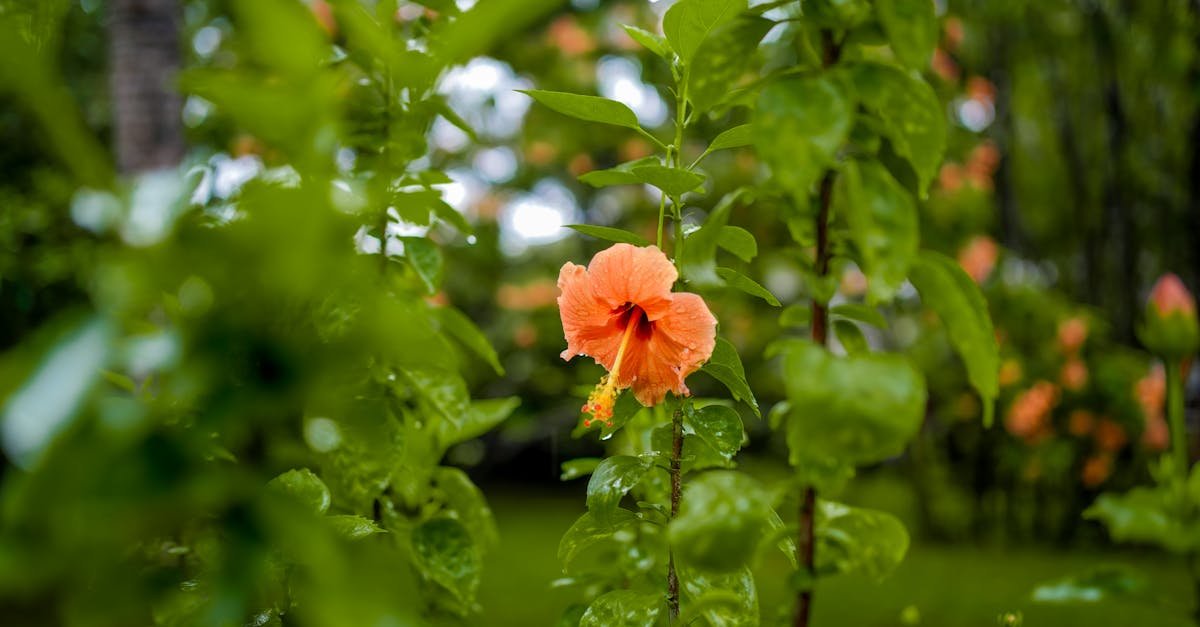
Late-Autumn Pruning Secrets for a Bloom-Heavy Syrian Hibiscus
When days shorten and leaves finally drop, gardeners eye their pruners and wonder how to tune Rose of Sharon, also known as Hibiscus syriacus, for next summer’s floral show. This shrub thrives on timely, well-placed cuts because it flowers on new wood. Done right, late-autumn pruning clears disease, shapes the canopy, and positions outward-facing buds to burst with color when warmth returns. Done wrong or timed poorly, it can invite winter dieback or reduce the very flower power you crave. Use this complete, climate-aware playbook to master how to prune Syrian hibiscus in late autumn with surgical confidence.
Quick-Start Guide: How to Prune Syrian Hibiscus in Late Autumn
If you are short on time, here is a concise walkthrough of how to prune Syrian hibiscus in late autumn after leaves have dropped and the plant is truly dormant.
- Confirm dormancy: Wait until foliage has fallen and there is no new soft growth. In mild zones, this is usually late fall; in colder zones, wait until very late fall or consider postponing major cuts to late winter.
- Sanitize tools: Clean blades with 70% isopropyl alcohol or a 10% bleach solution to prevent disease spread.
- Remove problem wood first: Cut out dead, diseased, and damaged branches back to the branch collar. Thin crossing branches that rub and create wounds.
- Light shape only: Keep reduction modest if winters are harsh. Save heavy size reduction for late winter or early spring to avoid cold-kill on fresh cut ends.
- Cut to outward buds: Make heading cuts 0.5 cm above an outward-facing bud at a slight angle, so spring growth flares outward for better light and airflow.
- Clean the base: Remove basal suckers and any vertical watersprouts that crowd the center.
- Mulch and water in: Apply 5–8 cm of mulch, keeping it a few cm off the trunk. Give a deep watering before the ground freezes to reduce winter stress.
Know Your Shrub: Why Timing Matters for Bloom-Heavy Results
Syrian hibiscus is famous for abundant blooms on the current season’s growth. That biology shapes your pruning calendar:
- Flowers on new wood: Buds form on shoots that grow in spring and summer. Pruning encourages more young shoots, which means more blossoms.
- Cold sensitivity of cut ends: Freshly cut tips are slightly more vulnerable to deep cold, especially in exposed, windy sites. In chilly regions, hold off on heavy reduction until the coldest weeks have passed and aim for late winter to early spring.
- Dormant pruning is safest: Late-autumn pruning works when the plant has shed leaves and entered dormancy but before frequent hard freezes lock in. In milder climates, this window is larger; in colder ones, it is narrower.
Understanding these dynamics lets you decide how to prune Syrian hibiscus in late autumn without sacrificing bloom potential or winter resilience.
Climate and Zone Playbook
Hibiscus syriacus is generally hardy in USDA Zones 5–9, with regional timing adjustments:
- Zones 5–6: Focus on sanitation and light thinning in late autumn. Reserve heavy shaping and size control for late winter to early spring. If a deep freeze is imminent, avoid reducing the canopy significantly now.
- Zones 7–8: You have a safer late-fall window for modest shaping after leaf drop. Still, for dramatic reductions, wait until winter wanes.
- Zone 9 and mild coastlines: True dormancy can be short. Prune after leaf drop and cool nights settle in. Avoid stimulating late flushes by pruning too early in autumn warmth.
Microclimates matter: A courtyard, south-facing wall, or sheltered urban site extends the safe window for light pruning, while open, windy, or high-elevation settings shorten it.
Tools, Prep, and Safety
Excellent results start with clean tools and steady technique.
- Tools: Bypass hand pruners for small wood (up to 1.5 cm), loppers for medium wood (up to 3–4 cm), and a sharp pruning saw for larger branches.
- Disinfect: Wipe blades with alcohol between shrubs and after cutting diseased material.
- Sharpen: Clean, sharp edges make smoother cuts that seal faster and resist pathogens.
- Safety: Gloves, eye protection, and stable footing are non-negotiable. If using a ladder, have a spotter.
Step-by-Step: A Late-Autumn Pruning Workflow
1. Evaluate and Plan
Walk around the shrub and visualize the final shape. Decide whether it is a multi-stem specimen, a single-trunk standard, or part of a hedge. Mark problem branches with a ribbon so you do not lose track as you work.
- Target structure: Aim for an open, vase-like canopy with evenly spaced scaffold branches.
- Airflow and light: Keep the center from becoming congested; blooms increase with bright exposure.
2. Prioritize Health Cuts
Start with what must go regardless of timing. These thinning cuts do not reduce bloom potential and often improve it.
- Dead wood: Snap test suspect twigs. Brown, brittle interiors confirm death; green or creamy moist interiors are alive. Cut dead branches back to the nearest healthy junction.
- Disease and damage: Remove cankered, sunken, blackened, or split branches well below the problem area. Disinfect tools after each diseased cut.
- Crossing and rubbing: Choose the better-placed branch and remove the other to prevent wounds and future infection.
3. Clean the Base and Interior
Syrian hibiscus often produces suckers and watersprouts that steal energy and shade interior buds.
- Basal suckers: Cut at ground level or from the point of origin. Suckers can eventually turn a neat standard into a thicket, diluting bloom display.
- Watersprouts: Remove vigorous, pencil-straight shoots inside the canopy unless you need one in a strategic spot to fill a gap next year.
- Seed pods: Clip remaining pods to reduce self-seeding and redirect energy toward root and cambial reserves for spring push.
4. Light to Moderate Shaping
How to prune Syrian hibiscus in late autumn without compromising winter hardiness hinges on moderation. Keep reductions tempered in cold zones, and use strategic heading cuts.
- Shorten by 10–30%: On outer canopy shoots, head back to an outward-facing bud. This encourages a flared, sunlit structure that sets more flowers.
- Preserve scaffold integrity: Do not remove more than one major limb per season unless the plant is unhealthy and you are planning staged rejuvenation.
- Avoid flush cuts: Always leave the branch collar intact to speed sealing and deter decay.
5. Tailor the Approach to Form
- Specimen shrub: Build a balanced, layered frame with 6–8 evenly spaced primary branches. Keep the center airy.
- Single-trunk standard: Maintain a clear trunk to 60–90 cm, then a rounded head. Remove any suckers and inward shoots that clutter the crown.
- Hedge or screen: Shearing alone can reduce bloom size. Combine a light shear for line with selective thinning inside the hedge to preserve larger flowers and reduce interior shade.
6. Finish With Aftercare
- Clean debris: Bag diseased cuttings and dispose. Compost healthy wood only.
- Mulch: Add 5–8 cm of organic mulch, pulled back a few cm from stems to prevent rot and rodent damage.
- Water before freeze: A deep soak helps roots overwinter and fuels spring shoot growth.
- No fertilizers now: Hold nitrogen until early spring to avoid tender late growth.
Cutting for Maximum Flowers
Outward Buds Are Your Bloom Compass
Because flowers form on new wood, your heading cuts should point growth where light is best. Select outward-facing buds on branches that radiate from the center. Cut about 0.5 cm above the bud at a slight angle, with the higher side of the cut opposite the bud. This minimizes dieback and directs sap smoothly.
Vigor vs. Flower Load
Thicker one-year shoots often carry larger blooms, while abundant medium shoots give a denser display. Mix strategies:
- Staggered heading: Shorten some shoots by a third, others by a quarter, and leave a few long. This creates a tiered burst of growth next spring for continuous flowering.
- Thin where congested: Two or three medium shoots with room to breathe will out-bloom a crowded cluster of spindles.
Branch Angles and Spacing
Favor 45–60 degree branch angles for strength and display. Remove narrow, V-shaped crotches prone to splitting under wind or heavy bloom load. Keep 10–15 cm of open space between primary shoot tips where possible to reduce shading and fungal pressure.
Rejuvenation: When Late Autumn Is Not the Moment
If your shrub is wildly overgrown or leggy with blooms only at the tips, you might consider rejuvenation. However, reserve dramatic reductions for late winter to very early spring in most climates.
- Staged approach: Over two or three seasons, remove up to a third of the oldest, thickest canes at their base each year. This invites vigorous new canes that flower richly.
- Hard reset: In severe cases and mild climates, cut the entire shrub back to 20–40 cm in late winter. Expect a year of structural regrowth followed by abundant flowers.
- Do not hard-prune in early or mid-autumn: It can trigger soft regrowth that winter kills, wasting energy reserves.
Special Cases
Young Shrubs (1–3 Years)
Focus on training, not size control. Build 4–8 strong scaffolds, remove weak or cramped shoots, and lightly head back to shape a balanced frame. Keep cuts small to speed healing.
Overgrown or Neglected Shrubs
Thin the oldest canes first in late autumn only if winters are mild. Otherwise, wait for late winter. Remove congested interior wood, then gently reduce height. Avoid removing more than a third in a single season unless you are committed to a rejuvenation plan.
Storm or Frost Damage
Cut torn or split branches cleanly at the nearest healthy junction. In severe cold regions, delay non-urgent structural cuts until the worst of winter has passed to better judge dieback extents.
Container-Grown Plants
Containers cool faster, heightening winter stress. Keep late-autumn pruning minimal: health cuts and slight shaping only. Protect pots from deep freezes by clustering, wrapping, or moving to a sheltered spot, and mulch the surface lightly.
Common Mistakes to Avoid
- Pruning too early in autumn: Warm spells can stimulate tender growth that frost will zap.
- Removing too much in cold zones: Heavy reductions before deep winter can invite tip dieback and reduce spring vigor.
- Shearing only: A hedge trimmer chops tips but ignores interior congestion. Combine selective thinning with any light shear.
- Flush cuts and stubs: Cutting into the collar slows sealing; leaving long stubs invites decay. Aim for clean, collar-respecting cuts.
- Skipping sanitation: Dirty blades spread cankers and blights that undercut bloom potential.
Bloom-Boosting Care Beyond the Cuts
Pruning sets the stage, but cultural care drives the performance.
- Sun: 6–8 hours of direct light fuels prolific flowering.
- Water: Provide consistent moisture through fall; avoid drought stress heading into winter.
- Mulch: Organic mulch moderates soil temperature, preserves moisture, and feeds soil life.
- Fertilizer: Hold until early spring; then apply a balanced, slow-release formulation or a compost top-dress. Too much nitrogen yields leaves at the expense of blooms.
- Deadheading in season: Through summer, remove spent flowers and pods to reduce self-seeding and refocus energy onto continued budding.
Month-by-Month Calendar
- Late Summer: Light deadheading only. Do not force late, lush growth with fertilizer.
- Early Autumn: Observe structure. Stop nitrogen. Water during dry spells to keep tissues resilient.
- Late Autumn: Once leaves drop and dormancy sets, perform sanitation, thinning, and modest shaping as climate allows. This is the core of how to prune Syrian hibiscus in late autumn without risking bloom loss.
- Midwinter: In cold zones, wait. Inspect after storms for breakage and remove only hazards.
- Late Winter to Early Spring: Finish heavier reductions, rejuvenation, and final shaping before bud swell. This locks in a bloom-forward framework.
- Spring: Feed lightly, water consistently, and enjoy vigorous new shoots that set the summer bloom stage.
Frequently Asked Questions
Will cutting in late autumn reduce next year’s flowers?
No, not if cuts are timed after dormancy and focused on thinning with light heading. Since blooms form on new wood, spring growth after your fall work will carry flowers. In very cold zones, keep late-fall pruning conservative and reserve heavy shaping for late winter to safeguard tips.
How much can I remove safely?
As a rule, remove no more than a third of the live canopy in one dormant season. In harsh winters, keep late-autumn work to 10–20% and defer bigger changes.
Do I need pruning seal?
Generally no. Clean cuts that respect the branch collar seal naturally. Use sealants only when managing known borers in regions where they are active, and even then, timing matters.
Can I convert a shrub to a standard?
Yes, over two to three years. Select a straight leader, stake if needed, and remove lower side branches gradually to build a clear trunk. Shape a rounded head at the desired height with careful heading to outward buds.
What if my shrub is all leaves and few flowers?
Increase sun exposure if possible, reduce nitrogen, ensure steady water, and employ strategic heading in late winter to push more flowering shoots. Deadhead in summer to prevent energy drain into seed pods.
A Printer-Friendly Checklist
- Wait for leaf drop and true dormancy.
- Sanitize, sharpen, and stage tools.
- Remove dead, diseased, damaged branches first.
- Thin crossing and inward shoots for airflow.
- Clip seed pods, remove suckers and watersprouts.
- Lightly head outer shoots to outward-facing buds.
- Avoid heavy reductions in cold zones until late winter.
- Clean up, mulch, and water in before the ground freezes.
Troubleshooting: Reading Your Hibiscus After Pruning
- Blackening tips after deep cold: Snip back to healthy tissue in late winter. This often occurs when late-autumn reductions are too heavy in cold climates.
- Poor bud break in spring: Check light levels and soil moisture. A plant in dense shade or suffering from drought may fail to push the strong new wood that carries flowers.
- Long, weak shoots: Stagger heading depths next winter and reduce nitrogen. Encourage a framework of sturdy laterals.
- Diseased cankers reappearing: Sanitize more rigorously and cut well below visibly affected tissue. Improve airflow with interior thinning.
Putting It All Together
Late-autumn pruning of Syrian hibiscus is a smart, bloom-forward strategy when guided by dormancy, climate, and restraint. Begin with health cuts, thin congestion, and make modest, outward-facing heading cuts that clarify structure without overexposing tender tips to deep cold. Finish with mulch and moisture management to protect roots. Then, as winter loosens its grip, complete any major shaping in late winter to early spring so that spring growth surges into a sunlit, well-spaced framework. Master these steps and you will not just understand how to prune Syrian hibiscus in late autumn — you will set the stage for a shrub that celebrates summer with a longer, heavier, more vibrant bloom display.
Key Takeaways
- Flower biology matters: Blooms form on new wood, so pruning encourages flowering when timed right.
- Timing by zone: Light work in late autumn; heavy work in late winter for colder climates.
- Technique over force: Clean, collar-respecting cuts and outward bud selection drive results.
- Aftercare seals success: Mulch and water before freeze; hold fertilizer until spring.
With these principles, your Rose of Sharon will meet late-summer skies with a canopy of color worthy of a seasoned gardener’s pride.