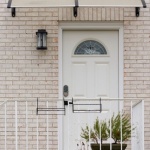
From Dated to Dazzling: Vinyl Siding Facade Upgrades That Supercharge Curb Appeal
Your home’s exterior sets expectations before anyone steps inside. When the siding reads tired—faded colors, dated profiles, or skimpy trim—buyers and guests assume the interior needs work, too. The welcome news: with a thoughtful plan, modern products, and a few strategic design moves, vinyl cladding can evolve from dated to dazzling. This deep-dive equips you with practical, design-forward vinyl siding facade renovation ideas that maximize curb appeal, elevate performance, and stretch your budget without sacrificing style.
Why Your Vinyl Siding Facade Still Matters in a Modern Market
Even in a market that values energy efficiency and smart tech, curb appeal remains king. Appraisers and buyers form instant impressions from color palettes, trim depth, and the clarity of architectural lines. A refreshed facade can:
- Lift perceived value and shorten time on market.
- Signal good maintenance across the property.
- Reduce future upkeep with fade-resistant finishes and improved moisture management.
Best of all, modern vinyl delivers expanded profiles, richer hues, matte finishes, and insulated options—letting you craft a custom look at an approachable price. The right mix of materials, color strategy, and details can completely reframe proportions and character.
Plan First: Principles That Prevent Regret
Before you shop samples, invest time in a plan. The smartest vinyl siding facade renovation ideas start with clarity on performance, style, and scope.
1) Do a Health Check of the Building Envelope
- Inspect sheathing and framing for softness or staining—especially around windows, doors, and decks.
- Evaluate flashing and house wrap. Missing head flashing, torn WRB, or poor overlaps cause hidden leaks.
- Check ventilation: attic exhaust/intake, vented soffit, and bath/kitchen ducting.
- Note pest activity at eaves and sill plates; address before recladding.
If you uncover structural or moisture issues, correct them now. New siding is only as durable as the substrate behind it.
2) Budget and ROI: Match Ambition to Reality
- Good: Pressure-wash, paint trim, swap lighting and house numbers, add shutters or a new mailbox.
- Better: New color palette, select profile changes (e.g., board-and-batten on gables), upgraded trim, new gutters and downspouts.
- Best: Full re-skin with insulated vinyl, mixed materials (stone at the water table), custom-width trim, and porch column wraps.
Set aside a 10–15% contingency for hidden damage and unexpected upgrades (e.g., new sheathing or custom flashings).
3) Style Direction and Neighborhood Context
Define a clear style lens—modern farmhouse, coastal, craftsman, contemporary, mid-century, or cottage. Use that lens to filter choices for color, profiles, trim, and accents. Align with HOA guidelines and the broader streetscape for harmony, not mimicry.
4) Color and Light: Test Before You Commit
- View large samples in sun and shade at different times of day.
- Coordinate with fixed elements: roof shingles, stone, brick, and hardscaping.
- Confirm warranty details on color fade and chalking, especially for dark hues.
5) Timeline and Seasonality
Lead times for specialty profiles, insulated panels, and custom trim can run weeks. Schedule installs in temperate weather to minimize material expansion or brittleness during handling. Book pros early during peak seasons.
Profiles and Layouts That Transform Proportions
Profile choice can make a single-story home feel taller, a tall facade feel calmer, or a wide ranch feel more dynamic. Thoughtful vinyl siding facade renovation ideas often start here.
Horizontal Lap Done Right
- Reveal size: Narrow (4–5 inch) reads traditional; wider (6–7 inch) feels more modern and relaxed.
- Beveled vs. Dutch lap: Dutch lap adds shadow lines for classic curb appeal; beveled is sleek.
- Seamless or long-length panels reduce butt joints on large walls for a custom, high-end look.
Board-and-Batten Without Complexity
Vertical board-and-batten panels deliver height and rhythm, especially on gables and entry bays. Use them to elongate squat facades. Pair with a contrasting lap siding on the main level for balance. Opt for matte finishes for an authentic, painted-wood vibe.
Shake and Shingle Accents
Vinyl shakes in straight or staggered edges add texture that evokes craftsman and coastal styles. Use them in gables, dormers, or upper stories to break up massing while keeping maintenance low.
Mixed Orientations for Movement
Combine vertical and horizontal orientations to guide the eye and highlight architecture:
- Vertical in gables, horizontal on main walls for contrast.
- Board-and-batten on entries to create a focal point.
- Shakes on dormers to visually lift the roofline.
Color Strategies That Supercharge Curb Appeal
Color unlocks emotion and style. Dial in saturation, contrast, and sheen for elevated curb presence.
Modern Palettes by Style
- Modern farmhouse: Soft white or warm greige lap, black or charcoal trim, natural wood door.
- Coastal: Salt-air blues, sea-glass greens, crisp white trim, nickel or brass lighting.
- Craftsman: Earthy greens and browns, off-white or cream trim, shake accents in gables.
- Contemporary: Deep charcoal or midnight, minimalist trim, metal awnings for texture.
- Mid-century: Desaturated teals, clay, or mustard with low-contrast trim and a bold door.
Contrast, Sheen, and Shadow
- High-contrast trim sharpens lines; low-contrast reads calm and modern.
- Matte finishes feel upscale; satin adds subtle sheen and is easy to clean.
- Dark exteriors can look luxe—but verify heat distortion and fade warranties for your climate.
Test, Then Commit
Order sample kits and mock up combinations on a less-visible wall. View in morning and afternoon sun. Confirm the palette with your roof and stone—even slightly clashing undertones can torpedo an otherwise great plan.
Textures, Trim, and Details That Read “Custom”
Details are where budget exteriors look bespoke. Elevate edges, corners, and transitions to sell a premium result.
Scale Up Trim
- Window and door surrounds: Go wider (3.5–5.5 inch) for presence; add simple head caps or crowns where style-appropriate.
- Corner posts: Beefier corners visually anchor the facade; consider color-contrasting posts.
- Belly band/sill band between stories creates a pleasing break and hides plane transitions.
- Soffit and fascia: Vented soffit boosts attic health; crisp fascia lines frame the roof.
Faux Stone and Brick Accents Done Right
A water-table skirt of stone veneer or a brick porch base adds grounding and visual richness. Keep proportions modest and integrate with flashing and weep details. Transition cleanly with a belly band or trim piece for a deliberate, architectural feel.
Metal Touches for Modern Edge
- Standing-seam awnings over windows or entries add depth and weather protection.
- Gable brackets in powder-coated steel provide a crafted focal point without heavy maintenance.
- House numbers and lighting in matte black or aged brass reinforce the palette.
Function Upgrades Hidden in a Facade Makeover
Look beyond looks. Smart vinyl siding facade renovation ideas also improve comfort and durability.
Moisture Management Checklist
- Continuous WRB with shingled laps and sealed penetrations.
- Rainscreen gap or spacer for drainage and drying behind cladding.
- Metal head flashings with end dams over all openings.
- Kick-out flashings at roof-to-wall intersections to divert water.
- Proper clearances at grade, decks, and roofs to prevent capillary wicking.
Energy and Comfort Gains
- Insulated vinyl panels (foam-backed) improve R-value, stiffen walls, and reduce telegraphing.
- Air sealing around windows, doors, and rim joists can cut drafts and noise.
- Cool roofs and light cladding in hot climates reduce heat gain; darker palettes in cold zones can be fine if warranties allow.
Curb-Boosting Add-Ons That Punch Above Their Weight
- Front door refresh: New slab or bold paint with modern hardware.
- Garage door upgrade: Carriage-style or flush modern with windows to break mass.
- Lighting layers: Sconces + overhead + pathway for drama and safety.
- Landscaping: Foundation plantings, planters at steps, fresh mulch, defined borders.
- Hardscaping: Wider walkway, pavers, or a framed gravel path to invite guests in.
- House numbers and mailbox: Cohesive typography and finish with fixtures.
- Window boxes or shutters: Use sparingly; size correctly to window proportions.
Inspiration Gallery: 12 Vinyl Siding Facade Renovation Ideas
Use these concepts as springboards. Each blends design and practicality so your exterior feels considered and complete.
- Two-Tone Modern Farmhouse: White lap on the main level, vertical board-and-batten in gables, black trim and gutters, natural wood door, warm bronze lighting.
- Coastal Calm: Sea-glass blue lap, shakes in dormers, bright white trim, nickel fixtures, pale gray roof for a breezy vibe.
- Craftsman Revival: Olive-grey body, cedar-look vinyl shakes on gables, cream trim, thick window sills, stone water table.
- Charcoal Contemporary: Deep charcoal lap, oversized corner posts, no shutters, flat panel door, linear sconces, metal awning at the entry.
- Board-and-Batten Focus: Vertical siding on the entry volume only, mid-tone body elsewhere, wide trim yielding boutique feel.
- Mid-Century Fresh: Smooth lap in muted teal, low-contrast trim, orange door, chunky address numbers, minimalist planting.
- Warm Greige Harmony: Greige lap, cream trim, wood-look garage door, black lighting; easy to pair with many roof tones.
- Stone-Base Balance: Neutral body with 24–36 inch stone skirt, belly band transition, shakes in front gable, lantern sconces.
- Dark Body, Light Trim: Night-sky body with crisp white trim, natural copper accents; confirm heat/fade warranties first.
- Matte Minimalist: Smooth, wider-reveal lap, color-matched trim, integrated gutters, frameless house numbers.
- Gable Drama: Shakes dedicated to all forward-facing gables, tone-on-tone lap on walls, decorative gable bracket.
- Porch-Centric Welcome: New column wraps, vertical siding on porch surround, beadboard ceiling, layered lighting, stained door.
If you’re gathering Vinyl siding facade renovation ideas for mood boards, mix and match these concepts. Combine, for example, a matte minimalist palette with a small stone skirt or a board-and-batten entry core.
DIY vs. Pro: What to Tackle and When to Hire
Some upgrades are friendly to hands-on homeowners; others demand pro precision.
- DIY-friendly: Pressure washing, painting existing trim, installing house numbers, swapping fixtures, simple shutter installs, landscaping refreshes.
- Pro-recommended: Full residing, window and door re-flashing, rainscreen assemblies, insulated siding installation, new soffit/fascia, complicated transitions at roofs and decks.
Improper nailing patterns, missing expansion gaps, or sloppy flashing can void warranties and create hidden moisture issues. When in doubt, hire experienced, certified installers.
Budgeting, Timelines, and Avoidable Mistakes
Costs and Planning
- Scope clarity: Define elevations, trim upgrades, accessories, and any masonry accents before quoting.
- Get multiple bids with detailed line items for removal/disposal, substrate repair, WRB, flashings, profiles, trim, accessories, and permits.
- Contingency: Reserve 10–15% for substrate repairs or design pivots.
Common Pitfalls
- Under-scaling trim: Thin surrounds cheapen the look; go wider for depth.
- Ignoring fixed elements: Color that clashes with roof or stone undermines the whole project.
- Skipping ventilation: Non-vented soffit and poor attic airflow shorten roof life.
- Bad water management: Missing kick-outs and drip caps lead to rot behind beautiful new cladding.
- Overusing shutters: If they don’t fit the window width visually, omit or size custom.
- Wavy walls: Failing to plane and sheath properly will telegraph through thin panels.
Step-by-Step Roadmap to a Successful Facade Refresh
- Define goals and style: Gather Vinyl siding facade renovation ideas that fit your architecture and neighborhood.
- Assess envelope: Inspect substrate, flashing, WRB, ventilation, and pest risks.
- Set scope and budget: Prioritize high-visibility elevations and critical performance fixes.
- Select materials: Profiles, colors, finishes, trim, soffit/fascia, and any stone/metal accents.
- Detail transitions: Plan belly bands, corner treatments, and roof-to-wall interfaces.
- Order samples and test palettes in varied light; confirm warranties for dark hues.
- Get bids or line-item DIY costs; schedule around weather and lead times.
- Prep and protect: Remove old materials, repair substrate, install WRB and flashings correctly.
- Install cladding: Follow manufacturer specs for nailing, spacing, and expansion.
- Finish details: Trim, caulking where appropriate, lighting, gutters, and accessories.
- Landscaping refresh: Mulch, prune, and edge to frame your new exterior.
- Final walk-through: Punch list, warranties, and a maintenance plan.
Frequently Asked Questions
Will darker vinyl colors fade or warp?
Modern pigments and UV inhibitors greatly improve fade resistance, and many manufacturers offer dark-color warranties. In hot climates, confirm heat distortion coverage and consider insulated or specially engineered lines designed for darker tones.
Can I mix vinyl with masonry or metal?
Yes—blended materials are among the strongest Vinyl siding facade renovation ideas. Use stone or brick at the water table and metal for awnings or porch roofs. Flashing and drainage detailing are critical at transitions.
Is insulated siding worth it?
Foam-backed panels add rigidity, improve minor wall irregularities, and deliver modest R-value gains. They also reduce noise. If your walls are uninsulated or drafty, the comfort boost can be noticeable.
What maintenance does vinyl need?
Seasonal rinse with a hose, gentle brushing for stubborn spots, and inspection of caulk at trim interfaces. Avoid high-pressure washing close-up, which can drive water behind panels.
Do I need permits or HOA approval?
Many municipalities require permits for exterior cladding replacements. HOAs often regulate color and materials. Secure approvals early to prevent delays.
Can I replace siding in winter?
It’s possible, but vinyl can be brittle in extreme cold. Installers may adjust techniques and schedule for milder days. Adhesives and sealants also have temperature limits—follow product guidance.
How do I avoid the “flat” look?
Scale up trim, vary orientations (e.g., board-and-batten in gables), add a belly band or stone skirt, and choose a matte finish. Thoughtful layering transforms a basic facade into a tailored one.
Case Studies: Transformations That Prove the Point
The Tall Narrow Colonial
Problem: A towering facade felt austere. Solution: Wider-reveal lap to calm verticality, robust 5-inch window trim, soft greige body with off-white trim, and a simple porch awning. Result: Balanced proportions and a warm, inviting presence.
The Low-Slung Ranch
Problem: Long walls lacked interest. Solution: Board-and-batten in the entry volume to add height, stone water table to ground the mass, and staggered shakes in the front gable. Result: Visual rhythm and a focal entry that anchors the home.
Builder-Grade to Boutique
Problem: Basic vinyl with thin trim and busy colors. Solution: Matte charcoal body, color-matched trim for modern minimalism, metal entry awning, and upgraded lighting. Result: Sleek, contemporary curb appeal with minimal maintenance.
Sustainability and Resilience Considerations
- Durability: Specify products with tested wind, impact, and UV performance for your climate zone.
- Recycling and waste: Some suppliers offer take-back programs for scrap; ask before ordering.
- Low-VOC accessories: Choose low-VOC sealants, paints, and adhesives for healthier installs.
- Water-wise landscaping: Pair your facade refresh with native plantings and high-efficiency irrigation.
Bringing It All Together
The most compelling results don’t hinge on a single decision; they come from a cohesive vision. Start with proportion-correcting profiles, add a balanced color palette, scale up trim, and fold in a few tactile accents like shakes, stone, or metal. Prioritize moisture control and insulation behind the scenes. Finish with lighting, numbers, and landscape framing. When executed as a whole, these Vinyl siding facade renovation ideas transform a dated exterior into a confident, character-rich statement.
Quick Checklist: From Dated to Dazzling
- Define style and curate a mood board of vinyl siding facade renovation ideas that fit your home.
- Audit the envelope: substrate, WRB, flashing, ventilation.
- Select profiles to correct proportions: lap, board-and-batten, shakes.
- Dial in color: test in real light; confirm warranties for dark tones.
- Scale up trim: windows, doors, corners, soffit, fascia.
- Engineer water management: rainscreen, kick-outs, drip caps, clearances.
- Elevate details: lighting, numbers, mailbox, door, landscaping.
- Document specs and get clear, comparable bids—or detailed DIY plans.
Whether you’re prepping to sell or settling in for the long haul, the right combination of thoughtful design moves and solid building science will make your home look—and live—better. Start small or go all-in; with a smart plan and the right team, your facade can shift from dated to dazzling with clarity, confidence, and curb appeal to spare.
For more planning inspiration, collect a short list of Vinyl siding facade renovation ideas that speak to your architecture, test a handful of color swatches in real light, and map your upgrades in phases if needed. Your future self—and your street—will thank you.