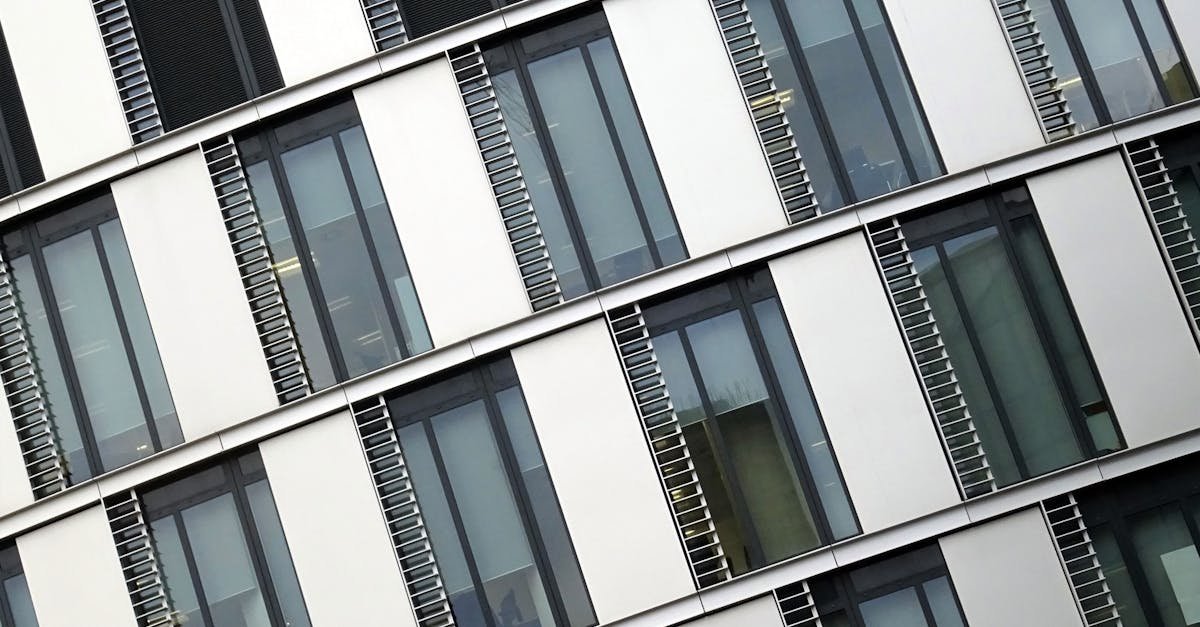
From Frame to Finish: Install Aluminum Facade Windows Like a Pro
Aluminum facade windows combine crisp architectural lines with high performance, letting daylight and design take center stage while protecting interiors from wind, rain, and temperature swings. Whether you are upgrading a mid-rise storefront, completing a modern home addition, or delivering a commercial curtain wall, the question always comes up: how do you go from frame to flawless finish without callbacks or leaks. In this guide, we unpack how to install aluminum facade windows like a seasoned pro, demystifying the sequence, the tools, the tolerances, and the tricky transitions that make or break envelope performance.
Why Aluminum Facade Windows Stand Out
Before diving into the process, it helps to understand what makes this category unique. Aluminum framing is strong yet slender, allowing expansive views and minimal sightlines. Thermal breaks reduce conductive heat loss, factory-applied finishes resist weathering, and modern glazing options improve energy efficiency. In short, these assemblies are more precise than traditional residential windows and demand a disciplined installation approach aligned with building envelope best practices.
- Strength to weight enables tall lights and narrow mullions.
- Thermal breaks and Low-E glass improve comfort and energy performance.
- Durable finishes like anodized or powder-coated surfaces extend service life.
- Systemized components create repeatable, testable weather performance.
What This Guide Covers
This tutorial walks you through planning, substrate prep, layout and shimming, flashing and air barriers, frame setting, glazing and gasket installation, perimeter sealing, and field testing. If you have ever wondered how to install aluminum facade windows without missing crucial steps, you will find practical checklists, pro tips, and troubleshooting advice here.
Safety First and Always
Glazing work demands careful handling of heavy units, sealants, and power tools, often from scaffolding or lifts. A safety culture prevents injuries and protects the project schedule.
- PPE: hard hat, cut-resistant gloves, eye and hearing protection, fall protection rated for your site.
- Rigging: certified slings and spreader bars; tag lines for control; trained signalers for hoisting.
- Glass handling: suction cups inspected before use; edge protection; secure staging areas.
- Chemicals: follow sealant and primer safety data sheets; ensure ventilation.
- Ladders and lifts: inspect daily; maintain three points of contact; tie-off where required.
Know Your System: Stick-Built vs Unitized
Aluminum facade windows appear in several formats. Understanding your product type determines field labor and sequencing.
- Stick-built assemblies: mullions and transoms assembled on-site, then glazed in place. Suited to smaller projects or tight budgets; requires precise field layout and more weather management on site.
- Unitized panels: factory-built frames with glazing and gaskets pre-installed, hoisted as complete modules. Faster installation with superior quality control, but requires early coordination, accurate anchors, and cranes.
- Storefront systems: typically span one story with head and sill conditions tied to slab and ceiling; economical and fast to install.
Preconstruction Planning That Saves the Day
Every perfect facade begins well before the first fastener is driven. Planning reduces rework and ensures continuity of control layers.
Drawings, Specs, and Submittals
- Shop drawings and manufacturer details govern anchor types, edge distances, and gasket profiles.
- Submittals confirm finishes, glass makeups, sealants, and compatibility between products.
- Mockups and performance testing validate air and water infiltration performance before full production.
Measurements and Site Verification
- Verify rough openings for plumb, level, and square; record tolerances.
- Confirm backing and anchors exist where specified; add reinforcement if missing.
- Measure clearances for sill pans, shims, and seals; avoid tight fits that pinch frames.
Environmental and Code Factors
- Know wind loads, exposure category, and seismic requirements to select correct anchors.
- Schedule install when sealant temperatures are within manufacturer recommendations.
- Coordinate firestopping or perimeter fire containment where facade meets slabs or spandrels.
Tools and Materials Checklist
- Measuring and layout: laser level, tape, plumb bob, squares, chalk line, story pole.
- Fastening: hammer drill, drivers, torque wrench, stainless or coated anchors per spec.
- Setting: non-shrink shims, packers, setting blocks, temporary braces, suction cups.
- Sealing: compatible primers, backer rod, EPDM or silicone gaskets, high-performance silicone sealant.
- Waterproofing: self-adhered membranes, pan flashing, end dams, liquid-applied air barriers, sealant tapes.
- Protection: foam edge guards, painter tape for clean sealant lines, drop cloths.
Step-by-Step: How to Install Aluminum Facade Windows Like a Pro
Below is a field-proven sequence. Adapt it to your specific system, project size, and climate zone.
1. Prepare the Opening and Substrate
- Clean the opening. Remove debris, dust, and protrusions. A clean substrate ensures adhesion of membranes and sealants.
- Verify geometry. Check plumb, level, and diagonals. Mark high spots and plane or grind if needed.
- Review tolerances. Compare rough opening to frame size per manufacturer guidance. Provide consistent gaps for shims and gaskets, typically a few millimeters depending on system.
- Install backing. Add steel or treated wood blocking where anchors meet hollow CMU or weak substrates. Confirm embedment depths meet engineering.
2. Establish the Weather-Resistive and Air Barriers
- Sill pan and end dams. Preform or fabricate a sloped pan flashing with upturned back leg and sealed end dams. Tie the pan into side and head jamb membranes to shingle water out.
- Liquid or sheet membrane. Prime as needed and apply self-adhered flashing to the sill, jambs, and head, lapping to shed water. Transition to the main air barrier of the wall.
- Weeps. Leave or create designated weep paths at the sill; do not block them with sealant or insulation.
3. Dry-Fit and Shim
- Dry-fit the frame. Without sealants, place the frame into the opening to verify clearances and shim positions. Remove and adjust as needed.
- Shim layout. Place non-compressible shims where manufacturer indicates, typically under verticals near anchors and at mullion intersections. Align shims to support dead loads and avoid frame distortion.
4. Set and Plumb the Frame
- Apply setting beads. Where specified, apply compatible sealant beads to the sill pan or frame flanges.
- Place the frame. Use suction cups and team lifting or a small crane for larger units. Lower evenly onto shims and into the sealant beads without smearing.
- Check plumb and level. Confirm with a laser or long level. Measure diagonals to confirm square. Adjust shims until readings are within tolerance.
- Temporary brace. Brace the frame to maintain alignment during anchoring.
5. Anchor the Frame to Structure
- Pre-drill holes if required and vacuum dust to preserve adhesion for later seals.
- Install anchors per spacing and edge distances in shop drawings. Use a torque wrench to meet manufacturer torque values without crushing the thermal break.
- Recheck geometry after the first few anchors to prevent creeping out of square. Continue anchoring in a balanced sequence.
6. Integrate Air and Water Barriers
- Jamb and head transitions. Tool continuous sealant fillets between frame receptors and adjacent membranes. Use primer where required. Maintain bond-break tape where three-sided adhesion might occur.
- Inside air seal. From the interior, install backer rod and a continuous air seal between frame and substrate. This reduces infiltration and condensation risk.
- Exterior weather seal. From the facade side, apply backer rod sized to 25 to 50 percent compression and finish with a properly tooled silicone joint, hourglass-shaped for elastic movement.
7. Glaze the Frame
- Clean glazing pockets. Wipe away dust and oils. Set setting blocks at quarter points or as engineered for glass size and weight.
- Insert glass or IGUs. Lift with cups, place onto blocks, and align edge clearances. Avoid racking the frame.
- Install gaskets. Seat EPDM or silicone gaskets per sequence, often starting with the interior. Do not stretch gaskets; compress them into corners for a snug fit.
- Structural glazing where specified. Apply structural silicone with correct bite, cure time, and weather protection. Follow the sealant manufacturer quality control protocols.
8. Trim, Flash, and Finish
- Sills and caps. Install subsill flashings, snap caps, and covers without deforming the frame. Confirm drainage continuity.
- Head and jamb trims. Integrate rainscreen cladding and ensure ventilation cavities remain open.
- Protective films. Remove films within the allowed window to avoid residue baking onto finishes under sun.
9. Test and Document
- Water testing. Perform hose or chamber tests per project specifications to verify installed performance.
- Punch list. Address skips, voids, or cosmetic issues now before access is removed.
- O&M handover. Provide maintenance guides, finish care instructions, and warranty documentation.
Details That Separate Pros From Amateurs
Mastery is in the margins. Small choices upstream prevent big problems downstream.
- Thermal continuity: align insulation with thermal breaks to avoid condensation at edges.
- Movement joints: design and tool sealant joints for expected thermal expansion and building drift.
- Backer rod selection: choose closed-cell rods for consistency, oversize by roughly 25 percent to ensure proper compression.
- Sealant compatibility: confirm primers and finishes are compatible; avoid mixing chemistries that can inhibit cure.
- Weep management: never clog weeps with mortar, insulation, or sealant; check after each phase.
Common Mistakes and How to Avoid Them
- Skipping sill pans: leads to hidden rot or corrosion; always use a pan with end dams and slope.
- Over-torquing anchors: can crush thermal breaks or twist frames; use a torque wrench and follow specs.
- Three-sided adhesion: sealant must not bond to the back of the joint; use proper backer rod or bond-break tape.
- Stretched gaskets: they will shrink and pull from corners; install with relaxed length and compression.
- Ignoring substrate variation: shims should create a flat plane even if the wall is not perfect; do not force frames to follow a wavy opening.
Integration With the Whole Building Envelope
Facade windows do not exist in isolation. They interface with slabs, cladding, insulation, and interior finishes. Maintain the continuity of control layers across all transitions.
- Water: shingle-lap flashings outward, never reverse-lap. Provide positive slope to the exterior.
- Air: continuous interior air seal ties frames to wall air barrier; keep joints closed-cell and continuous.
- Thermal: align continuous insulation with the frame plane or infill cavities with non-absorptive insulation.
- Vapor: consider climate zone; do not trap moisture. Use vapor-open strategies for outward drying where appropriate.
Special Conditions and Advanced Tips
Retrofitting Existing Facades
- Survey first: identify deflection, water staining, and prior repairs; plan anchors accordingly.
- Phased removal: maintain temporary weather protection as old units are removed and new units set.
- Lead and asbestos: test and abate as required before demolition.
High Wind and Coastal Projects
- Higher design pressures: beefed-up anchors, closer spacing, and thicker glass may be required.
- Corrosion resistance: specify stainless anchors and marine-grade finishes; rinse salt spray during construction.
- Field sealing: humidity and salt affect cure; extend protection and follow cure windows.
Cold Climate Considerations
- Thermal bridging: double-check continuity of thermal breaks and insulation alignment.
- Condensation control: robust interior air seals and warm-side vapor management reduce risk.
- Sealant cure: keep materials warm; use cold-weather-compatible sealants.
Fire and Life Safety Interfaces
- Perimeter fire containment: coordinate safing at slab edges with curtain wall spandrels.
- Egress and operable vents: ensure code-required hardware and free area for smoke control are maintained.
Quality Assurance: Do It Right the First Time
Field QC Checkpoints
- Anchor inspection: verify type, spacing, torque, and embedment; record results.
- Geometry: document plumb, level, and squareness at set intervals.
- Sealant joints: measure joint width and depth; confirm backer rod placement and finish tooling.
- Weeps and drainage: water test weep function before trims conceal access.
Documentation and Testing
- Photo logs of each step: flashing, frame set, anchors, glazing, and seals.
- Manufacturer sign-offs where warranties require certified installers and approved sealants.
- Air and water tests per project spec to verify performance.
Maintenance for Long Life
Even a perfect install needs periodic care. Recommend owners perform an annual check after the first year and then every two to three years.
- Clean frames and glass with manufacturer-approved, non-abrasive cleaners.
- Inspect sealants for cracks or adhesion loss; repair with compatible materials.
- Clear weeps of debris and insect nests.
- Check gaskets for hardening or shrinkage; replace if compressed beyond recovery.
- Review hardware on operables; lubricate and adjust.
Frequently Asked Questions
How long does a typical installation take
For small storefront bays, a seasoned crew may complete several openings per day, depending on access, weather, and complexity. Unitized panels speed timelines on large buildings due to factory preassembly.
Can I install in the rain
Avoid applying membranes and sealants on wet substrates. Moisture compromises adhesion. Provide temporary weather protection and wait for dry conditions as specified by material data sheets.
Do I need a sill pan on concrete slabs
Yes. Sill pans with end dams protect the frame and interior finishes even on concrete. They capture and drain incidental water that finds its way into glazing pockets or joints.
What is the best sealant for facade windows
Neutral-cure silicone is common for its UV stability and movement capability. Always confirm compatibility with finishes, gaskets, and adjacent membranes before committing.
What standards should I know
Look for system testing to recognized standards governing structural performance and air and water infiltration. Local codes and project specifications determine the exact references used.
A Condensed Field Guide
If you want a quick refresher on how to install aluminum facade windows after your first read-through, keep this field checklist handy.
- Verify opening: plumb, level, square, tolerances met.
- Install pan: slope, end dams, tie into membranes; protect weeps.
- Dry-fit: confirm shims and clearances.
- Set frame: on shims, sealant beds; brace; check geometry.
- Anchor: correct spacing and torque; recheck alignment.
- Seal transitions: interior air seal and exterior weather seal with proper backer rods.
- Glaze: setting blocks positioned, gaskets installed without stretch, clean pockets.
- Finish: trims, caps, maintain weep functionality.
- Test: water test, punch list, documentation.
Troubleshooting: Symptoms and Likely Causes
- Water at interior sill: missing or compromised sill pan, clogged weeps, reverse-lapped flashing.
- Drafts near frame: gaps in interior air seal, insufficient backer rod compression.
- Glass rattle: missing setting blocks or loose glazing beads.
- Frame distortion: over-torqued anchors, uneven shimming.
- Sealant cracking: improper joint design, wrong sealant chemistry, or poor surface prep.
Budgeting and Scheduling Realities
Professional outcomes require adequate time and budget. Factor in lead times for custom finishes and insulated glass units, as well as weather contingencies. Sequence work so that air and water barriers are complete and inspected before installing frames. Arrange cranes or lifts before panels arrive on site to reduce handling and storage risks.
Sustainability and Performance Considerations
- Thermal efficiency: specify frames with robust thermal breaks and IGUs with appropriate coatings for climate and orientation.
- Airtightness: detailed interior seals reduce HVAC loads and improve comfort.
- Durability: marine-grade finishes in harsh environments, and compatible sealants, extend life and reduce replacements.
- Daylighting: optimize visible light while controlling glare with coatings and shading devices.
Case Study Snapshot: Lessons From the Field
On a mid-rise renovation with mixed-use ground floor, the team selected a stick-built facade glazing system for storefront levels and unitized panels above. Early coordination of anchors to the concrete frame and accurate sill pan fabrication paid off. During water testing, only minor sealant touch-ups were needed. The big win came from insisting on backer rod sizing and sealant geometry per spec, which prevented three-sided adhesion and allowed joints to move freely through seasonal cycles.
Putting It All Together
Now that you have a complete view of how to install aluminum facade windows from layout to final inspection, focus on repeatable habits. Clean substrates, correct shimming, precise anchoring, and carefully tooled sealants deliver reliable performance. Treat transitions with the same respect you give the primary frame set, and never shortcut pans or weeps. When in doubt, test small areas, document what worked, and scale those practices across the project.
Pro Tips to Elevate Your Next Install
- Story pole: build one for repetitive bays to speed layout and catch slab irregularities.
- Torque discipline: color-mark anchors after torquing and log readings for QA.
- Sealant housekeeping: mask edges with tape and remove immediately after tooling for crisp lines.
- Mock up corners: intersections reveal conflicts that flat elevations hide.
- Protect finishes: keep abrasive dust away from powder-coated surfaces; use dedicated cleaning cloths.
Conclusion
A meticulous, systems-first approach is the difference between a facade that merely looks good on day one and one that performs for decades. By following the structured steps outlined here, you can install aluminum facade windows with the confidence and consistency of a pro. Invest in planning, respect tolerances, and verify with testing. The result is a crisp, resilient building envelope that elevates both form and function.
Keywords and Natural Variations Used
To help readers find this guide, we naturally incorporated target terms and related phrases, including variations such as facade window installation, aluminum window installation, curtain wall windows, facade glazing, aluminum frames, EPDM gaskets, sill pan flashing, rainscreen integration, air and water barriers, backer rod and silicone, shimming and anchoring, unitized systems, and stick-built assemblies. The exact phrase appears sparingly to maintain readability while conveying clear relevance to the topic.
Quick Recap: From Frame to Finish
- Prepare and verify the opening.
- Install sill pan and integrate membranes.
- Dry-fit, shim, and set the frame true.
- Anchor with the right torque and spacing.
- Seal interior for air, exterior for weather.
- Glaze with correct blocks and gasket practice.
- Finish, test, and document for long-term success.
If you came here wondering how to install aluminum facade windows with professional precision, the roadmap above has you covered from first measurement to final water test. Apply these methods, adapt them to your system, and keep learning from each project to refine your craft.