Set-and-Forget Vacation Mode: Keep Home Energy Use Low While You’re Away
Going away should feel easy. The last thing you want is to worry about your thermostat, lights, or appliances guzzling electricity. This comprehensive guide shows you how to control home energy while on vacation using a smart, set-and-forget routine that works in any home. You’ll learn which systems matter most, how to automate the essentials, and what to check before you lock the door—so you return to a safe, efficient, and comfortable home.
Why Vacation Energy Planning Pays Off
You don’t need to become a full-time energy manager to cut waste while you’re away. A few smart changes reduce bills, protect your home, and shrink your carbon footprint—without sacrificing comfort or security. If you’ve wondered how to control home energy while on vacation without obsessing over every switch, the answer is to focus on the big four: HVAC, water heating, lighting, and phantom loads.
- Lower costs: Heating, cooling, water heating, and always-on devices make up the majority of home energy use. Even modest adjustments can save 10–30% during your trip.
- Longer equipment life: Reduced runtime means less wear and tear on HVAC systems and appliances.
- Higher resilience: Proper settings and alerts protect against leaks, overheating, or frozen pipes.
- Smoother return: Automations restore comfort before you walk back in the door.
How to Control Home Energy While on Vacation: The Set-and-Forget Framework
The easiest way to keep usage low is to build a simple framework you can reuse every time you travel. If you’re exploring how to control home energy while on vacation with minimal effort, think in three layers: prepare, automate, and verify.
1) Prepare (one-time setup)
- Label key circuits and devices: Identify HVAC, water heater, fridge, router, sump pump, and critical outlets.
- Update firmware: Smart thermostats, plugs, and hubs should run the latest versions for reliability.
- Create "Vacation" scenes: One-tap routines for lighting, thermostat, water heater, and plugs keep things consistent.
2) Automate (set-and-forget)
- Geofencing or schedules: Trigger Away Mode when the last phone leaves or at a set time on departure day.
- Smart fallback timers: If presence detection fails, a time-based safety routine enforces energy-saving settings.
- Notifications: Get alerts for leaks, power outages, high humidity, or unusual energy spikes.
3) Verify (peace of mind)
- Energy dashboards: Check your utility or home energy monitor to confirm loads dropped.
- Test once before you travel: Simulate a short "weekend away" to ensure automations behave as expected.
With this framework, you’ve already implemented the essentials of how to control home energy while on vacation—and you won’t need to remember dozens of small tasks each trip.
HVAC: The Biggest Lever for Savings
Heating and cooling typically dominate your utility bill. Tuning these systems delivers the fastest, most reliable savings while you’re away.
Smart Thermostat Vacation Settings
- Use Away/Vacation Mode: Nearly every smart thermostat includes a one-tap setting. Set conservative targets:
- Summer: 84–88°F (29–31°C) if pets are away and humidity is controlled. Lower a few degrees if you store heat-sensitive items.
- Winter: 55–60°F (13–16°C) to prevent freezing while minimizing runtime. Go no lower than 55°F (13°C) in colder climates.
- Humidity management: In humid regions, keep relative humidity under ~60%. If your thermostat can control dehumidification, enable it.
- Fan settings: Set fans to Auto (not On) so they don’t run continuously.
- Gradual preconditioning: Schedule your preferred temperature to resume 2–6 hours before you return.
Heat Pumps, Minisplits, and Radiators
- Heat pumps/minisplits: Use Eco or Away; disable unnecessary high-performance or boost modes while gone.
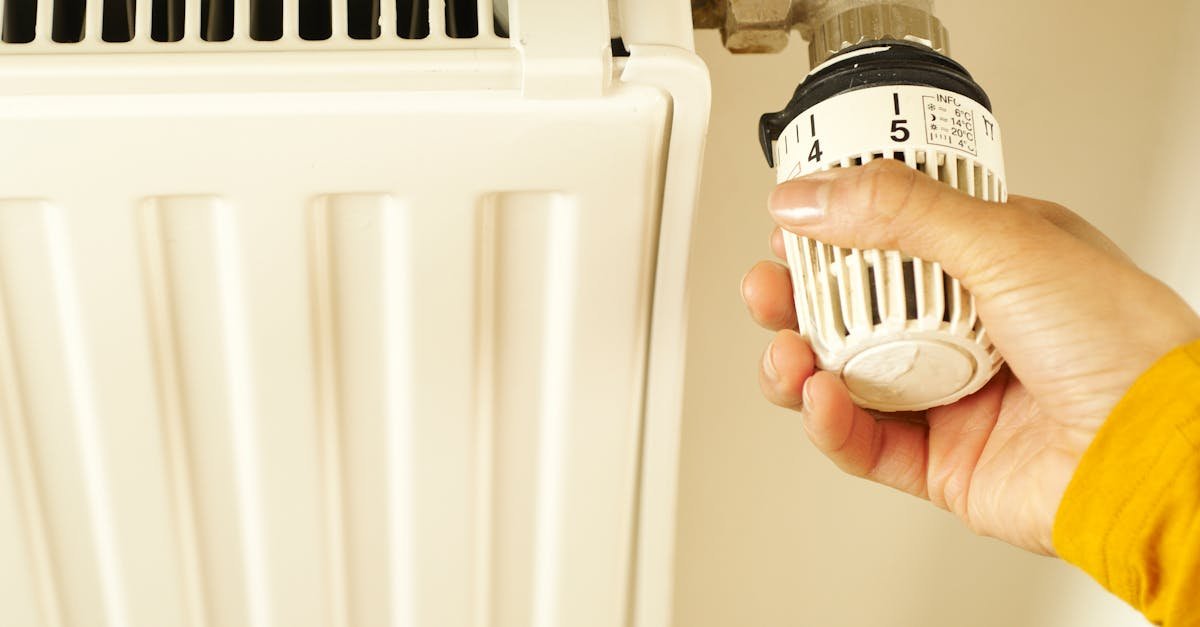
- Boilers/radiators: Set a stable low temperature; protect pipes in cold zones by opening cabinet doors where pipes run and allowing minimal airflow.
- Ceiling fans: Turn off. They cool people, not rooms.
If you’re still deciding how to control home energy while on vacation, start with HVAC—this single system often yields the most impactful savings.
Water Heating: Small Tweaks, Big Payoff
Conventional tank heaters keep water hot 24/7. When you’re away, that’s money for nothing—unless you change the mode.
Tank Heaters
- Vacation mode: Many heaters offer a dedicated Vacation setting that lowers temperature while preventing freezing. Enable it a day before departure.
- Manual setback: If there’s no dedicated mode, reduce setpoint to ~50–60°F (10–16°C) in nonfreezing conditions, or turn the unit off if manufacturer guidance allows and your climate is warm.
- Recirculation pumps: Disable or put on a timer—constant circulation wastes energy.
Tankless Heaters
- Eco/Away: Many models offer an Away setting; otherwise reduce temperature.
- Powering down: Only if the manufacturer recommends and you won’t risk freezing.
Learning how to control home energy while on vacation often means taming “always-hot” systems like water heaters. A single setting change can trim daily baseload significantly.
Refrigerators and Freezers: Keep It Cold, Not Wasteful
Fridges must stay on if they contain perishables, but you can still reduce their appetite.
- Right temperatures: Refrigerator at 37–40°F (3–4°C), freezer at 0–5°F (-18 to -15°C).
- Fill the space: A fuller fridge/freezer maintains cold better. Use water jugs or ice packs if it’s sparse.
- Coils and gaskets: Clean condenser coils and check door seals before leaving.
- Going long: For trips longer than 3–4 weeks, consider emptying, cleaning, propping doors open, and turning the unit off to avoid mold and waste.
- Power outage plan: A freezer thermometer with a max-temp needle or a smart sensor can confirm safe temps on return.
Phantom Loads: Stop Standby From Nibbling Your Bill
“Energy vampires” draw power even when devices are off. If you’ve been asking how to control home energy while on vacation beyond the big systems, address standby loads next.
- Unplug or switch off at the strip: TVs, game consoles, soundbars, printers, chargers, and small kitchen appliances can be disconnected.
- Smart plugs/power strips: Schedule nonessential circuits off; leave network or security-critical devices on.
- Routers and modems: Keep online if you depend on cameras, leak sensors, or remote control. If not, consider a smart-plug restart schedule for reliability.
- Office gear: Laptops, monitors, and docks should be unplugged or fully shut down.
Lighting and Security: Look Lived-In, Use Little
Good security lighting doesn’t need to waste energy. Automate minimal, strategic illumination that mimics occupancy.
Smart Schedules That Sip, Not Gulp
- LED bulbs: Replace any incandescent or halogen bulbs—huge savings with identical brightness.
- Sunset-based schedules: Turn on a few indoor lights for 1–3 hours after dark, randomized by day of week.
- Motion-activated exteriors: Use motion or dusk-to-dawn for porches and driveways.
- Occupancy simulation: Some platforms vary which rooms light up, making your home appear lived-in without burning energy all night.
Done right, your lighting plan supports safety and still reflects smart thinking about how to control home energy while on vacation.
Water, Leaks, and Freeze Protection
Energy waste often accompanies damage. A small leak can trigger the water heater and cause costly repairs.
- Whole-home shutoff: If safe and recommended, close the main water valve for long trips.
- Smart leak sensors: Place near water heater, washing machine, sinks, fridge line, and toilets. Enable mobile alerts.
- Pipe freeze sensors: In cold climates, add temperature sensors in vulnerable spots and maintain that 55–60°F baseline indoors.
- Sump pumps: Keep powered and consider battery backup.
Solar, Batteries, and EVs
Homes with distributed energy resources gain extra options to streamline vacation mode.
Solar PV
- Leave in normal operation: PV systems run autonomously. Ensure monitoring is active so you can spot inverter faults remotely.
- Shade management: If storms are forecast, secure or stow loose outdoor items that could shade or damage panels.
Home Batteries
- Backup reserve: Increase backup reserve to cover critical loads if outages are likely.
- Time-of-use savings: Keep standard automation but avoid deep cycling solely for savings while away.
Electric Vehicles
- Leave plugged in if recommended: Most EVs prefer being plugged in. Set a charge limit (e.g., 50–70%) and enable scheduled charging.
- Disable energy-intensive preconditioning: Avoid remote preheat/precool routines unless needed on return day.
Smart Home “Vacation Mode” That Works Every Time
You don’t need a dozen apps to master how to control home energy while on vacation. Pick one hub or platform and build a single scene called "Vacation." Then link other services to that scene.
Template Vacation Scene
- Thermostat: Set Away to 84–88°F in summer or 55–60°F in winter; humidity control on if available.
- Water heater: Vacation or Eco mode; recirculation pump off.
- Lights: Randomized, short evening windows only; motion exterior lights on.
- Plugs/strips: Nonessential electronics off; network and security devices stay on.
- Leak sensors: Arm notifications; if you have a smart shutoff valve, enable auto-close rules.
Trigger Ideas
- Geofence: When last person leaves home area, activate Vacation.
- Calendar: Start/end on your trip dates.
- Manual button: A physical button near the door toggles Vacation Mode as a backup.
Monitoring and Alerts You Actually Use
Visibility doesn’t have to mean babysitting. Pick a single reliable alert per risk category:
- Energy spike alert: If usage exceeds a threshold while in Vacation Mode, get a push notification.
- Humidity alert: Warn at ≥60% to protect from mold.
- Leak alert: Immediate notification; auto shutoff if possible.
- Power outage/restore: Helpful for freezers, aquariums, or medical devices.
For many households, these few signals cover 95% of the value and complement your strategy for how to control home energy while on vacation.
Climate and Seasonal Tips
Humid, Hot Climates
- Keep RH below 60%: Use thermostat-based dehumidification or a standalone unit on a smart plug with a humidity controller.
- Close blinds and curtains: Reduce solar gain to cut AC runtime.
Cold, Dry Climates
- Protect pipes: Heat at 55–60°F; open sink cabinets on exterior walls to allow warm air circulation.
- Smart sensors: Add freeze sensors in attics, crawlspaces, and garages.
Wildfire/Smoke Regions
- Filter health: Install a fresh MERV-appropriate filter pre-departure.
- Windows sealed: Disable any automation that opens windows for night cooling.
Apartments, Condos, and Rentals
Not every setting is under your control, but you can still apply the core principles of how to control home energy while on vacation with portable tools.
- Smart plugs and strips: Easy wins for phantom loads and lamps.
- Portable dehumidifier: On a humidity controller to avoid mold without overcooling.
- Window coverings: Thermal curtains reduce heat gain and loss.
- Landlord coordination: Ask about water heater settings or thermostat access.
Safety and Reliability First
Efficiency never outweighs safety. When planning how to control home energy while on vacation, keep these safeguards in place:
- Critical loads stay on: Smoke/CO alarms, security systems, sump pumps, medical devices, and key network gear.
- Surge protection: Use quality surge suppressors or whole-home protectors in storm-prone areas.
- Appliance guidance: Follow manufacturer recommendations for shutdown or vacation modes.
Departure-Day Checklist
Here’s a concise, set-and-forget checklist you can run through in minutes. It embodies the best practices for how to control home energy while on vacation without overthinking.
- Thermostat: Away/Vacation Mode set; confirm target temps and humidity limits.
- Water heater: Vacation/Eco; recirculation pump off.
- Lights: Evening-only schedules; exterior motion lights active.
- Plugs: Nonessentials off (TVs, office gear, small appliances).
- Windows/doors: Locked; blinds/curtains drawn for insulation and security.
- Fridge/freezer: Correct temps; purge perishables.
- Water: Main shutoff closed if appropriate; leak sensors armed.
- Critical systems: Router, cameras, sump pump tested and online.
- Alerts: Energy spike, humidity, and leak notifications enabled.
What If Something Goes Wrong?
Resilience means having a Plan B. A smart approach to how to control home energy while on vacation anticipates hiccups.
- Remote override: Keep one app or hub as the source of truth for on-the-fly changes.
- Neighbor assist: Leave a key with someone who can reset a breaker or check for leaks.
- Fail-safe schedules: If geofencing fails, fixed-time automations still enforce Vacation Mode daily.
- Documented notes: A simple card listing breaker labels, valve locations, and Wi‑Fi info saves time in emergencies.
Myths vs. Facts
- Myth: It’s cheaper to leave AC running at normal temps so the house doesn’t "lose all the cool." Fact: Higher setpoints save energy; pre-cooling before you return is more efficient than maintaining comfort 24/7 while empty.
- Myth: Unplugging electronics doesn’t matter. Fact: Phantom loads can add up to 5–10% of home use; smart strips make it painless.
- Myth: Turning off a water heater always risks damage. Fact: Many models include a built-in Vacation Mode specifically for time away—check the manual.
Quick Reference: The 80/20 Vacation Energy Cheat Sheet
- HVAC: Away setpoints (84–88°F summer; 55–60°F winter), humidity under 60%.
- Water Heat: Vacation/Eco; recirc pump off.
- Lights: Short, randomized evening windows; exterior motion only.
- Phantom Loads: Unplug or smart-strip nonessentials.
- Monitoring: Energy spike + humidity + leak alerts.
Automation Recipes You Can Copy
Recipe A: Geofenced Vacation Mode
- When: Last household member leaves a 1-mile radius
- Then: Thermostat Away, water heater Vacation, disable nonessential plugs, enable randomized lights, arm leak notifications
- Else (failsafe): At 10:00 a.m. daily, re-apply all Vacation settings
Recipe B: Scheduled Return Comfort
- When: Trip calendar ends Saturday 5 p.m.
- Then (6 hours prior): Start pre-cooling or pre-heating; restore normal light scenes after sunset
Recipe C: Humidity Guard
- When: Indoor RH ≥ 60%
- Then: Enable dehumidification or run a dehumidifier on a smart plug; send alert if RH remains high for 2 hours
FAQs
Should I turn off my HVAC entirely?
Usually no. Extreme temps can cause damage. Use Away setpoints that protect pipes in winter and limit humidity in summer.
Do I need internet for all this?
No, but it helps. Many thermostats store Away schedules locally; internet enables monitoring and remote tweaks.
How long can a fridge stay safe during an outage?
About 4 hours for a refrigerator and 48 hours for a full freezer if doors stay closed. A temperature sensor or indicator helps verify safety.
What about pets or plants?
Adjust temperatures within safe ranges for living things (e.g., 78–80°F for many pets in summer). Consider plant lighting timers if needed.
How do I confirm my efforts worked?
Check your utility’s usage graph or a home energy monitor the day after you leave—look for a noticeable drop in baseload and HVAC runtime.
Putting It All Together
Now you’ve seen exactly how to control home energy while on vacation without micromanagement: set HVAC to Away, enable water heater vacation mode, tame phantom loads, run minimal security lighting, and add a handful of smart alerts. Automate the routine once, and you can reuse it for every weekend getaway, business trip, or long-haul adventure.
Bottom line: A reliable, set-and-forget vacation mode cuts waste, protects your home, and welcomes you back to comfort—no frantic app-checking required.
Pack your bags, tap Vacation Mode, and enjoy the trip. Your home’s energy is under control—exactly the way it should be.
Still refining your plan for how to control home energy while on vacation? Start with the cheat sheet, test a weekend trial, and expand from there. Within a single trip, you’ll feel the difference on your bill, your peace of mind, and your carbon footprint.