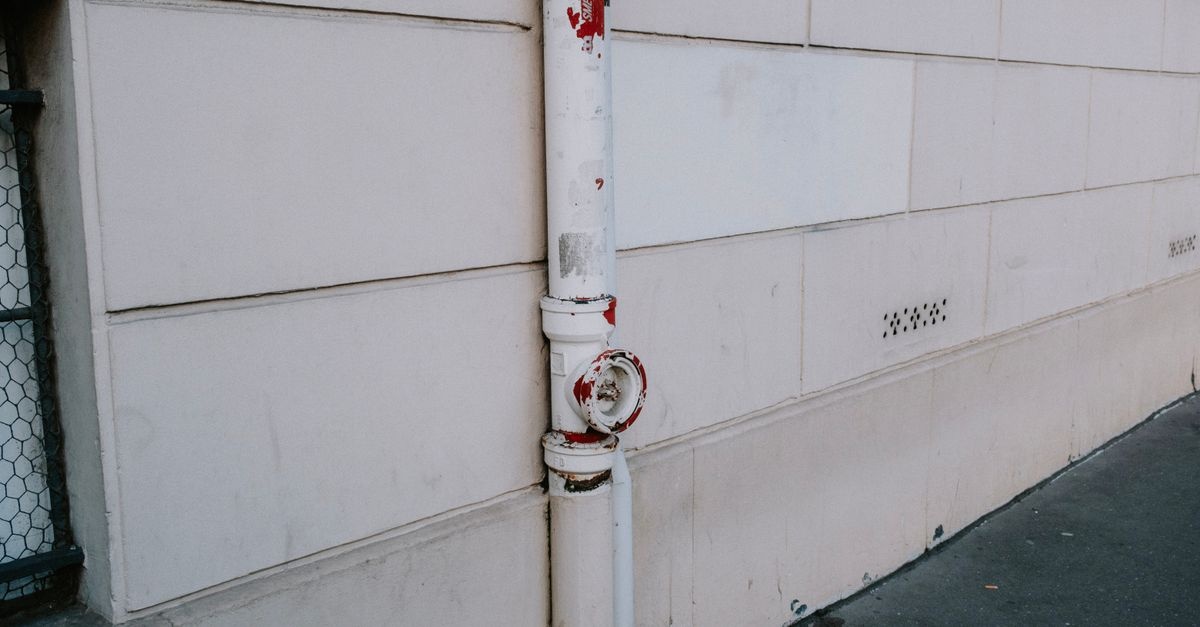
From Drips to Done: A Weekend DIY Guide to Replacing a PVC Downpipe
From Drips to Done: A Weekend DIY Guide to Replacing a PVC Downpipe
If you’re tired of rainwater streaks on your walls, damp patches near the foundation, or the steady tap-tap of a leaky downspout, it may be time to refresh your rainwater system. This step-by-step, weekend-ready tutorial shows you how to replace a PVC downpipe safely and cleanly, from planning and measurement to cutting, solvent-welding (or push-fitting), clipping, and testing. Along the way, you’ll also find planning tips, tool checklists, and troubleshooting advice to keep the job on track and leak-free.
Whether your gutter outlet has shifted, your uPVC downpipe is brittle from UV, or you’re converting from old cast iron to modern PVC, you’ll find everything you need here to finish with confidence. By the end, you’ll know how to swap a rainwater pipe without guesswork—and how to keep it performing for years.
What This Guide Covers
- Planning, sizing, and choosing components
- Safe removal of an old downpipe (PVC/uPVC or cast-iron conversion)
- Dry-fitting, cutting, priming, solvent-welding, and push-fit tips
- Correct clip spacing, offsets, and alignment
- Sealing, testing, and ongoing maintenance
- Common pitfalls and how to avoid them
Why Replace a Downpipe?
Downpipes take a beating. Intense sun, freeze-thaw cycles, wind, and debris all wear on plastic. Over time you may notice:
- Cracks or splits where elbows meet straight runs
- Weeping joints or brown/green streaks on the wall
- Loose clips, misalignment, or banging in high winds
- Blockages that cause gutter overflows
Replacing a tired downspout improves drainage, prevents damp near foundations, and refreshes curb appeal. It’s also a good time to add a rodding eye for easier cleaning, a leaf guard at the gutter outlet, or to re-route the pipe for a better drop into the gully or soakaway.
Safety First: Prep for a No-Drama Weekend
Most of this project is straightforward, but ladder work and cutting plastic require care. Set yourself up for success:
- Two-person rule: Have a helper steady the ladder and pass tools.
- Ladder safety: Firm, level ground; 4:1 angle; extend three rungs above your working point; tie off where possible.
- PPE: Safety glasses, gloves, and hearing protection if you use a power saw.
- Weather window: Pick a dry weekend without high winds; avoid solvent welding in rain.
- Ground protection: Place a tarp or plywood to protect paving and catch offcuts.
- Utility awareness: Be mindful of cables or conduits fixed to the wall.
Also consider local rules: In some regions, tying rainwater into a combined sewer, or discharging onto a neighbour’s property, is prohibited. If you’re redirecting the outlet or adding a branch, check building codes first.
Know Your Parts: Anatomy of a PVC Downpipe
Before buying materials, understand the system’s building blocks. Most modern domestic setups use 68 mm round or 65 mm square uPVC, with compatible elbows and clips. Common components include:
- Gutter outlet: The fitting on the gutter that funnels water into the pipe.
- Offsets/elbows: Usually 112.5° and 92.5° to bring the pipe flush to the wall beneath the fascia/soffit.
- Straight lengths: 2 m to 4 m sections you cut to suit.
- Connectors/couplers: For joining two straight lengths.
- Branch/Y-piece: To combine two downpipes (use sparingly; may need code approval).
- Rodding eye/inspection port: For future cleaning access near ground level.
- Shoe: Turns the flow out into a gully, grate, or soakaway.
- Clips/straps: Fix the pipe to the wall (choose the correct profile: round or square).
- Adaptors: Transition from cast iron or larger diameters to standard PVC.
Two joining systems dominate:
- Push-fit: Uses rubber gaskets. Faster, allows movement and easier disassembly. Leave a small expansion gap in the socket.
- Solvent-weld: Uses primer and cement to chemically fuse joints. Strong and permanent; best for pristine, dry conditions.
Either system works well for a weekend DIY—choose based on your comfort and local availability.
Tools and Materials
Tools
- Extension ladder (and stabiliser if available)
- Tape measure and marker
- Spirit level or plumb line
- Hacksaw or fine-tooth saw; mitre box for square cuts
- Deburring tool or utility knife; fine sandpaper (120–240 grit)
- Rags, paper towels, and isopropyl alcohol for cleaning
- Caulking gun and exterior-grade sealant (for wall penetrations if any)
- Drill/driver with masonry bit and screwdriver bits
- Hammer and wall plugs/anchors suitable for your substrate
Materials
- New PVC/uPVC downpipe lengths (match existing profile and colour)
- Elbows (112.5° and/or 92.5°) for the offset
- Couplers/connectors as needed
- Downpipe clips/straps and screws
- Shoe and, optionally, a rodding eye near ground level
- Gutter outlet or adapter if replacing/realigning
- Primer and solvent cement (if solvent-welding) or silicone lubricant (for push-fit gaskets)
- Leaf guard or debris filter (optional but recommended)
Plan the Layout Before You Cut
A half-hour of planning prevents most on-the-day surprises. Start with these steps:
- Map the route: From gutter outlet to discharge point (gully, soakaway, rain barrel, or stormwater connection).
- Check diameters and profiles: Confirm round vs. square and the nominal size for a tight fit.
- Measure offsets: Note the horizontal distance from the outlet centerline to the wall. This informs which elbow combination you need.
- Locate clips: Plan for clips just below each socket/collar and every 1.8–2.0 m down the run. Add one within 150 mm below elbows.
- Expansion allowance: For push-fit, mark insertion depth lines and leave a small gap per manufacturer guidance.
- Discharge height and angle: The shoe should aim cleanly into the gully grid or onto a splash block; avoid splashing against walls.
Use a plumb line or a long level to mark a straight vertical down the wall beneath the outlet. This gives you a reference for clip positions and helps keep the finished pipe perfectly plumb.
How to Remove the Old Downpipe
Start at the top and work your way down to stay in control.
- Protect the area: Lay a tarp. If you have a rain barrel or decorative planter below, move it aside.
- Disconnect from the outlet: If it’s a push-fit elbow, gently twist and pull. For solvent-welded joints, you’ll likely need to cut below the elbow with a straight, square cut.
- Release clips: Unscrew the top clip while your helper supports the pipe. Continue down, removing one clip at a time.
- Separate sections: For push-fit couplers, twist to break the seal and slide apart. For welded joints, cut and remove in manageable lengths.
- Cap or protect the drain: Prevent sawdust and debris falling into the gully or soakaway; a rag or temporary cover works.
- Remove anchors and clean the wall: Pull old plugs, patch if needed, and brush off dirt to give new clips a solid seat.
Converting from cast iron? Wear gloves and eye protection; cast sections are heavy and brittle. Support the length in two places, loosen brackets, then lower with a helper. Fit a suitable cast-iron-to-PVC adapter at the connection point, following manufacturer torque/seal instructions.
Dry-Fit the New Assembly
Before committing with glue or final clip positions, dry-fit the entire run:
- Offer up the top elbow(s): Check that the offset brings the pipe flush with the wall, aligned with your plumb line.
- Measure straight sections: Hold sections in place and mark cut lengths. Include insertion depths for sockets/couplers in your measurements.
- Mark clip points: One clip just below the top elbow, then every 1.8–2.0 m, plus one near the shoe or rodding eye.
- Check the discharge: Ensure the shoe lands squarely over the gully or onto the splash block, not on soil or paving joints.
Stand back and eyeball the vertical; a small misalignment is obvious once installed. Now is the time to adjust.
Cut, Deburr, and Prepare
- Square cuts: Use a mitre box or wrap masking tape around the pipe as a guide for a straight cut with a fine-tooth saw.
- Deburr: Remove burrs and create a small chamfer on the outside edge with a deburring tool or sandpaper. This helps gaskets and improves solvent-weld penetration.
- Clean: Wipe mating surfaces with a lint-free rag and isopropyl alcohol to remove dust and oils.
Good prep is 80% of a leak-free joint. Don’t rush this stage.
Solvent-Weld vs. Push-Fit: Making the Joints
Solvent-Weld Method
- Dry-fit check: Confirm orientations and marks.
- Prime: Apply cleaner/primer to both spigot and socket where specified; let it flash off.
- Cement: Apply an even, continuous coat inside the socket and a thin coat on the spigot.
- Assemble with a twist: Push fully home while twisting a quarter turn to spread cement, align to your marks, and hold for 20–30 seconds.
- Wipe excess: Remove squeeze-out with a rag. Allow the recommended cure time before full water load.
Push-Fit Method
- Lubricate lightly: A smear of silicone-safe lubricant on the spigot helps protect the gasket.
- Mark insertion depth: So you don’t over-insert; leave the expansion gap per the manufacturer’s spec.
- Assemble straight: Avoid nicking the gasket; push home until your depth mark meets the socket edge.
- Check alignment: Ensure elbows and offsets face the correct direction before fixing clips.
Both methods can deliver a durable, watertight system. Solvent-weld is permanent; push-fit is more forgiving for DIY adjustments.
Fixing to the Wall: Clips and Alignment
With joints made (or partially dry-fitted for push-fit), fix the pipe securely:
- Pilot holes: Drill for wall plugs appropriate to the masonry. Vacuum or brush dust to improve holding strength.
- Clip spacing: Place a clip just below each elbow/socket and then at intervals of 1.8–2.0 m. Add extra support on exposed, windy elevations.
- Plumb check: Use a long level or plumb line as you tighten screws to keep the run straight.
- Thermal movement (push-fit): Don’t clamp so tightly that the pipe can’t slide slightly.
Re-check the shoe position over the gully. If needed, shim the clip behind with a plastic spacer to fine-tune the bottom alignment.
Connect the Discharge Point
Your finish at ground level depends on your setup:
- Open gully or drain grate: Aim the shoe 25–50 mm above the grate. Don’t jam it into the grid; maintain airflow and easy removal.
- Soakaway/splash block: Land the shoe on a solid splash block sloped away from the wall. Avoid discharging onto soil that can erode.
- Rain barrel: Use a diverter kit with an overflow back to the downpipe for heavy rain events.
- Sealed stormwater connection: Fit a rodding eye just upstream for maintenance and ensure any trapped gullies remain serviceable.
If the pipe penetrates a wall, apply exterior-grade sealant around the sleeve, not the pipe itself, to allow movement and prevent capillary ingress.
Test and Tune
Once fixed, test for leaks and alignment:
- Hose test: Run water into the gutter (not directly into the pipe) to simulate rainfall and check the outlet and first elbow.
- Joint inspection: Look and feel for dampness at couplers and elbows.
- Discharge check: Confirm a clean hit into the gully without splashing back onto brickwork.
- Tighten/adjust as needed: Slightly loosen a clip to nudge alignment, then retighten.
For solvent-weld systems, wait until full cure before a prolonged heavy-water test; for push-fit, check that your expansion marks still align.
Detailed Step-by-Step: How to Replace a PVC Downpipe (Start to Finish)
- Assess the existing system: Note the outlet type, pipe profile, and any special adapters. Photograph joints to replicate orientation later.
- Shop smart: Buy two extra couplers and one extra elbow for contingency. Match colour for a uniform look.
- Remove the old pipe: Start at the top, working down. Protect the drain from debris.
- Dry-fit the new layout: Assemble elbows and straight sections without glue to confirm lengths and clip positions.
- Mark and cut: Use square, clean cuts; deburr and chamfer edges.
- Join components: Solvent-weld or push-fit per manufacturer instructions. Wipe excess cement if used.
- Fix to the wall: Install clips below sockets/elbows and at intervals down the run; keep everything plumb.
- Finish the discharge: Fit the shoe or connection to the gully/soakaway/rain barrel.
- Test for leaks: Hose test and adjust as needed.
- Clean up and maintain: Fit a leaf guard and add the job to your annual maintenance checklist.
Common Mistakes and How to Avoid Them
- Skipping the dry-fit: Leads to misaligned elbows and awkward clip positions.
- Rough or angled cuts: Cause poor sealing and gasket damage; always deburr and chamfer.
- Over-tight clips: For push-fit systems, this can prevent expansion and cause creaks or joint creep.
- Insufficient clips: Sagging or rattling in wind; follow spacing recommendations.
- Forgetting expansion gaps: Thermal stress may open joints or distort pipes.
- Pouring cement into wet/dirty sockets: Weak bonds and future leaks—keep surfaces clean and dry.
- Poor discharge alignment: Splashback stains and frost hazards; aim cleanly into the gully.
Troubleshooting After Installation
- Drip at a push-fit joint: Remove, inspect the gasket for nicks, clean, re-lube, and reassemble to the correct depth mark.
- Weeping solvent-weld joint: If minor, monitor; otherwise, cut out and replace with a new coupler. Avoid re-gluing over cured cement.
- Banging in wind: Add a mid-span clip, or use anti-rattle pads behind the pipe on exposed walls.
- Overflow at gutter: The issue may be in the gutter fall or outlet screen; clear debris and check the gutter gradient.
- Frequent blockages: Add a rodding eye near the base and a leaf guard at the outlet; consider a slightly larger profile if roof area is large.
Special Scenarios and Pro Tips
Converting from Cast Iron to PVC
- Support weight: Old iron can be heavy; use two ladders and a helper.
- Adapter choice: Use a dedicated cast-to-PVC adapter or a flexible rubber coupling with stainless bands (where permitted).
- Wall scars: After removing iron brackets, fill holes and touch up masonry for a clean finish before fixing new clips.
Merging Two Downpipes
- Hydraulic load: Combining flows may exceed capacity; size up or keep runs separate if possible.
- Branch angle: Use a Y-branch to smooth flow; avoid sharp tee junctions.
- Code check: Some jurisdictions restrict combining lines—verify before you glue.
Cold Climate Considerations
- Avoid traps: Don’t create low points that collect water and freeze.
- Clip material: Choose UV- and frost-resistant clips; brittle plastic can crack in winter.
Leaf and Debris Management
- Leaf guard at outlet: Reduces blockages without sealing the system.
- Rodding eye near base: A small investment that saves hours of future hassle.
Cost, Time, and Skill Level
- Time: 3–6 hours for a typical two-story run, including removal and testing.
- Cost: Moderate. Expect to buy 2–4 m of pipe, 2–4 elbows, 2–4 clips, a shoe, and consumables (cement/primer or lube). Buying a spare coupler is cheap insurance.
- Skill: Beginner to intermediate DIY. Accurate measuring and neat cutting are the keys.
Maintenance: Keep It Flowing
A fresh install will last longer with a little attention. Add this quick checklist to your seasonal routine:
- Spring/Autumn: Clear leaves from the gutter and outlet; flush with a hose.
- After storms: Inspect clips and joints for movement; retighten if needed.
- Annual: Confirm the shoe still directs water properly; check for settling around the gully.
- Every few years: Clean the pipe exterior with mild soap to remove algae stains.
Quick Reference: Materials Checklist
- PVC/uPVC pipe lengths (match profile/size)
- 2x elbows for offsets (112.5° and/or 92.5°)
- Clips/straps and suitable fixings
- Couplers/connectors
- Shoe; optional rodding eye
- Primer and solvent cement or push-fit gaskets/lube
- Leaf guard for gutter outlet
Glossary
- Downpipe/Downspout: Vertical pipe carrying rainwater from gutter to drain/ground.
- Offset: Pair of elbows used to bring the pipe back to the wall from the gutter outlet.
- Rodding eye: Access fitting for drain rods or cleaning tools.
- Push-fit: Mechanical seal using a rubber gasket.
- Solvent-weld: Chemical fusion of plastic components using primer and cement.
Frequently Asked Questions
Do I need to replace the gutter outlet too?
Not always. If the outlet is sound and matches your new pipe profile, reuse it. Replace if cracked, warped, or if you’re switching from square to round (or vice versa).
What diameter should I use?
Match the existing system: 68 mm round or 65 mm square are common for homes. Larger roofs or combined runs may require a bigger size—check manufacturer flow charts if in doubt.
Is solvent-weld stronger than push-fit?
Yes, generally. Solvent-weld makes a permanent, rigid joint best for clean, dry conditions. Push-fit is simpler and serviceable, ideal for DIY and areas subject to movement.
Can I paint uPVC?
Yes, but use a plastic-compatible primer and exterior paint. Factory-coloured uPVC usually needs only cleaning; painting is optional for colour matching.
How often should I service the system?
Inspect after major storms and at least twice a year during leaf season. A leaf guard and rodding eye reduce maintenance time.
Wrapping Up: From Drips to Done
With smart planning, safe ladder work, and careful joints, replacing a rainwater pipe is a satisfying weekend win. You’ve learned how to replace a PVC downpipe without fuss: measure precisely, dry-fit everything, make clean cuts, and secure clips at proper intervals. Finish with a thorough test and a simple maintenance routine, and your gutters and downspout will channel storms away from your home for years to come.
If your project involves unusual adapters, multiple branches, or code-sensitive stormwater connections, don’t hesitate to consult a local pro. Otherwise, enjoy your neat new installation—and the welcome silence of water going exactly where it should.
Key Takeaways at a Glance
- Plan first: Measure offsets, confirm profiles, and mark clip positions.
- Cut cleanly: Square cuts, deburr, and chamfer for reliable seals.
- Join right: Solvent-weld for permanence; push-fit for flexibility.
- Fix securely: Clip below sockets/elbows and every 1.8–2.0 m.
- Test thoroughly: Hose test at the gutter and check every joint.
Ready for the Weekend?
Gather your tools, pick a dry day, and turn that leaky, tired pipe into a clean, plumb, and dependable rainwater path. From drips to done—your home (and foundation) will thank you.