From Cloudy to Crystal: Easy Home Hacks for Streak-Free Glass
When sunlight hits a pane and reveals ghostly lines, smudges, and haze, it can feel like you cleaned for nothing. The good news is that sparkling, streak-free glass is not a mystery. With a few smart tools, better timing, and reliable DIY formulas, you can get professional results in minutes. In this guide, we share home methods for removing glass streaks without fuss, explain why smears happen in the first place, and give you step-by-step playbooks for every surface from bathroom mirrors to windshields.
Whether you prefer an eco-friendly spray you can mix in 30 seconds or the classic squeegee routine, you will find simple methods that fit your time, budget, and space. Let us turn dull and cloudy into crystal clear.
Why Streaks Happen: The Science of Smears
Streaks are not random. Understanding what causes haze and lines makes it easier to fix them for good.
- Mineral residue: Tap water can contain calcium and magnesium that dry as visible spots and faint lines. Hard water is especially streak-prone.
- Soaps and surfactants: Using too much dish soap or a cleaner that is not fully wiped off leaves a thin film that catches the light as streaks.
- Oils and waxes: Fingerprints, cooking grease, hair spray, and silicone sealants create smears that need a degreasing step.
- Lint and paper fibers: Paper towels and fluffy cloths shed fibers that stick to damp glass and show up as streaks once dry.
- Heat and sunlight: Cleaning hot glass in direct sun makes cleaner evaporate too fast, leaving marks behind.
- Dirty tools: Reusing a greasy rag or a squeegee blade with nicks spreads residue in thin, telltale lines.
Luckily, every cause has a fix: choose the right liquid, the right cloth, the right water, and the right time of day.
The Golden Rules for Streak-Free Results
Choose the Right Tools
- Microfiber glass towels: Choose flat-weave or waffle-weave microfiber that is low lint and tightly woven. Reserve them only for glass, and wash without fabric softener.
- Squeegee: A clean, sharp rubber edge is your best friend for large panes, shower doors, and car glass.
- Two-cloth method: One damp cloth for cleaning, one dry cloth for buffing. This prevents re-depositing cleaner.
- Spray bottle with fine mist: A light, even mist reduces drips and over-wetting.
- Detailing tools: Cotton swabs or a folded corner of microfiber for edges, corners, and around hardware.
Water Quality Matters
If you mix your own cleaner, use distilled water instead of tap. It removes a hidden source of streaks: dissolved minerals that dry on the surface. When rinsing shower doors or car glass, a final pass with distilled water also helps prevent new spots.
Timing and Technique
- Avoid direct sun and hot glass: Work when glass is cool to slow evaporation.
- Less is more: Over-application is the fastest path to streaks. Use a light mist and add more only if needed.
- S-pattern or top-to-bottom: Wipe in overlapping passes, finishing with vertical strokes on one side and horizontal on the other. If you see a streak, you will know which side needs a re-wipe.
- Dry edges last: Run a dry cloth or squeegee along the frame edges to prevent drips from creeping back across clean glass.
Home methods for removing glass streaks: 7 proven DIY solutions
These home methods for removing glass streaks rely on pantry staples and pro wisdom. Each recipe includes exact ratios and best uses.
1. Classic Vinegar and Water
Best for: Everyday fingerprints, mild haze on windows and mirrors.
- Recipe: 1 part white vinegar to 1 part distilled water. Optional: 1 drop of unscented dish soap per cup to cut grease.
- How it works: The acetic acid in vinegar dissolves mineral residue and evaporates cleanly, reducing streaks.
- Method: Mist glass lightly, wipe with a flat-weave microfiber using overlapping passes, then buff dry with a second, clean towel.
Pro tip: If you smell vinegar strongly after wiping, you used too much. A barely-there mist is ideal.
2. Alcohol-Boosted Glass Spray
Best for: Greasy fingerprints, bathroom mirrors with toothpaste splatter, cooktop backsplashes with aerosol overspray.
- Recipe: 1 cup distilled water, 1 cup isopropyl alcohol (70 to 91 percent), 1 to 2 drops dish soap.
- How it works: Alcohol speeds evaporation and dissolves oils; the tiny bit of surfactant lifts grime so you can wipe it off cleanly.
- Method: Spray lightly, wipe in an S-pattern with microfiber, then buff dry. For thick grease, let the spray dwell for 30 seconds before wiping.
Safety: Keep away from open flame. Ventilate well.
3. Soap and Squeegee Routine
Best for: Large windows, patio doors, and shower glass.
- Recipe: In a bucket, mix 1 to 2 gallons of warm water with 2 to 3 drops of dish soap. That is plenty.
- Method: Apply with a sponge or t-bar, scrub lightly, then squeegee top to bottom in overlapping strokes. Wipe the squeegee blade with a clean cloth after each pass. Detail edges with a dry microfiber.
Why it is streak-free: The squeegee removes nearly all liquid in one pass, leaving nothing behind to dry as streaks.
4. Baking Soda Spot Treatment
Best for: Mineral rings, stubborn water spots, and soap scum build-up.
- Recipe: Make a loose paste with 3 parts baking soda and 1 part water or vinegar.
- Method: Dab onto spots with a soft, damp cloth. Lightly massage in circles for 15 to 30 seconds. Rinse thoroughly, then finish with a vinegar-water or alcohol spray and buff dry.
Note: Baking soda is mildly abrasive. Use a gentle touch, especially on specialty coatings like low-e or anti-glare glass.
5. Cornstarch Polish
Best for: Ultra-clear finish on mirrors and interior windows.
- Recipe: 2 cups warm distilled water, 1 tablespoon white vinegar, 1 tablespoon isopropyl alcohol, and 1 teaspoon cornstarch. Shake vigorously before each use.
- How it works: Cornstarch acts as a micro-fine polishing agent that reduces drag and haze, delivering a crisp finish.
- Method: Mist sparingly, wipe with microfiber, then buff with a second towel until squeaky.
6. Hydrogen Peroxide Pre-Clean
Best for: Toothpaste, makeup, or bio-based smudges on bathroom mirrors and shower doors.
- Method: Lightly mist 3 percent hydrogen peroxide onto spots, let sit for 30 to 60 seconds, wipe, then finish with your preferred glass cleaner. Buff dry.
Why it helps: It breaks down organic residues so your final cleaner wipes truly clean, not smeared.
7. Lemon and Salt De-Scale
Best for: Hard water scale at the edges of shower glass.
- Method: Cut a lemon in half, dip the cut side in fine salt, and gently rub only over crusty scale. Rinse, then finish with a vinegar spray and squeegee.
Warning: Avoid rubbing salt across clean, scratch-prone areas; keep it localized to encrusted scale only.
Step-by-Step Playbooks for Every Glass Surface
Windows (Interior)
- Dust first: Use a dry microfiber or duster to remove cobwebs and loose grit from frames and sills.
- Pre-clean sticky spots: Use alcohol spray on fingerprints, tape residue, or grease splatters. Wipe clean.
- Lightly mist the pane: Use vinegar-water, alcohol spray, or cornstarch polish, depending on preference.
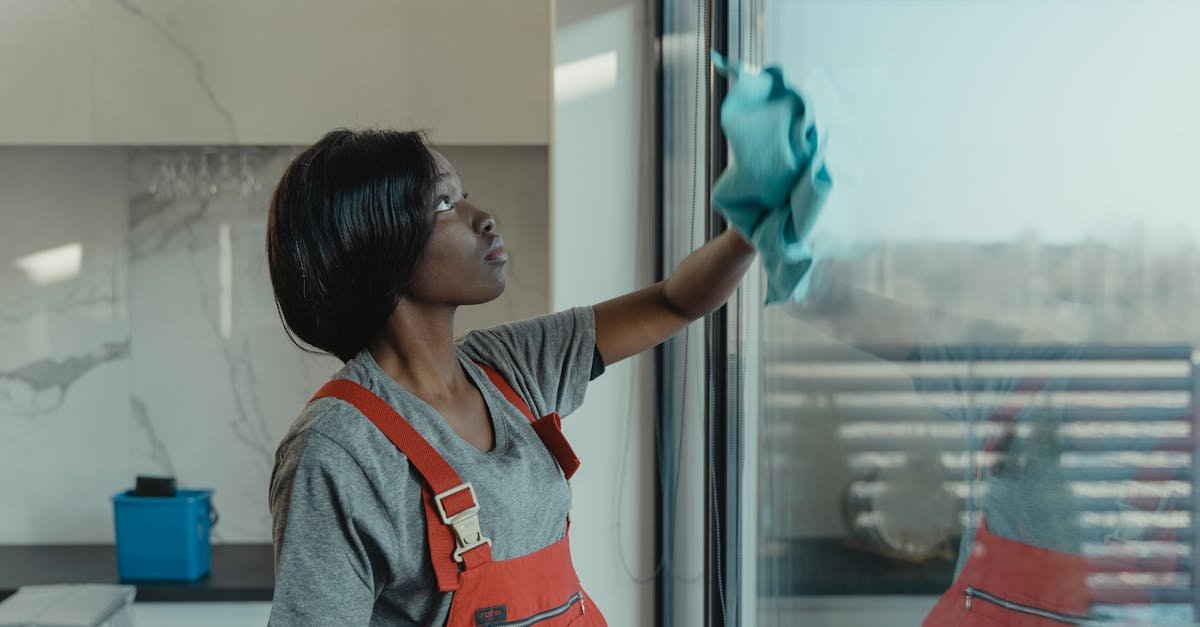
- Wipe methodically: Start at the top left, work across in overlapping S-patterns. Flip or refold cloth as it loads up.
- Buff and edge-dry: With a second dry microfiber, buff to a shine and run the cloth along the perimeter.
Check both sides: If a streak persists, view the window from different angles. Horizontal final strokes on the inside and vertical on the outside help diagnose which side needs attention.
Windows (Exterior)
- Rinse: Hose off dust and grit if possible.
- Soapy scrub: Use the soap and squeegee routine. Apply solution with a mop or sponge.
- Squeegee: Start at the top corner, pull straight down. Overlap each pass by about an inch. Wipe the blade between passes.
- Detail: Dry edges and sills with a microfiber.
Hard water alert: In mineral-heavy areas, finish with a quick mist of vinegar-water and a buff to remove faint rings.
Mirrors
- Targeted degrease: Use alcohol spray on toothpaste flecks and oils. Wipe clean.
- Lean cleaner usage: Mist one or two sprays onto a microfiber, not the mirror, to avoid drips behind the glass.
- Wipe and buff: Use light pressure and long strokes. Switch to a dry towel to buff until squeaky.
Anti-fog bonus: After cleaning, a tiny dab of shaving cream buffed out completely can reduce fog buildup. Test a small area first.
Shower Doors
- De-scale first: Use baking soda paste or lemon-salt on thick deposits. Rinse well.
- Soap and squeegee: Wash the whole panel with soapy water, then squeegee methodically.
- Final polish: Mist vinegar-water lightly and buff with a dry microfiber for sparkle.
- Daily habit: Keep a squeegee in the shower and do a 20-second pull-down after each use to prevent new spots.
Car Windows and Windshields
- Shade only: Park out of direct sun so cleaner does not flash-dry.
- Inside glass film: Use an alcohol-boosted spray to cut plasticizer film and smoker haze.
- Two-towel technique: Wipe with a damp microfiber, then immediately buff with a dry one. Use a reach tool for the lower windshield corners.
- Final check: Turn seats to see from multiple angles; buff any stubborn trails.
Ammonia caution: Do not use ammonia on aftermarket window tints or certain factory coatings. Alcohol or vinegar solutions are safer.
Troubleshooting Stubborn Streaks and Haze
- Persistent lines after squeegee: The blade may be nicked or dirty. Wipe it frequently and replace if worn.
- Greasy smears that reappear: Add a degreasing step with alcohol spray or a drop of dish soap. Rinse or wipe until squeaky.
- Milky film that will not buff out: It could be mineral residue. Switch to distilled water-based cleaners and finish with a vinegar pass.
- Lint trails: Change to flat-weave glass microfiber. Avoid paper towels and old cotton t-shirts that shed.
- Shadowy streaks in bright sun only: Clean the glass again when cool. Hot glass traps cleaner in micro-dried patches.
If your usual approach is not working, rotate to another of the home methods for removing glass streaks above. Often, pairing a degreasing pre-wipe with a fast-evaporating polish does the trick.
Drying and Detailing Like a Pro
- Edge control: After each section, run a dry towel around the perimeter to catch sneaky drips.
- Buff until squeaky: Glass that squeaks under light pressure is residue-free.
- Use fresh towel faces: Fold your microfiber into quarters and rotate to a clean side as you work.
- Spot-check at angles: Step to the side and view glass in raking light to catch faint haze.
Preventive Habits for Long-Lasting Clarity
- Weekly quick wipe: A 2-minute pass with a microfiber and a light mist keeps glass from ever getting gummy.
- Post-shower squeegee: The simplest habit for spotless shower doors.
- Use distilled water for mixes: No minerals, fewer streaks.
- Mind aerosols: Hair spray and cleaners near mirrors cause film. Spray away from glass.
- Softened water or filters: In hard water zones, a small softener or in-line filter for showers makes a big difference.
Eco-Friendly and Budget-Savvy Tips
- Refill and reuse: Keep a labeled spray bottle and mix fresh in small batches.
- Microfiber care: Wash separately from linty laundry. No fabric softener. Air dry or low heat to preserve absorbency.
- Skip single-use: Paper towels shed and cost more over time. Two dedicated glass towels beat a roll of paper any day.
- Natural acids: Vinegar and lemon handle minerals and light soap scum while being gentle on most finishes.
Myths Busted
- Newspaper is best: Modern inks and coatings can transfer. Microfiber is more consistent and truly lint-free.
- More soap cleans better: Extra surfactant equals more residue and streaks. Use the tiniest amount necessary.
- Clean in bright sun for visibility: Sun bakes cleaner too fast. Work in shade or on cool glass.
- All glass is the same: Tinted, coated, or anti-fog glass may need gentler formulas. When in doubt, test a small corner.
Quick Recipe Card
- Vinegar Glass Spray: 1 part white vinegar + 1 part distilled water
- Alcohol Degreaser: 1 cup distilled water + 1 cup isopropyl alcohol + 1 to 2 drops dish soap
- Cornstarch Polish: 2 cups warm distilled water + 1 tbsp vinegar + 1 tbsp alcohol + 1 tsp cornstarch
- Soapy Bucket: 1 to 2 gallons warm water + 2 to 3 drops dish soap
- Baking Soda Paste: 3 parts baking soda + 1 part water or vinegar (spot-treat only)
FAQ: Your Top Questions Answered
What is the fastest way to clean a large window without streaks?
Use the soap and squeegee routine. Apply minimal soapy water, squeegee in overlapping passes, wipe the blade between pulls, and dry the edges. It is both fast and consistently streak-free.
Why do my mirrors streak even with glass cleaner?
Two common issues: too much product and a linty cloth. Use a light mist on the cloth instead of the mirror, switch to a flat-weave microfiber, and finish with a dry towel buff.
Can I use vinegar on all glass?
Vinegar is safe on most plain glass and is ideal for mineral spots. Avoid or test first on specialty coatings such as anti-glare, certain tints, or stone frames and seals that may be sensitive to acid.
How do I remove hard water spots that keep coming back?
Remove deposits with baking soda or a lemon-salt rub, then switch to distilled water for final rinses and adopt preventive habits like a post-shower squeegee. Consider a water softener or shower filter.
Is rubbing alcohol safe for tinted car windows?
Plain alcohol solutions are generally safer than ammonia for tints, but always check the tint manufacturer guidance and test a small area.
Why do streaks appear only when sunlight hits?
Residues are nearly invisible until lit at a sharp angle. Clean again when glass is cool, use less product, and buff thoroughly with a dry microfiber.
How often should I clean windows and mirrors?
Light-touch weekly wipes keep glass pristine with minimal effort. Deep cleaning every one to three months, depending on traffic and climate, is usually enough.
What is the best cloth for glass?
A tightly woven, low-lint microfiber labeled for glass. Keep a set dedicated only to glass and wash without fabric softeners.
Safety and Care Notes
- Never mix chemicals: Especially avoid combining bleach with ammonia or acids.
- Ventilation: Alcohol-based cleaners evaporate fast and should be used in well-ventilated spaces.
- Label bottles: Mark your DIY sprays clearly. Keep away from children and pets.
- Spot test first: For coated or specialty glass and adjacent surfaces like stone or wood, test a discreet area.
Putting It All Together: A Simple, Reliable Routine
For most households, a two-step routine covers nearly every scenario:
- Degrease if needed: A quick alcohol spritz on fingerprints, aerosols, or toothpaste spots.
- Final clean: Vinegar-water or cornstarch polish applied sparingly, wiped with flat-weave microfiber, and buffed dry.
This compact approach leverages the best of the home methods for removing glass streaks: cut oils first, then polish to a shine with a low-residue formula.
Common Mistakes to Avoid
- Over-spraying: More liquid equals more smearing and more buffing. Use a fine mist.
- Dirty cloths: Residual detergent or softener contaminates your wipe. Rinse cloths thoroughly and air dry.
- Ignoring edges: Perimeter drips crawl back and leave tracks. Always dry frames and sills.
- Rushing on hot panes: Wait for shade for consistent, streak-free results.
When DIY Is Not Enough
If etching, scratches, or deep-scale staining persists even after careful cleaning, the glass may be physically damaged or coated with deposits that require professional restoration. In those cases, a glass-safe polishing compound or a specialist can restore clarity.
Final Thoughts
Crystal-clear glass is the sum of small, smart choices: the right cloth, a gentle formula, cool timing, and a tidy finish. Rotate between vinegar, alcohol, and squeegee methods as needed, and keep tools clean. With these home methods for removing glass streaks, every pane in your home or car can go from cloudy to crystal in a few easy, satisfying steps.