Grow More Geraniums Fast: A Foolproof Water-Rooting Guide
Grow More Geraniums Fast: A Foolproof Water-Rooting Guide
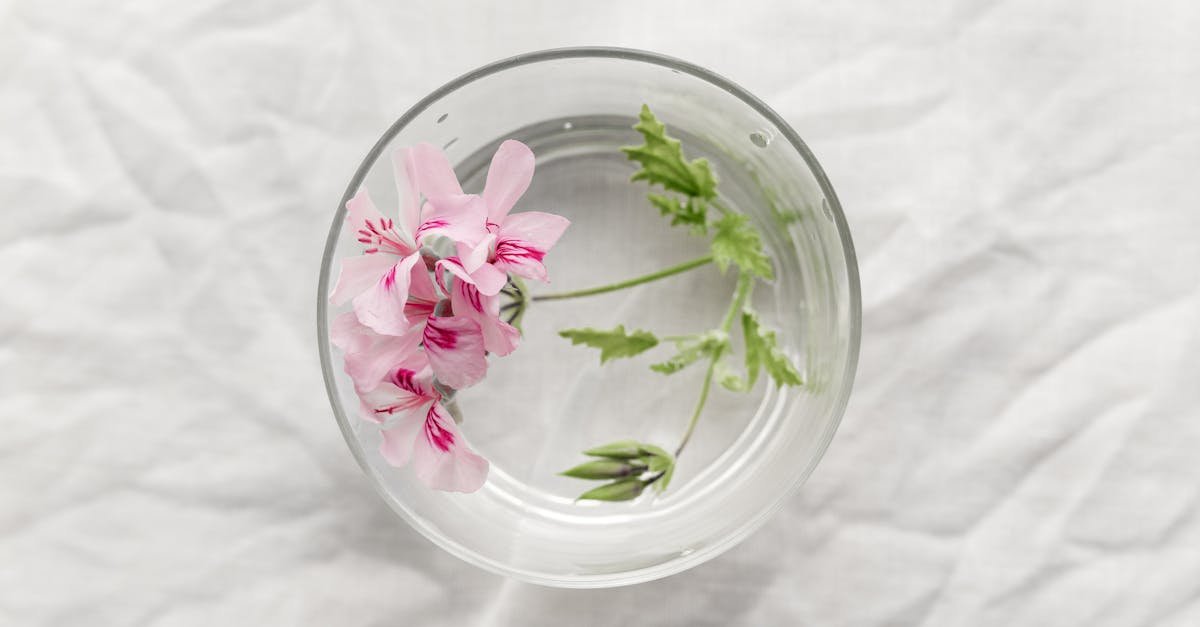
Want instant garden abundance without buying more plants? Water-rooting geranium cuttings is one of the simplest, cleanest, and most beginner-friendly ways to clone your best performers. In this in-depth guide, you'll discover how to propagate geraniums in water step-by-step, what tools you really need, how to spot healthy root growth, and when to pot up for thriving, bushy plants that bloom for months.
Whether you love zonal types with bold leaf markings, trailing ivy geraniums for baskets, or richly perfumed scented-leaf varieties, you can multiply them in a matter of weeks—right on your windowsill. Let's turn one beautiful geranium into many.
Why Choose Water-Rooting for Geraniums?
Soil propagation works well, but water-rooting adds several advantages that make it ideal for beginners and seasoned growers alike:
- Instant visibility: Watch roots form in real-time so you can react quickly if anything goes wrong.
- Lower mess factor: No trays of damp soil indoors, making this method perfect for small spaces.
- Fast results: In warm, bright conditions, many geranium cuttings show roots in 7–14 days.
- Easier troubleshooting: See rot, algae, or water cloudiness early and fix issues before you lose a cutting.
- Great for kids and classrooms: Transparent jars turn propagation into a living science project.
While some gardeners insist these plants root best in potting mix, water works remarkably well when you follow best practices—and it's incredibly satisfying.
Meet Your Plant: Geraniums vs. Pelargoniums
In garden centers, "geranium" usually refers to Pelargonium—sun-loving, summer-blooming plants often used in containers and bedding. True geraniums (Geranium spp.) are hardy perennials, also called cranesbills. Both can root in water, but this guide focuses on Pelargonium types commonly grown as annuals or houseplants:
- Zonal geraniums (leaf bands; upright habit)
- Ivy geraniums (trailing stems; glossy leaves; perfect for baskets)
- Regal/Martha Washington (spectacular blooms; prefer cooler temps)
- Scented-leaf geraniums (aromatic foliage; culinary/craft uses)
Best Time to Start
Although you can learn how to propagate geraniums in water year-round indoors, you'll get the fastest rooting in late spring to mid-summer when plants are actively growing. If you're starting in fall or winter, add bright supplemental light and keep temperatures steady to avoid sluggish root development.
Tools and Materials You'll Need
- Sharp, clean pruners or scissors (disinfect with 70% isopropyl alcohol)
- Clear glass jar or small vase (or tinted to reduce algae)
- Room-temperature water (filtered or rested tap water is ideal)
- Labels (variety and date)
- Optional: rooting hormone gel, cinnamon, hydrogen peroxide (3%), grow light
Pro tip: If your tap water is heavily chlorinated, let it sit out for 24 hours or use filtered water. This slightly improves microbial balance and can prevent tip blackening.
Step-by-Step: How to Propagate Geraniums in Water
1) Choose the Right Donor Plant
Select a healthy, pest-free plant with sturdy new growth. Avoid stems with visible disease, wilting, or severe nutrient stress. For the quickest results, target a non-flowering stem—flowers and buds divert energy away from rooting.
2) Take Your Cuttings
- Length: 4–6 inches (10–15 cm) is ideal.
- Nodes: Ensure at least 2–3 leaf nodes (the slightly swollen joints on the stem).
- Cut: Make a clean, angled snip just below a node. The lowest node will sit above the waterline or just barely submerged.
Remove all flowers and buds. If you want to keep the blooms, root a different stem—rooting success is best when the cutting focuses on roots over display.
3) Prepare the Cutting
- Strip lower leaves: Remove leaves that would sit in water to prevent rot.
- Leave 2–3 top leaves: Enough to photosynthesize, not so many that they stress the cutting.
- Optional dusting: A light dab of cinnamon on the cut end can discourage fungi. Rooting hormone is optional in water and may wash away quickly, but gels can help some varieties.
Avoid crushing the stem. Keep cuts precise and clean; ragged tissue decays faster.
4) Set Up the Water Jar
- Fill a jar with room-temperature water.
- Position the cutting so only the bottom node (or two) is submerged.
- Keep leaves fully above the waterline to avoid mold and rot.
Place the jar in bright, indirect light—an east-facing windowsill or under a grow light works beautifully. Avoid hot, direct midday sun on glass, which can heat the water and stress the cutting.
5) Maintain and Monitor
- Change water every 2–3 days (or sooner if cloudy).
- Add a few drops of 3% hydrogen peroxide per cup of water weekly to limit bacteria and algae.
- Keep temperatures 65–75°F (18–24°C).
- Rotate the jar weekly so the cutting stays upright and grows evenly.
Timeline: A healthy cutting often shows callusing within 3–7 days, tiny white nubs by week two, and usable roots by week three. Ivy types may root a bit faster than regal types.
6) When Roots Appear
Wait until you see several roots at least 1–2 inches (2.5–5 cm) long before potting up. Longer roots look impressive but can tangle and adapt poorly to soil. At this stage, you've mastered the core of how to propagate geraniums in water—the next step locks in long-term success.
The Ideal Environment for Fast, Clean Rooting
- Light: Bright, indirect. If using LEDs, aim for 12–14 hours daily.
- Air: Good circulation prevents fungal growth. Avoid strong drafts.
- Water: Clear, fresh, and oxygenated. Change frequently; avoid fertilizer until roots form.
- Container: Clear to monitor roots, or amber to reduce algae. Rinse jars before each water change.
Advanced tip: Place an aquarium air stone nearby (not necessary, but fun) to gently oxygenate the water and speed rooting.
Rooting Week by Week
Week 1: Callus Stage
The cut end dries slightly and forms a protective callus. Keep water fresh; aim for stability. If the stem end blackens, trim back to healthy green tissue and reset in clean water.
Week 2: Root Primordia
Tiny white nubbins appear at the node. Resist poking or tugging. Keep leaves turgid with consistent light and mild temperatures.
Week 3: Rapid Rooting
Roots elongate quickly. Once a small network forms—several roots 1–2 inches long—it's time to transition to soil so your cutting doesn't become dependent on "water roots" that struggle in potting mix.
Transplanting Rooted Cuttings to Soil
Learning how to propagate geraniums in water is only step one; step two is a gentle handoff to potting mix so the plant can thrive long-term.
Choose the Right Pot and Mix
- Pot size: 3–4 inch (7.5–10 cm) nursery pot with good drainage.
- Soilless mix: Light and airy blend—try 60% high-quality potting mix + 40% perlite or coarse pumice. Avoid heavy garden soil.
Potting Technique
- Pre-moisten the mix so it's evenly damp, not soggy.
- Make a hole deep enough to cradle the water roots without bending them sharply.
- Gently place the cutting, backfill, and firm lightly to eliminate air gaps.
- Water thoroughly until it drains, then let excess moisture run off.
Acclimation tip: For the first week, keep the potted cutting in bright, indirect light and slightly higher humidity (a loose clear cover works, but vent daily). Reduce humidity gradually as new leaf growth appears.
Aftercare: From Cutting to Compact, Blooming Plant
- Light: Move toward 4–6 hours of gentle direct sun (morning sun is perfect) once established.
- Water: Let the top inch of mix dry between waterings. These plants prefer slightly dry conditions to keep roots happy.
- Fertilizer: After 2–3 weeks, feed with a dilute balanced fertilizer (e.g., 10-10-10 at quarter strength) every 2–3 weeks during active growth.
- Pinching: When the plant has 4–5 leaf sets, pinch the tip to encourage branching for a fuller shape.
Common Mistakes and Quick Fixes
Mushy Stems or Foul Smell
Cause: Bacterial rot from leaves submerged in water or infrequent water changes. Fix: Trim to healthy tissue, disinfect scissors, refresh water, submerge fewer nodes, and add 2–3 drops of 3% hydrogen peroxide per cup.
Leaves Yellowing and Dropping
Cause: Shock, low light, or over-warm water. Fix: Increase light, moderate temperature, and ensure only lower nodes touch water.
No Roots After 3–4 Weeks
Cause: Old wood, flowering stems, or not enough light. Fix: Switch to a younger, non-blooming shoot, improve light, and refresh water more often. Consider a gentle heat mat at 70°F (21°C).
Algae in the Jar
Cause: Light + nutrients + time. Fix: Use an amber jar or wrap the lower portion in paper, change water more frequently, and rinse the container before refilling.
Blackened Cut End
Cause: Oxidation or microbial activity. Fix: Recut just above the damage at a node, allow to callus for a few hours, and reset in fresh water.
Scaling Up: Multiply Many Plants at Once
- Batch your steps: Take all cuttings, prep, then place in jars assembly-line style.
- Use narrow-neck bottles: They support stems upright and reduce leaf dip.
- Label clearly: Include variety and date to compare rooting speed.
- Staggered harvest: Start a new batch weekly for a steady supply of rooted babies.
Variety Notes: What Roots Fastest?
- Zonal types: Consistent and fast in water when kept warm and bright.
- Ivy geraniums: Often the quickest to show nubs; handle fragile roots gently.
- Regal/Martha Washington: Root, but can be slower; prioritize cool, bright conditions.
- Scented-leaf: Root well; some (e.g., lemon, rose) are vigorous once potted.
Advanced Tips for Power-Users
- Willow water: A mild, homemade auxin-rich tea from willow twigs may subtly speed root initiation. Use sparingly and keep water fresh.
- Low-dose peroxide: 1 teaspoon 3% H2O2 per quart (1 L) after water changes keeps things crisp and oxygenated.
- Light management: 10,000–15,000 lux is a sweet spot indoors; grow lights remove weather variables.
- Sanitation workflow: Wipe blades between plants; rinse jars with hot water; avoid reusing old, cloudy water.
Frequently Asked Questions
How long does it take to root?
Typically 1–3 weeks for first roots in good conditions, and 3–5 weeks to be ready for potting.
Can I use leaf cuttings?
No. You need a stem with nodes—that's where new roots and shoots form.
Do I need rooting hormone?
Not required for how to propagate geraniums in water, but gel forms can help stubborn varieties. Avoid powders that wash off instantly.
Should I fertilize the water?
Wait until plants are potted. Nutrients in water promote algae and can complicate rooting.
How long can a cutting live in water?
Pot up once roots reach 1–2 inches. Keeping them in water for months creates fragile "water roots" that adapt poorly to soil.
Is it safe for pets?
Geraniums (Pelargonium) are mildly toxic to cats and dogs. Keep cuttings and plants out of reach.
Troubleshooting Checklist
- Cuttings flop or wilt badly: Reduce leaf count, increase humidity slightly, improve light.
- Stems blacken twice: Start over with fresher, younger growth; disinfect tools thoroughly.
- Roots form then stall: Refresh water, improve light, and pot up once roots reach 1–2 inches.
- Algae keeps returning: Shade the jar, shorten water-change intervals, and rinse glass each time.
From Windowsill to Garden: Hardening Off
Once rooted cuttings are potted and pushing fresh leaves, introduce them to outdoor life gradually:
- Days 1–3: Bright shade outdoors for 2–3 hours, then back in.
- Days 4–7: Increase to morning sun; protect from wind and midday heat.
- Week 2: Extend exposure and transition to the plant's final light level.
This step strengthens stems, thickens leaves, and prevents shock when you finally plant them in containers or beds.
Putting It All Together
To recap the essential flow of how to propagate geraniums in water:
- Cut: 4–6 inch non-flowering stem with 2–3 nodes.
- Prep: Strip lower leaves; keep only the top set or two.
- Jar: Submerge just the lowest node; change water every few days.
- Light: Bright and indirect; keep temps 65–75°F.
- Watch: Callus (week 1), nubs (week 2), roots (week 3).
- Pot: When roots are 1–2 inches; use airy mix and gentle aftercare.
Myths vs. Reality
- Myth: "You can't water-root geraniums."
Reality: You can—quickly and cleanly—if you manage light, temperature, and water hygiene. - Myth: "Longer water time makes stronger roots."
Reality: Pot up when roots are 1–2 inches to help them transition to soil. - Myth: "You must use hormone."
Reality: Optional. Plenty of cuttings root fast without it.
Sample Weekly Routine
Use this simple rhythm to stay on track while you master how to propagate geraniums in water without fuss:
- Monday: Refresh water, quick jar rinse, rotate jar.
- Wednesday: Check cut ends; trim if needed; adjust light height.
- Friday: Water change; add a few drops of peroxide; note root progress.
- Sunday: Snap a photo for comparison; label dates on jars.
Optional Enhancements for Faster Success
- Bottom warmth: A gentle heat mat at 70°F (21°C) boosts metabolism and root initiation.
- Reflective backdrop: White card or foil behind the jar increases usable light.
- Clean cuts only: Replace dull pruners; crushed tissue invites decay.
Eco and Budget Benefits
Cloning your plants saves money, reduces plastic pot and tray waste, and preserves heirloom varieties you love. By learning how to propagate geraniums in water, you transform one healthy specimen into a full display—without the checkout line.
Quick Troubleshooting Table (At-a-Glance)
- Cloudy water: Change more often; sterilize jar; add a few peroxide drops.
- Wilting: Reduce leaf load; improve humidity briefly; ensure bright light.
- Slow rooting: Use younger stems; increase light duration; keep temps stable.
- Rot: Recut; remove submerged leaves; disinfect tools; use fresh water.
Your Next Steps
Gather a clean jar, choose a healthy stem, and start your first cutting today. With this foolproof plan, you'll not only learn how to propagate geraniums in water but also how to convert those new roots into thriving plants that bloom hard and keep your containers lush from spring through fall.
Challenge: Start three cuttings from different varieties this week. Label them, follow the routine above, and note which roots first. Within a month you'll have a mini-collection—grown for free.
Final Word
Water-rooting is more than a neat trick—it's a reliable, repeatable method for creating strong new geraniums fast. With clear water, clean tools, bright light, and timely potting, you'll turn a single favorite into a whole fleet of bloomers. That's the magic of propagation: multiplying beauty, skill, and confidence, one jar at a time.