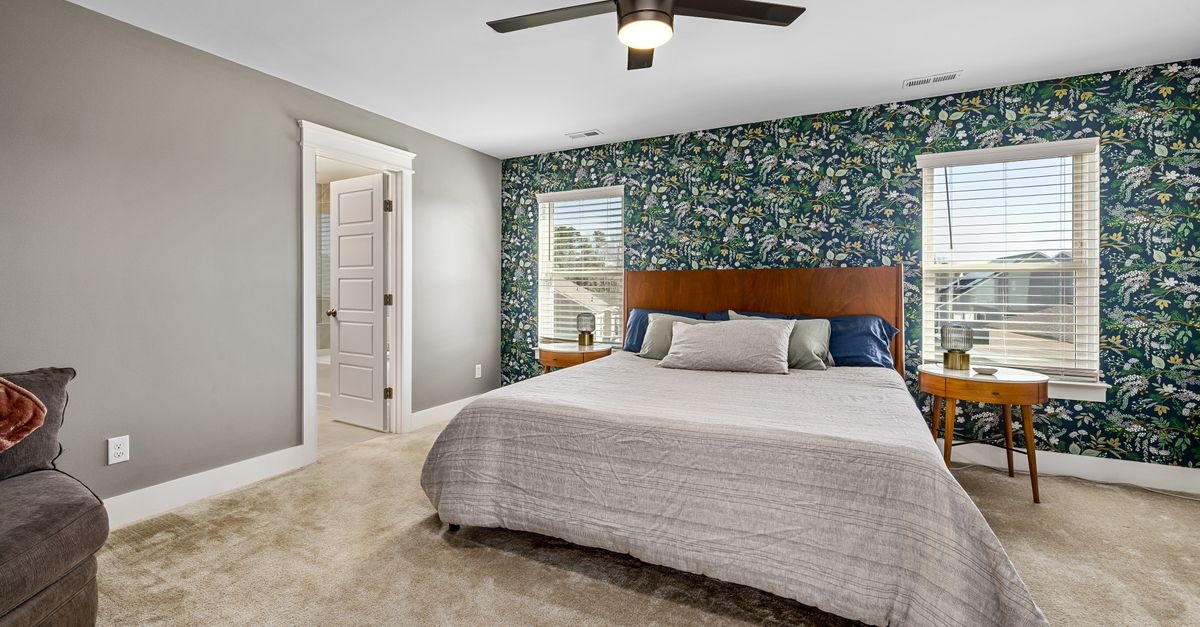
Stick-On Style: How to Pick the Perfect Peel‑and‑Stick Wallpaper for a Standout Accent Wall
Peel‑and‑stick wallpaper has changed the way we design, refresh, and personalize interiors. With removable adhesives, on‑trend prints, and approachable DIY installation, it is now easy to create a statement surface without committing to traditional paste. Yet the best results still come from informed choices. If you have ever wondered how to choose peel‑and‑stick wallpaper for an accent wall that looks designer‑level and lasts, you are in the right place. Use this end‑to‑end guide to move from inspiration to installation with clarity and confidence.
Why choose peel‑and‑stick for a standout accent wall
An accent wall is a strategic focal point that anchors the room’s style. Removable wallpaper makes that moment both accessible and reversible. Whether you rent, love to redecorate often, or want a weekend refresh before guests arrive, the stick‑on route offers compelling advantages:
- Renter‑friendly and reversible: Quality peelable adhesives lift cleanly from properly primed walls when it is time to move or change the look.
- Fast, tidy install: No paste buckets, long cures, or pro labor required. Most projects finish in a few hours.
- Huge style range: From murals to micro‑prints, faux woods to terrazzo, there is a look for every mood and budget.
- Budget control: You typically treat only one feature wall, which keeps material cost lower while still delivering major impact.
- Testable: Swatches and sample strips let you verify color, scale, and adhesion before committing.
Start with vision: define the role of your feature wall
Before you shop, clarify what you want the wall to do. A clear intent will guide color, pattern, and material choices and help you avoid trendy missteps.
- Set the mood: Calming bedroom retreat, energizing home office, welcoming entry, or playful nursery all call for different palettes and patterns.
- Identify the focal area: Behind a headboard, sofa, TV console, or dining banquette are classic placements that frame furniture and sightlines.
- Balance with existing elements: Consider floors, large furniture, window treatments, and art. Your accent should complement, not compete.
- Plan viewing distance: The farther you sit from the wall, the larger the pattern can be without feeling busy. Close quarters favor smaller repeats or subtle textures.
Jot down three to five words that capture your goal, like moody, modern, sculptural; or airy, coastal, bright. Keep them handy as you evaluate samples and finishes.
Measure twice: coverage, pattern repeat, and waste
Accurate measurements save time, money, and stress. You want enough rolls to complete the job with proper pattern matching and a small buffer for errors or future repairs.
How to measure wall area
- Measure wall width and height in inches or centimeters.
- Multiply to get total square area. For imperial, divide by 144 to convert square inches to square feet.
- Subtract large openings like doors and big windows if they meaningfully reduce coverage; leave small trim and outlets in the count.
- Add 10 to 20 percent overage for pattern matching and trimming at ceilings, baseboards, and around obstacles.
Example: A wall that is 12 feet wide by 9 feet high equals 108 square feet. With a 15 percent buffer, plan for roughly 124 square feet of material.
Understand pattern repeat and match
Repeats determine how much waste you will have during alignment. Look for these terms on product pages:
- Straight match: The pattern lines up horizontally across panels. Expect moderate waste.
- Drop match: Each panel shifts up or down by half a repeat. This can increase waste; order extra.
- Random match: Minimal alignment required, which reduces waste and eases installation.
If a repeat is large (for example, 24 inches), you will need more overage to center motifs at eye level or above furniture. When in doubt, contact the brand with your wall size and requested centering point, and ask for a roll estimate.
Roll width, length, and panels
Peel‑and‑stick wallpaper comes as pre‑cut panels or by the roll. Common widths range from 17 to 27 inches. Lengths are often tailored to standard ceiling heights. Check that your selection offers panel lengths that exceed your wall height by at least 2 to 4 inches for trimming top and bottom. If you have very tall ceilings, verify that custom lengths are available.
Surface matters: will it stick and look smooth
Great style cannot overcome a poorly prepared substrate. Proper prep ensures adhesion, clean seams, and a refined surface.
- Texture level: Best results occur on smooth, painted drywall. Heavy texture like orange peel, knockdown, or plaster can telegraph through and reduce grip. Light texture may work with thicker vinyls; always test first.
- Finish and primer: Satin and eggshell paints tend to allow better repositioning than flat paints, which can grab and scuff. A wallpaper‑specific primer or a high‑quality acrylic primer creates an ideal surface and aids clean removal.
- Fresh paint cure: New paint must cure fully, usually 2 to 4 weeks, before application. Trapped solvents can create bubbles or bond failure.
- Cleanliness: Wash the wall with mild soap and water, then wipe with isopropyl alcohol to remove residues. Let dry completely.
- Humidity: Bathrooms and kitchens can be successful installations if you choose moisture‑resistant materials and allow surfaces to dry after showers before application.
Test with samples
Order swatches or a sample panel and apply it for 48 to 72 hours. Observe adhesion, edge curl, and the look under daytime and evening lighting. Try smoothing and lifting it to gauge repositionability and whether it scuffs your paint. If the sample fails, consider a specialized primer, a thicker material, or a different wall.
What if walls are textured
- Skim coat and sand: For the best finish, skim with joint compound, sand smooth, then prime.
- Choose thicker vinyl: Fabric‑backed or thick vinyl films can mask minor texture better than thin papers.
- Rethink the location: If refinishing is not an option, move the accent to a smoother wall, or opt for a painted color block or large art instead.
Style selection: color, pattern, scale, and story
This is where the fun begins. Use your earlier vision words to filter options quickly. Then evaluate color, pattern, and scale together so the wall enhances the room rather than overwhelming it.
Color confidence
- Coordinate, do not match: Pull a secondary color from a rug or art so the wall ties the scheme together while still feeling fresh.
- Mind undertones: Warm beiges and cool grays can clash. Hold samples against existing finishes and compare under warm and cool bulbs.
- Use color psychology: Blues and greens relax, yellows uplift, reds energize. Neutral textures add depth without color commitment.
- Consider light: North‑facing rooms skew cooler; a warmer palette balances. South light can intensify saturated hues.
Pattern personality
- Geometrics and stripes: Modern, structured, and great for offices or living rooms. Check line precision and seam alignment tolerance.
- Florals and botanicals: Organic, soothing, and lively for bedrooms, nurseries, and dining rooms. Larger blooms read artistic; small sprigs feel airy.
- Murals and panoramas: High impact with a specific scene. Measure carefully to ensure the focal element sits where you want it.
- Faux materials: Wood slats, linen, grasscloth, concrete, or marble can bring luxury texture at a fraction of cost and effort.
Scale that suits the space
- Small rooms: Medium to small repeats or tonal textures avoid visual clutter.
- Large rooms or long sightlines: Go bigger so the motif reads from across the space and does not feel busy up close.
- Ceiling height: Vertical stripes elongate; horizontal motifs widen. Large vertical elements can make low ceilings feel taller.
Lay samples on the actual wall and take photos from typical seating or standing distances. The camera reveals scale interactions your eye can miss in the moment.
Material matters: vinyl, fabric, paper, and eco options
Not all removable wallpapers are created equal. Material composition affects durability, texture, washability, and environmental profile. Read specification sheets to match performance to your room’s needs.
- Vinyl films: Popular for durability, stain resistance, and moisture tolerance. Look for phthalate‑free, low‑VOC, and washable or scrubbable ratings. A matte vinyl reduces glare and hides minor wall flaws better than glossy finishes.
- Woven fabric: Polyester or cotton blends offer a tactile, matte look that photographs beautifully. They are typically repositionable and forgiving during install, but may be less scrub‑resistant.
- Paper‑based: Lightweight, eco‑leaning options with crisp print detail. Best for low‑traffic areas where gentle dusting is enough.
- PVC‑free alternatives: Polypropylene or non‑PVC films reduce environmental impact and can carry third‑party low‑emission certifications.
Finish and print quality
- Sheen: Matte hides imperfections and feels design‑forward; satin can be easier to clean but may show seams in raking light. Choose based on your lighting plan.
- Ink system: Latex, UV‑gel, and eco‑solvent inks each have strengths. Seek low‑odor, low‑VOC, and good scratch resistance.
- Edge quality: Cleanly cut edges reduce fray and help tight butt seams disappear.
- Colorfastness: If your wall gets sun, confirm fade resistance to keep hues true over time.
Room realities: match performance to placement
Where you install determines what the wallpaper must endure. Choose specifications to suit the space.
- Bathrooms: Prioritize moisture‑resistant vinyl or PVC‑free films rated for humid areas. Run the fan during showers and keep edges dry. Avoid direct water spray zones.
- Kitchens: Select washable, stain‑resistant films, and keep panels at least several inches from heat sources. Use a backsplash guard near sinks and ranges.
- Nurbs and kids spaces: Seek durable, washable, and low‑VOC materials. Look for third‑party certifications like Greenguard Gold for peace of mind.
- High‑traffic halls and entries: Choose scrubbable finishes or subtle textures that disguise scuffs.
Budget smarter: pricing, totals, and hidden costs
It is easy to focus only on the per‑roll price. Create a simple total‑project budget that includes these line items:
- Material: Based on your measured square footage plus overage for repeats and waste.
- Samples: A small expense that prevents costly mistakes. Worth every penny.
- Tools: Smoothing tool, sharp snap‑off blade, level or laser, measuring tape, step stool, seam roller, and a microfiber cloth.
- Prep supplies: Primer if needed, patch and sandpaper, cleaner, and painter’s tape.
- Shipping and returns: Factor lead times and return policies. Some custom prints are final sale.
Compare brands on price per square foot rather than roll price alone, as roll lengths and widths vary widely. Also weigh reusability; some premium fabrics can be removed and reapplied, which adds value across future projects.
Plan your layout: centering, seams, and sightlines
The most professional installations are planned before a single liner is peeled. Decide what the eye should see first and make seams disappear into the background.
- Find the focal center: Mark the center of the wall or the center relative to furniture such as a headboard. Murals often need exact centering of a key motif.
- Check plumb: Walls and ceilings are rarely perfectly straight. Use a level or laser to draw a true vertical reference line where your first panel will sit.
- Sequence panels: Dry‑fit the first two or three strips on the floor to preview pattern alignment and seam placement around outlets or corners.
- Hide seams: In bold geometrics, align seams where they will be least noticeable, perhaps behind a floor lamp or curtain edge.
Installation checklist and pro tips
Peel‑and‑stick is forgiving, but technique still matters. Follow a consistent process for smooth results.
Tools to gather
- Smoothing tool with soft edge
- Sharp snap‑off utility knife and extra blades
- Level or laser level
- Measuring tape and pencil
- Microfiber cloth and isopropyl alcohol
- Seam roller
- Step stool or ladder
Step‑by‑step application
- Prep the wall: Clean, repair, sand, and prime if needed. Let dry fully.
- Mark your plumb line: This is your guide for the first panel. If the first panel is square, the rest follow.
- Dry‑fit: Hold the first strip up to confirm centering and trim allowance at top and bottom.
- Peel and tack: Peel 6 to 8 inches of the backing and anchor the top, aligning to the plumb line. Work in small sections.
- Smooth downward: Use gentle, even strokes from center to edges to push out air. Avoid aggressive pressure that stretches the material.
- Butt seams neatly: Align the pattern and gently bring edges together without overlap. A soft seam roller can help, especially at the top and bottom.
- Trim cleanly: Use a fresh blade for every cut along the ceiling and baseboard. Replace blades frequently to avoid tearing.
- Work around obstacles: For outlets and switches, turn power off, remove covers, apply paper, then trim and reinstall plates.
Pattern matching like a pro
- Unroll the next panel and pre‑match at eye level before peeling.
- Align the most noticeable motif first. Minor discrepancies can hide near baseboards.
- Do not stretch the material; stretching causes mismatched seams later.
Prevent bubbles and edge lift
- Apply in a dust‑free, climate‑controlled room. High heat or humidity makes adhesive tacky and harder to adjust.
- If a bubble appears, gently lift the panel back to the bubble and re‑smooth; avoid stabbing bubbles, which can scar the finish.
- Run a dry microfiber cloth along edges after install to ensure good contact.
Maintenance, cleaning, and removal
A standout wall should stay beautiful over time. The right care keeps edges crisp and colors rich.
- Routine cleaning: Dust with a microfiber cloth. Spot clean with a damp sponge and mild soap if the material is rated washable. Avoid harsh chemicals and abrasives.
- Edge vigilance: In humid rooms, run the exhaust fan and watch for occasional edge lift. A gentle press usually resolves it.
- Repairs: Keep one extra panel for future touch‑ups or tenant move‑out fixes.
- Removal: Start at a top corner and peel slowly at a 180‑degree angle, pulling back along the wall rather than away from it. Warmth from a hair dryer can soften adhesive for stubborn spots.
Special situations and creative twists
- Rentals: Choose trusted, low‑tack brands and apply over a primer designed for clean removal. Photograph walls before and after for records.
- Kids rooms and nurseries: Prioritize low‑VOC, certified materials. Consider playful prints that can evolve with decor by swapping bedding and art.
- Bathrooms and laundry: Use moisture‑rated films and allow surfaces to dry before and after showers. Ventilation is key.
- Micro‑accents: If a full wall feels bold, try a fireplace bump‑out, bookcase back panels, stair risers, or the inside of a closet for a delightfully unexpected moment.
Common mistakes to avoid
- Skipping samples: Colors shift in different lights; adhesion varies by paint and texture. Always test.
- Underordering: Running out mid‑project risks dye lot mismatches. Order with a healthy buffer.
- Ignoring texture and sheen: Rough walls telegraph; glossy finishes show seams. Prep and finish matter.
- Starting in a corner: Corners are rarely plumb. Begin on a straight, visible vertical and work toward corners last.
- Rushing trims with dull blades: Fuzzy edges and tears are almost always a blade issue. Swap often.
Shop smarter: what to read on product pages
Comparing products gets easier when you know which specs drive results. Scan listings for:
- Material type: Vinyl, fabric, paper, or PVC‑free film
- Adhesive description: Removable, repositionable, low‑tack, or medium‑tack
- Roll or panel size: Width, length, and coverage per unit
- Pattern repeat and match: Straight, drop, or random
- Finish: Matte, satin, or gloss and washability rating
- Certifications: Low‑VOC, Greenguard, or similar standards
- Care instructions: Dust only, wipeable, washable, or scrubbable
- Lead time and return policy: Especially for custom prints
Decision checklist: from idea to install
Use this quick checklist to translate inspiration into a confident choice:
- Define the wall’s purpose and mood in three to five words.
- Measure height and width; calculate square footage and add 10 to 20 percent overage based on pattern repeat.
- Assess wall texture, sheen, and need for primer. Plan cure time for fresh paint.
- Shortlist patterns that match your color palette and scale goals. Order samples.
- Test adhesion and view samples under day and night light. Decide on matte vs satin.
- Choose a material suited to the room: washable vinyl for kitchens, low‑VOC options for nurseries, etc.
- Confirm roll dimensions, repeat, and brand guidance for total quantity.
- Gather tools and sketch your layout, centering motifs and mapping seams.
- Install deliberately: plumb first panel, smooth gently, butt seams, and trim with fresh blades.
- Maintain with proper cleaning and ventilation; save a spare panel for future fixes.
Frequently asked questions
How to choose peel‑and‑stick wallpaper for an accent wall without overwhelming the room
Balance color and scale. In small or busy spaces, select a medium or small repeat in a palette that echoes existing textiles. In larger rooms, step up motif size so it reads clearly. Order samples and test in your actual light to confirm harmony.
Will removable wallpaper damage my paint
On properly primed walls with fully cured, high‑quality paint, reputable removable films are designed to release cleanly. Always test a sample for at least 48 hours. A wallpaper‑specific primer improves both adhesion and removability.
Can I use peel‑and‑stick in a bathroom
Yes, if you choose a moisture‑tolerant material such as washable vinyl or a PVC‑free film rated for humid areas, and you ventilate well. Avoid direct water spray and ensure the wall is completely dry before application.
How many rolls do I need
Calculate wall area, add 10 to 20 percent for trim and pattern match, then divide by the per‑roll coverage. For large repeats or drop matches, increase the buffer. When uncertain, consult the brand with your measurements and repeat details.
What if my walls are not perfectly straight
Few are. Always start with a plumb line for the first panel. Trim excess at the ceiling and baseboard. Minor gaps at corners can be overlapped slightly or caulked and painted to blend.
Putting it all together: a mini case study
Imagine a 12 by 9 foot living room wall behind a camel leather sofa. The room has warm oak floors, a vintage red‑blue rug, and black metal lamps. You want modern warmth with a hint of pattern, not a riot of color.
- Vision words: modern, warm, grounded, graphic
- Samples: Three options arrive: a matte tan‑on‑tan geometric, a textured faux linen in warm gray, and a bold ochre botanical.
- Light test: The faux linen looks flat at night; the botanical dominates the vintage art. The tan geometric bridges modern and classic.
- Specs: Matte, PVC‑free film with a 10 inch straight repeat; panel width 24 inches. Washable rating suits family life.
- Order: Total area 108 square feet plus 15 percent overage equals about 124 square feet. With 24 inch by 9.5 foot panels at roughly 19 square feet each, order seven panels to allow for centering.
- Layout: Center a vertical column on the sofa midpoint. Start with a plumb line there and work outward, hiding seams near curtain edges.
- Result: A refined, graphic backdrop that uplifts the space while respecting the room’s vintage elements.
Conclusion
Choosing the right stick‑on wallpaper is part art, part planning. Define the role of your feature wall, measure with intention, match material to the room, and preview color and scale with real samples. With a thoughtful layout and a patient install, your accent wall will look custom, photograph beautifully, and remove cleanly when you are ready for the next chapter. If you have been wondering exactly how to choose peel‑and‑stick wallpaper for an accent wall, follow the steps in this guide and enjoy a standout space that reflects your style today and adapts to your life tomorrow.
Key takeaways
- Start with vision and room function; let that steer style and color.
- Measure accurately and account for repeat; order extra to match perfectly.
- Prep the surface; smooth, clean, and primed walls make or break results.
- Match material to the environment: washable for kitchens, low‑VOC for nurseries, moisture‑tolerant for baths.
- Plan seams and centering; a plumb first panel is the secret to pro finishes.
- Install with gentle, methodical technique and fresh blades.
- Maintain with light cleaning and good ventilation; removal should be slow and steady.
Related searches and ideas to explore
- Best removable wallpaper for renters
- How to calculate wallpaper repeat and waste
- Accent wall ideas for small bedrooms
- Matte vs satin peel‑and‑stick finishes
- Low‑VOC and Greenguard certified wallpapers
- Installing peel and stick wallpaper on textured walls
- Color psychology for living rooms and offices
Ready to transform your room in an afternoon Four or five well‑planned panels can be all it takes to turn a blank surface into a signature, confidence‑boosting feature wall.