The Quiet Power of Simple Spaces: Design Less, Live More
Our homes are the backdrop to our daily lives—places where we rest, reconnect, and reset. In a world that constantly asks for more, the most radical design decision you can make may be to choose less. Simple, well-edited interiors are not bare or boring; they are intentional, human-centered, and deeply supportive of the life you actually want to live. In the following guide, we explore why simple spaces feel good, how to create them, and what practical steps you can take today to transform any room—without losing warmth, personality, or function.
Why Simplicity Works in Interior Design: The Human Factor
The core question—Why simplicity works in interior design—deserves a human answer. Our brains and bodies are wired for patterns, balance, and ease. When a room is overloaded with stimuli, we pay a cognitive tax: decision fatigue rises, attention fractures, and rest becomes elusive. Simple interiors reduce visual noise, lower cognitive load, and make choices easier in everyday life—from where to place your keys to how quickly you can relax after a long day.
Cognitive Ease and Visual Tranquility
Simplicity supports the brain’s love of clarity. Clean lines, generous spacing, and a cohesive palette make it faster to parse what matters. This sense of cognitive ease is not an aesthetic trend; it is a neurological relief. When your eyes can rest, your mind follows. Minimalist interiors, when done well, create a baseline calm that improves mood and supports focus, making simple spaces ideal for work-from-home setups and family living alike.
The Quiet Power of Negative Space
Designers often talk about negative space—the intentional absence of things—as a tool. Empty surfaces and breathing room around furniture sharpen the presence of what remains. A single piece of art sings louder on a clean wall. A sculptural chair feels important when it is not crowded by side tables. By allowing for emptiness, you give moments, objects, and people room to breathe. That, more than anything, is why simplicity in interior design often reads as elevated and timeless.
Comfort, Light, and the Senses
Simple rooms also steward sensory comfort: steady acoustics, soft textures, and balanced light. Fewer reflective surfaces and thoughtfully placed textiles improve sound. Layered lighting—ambient, task, and accent—lets you dial up or down the mood. Natural materials regulate temperature and feel good to the touch. This sensory harmony is a quiet but profound reason simplicity works—not just visually, but physically.
Principles of Simple Interior Design
While simple spaces look effortless, they are rarely accidental. They emerge from a few guiding principles. Think of these as a compact toolkit rather than strict rules—guides that help you design less, but better.
1. Purpose-Led Planning
Begin with function. What must this room do beautifully? Is it a place to work, gather, rest, or play? Space planning grows from purpose. Identify primary activities and map circulation paths. Remove anything that blocks movement or adds friction. Each piece—furniture, lighting, storage—should earn its space by serving a clear need.
- Anchor the room: Choose a focal piece (sofa, dining table, bed) that matches the space’s scale.
- Define zones: Use rugs, lighting pools, or furniture grouping to clarify activities.
- Mind the margins: Maintain generous walkways (75–90 cm) for fluid circulation.
2. Edit to the Essential
Editing is the heart of a simple interior. Before adding anything, remove what you can. Decluttering is not deprivation; it is curation. Keep what you love and use. Let go of what distracts, duplicates, or dilutes the room’s purpose. The outcome is not starkness, but clarity.
- One-in, one-out: For every new object, release one.
- Set limits: Cap surfaces to a few intentional items.
- Rotate displays: Store extra decor and rotate seasonally to avoid visual fatigue.
3. Cohesive Palette and Materiality
Simple spaces thrive on cohesion. A neutral color palette—warm whites, soft greys, ecru, sand—provides a calm base. Add subtle contrast with black accents or deeper tones. Prioritize natural materials that age well: wood, stone, linen, wool, clay. This is where styles like Scandinavian design, Japandi, and wabi-sabi overlap—favoring honest materials and gentle hues that make rooms feel grounded and timeless.
4. Light, Shadow, and Layering
Lighting design is a lever for mood and function. Instead of a single overhead fixture, think in layers:
- Ambient: Soft, even illumination for general use.
- Task: Focused light for reading, cooking, or desk work.
- Accent: Lamps or spots that highlight art, plants, or texture.
Use dimmers, warm bulbs (2700–3000K), and varied heights to craft depth. In simple spaces, light becomes another material—drawing the eye, amplifying texture, and creating quiet drama without adding clutter.
5. Hidden Order: Storage and Systems
Visual calm relies on invisible systems. Invest in storage that suits how you live. Baskets near the sofa for throws, a tray by the entry for keys, drawer dividers in the kitchen, lidded bins for kids’ toys. When everything has a place, order lasts. Without it, even the most minimal room will feel chaotic within days.
Styles That Celebrate Simplicity
There is no single look that owns simplicity. Several design lineages champion clarity, warmth, and restraint—each with its own nuance.
Scandinavian Design
Rooted in function and comfort, Scandinavian interiors pair pale woods, soft textiles, and unfussy forms. The goal is hygge—a lived-in coziness—rather than austerity. Expect clean lines, honest craftsmanship, and a balance of light and warmth.
Japandi
Japandi blends Japanese minimalism and Nordic comfort. It prefers lower silhouettes, muted palettes, and tactile, natural materials. The vibe is serene but welcoming—less ornament, more intention. Imperfection (a knot in wood, a hand-thrown mug) is celebrated.
Wabi-Sabi
Wabi-sabi honors the beauty of impermanence and the handmade. Patina, asymmetry, and simplicity create poetry in everyday objects. It’s a soulful lens that fits beautifully within a simple home.
Biophilic Design
Biophilic spaces reconnect us with nature through plants, daylight, organic patterns, and natural textures. In simple interiors, nature becomes the artwork—leaf shapes, sunlight on a limewash wall, the grain of oak under your palm. The result is calming, restorative, and aligned with well-being.
A Practical Roadmap to Simplify Any Room
Ready to translate ideas into action? This step-by-step roadmap helps you simplify with confidence—no guesswork, no overwhelm.
Step 1: Clarify the Room’s Job
Write one sentence: “This room is for ______.” Keep it short and specific. Use that sentence to judge every object in the space. If it does not serve the job, it may be time to let it go or move it elsewhere.
Step 2: Declutter with a System
- Empty and sort: Clear surfaces and categorize: keep, relocate, donate, recycle.
- Keep the essentials visible: Store seldom-used items out of sight.
- Upgrade containment: Choose storage that matches your aesthetic—linen bins, wooden boxes, simple ceramics.
Decluttering works best when you pair it with habit design. Add hooks where you drop bags. Keep a donate bin in the closet. Simplicity lasts when it is supported by simple systems.
Step 3: Plan the Layout
Sketch your room or tape dimensions on the floor. Focus on scale: small rooms need lower-profile furniture; large rooms need pieces with presence. Align seating with conversation and light. Float furniture away from walls if it improves flow.
- Proportion: A sofa that is 2/3 the width of the wall often looks balanced.
- Rug sizing: Front legs of furniture on the rug unify a seating area.
- Sight lines: Keep views to windows and doors open whenever possible.
Step 4: Choose a Cohesive Palette
Pick a base of two to three neutrals, then add one accent color or a range of natural tones. Repeat materials across the room—oak appears in the table and a tray; black metal in the lamp and picture frames. Repetition is what makes simple interiors feel intentional rather than sparse.
Step 5: Layer Texture Thoughtfully
Texture adds warmth without clutter. Mix smooth and nubby, matte and soft. A linen sofa, wool rug, ceramic lamp, and wooden coffee table can be all you need for a room that feels rich in a quiet way.
Step 6: Finish with Light
Install dimmers. Place lamps at different heights—floor, table, sconce. Use warm bulbs and avoid harsh blue-white light. Frame daylight with light curtains that filter but do not block. The way light lives in your home will do as much for calm as any furniture choice.
Balancing Warmth with Minimalism
A common fear is that simple spaces will feel cold. The antidote is warm minimalism: fewer pieces, but each with soul.
Personalization Without Clutter
- Curate, don’t accumulate: Display your favorite 3–5 objects, not all of them at once.
- Tell a story: Choose items with provenance—family photos, travel ceramics, a handmade textile.
- Use rotation: Keep a small archive and swap pieces seasonally to refresh the room without new purchases.
Family-Friendly Simplicity
Kids and pets do not doom a simple home. They shape a more resilient one. Choose durable, washable fabrics; add closed storage at kid height; provide drop zones where life actually happens. When a home meets people where they are, simplicity stops being fragile and becomes forgiving.
Small Spaces and Rentals
- Scale down: Pick compact, multi-use furniture—nesting tables, a bench with storage, a sofa bed.
- Vertical thinking: Use shelves and wall hooks to free floors.
- Removable upgrades: Plug-in sconces, peel-and-stick tiles, large rugs to unify a rental’s mismatched floors.
Sustainability and the Economics of Less
Choosing simplicity is inherently sustainable. Fewer, better things reduce waste and save money over time.
Buy Better, Buy Fewer
Invest in quality where it counts: a solid sofa frame, a supportive mattress, durable rugs. Let secondary items be modest and functional. This approach reduces replacement cycles and encourages repair over disposal.
Lifecycle Costing
Consider the total cost of ownership—purchase, maintenance, and replacement. A slightly more expensive wool rug may outlast multiple synthetic ones, saving money and resources. That long view aligns with a simple home: steadier, saner, more sustainable.
Reuse, Repair, and Rehome
Refinish a wooden table. Reupholster a chair in natural fabric. Donate or sell what no longer serves you. Circulating objects extends their life and keeps your home lean and intentional.
Case Studies and Micro-Makeovers
Here are bite-sized transformations that illustrate how less can do more.
Living Room: From Busy to Breathing
Before: Overfilled bookcases, five small side tables, heavy curtains, a crowded gallery wall.
After: One generous bookcase with curated volumes, two substantial tables, light linen curtains, a single large artwork. The room reads wider, the sofa becomes a destination, and conversations feel unhurried.
Bedroom: Rest as the Brief
Before: Nightstands piled with books, mismatched lamps, saturated wall color, patterned duvet plus multiple throw pillows.
After: Soft neutral walls, two matching lamps with warm bulbs, a closed nightstand drawer for books, a plain linen duvet with a single textured throw. The nervous energy fades; sleep comes easier.
Kitchen: Countertop Clarity
Before: Appliances parked on every surface; utensil crocks, oils, spices all visible; upper cabinets crowded.
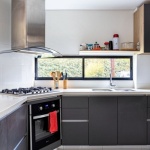
After: Everyday tools in a single zone; decanted oils and a salt cellar on a small tray; most items stored behind doors; one plant for life. Cooking becomes smoother because decisions are simpler.
Workspace: Focus by Design
Before: Stacks of paper, a tangle of wires, mixed finishes, no task light.
After: Cable management, a document tray system, one finish for desk accessories, a focused task lamp. Fewer objects compete for attention; deep work becomes more likely.
Common Mistakes to Avoid
- Confusing sparse with simple: Bare rooms without warmth feel incomplete. Add texture, light, and a few beloved objects.
- Ignoring scale: Tiny furniture in a big room looks cluttered; oversized pieces in a small room feel oppressive. Match the mass to the space.
- One-note lighting: Overhead-only light flattens a room. Layer your lighting.
- Too many smalls: Lots of little decor items create noise. Choose fewer, larger pieces.
- No systems: Decluttering without storage habits guarantees a quick relapse.
How to Start Today: 30-Minute Edits
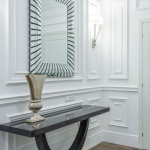
- Clear one surface: Choose the coffee table or entry console. Put back only three things.
- Edit a shelf: Keep your favorite books and a single object. Donate the rest.
- Swap lighting: Replace cool bulbs with warm (2700–3000K). Dim the room after sunset.
- Unify textiles: One rug, one throw, two pillows in the same palette can calm a room instantly.
- Open the path: Remove any furniture that blocks a doorway or window.
Why Simple Spaces Stay Simple
Simplicity is not a one-time project; it is a living practice. Homes evolve as our lives do. The trick is to design systems that hold simplicity in place—weekly resets, seasonal donations, and mindful purchasing. The point is not perfection. It is to create a supportive backdrop where your best routines become effortless.
The Psychology in Practice: A Quick Recap
- Lower cognitive load: Fewer choices and clearer visuals reduce stress and decision fatigue.
- Attention restoration: Calm, cohesive rooms mimic aspects of nature that help us recover focus.
- Sensory harmony: Natural materials, balanced light, and better acoustics support well-being.
Design Less, Live More
In the end, the quiet power of simple spaces is practical and profound. You gain time—less cleaning, fewer decisions, smoother mornings. You gain clarity—knowing where things live and why they are there. You gain beauty—the kind that hums softly in the background rather than shouting for attention. That’s the deeper answer to Why simplicity works in interior design: it removes friction so life can move forward with ease.
Start with one room, one surface, one decision. Edit, then add with intention. Choose materials that age gracefully, colors that calm, and objects that matter. Let negative space be a collaborator. Embrace systems that keep order gentle and automatic. As you do, you will find that designing less lets you live more—with focus, comfort, and quiet joy.
Additional Tips and Secondary Considerations
- Color theory basics: Warm neutrals create intimacy; cool neutrals expand space. Use undertones consistently.
- Texture hierarchy: If your palette is minimal, push texture to carry interest—bouclé, oak grain, brushed brass.
- Functional decor: Let beautiful essentials double as display—stacked bowls, an heirloom cutting board, a sculptural teapot.
- Mindful tech: Hide routers and cables; choose fewer, better devices to reduce visual noise.
- Entryway rituals: A tray, a hook, and a bench can transform clutter into a repeatable habit loop.
Closing Thoughts
Simplicity is not an aesthetic straitjacket; it is a liberating framework. It is also adaptable across styles—from Scandinavian to Japandi to biophilic—and across budgets and life stages. If you hold onto the core principles—purpose, editing, cohesion, light, and systems—your home will support you with quiet strength. That, ultimately, is why simplicity works in interior design: it aligns spaces with the rhythms of real life, leaving room for what matters most.