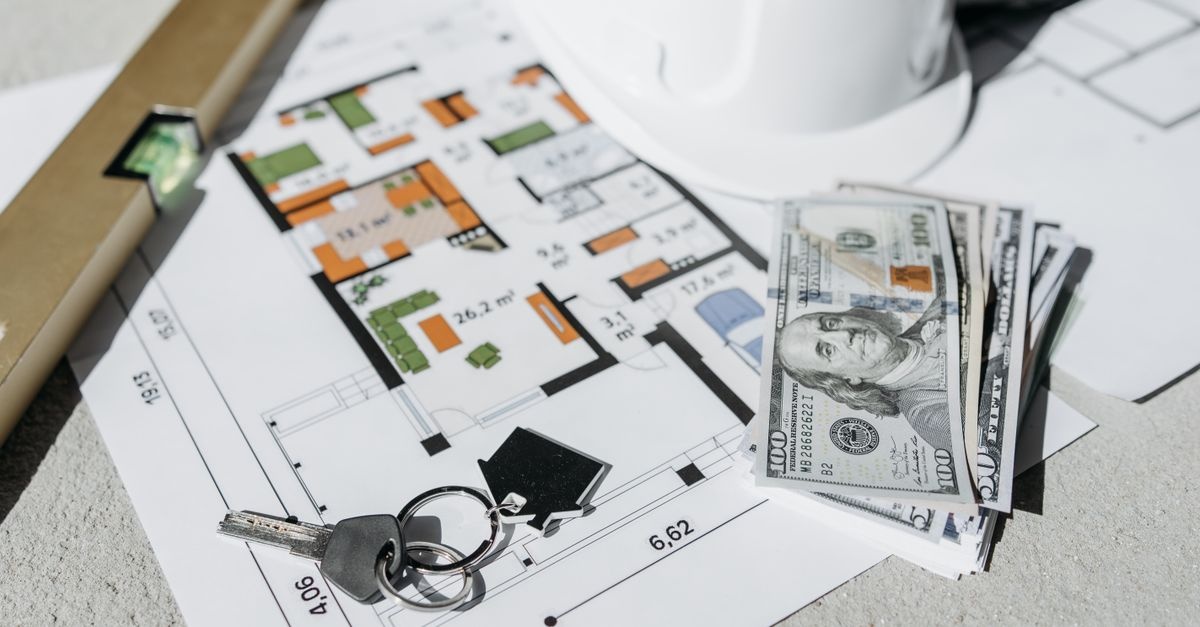
Beyond Bricks and Mortar: The Surprising Expenses That Inflate a New Home Build
Most first-time builders price their dream home by multiplying square footage by a “cost per square foot,” adding a rough materials budget, and calling it good. Then the invoices arrive. What often blows up a construction budget isn’t the framing package or the roofing material—it’s everything around, between, and before those items. Permits, site preparation, utility connections, engineering, temporary facilities, testing, insurance, financing, and a swarm of last‑mile decisions each nibble at your budget until the total feels like a bite. Understanding the Hidden costs of building a house is the difference between a controlled process and a cascading series of surprises.
This in‑depth guide catalogs the lesser‑known expenses that drive cost overruns in home construction, explains why they appear, and offers practical tactics to keep them in check. Whether you’re building on a suburban infill lot or raw rural acreage, you’ll learn how to scope, price, and plan for the real‑world complexity that comes with a new home build.
Before You Break Ground: Pre‑Construction Surprises
Big risk lives in the dirt, the drawings, and the municipal paperwork. Early due diligence can reveal what your lot, your jurisdiction, and your design will actually demand—long before you sign a construction contract.
Due Diligence and Land Realities
Even a seemingly “flat, buildable” site can conceal conditions that add weeks and five figures to your budget. Budget for the following investigative steps and potential remedies:
- Boundary and topographic surveys: A full ALTA/NSPS or boundary survey establishes property lines, easements, setbacks, and encroachments. A topo survey maps contours and spot elevations to inform grading and drainage. Expect restaking fees if markers are disturbed during construction.
- Geotechnical (soil) report: Soil borings, lab analysis, and a geotech’s recommendations determine foundation type, footing sizes, compaction requirements, and whether you’ll need over‑excavation, engineered fill, or deep foundations (helical piers, driven piles, or caissons) for expansive clay, organics, or poor bearing capacity. Rock at shallow depth can require blasting.
- Perc test and septic design: If no sewer is available, percolation tests and a septic designer’s plan are mandatory. Marginal soils may require advanced treatment units, mound systems, larger leach fields, or pump tanks with alarms.
- Environmental and tree assessments: Wetland delineations, floodplain checks, and protected‑species surveys can trigger buffers, mitigation, or design changes. Tree protection plans and certified arborists may be required for heritage trees and root‑zone fencing.
- Title and easements: Utility or access easements can dictate where you place the home, driveway, and drain lines. Clearing title, adjusting lot lines, or relocating easements adds legal and survey costs.
These pre‑construction line items don’t add visible beauty, but they dictate your structural and site budgets. They are classic “surprise costs” because they’re discovered only after you dig—or if you’re smart, right before.
Site Preparation and Access
The transition from raw lot to ready building pad is often underestimated. Site work packages can swell quickly based on topography, soil, and access requirements:
- Clearing and grubbing: Tree removal, stump grinding, root raking, and hauling. Protected trees require fencing and monitoring; violations lead to fines.
- Grading and fill: Cut‑and‑fill to create flat pads; import of engineered fill; compaction tests; retaining walls; slope stabilization. Over‑excavation and recompaction are common for collapsible or organic soils.
- Rock excavation: Ripping, jackhammering, or blasting bedrock; hammer wear charges; specialized haul‑off.
- Erosion and stormwater control: Silt fences, straw wattles, inlet protection, stabilized construction entrances, and weekly BMP inspections to comply with your SWPPP. Fines for noncompliance add up fast.
- Dewatering: Pumps and discharge management for high water tables or heavy rains; trench boxes and safety measures.
- Driveway and fire access: Temporary access for heavy trucks and turning radii; culverts at ditches; crushed rock base. Final paving or concrete often costs more than expected, especially for long rural drives or steep grades.
Municipalities—especially in wildland‑urban interface (WUI) zones—may demand minimum driveway widths, turnarounds, and surface specs to support fire apparatus. Meeting these requirements can change layout and cost.
Permits, Approvals, and Impact Fees
Paperwork costs are more than the building permit. Expect a stack of line items and deposits:
- Plan check and re‑submittal fees: Building, electrical, plumbing, mechanical, and energy code reviews; corrections usually require design team time and additional fees.
- Grading and right‑of‑way permits: For earthwork, driveway cuts, and sidewalk or curb work; some jurisdictions require bonds to restore public improvements.
- Utility tap and connection fees: Water and sewer capacity charges, meter fees, and inspection fees; area‑dependent and often substantial.
- School, park, and traffic impact fees: One‑time charges to fund community infrastructure; totals can rival small trades packages.
- Septic and well permits: Separate health department approvals, fees for inspections, and as‑builts.
- Architectural Review Committee (ARC) approvals: In HOA communities, submittal packages, color boards, rendering requirements, and revisions add design hours and resubmittal costs.
These costs feel invisible because they fund the right to build, not the building itself. But they’re non‑negotiable and should be itemized early.
Utilities and Infrastructure You Can’t See
What it takes to get water, power, gas, sewer, and data to your home is highly site‑specific. Don’t assume “standard hookups.”
Water, Sewer, and Septic Realities
- Municipal water/sewer: Capacity and tap fees, meter sizes, backflow prevention, and road crossing permits. Long service laterals add trenching, shoring, and restoration costs.
- Private well: Drilling depth is a gamble. Low‑yield wells may need storage tanks, booster pumps, and treatment (softening, iron filtration, reverse osmosis, UV). Power and enclosure add more.
- On‑site wastewater: Septic tanks, advanced treatment units, dosing pumps, control panels, alarms, and larger drain fields for poor soils. Mound systems require more sand, geotextiles, and landscaping repair.
Even with city services nearby, utility companies may require upgraded mains or shared cost contributions. Those “pro‑rata” bills are among the most frustrating surprise expenses.
Power, Gas, and Telecom
- Electrical service: Trenching and conduit, primary vs. secondary runs, transformer pads, meter/main gear upgrades, and utility inspection fees. Rural drops can be significant if poles or trench distance exceed a baseline.
- Natural gas or propane: Main extensions, meter set fees, regulator changes; for propane, tank purchase or lease, pad, and trenching to multiple appliances.
- Data and telecom: Conduit to the street, fiber provider build‑out charges, network demarcation points. No‑service areas often require satellite or fixed wireless solutions, with unique wiring and equipment costs.
Don’t forget low‑voltage infrastructure inside the home—structured cabling, access points, security sensors, cameras, and audio zones. Prewiring is cheaper than post‑move‑in retrofits.
Temporary Utilities and Facilities
Keeping a site safe, sanitary, and productive during construction isn’t free:
- Temp power: Poles, panels, or generators; monthly utility charges and minimums.
- Waste management: Dumpster rentals, haul‑offs, overweight fees, and recycled material sorting in some jurisdictions.
- Sanitation and security: Portable toilets, handwash stations, site fencing, gates, lighting, cameras, and lock boxes.
- Staging and storage: Shipping containers, laydown areas, and weather protection for sensitive materials.
These costs run for months. Include them as ongoing budget lines, not one‑time purchases.
Design Decisions That Quietly Move the Needle
Drawings are destiny. Minor adjustments to spans, stairs, openings, and systems can ripple into structure, labor, and schedule.
Architecture and Engineering Scope Creep
- Structural upgrades: Open‑concept spaces often need deeper beams, flush framing, moment frames, or steel. Heavy finishes (stone veneer, thick countertops) can increase loads and require upgraded support.
- Stair geometry and guards: Custom stairs with winders or open risers, glass guards, and bespoke railings add fabrication time and field coordination.
- Fire and wind design: Hurricane clips, shear wall hold‑downs, uplift connectors, and impact‑rated glazing for coastal regions. Snow load and seismic detailing drive hardware counts.
- MEP coordination: Larger range hoods may trigger makeup air systems; multiple HVAC zones need dampers and controls; fireplace ventilation adds penetrations and chase work.
Professional fees also grow with complexity: more structural calcs, revised plan sets, shop drawing reviews, and site observation visits. That extra engineering is worth it—just plan for it.
Allowances and Finish Upgrades
An “allowance” is a placeholder for selections not yet made. Under‑allowancing is a top driver of budget creep:
- Cabinetry and millwork: Custom boxes, soft‑close hardware, built‑ins, and closet systems often outpace default numbers.
- Tile and stone: Large‑format tile needs flatter substrates and specialty setting materials; slab upgrades involve thicker profiles and complex edges.
- Fixtures and lighting: Decorative pendants, undercabinet lighting, dimming scenes, and smart controls add rough‑in and trim labor.
- Glass and mirrors: Frameless shower enclosures, oversized mirrors, and safety glass requirements carry lead times and premium installs.
Every substitution mid‑stream becomes a change order with markups and schedule impacts. Lock selections early and right‑size allowances to market pricing.
Smart Home and Low‑Voltage Planning
- Networking and Wi‑Fi: Conduit, Cat6/Cat6a cabling, in‑ceiling access points, and network racks.
- Security: Prewire for door/window contacts, motion sensors, cameras, and keypads; power for NVRs and doorbells.
- AV and shades: Speaker wire, amplifier locations, subwoofer outlets, motorized shades with control wiring, and media niches.
Low‑voltage is inexpensive during framing and costly later. A small up‑front spend prevents big retrofit bills.
Construction‑Phase Wildcards
Even with a perfect plan, reality intervenes. Markets move, weather happens, and logistics get creative.
Material Price Volatility and Escalation
Lumber, steel, concrete, insulation, and mechanical equipment prices can swing within a long build. Many contracts now include escalation clauses or shared risk provisions. Budget:
- Price cushions: Include a materials contingency separate from your general contingency.
- Storage and protection: If you buy early to lock pricing, you may pay for storage, double handling, or on‑site protection against weather theft.
- Lead times: Long‑lead items (windows, electrical gear, HVAC units) risk expediting fees or temporary workarounds if delayed.
Weather, Water, and Workarounds
- Rain and snow measures: Tarps, temporary roofs, heat blankets for concrete, snow removal, and schedule resequencing.
- Dewatering and pumping: Persistent groundwater or storm events add pump rental and discharge routing.
- Mud and access: Aggregate refresh for construction entrances, additional dust control, and street sweeping to avoid fines.
Seasonality matters. Winter concrete, summer wildfire smoke, or spring thaw can each tack weeks and dollars onto your plan.
Logistics, Safety, and Heavy Lifts
- Cranes and lifts: Setting trusses, HVAC units, or large glazing packages requires cranes, riggers, and street closures with traffic control.
- Scaffolding and fall protection: Rentals, erection, inspections, and tie‑offs for multi‑story exteriors and interior stair voids.
- Delivery and fuel surcharges: Increasingly common, especially for remote sites. Missed deliveries can incur redelivery fees.
These charges protect workers and the public and keep you on schedule—but they must be forecasted.
Code Compliance, Testing, and Special Inspections
- Energy code: Blower door and duct leakage tests, HERS ratings, energy modeling, and air sealing upgrades if you fail the first test.
- Fire protection: Residential sprinkler systems in many jurisdictions require larger water services or dedicated tanks and pumps, plus annual test provisions.
- Special inspections: Concrete cylinder tests, rebar placement verification, structural steel welding inspections, and epoxy anchor pull tests by third‑party labs.
Failing a test typically means remediation, retesting, and sometimes rework of finishes. Passing the first time is always cheaper.
Exterior and Landscape: The Outside Adds Up
Curb appeal and site stability demand more than sod and shrubs. Exterior scopes often come late in budgeting and easily double from early placeholders.
Driveways, Hardscape, and Retaining
- Drive surfaces: Asphalt, concrete, or pavers; thicker sections and rebar for heavy vehicles; frost heave and subbase considerations.
- Walks and patios: Steps, integral color, stamped finishes, or stone inlays. Shade structures or pergolas add footings and connections.
- Retaining walls: Engineering, drainage (weep holes, perforated pipe), geogrid, and guardrails as required by height.
Hardscape is materials‑intensive and labor‑sensitive. Late scope creep here is common and costly.
Drainage, Gutters, and Water Management
- Roofwater control: Oversized gutters, additional downspouts, and heat trace in snow country.
- Surface drainage: Swales, regrading, French drains, catch basins, and dry wells to move water away from the foundation.
- Basement protection: Sump pumps with battery backup, exterior waterproofing membranes, and window wells with drains and covers.
Water always wins. Invest early in drainage to avoid callbacks and interior damage after move‑in.
Fencing, Landscaping, and Irrigation
- Soil prep and plantings: Topsoil import, soil amendments, trees, and large caliper transplants with staking.
- Irrigation: Backflow assemblies, smart controllers, drip vs. spray zones, and winterization provisions.
- Fences and gates: Property line verification, HOA design standards, and gate operators with power.
Municipalities may require street trees, parkway restorations, or landscape bonds—more small but firm costs.
Comfort, Health, and Performance Upgrades
Better‑than‑code performance yields lower utility bills and healthier air, but it often requires modest budget expansions in the right places.
Envelope and Air Sealing
- Insulation choices: Upgrading from basic batts to blown‑in, dense‑pack, or spray foam improves comfort and air tightness.
- Air barriers: Tapes, membranes, and dedicated labor to detail penetrations and transitions; blower door targets guide scope.
- Windows and doors: Better U‑factors and SHGCs, warm‑edge spacers, and improved installation detailing.
Plan for a blower door test mid‑construction (“rough‑in test”) while fixes are easy, not just at final.
HVAC Right‑Sizing and Commissioning
- Manual J/S/D design: Proper load calcs, equipment selection, and duct design trump rule‑of‑thumb sizing.
- Ventilation and makeup air: Large range hoods often require makeup air with tempering; balanced ventilation (ERV/HRV) boosts indoor air quality.
- Commissioning: Airflow balancing, refrigerant charge verification, and controls setup. Comfort and efficiency depend on it.
Skipping commissioning is a false economy—and a common hidden expense later when comfort complaints trigger service calls.
Moisture and Radon Control
- Crawlspace encapsulation: Vapor barriers, sealed vents, conditioned air or dehumidifiers, and pest detailing.
- Slab prep: Capillary breaks, sub‑slab vapor barriers, and radon rough‑in piping with fan provisions in high‑risk areas.
- Wet rooms: Waterproofing membranes, flood testing, and slope correction for curbless showers.
Moisture problems are expensive to fix post‑occupancy. Spend carefully in the envelope and wet areas to avoid hidden health and repair costs.
Paperwork, Financing, and Insurance
Money has its own job site. The cost of borrowing, insuring, and closing a new build is a meaningful slice of the total.
Construction Loans and Carry Costs
- Interest during construction: You pay interest on drawn funds; longer schedules mean more interest.
- Bank fees: Origination, draw inspections, wire fees, and title updates at each draw to verify lien positions.
- Appraisals and re‑appraisals: Scope changes can force new valuations; rate lock extensions add costs if the project runs long.
Carry costs also include rent or a second mortgage if you’re living elsewhere while building—budget them as part of your total project cost, not “living expenses.”
Insurance Essentials
- Builder’s risk: Covers the structure during construction for theft, vandalism, and certain weather events; premiums scale with project value and duration.
- General liability and umbrella: Owner‑builders or cost‑plus arrangements may need separate coverage beyond the contractor’s policy.
- Flood and windstorm: Required by lenders in designated zones; add deductibles and specific exclusions to your risk review.
Make sure subcontractors carry proper coverage and provide certificates; otherwise, you may end up absorbing claims or paying audit premiums.
Taxes, Title, and Closing
- Sales tax on materials: In many states, materials are taxable; confirm whether the GC or you are the responsible party.
- Title and legal: Title endorsements, lien searches, lien waivers, and closing agent fees at each loan draw and final close.
- Property taxes: Assessed during construction, sometimes mid‑year based on percentage completion.
These “paper” costs are predictable with proper scoping—ask for a full lender and title fee schedule up front.
People and Process Costs You Might Miss
How you and your builder make decisions can either protect your budget or poke holes in it.
Change Orders and Administration
- Direct costs plus markups: Changes typically incur both added labor/materials and contractor overhead and profit, plus administration fees.
- Schedule impacts: A late selection can delay dependent trades, triggering remobilization and rework costs.
- Re‑engineering: Even “small” moves can cascade into new calculations, details, and inspections.
Adopt a zero‑based change mindset after groundbreaking. If you change something, drop something of equal value elsewhere.
Contract Type and Supervision
- Fixed‑price vs. cost‑plus: Fixed price shifts risk to the builder but often includes contingencies in the price; cost‑plus exposes you to volatility but with transparent invoices.
- Exclusions and allowances: The most expensive words in homebuilding are “We thought that was included.” Demand a detailed inclusions/exclusions exhibit.
- Site supervision: Dedicated project management and daily oversight are worth their cost in reduced mistakes, but they must be budgeted.
Clarity beats optimism. A precise scope is the antidote to disputes and surprise invoices.
Owner‑Caused Delays and Coordination
- Late selections and approvals: Miss a submittal deadline, and your project misses a window; expediting and remobilization follow.
- Owner‑supplied items: If you provide appliances, light fixtures, or plumbing trim, your builder may add receiving, storage, and install coordination fees—and disclaim warranty coverage.
- Decision churn: Iterating after rough‑in means opening walls, moving ducts, and rescheduling inspections.
Your time is money, too: site visits, design meetings, and vendor appointments add up. Schedule them like critical path activities.
Temporary Housing, Storage, and Moving
- Bridge living: Rent, utilities, and pet boarding during construction.
- Storage: Pods, climate‑controlled units, and multiple move events if completion slips.
- Move‑in services: Professional movers, assembly, and disposal fees.
These are genuine project costs; bake them into the pro forma early.
The Last 5%: Closeout and Move‑In
Finishing touches can feel like nickel‑and‑diming, but the last 5% determines livability and lender sign‑off.
Punch List and Cleaning
- Detail work: Paint touch‑ups, door/hardware adjustments, caulking, and drywall repairs around outlets and vents.
- Deep cleaning: Post‑construction cleans, floor protection removal, window washing inside and out.
- Landscaping repairs: Fixing ruts, re‑seeding, and irrigation tuning after heavy equipment leaves.
Holdbacks can motivate completion, but make sure punch scope is clearly documented during the walkthrough.
Final Fixtures and Fit‑Out
- Window treatments: Blinds, shades (often motorized), and drapery hardware.
- Closet systems: Beyond basic rods and shelves—drawer towers, shoe racks, and lighting.
- Appliances and specialty installs: Waterline hookups for fridges, range hood commissioning, make‑up air testing, and panel scheduling for induction ranges or EV chargers.
These are rarely in the base contract at realistic prices. Confirm whether you’re buying through the builder or direct with a vendor.
Documentation and Warranty
- Manuals and commissioning reports: HVAC balancing reports, equipment registrations, and energy compliance documentation.
- Warranty setup: Subcontractor warranty contacts, online registrations, and spare materials storage.
- Final inspections and CO: Any fail requires corrections, re‑inspections, and sometimes additional engineer letters.
A tidy turnover prevents headaches—and warranty claims—later.
How to Plan for the Unplanned
You can’t eliminate every surprise, but you can build a budget and process that absorb them without drama.
Build a Realistic Contingency
- Tiered approach: Carry 10–15% for the overall project, plus micro‑contingencies for site work and materials volatility.
- Release gates: Only release contingency as milestones pass (e.g., after foundation, after framing).
- Scope buffers: Keep a prioritized list of add‑alternates you can cut if surprises arise.
Think of contingency as insurance against the Hidden costs of building a house, not a slush fund.
Clarify Scope, Allowances, and Exclusions
- Line‑item bids: Request detailed breakdowns for site work, utilities, and finishes so you can compare apples to apples.
- Right‑size allowances: Base them on actual showroom selections, not generic price points.
- Exclusions list: Get a written list of what’s not included—window coverings, landscaping, utility fees, testing, special inspections—so you can budget separately.
Transparency prevents the “I thought that was included” budget trap.
Sequence Decisions and Lock Long‑Lead Items
- Milestone selections: Finalize windows, exterior doors, roofing, and major MEP equipment before foundation forms—these choices drive openings, loads, and penetrations.
- Order early with storage plans: If supply chains are tight, plan for storage and protection rather than expediting later.
- Coordinate penetrations: Early hood, fireplace, and dryer vent decisions avoid rework in sheathing and siding.
Time is money; proactive selection keeps trades moving and avoids remobilization fees.
Track Budget and Changes in Real Time
- Cost reports: Monthly owner–builder meetings with updated forecasts and committed costs versus budget.
- Formal change orders: No handshake changes. Every scope shift gets priced, approved, and scheduled—or declined.
- Variance logs: Track allowance over/under and contingency drawdown with reasons to inform future decisions.
When you see the burn rate weekly, the “surprise” line items lose their sting.
A Realistic Checklist of Commonly Missed Costs
Use this condensed list to spark conversations with your builder and design team:
- Investigations: ALTA survey, topo survey, geotech report, perc test, wetlands/flood checks, arborist.
- Permits/fees: Plan check, grading, right‑of‑way, utility taps, school/park impacts, septic/well permits, ARC fees, bonds.
- Site work: Clearing, over‑excavation, engineered fill, compaction tests, rock excavation/blasting, erosion control, dewatering, temporary access.
- Utilities: Long laterals, transformer pads, gas main/tank, telecom conduit, well equipment, septic ATU and alarms.
- Temporary facilities: Temp power, dumpsters, portable toilets, site fencing, storage containers, security cameras.
- Structure/MEP: Steel beams, hold‑downs, fire sprinklers, makeup air, additional zones, special inspections.
- Energy/testing: HERS rating, blower door tests (and retests), duct leakage testing, air sealing upgrades.
- Finishes/allowances: Cabinet upgrades, tile labor for large formats, lighting controls, shower glass, mirrors, closet systems, window treatments.
- Exterior: Driveway base/paving, retaining walls, patios, drainage, sump backups, gutters/heat trace, fencing, irrigation, street trees.
- Logistics: Crane lifts, scaffolding, delivery surcharges, street closures/traffic control, street cleaning.
- Financial/insurance: Construction loan interest, draw fees, appraisal updates, rate lock extensions, builder’s risk, flood/windstorm, title/lien waivers.
- Soft costs: Design revisions, engineering add‑services, 3D renderings, ARC resubmittals, legal for easements.
- Closeout: Deep cleaning, window washing, punch labor, warranties/registrations, final inspections and re‑inspections.
- Living costs: Temporary housing, storage, moving, duplicate utilities.
While this list isn’t exhaustive, it covers the majority of surprise expenses that push a new home over budget.
Conclusion: Make the Invisible Visible
What makes a new home feel expensive isn’t merely nicer finishes or a bigger footprint. It’s the network of approvals, tests, site realities, and coordination that turn a design into a dwelling. By scoping site work honestly, acknowledging utility and permitting complexity, right‑sizing allowances, and planning for financing, insurance, and closeout, you transform the Hidden costs of building a house into known quantities. The result is not just a truer budget—it’s a calmer, more predictable build.
In short, bring the off‑plan items on‑plan. Nail down early investigations, demand detailed bids and exclusions, lock long‑lead selections, and track changes ruthlessly. When the invisible becomes visible, your “beyond bricks and mortar” budget becomes the foundation for a successful, on‑time, on‑budget home.
Key Takeaways at a Glance
- Investigate before you design: Surveys, soil, and environmental checks drive structure and site costs.
- Budget for the paper chase: Permits, impact fees, and utility taps can rival a major trade.
- Utilities are not turnkey: Long laterals, transformers, wells/septic, and telecom build‑outs add hidden labor and hardware.
- Allowances equal risk: Under‑allowancing turns into change orders with markups and delays.
- Test to avoid retest: Energy and special inspections are cheaper to pass the first time.
- Finance the timeline you have: Construction loan interest, draw fees, and rate locks track your schedule reality.
- Hold a real contingency: 10–15% with milestone gates beats wishful thinking.
- Document everything: Clear scopes, exclusions, and formal change orders keep costs predictable.
Follow these principles and you’ll minimize the surprise expenses that so often inflate a new home build, controlling both stress and spend from groundbreaking to keys‑in‑hand.