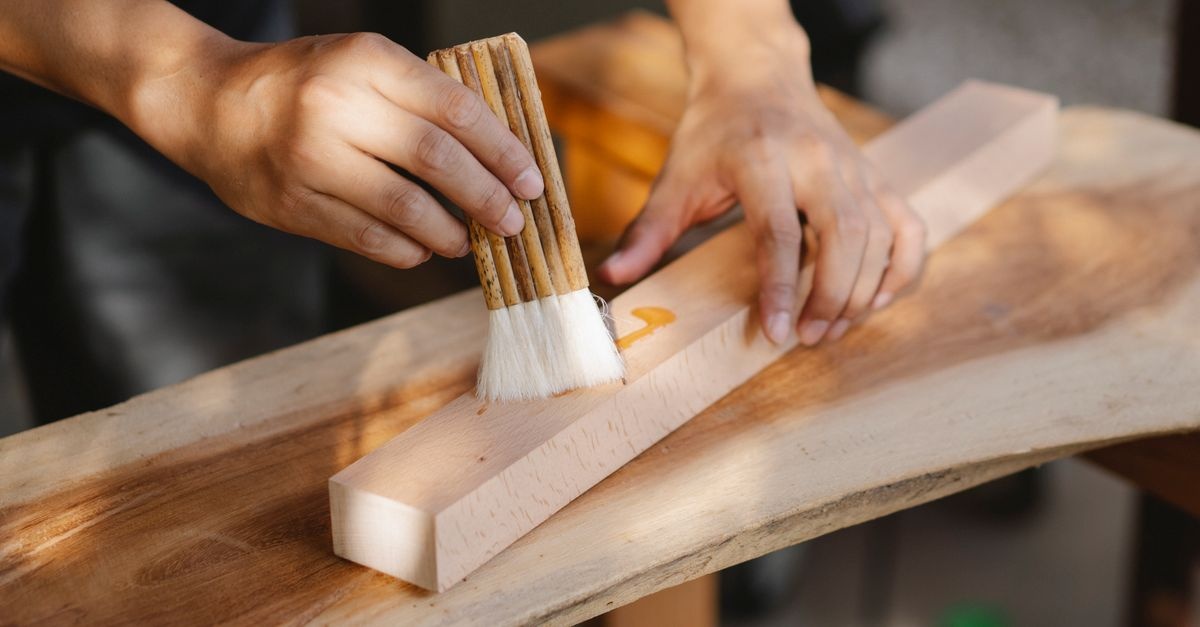
From Tired to Timeless: The Matte-Varnish Makeover Your Wooden Dresser Deserves
Your dresser has good bones—solid timber, classic lines, and the kind of craftsmanship that’s hard to find new. What it doesn’t have is a finish that fits your life today. If you’re craving a clean, contemporary aesthetic with soft glow and zero glare, a matte topcoat is the secret. In this deep-dive guide, you’ll learn how to refinish a wooden dresser with matte varnish—from smart planning and safe stripping to flawless application and long-term care—so the final look feels both modern and heirloom-worthy.
Why Matte? The Case for a Low-Sheen, High-Style Finish
Matte has graduated from trend to timeless. Unlike glossy finishes that demand perfection and show every fingerprint, a matte varnish:
- Softens light: It diffuses reflections for a calm, sophisticated vibe.
- Honors the wood: Grain, figure, and texture take center stage instead of mirror-like glare.
- Hides imperfections: Minor dings and dust specks are less visible than with gloss.
- Feels modern, not dull: Today’s matte varnishes are clear, durable, and silky—not chalky.
Still, the choice of product and application matter. You’ll decide between water-based and oil-based options, understand prep techniques that keep the grain crisp, and learn how to avoid common pitfalls like streaks, bubbles, or blotchiness.
Plan the Makeover: Look, Function, and Feasibility
Before you touch a tool, make four quick calls:
- Design direction: Warm walnut stain with a low-luster topcoat? Neutral, driftwood tones? Bare, natural wood sealed matte? Decide the destination.
- Use case: Bedroom vs. nursery vs. entryway dictates durability and maintenance needs.
- Wood species and veneer: Oak’s open grain behaves differently than maple’s tight grain. Veneer demands gentler sanding.
- Time and budget: Are you doing a full strip and refinish or a scuff-sand and clear coat? Both can look fantastic when matched to the piece’s condition.
Tools and Materials: Your Refinishing Kit
Gather everything upfront so you can work in smooth, uninterrupted stages. At minimum, have:
- Safety: NIOSH-rated respirator, safety glasses, nitrile gloves, hearing protection.
- Workspace: Drop cloths, painter’s pyramids or blocks, raking light, ventilation (fan and open windows).
- Cleaning and strip: Degreaser (TSP substitute), mineral spirits or denatured alcohol for wipe-downs; optional chemical stripper (citrus gel or low-odor, semi-paste).
- Sanding: Random orbital sander, sanding block, discs/paper in 80/120/150/180/220 grit; 320 grit for between coats; gray and white non-woven pads.
- Dust control: Shop vac with brush attachment, tack cloths, microfiber cloths.
- Repairs and prep: Wood glue, clamps, wood filler or putty matched to stain color, putty knife, small hammer, punch.
- Color: Dye or stain (gel stain is great for veneer), pre-stain conditioner (for blotch-prone woods like pine or birch), toner if desired.
- Sealers and finishes: Dewaxed shellac (optional barrier/sealer), matte varnish (water-based matte polyurethane or oil-based matte poly/varnish), optional hardwax oil in matte.
- Application: High-quality synthetic bristle brush for water-based, natural bristle for oil-based, 4–6 in microfiber roller, foam brush for edges, metal paint tray with liners, clean mixing sticks, fine mesh paint filter.
- Hardware: Labeled bags for screws, new knobs or pulls if upgrading, drill/driver.
Safety First: Old Finishes, Lead, and Ventilation
Refinishing is low risk with the right precautions:
- Lead alert: If the dresser is pre-1978 and painted, test for lead before sanding. If positive, use lead-safe methods or consult a pro.
- Ventilation: Even low-VOC products need airflow. Work in a well-ventilated area and wear your respirator.
- Chemicals: Follow labels, keep away from open flames, and dispose of rags safely (oil-based finishes can self-heat—lay rags flat to dry before discarding).
Assess the Starting Point
Examine the dresser’s condition to pick your approach:
- Existing finish: Glossy poly, shellac, lacquer, or wax? Do a solvent test: alcohol softens shellac; lacquer thinner softens lacquer; nothing softens polyurethane.
- Veneer check: Look for thin edge layers and missing chips. If veneer is paper-thin, avoid aggressive sanding.
- Structural issues: Wobbly legs, loose joints, or stuck drawers? Fix them now while the piece is disassembled.
Disassembly: Set Yourself Up for Success
Take the dresser apart like a pro:
- Remove drawers and label their order (1–N) to avoid fit issues later.
- Bag and label hardware. Photograph assembly if needed.
- Take off pulls and knobs. Plug holes with toothpicks if you’ll spray or roll close by.
Deep Clean: Degrease Before You Sand
Years of polish and hand oils create finish failures later. Degrease thoroughly:
- Mix a TSP substitute in warm water per label.
- Scrub all surfaces with a soft pad; rinse with clean water and a damp cloth.
- Let dry completely. Wipe with mineral spirits to reveal any remaining contaminants and to preview grain.
Strip or Sand? Choosing the Right Path
There are two main routes to a fresh surface:
Option A: Chemical Strip for Thick, Stubborn Finishes
Strippers excel when you’re removing heavy varnish or multiple layers of paint:
- Brush on a generous coat of low-odor or citrus stripper. Wait for finish to bubble or soften.
- Scrape gently with a plastic scraper along the grain. Collect residue in a lined bin.
- Use steel wool or a non-woven pad dipped in solvent for carvings and corners.
- Neutralize per product directions. Let dry fully before sanding.
Pro tip: Stripping preserves veneer better than coarse sanding.
Option B: Sanding for Light Finishes or Scuff-Only Jobs
If the finish is thin or intact and you just want a clear matte topcoat, a scuff-sand may be enough:
- For a full refinish: Start with 80–120 grit to remove old finish, then progress 150 → 180 → 220 grit.
- For a scuff sand: Use 220 grit to dull the sheen and provide tooth for the new varnish.
- Hand-sand moldings and edges with the grain to avoid rounding profiles.
Avoid swirl marks: Let the sander’s weight do the work, keep it moving, and finish with a hand-sand along the grain.
Repairs: Make It Solid and Smooth
Now is the time to fix what bugs you:
- Loose joints: Knock apart gently if needed, apply wood glue, and clamp square.
- Holes and chips: Use stainable wood filler for deep voids; color-matched wood putty for tiny nail holes after staining.
- Drawer glide tune-up: Wax wooden runners with a dab of paraffin for silent, smooth action.
Color Decisions: Natural, Stained, or Tinted
Matte looks great over almost any tone. Consider:
- Natural: Keep the wood’s native color; a clear matte sealer preserves the airy, Scandinavian vibe.
- Stain: Oil- or water-based stains can warm things up (walnut, chestnut) or cool them down (weathered gray, driftwood).
- Dye: Wood dye penetrates deeply and evens color on dense woods like maple.
- Toner: Add a hint of color between sealer and topcoat for subtle shifts.
How to Stain Without Blotchiness
- Sand to 180 or 220 grit. Vacuum and tack.
- On blotch-prone woods (pine, birch, maple), apply a pre-stain conditioner per label.
- Apply stain evenly with a lint-free rag or brush. Wipe off excess with the grain.
- Let dry fully before sealing.
Veneer note: Gel stain sits on top more than penetrating; it’s ideal for thin veneers and even color.
Seal for Success: Barrier Coats and Grain Control
Consider a dewaxed shellac sealer after staining or when dealing with unknown old finishes. It locks in dyes, tames tannin bleed (oak, mahogany), and provides a friendly base for almost any topcoat. Let it dry, then scuff with 320 grit and tack.
Choose the Right Matte Varnish
The heart of this makeover is your matte topcoat. Here’s how to pick:
- Water-based matte polyurethane/varnish: Fast-drying, low odor, crystal clear (won’t amber), easy cleanup. Great for light woods and modern tones.
- Oil-based matte poly/varnish: Warmer tone that ambers slightly, longer open time (fewer lap marks), tough film. Stronger odor, longer dry time.
- Hardwax oil in matte: Velvety, tactile feel and easy spot-repairs. Lower film build; needs more frequent maintenance.
Decoding “matte”: Sheen names vary by brand. Look for flat, dead-flat, or ultra-matte if you want as little sheen as possible; classic matte has a subtle soft glow.
Environment Matters: Temperature, Humidity, and Dust
Flawless finishes start with the room, not the brush:
- Temperature: 18–25°C (65–77°F) is ideal.
- Humidity: Under 65% to minimize blushing and slow dry times.
- Dust control: Vacuum everything, mist the air lightly with water to settle dust, and let the space sit for 20–30 minutes before coating.
Step-by-Step: How to Refinish a Wooden Dresser With Matte Varnish
Here’s the complete process you can follow end-to-end:
1) Final Sand and Clean
- Finish sanding to 180–220 grit depending on species (180 for open grain like oak; 220 for tight grain like maple).
- Vacuum every surface and crevice. Wipe with a slightly damp microfiber cloth, then a tack cloth.
- If using a water-based topcoat on bare wood, raise the grain by wiping with a damp cloth, let dry, and sand lightly with 220. This prevents a rough feel after the first coat.
2) Optional: Stain or Dye
- Apply pre-stain conditioner if needed.
- Apply stain evenly, wipe excess within the working time. Allow to dry per label (often 6–24 hours).
3) Optional: Seal with Dewaxed Shellac
- Brush or pad on a thin coat of dewaxed shellac to lock in color and promote bonding.
- After drying, sand lightly with 320 grit, then tack.
4) First Coat of Matte Varnish
- Stir, don’t shake the can to avoid bubbles. Filter into a clean tray.
- Use a high-quality brush or microfiber roller. Start on less visible sides to lock in your technique.
- Apply a thin, even coat, maintaining a wet edge. Brush with the grain; avoid overworking as it tacks up.
- Tip-off gently with light, long strokes to level.
5) Dry and Sand Between Coats
- Let dry fully (water-based: 2–4 hours; oil-based: 8–24 hours). Check the label.
- Sand lightly with 320 grit or a gray pad to remove dust nibs and promote adhesion.
- Vacuum and tack thoroughly.
6) Second and Third Coats
- Repeat application. For dressers, 2–3 coats is a sweet spot for durability without plastic build.
- For the final coat, switch to a fresh, ultra-clean brush or roller sleeve to limit lint.
7) Final Rub-Out (Optional)
- After the final coat cures at least 72 hours, rub lightly with a white non-woven pad to achieve a buttery, uniform matte. Wipe clean.
Cure time matters: Dry-to-touch is not the same as cured. Avoid heavy use for 7–14 days (oil may take up to 30). Set items gently and use coasters under decor.
Application Tips for Pro-Level Results
- Decant small amounts into a tray to keep the main can pristine.
- Work in sections: Top, sides, drawers. Complete each face before moving on.
- Watch edges and runs: Surface tension pulls excess to corners; feather them out immediately.
- Level coat in raking light to spot holidays (missed areas) before they dry.
- Avoid silicone contamination from old polishes; wipe with mineral spirits prior to finishing.
Hardware and Styling: The Finishing Touches
Reinstall or upgrade hardware after the topcoat is dry enough to handle:
- Modern minimal: Matte black pulls on a natural matte oak body.
- Mid-century: Brushed brass knobs against warm walnut stain and a dead-flat topcoat.
- Scandinavian calm: Leather tabs and a barely-there clear matte on ash or birch.
Line drawers with fresh paper or cedar sheets, and add felt pads under feet to protect floors.
Maintenance: Keep the Matte Magic
- Cleaning: Dust with microfiber. For smudges, use a damp cloth with a drop of mild soap; dry immediately.
- Avoid silicone polishes and waxy sprays—they can cause adhesion problems for future touch-ups.
- Touch-ups: For small scratches, scuff the area with 320 grit, wipe, and dab a thin coat of the same matte varnish.
Troubleshooting: Fixes for Common Finish Flaws
- Dust nibs: Let the coat dry. Sand with 320 grit, tack, and recoat.
- Bubbles: Caused by shaking, over-rolling, or hot conditions. Sand smooth and apply a thinner, slower coat; pop bubbles immediately if seen wet.
- Lap marks: Work faster, maintain a wet edge, and choose cooler conditions; oil-based products’ longer open time can help.
- Streaks/haze: Usually too much flattening agent pooled in one spot. Stir thoroughly and apply thinner, more even coats.
- Blotchy stain: Strip or sand back troubled areas, apply conditioner, and restain; consider gel stain.
- Tannin bleed: Spot-seal with dewaxed shellac; then recoat with your matte finish.
Special Cases: Veneer, Painted Pieces, and Laminate
- Veneer: Use light pressure and finer grits. Prefer chemical stripping over aggressive sanding. Gel stains help even color.
- Previously painted: If paint is sound and lead-free, scuff-sand 220, clean, spot-prime repairs, then apply a compatible water-based matte polyurethane or matte varnish rated for painted surfaces.
- Laminate: Real varnish won’t bond reliably. Instead, clean, scuff, apply a high-adhesion bonding primer, paint with cabinet-grade enamel, and top with a matte clear rated for painted surfaces.
Eco and Indoor Air Considerations
- Low-VOC water-based topcoats are kinder indoors and dry fast.
- Oil-based offers warmth but ventilate well and allow longer cure time before the dresser goes in bedrooms or nurseries.
- Hardwax oils often list natural ingredients and easy maintenance, though they require periodic refresh.
Project Timeline and Cost Snapshot
- Timeline (typical): 2–4 days active work + 7–14 days light-use cure period.
- Costs (approximate):
- Consumables (sandpaper, tack cloths, rags): modest
- Stain/dye and conditioner: modest
- Matte varnish (quart to gallon): moderate
- Optional stripper and shellac: modest
- Hardware upgrade: varies widely
If you already own a sander and brushes, your biggest purchase is the finish. One quart often covers a standard dresser with multiple coats; check coverage on the label.
FAQs
Is water-based or oil-based better for a matte dresser?
Water-based matte polyurethane is clear, low-odor, and fast—ideal for light woods and indoor timelines. Oil-based cures tougher in some cases and adds warmth but ambers and off-gasses longer. Both deliver beautiful matte results when applied well.
How many coats do I need?
Two to three thin coats is typical for dresser duty. More coats increase protection but can look plasticky if too thick; matte helps keep the feel natural.
Can I apply matte varnish over an existing finish without stripping?
Yes—if the existing finish is sound: degrease thoroughly, scuff-sand with 220, wipe clean, and test adhesion on a hidden spot. If it peels, strip or use a bonding sealer.
Will a matte finish show fingerprints?
Much less than gloss. Matte diffuses oils and prints. Regular dusting keeps it pristine.
How long before I can use the dresser?
Light handling after drying (same day for water-based; next day for oil). Place decor gently after 48–72 hours. Avoid heavy use for 7–14 days; oil can need up to 30.
Is a matte topcoat durable enough for a kid’s room?
Yes, with quality products and proper cure. Choose a high-wear, water-based cabinet-grade matte poly or a robust oil-based matte varnish.
Quick Reference: The 10-Step Matte-Varnish Blueprint
- Remove hardware and drawers; label everything.
- Degrease thoroughly; rinse and dry.
- Strip heavy finishes or scuff-sand light ones.
- Repair joints, fill chips, and sand progressively to 180–220 grit.
- Vacuum, tack, and optionally raise the grain for water-based coats.
- Condition blotch-prone woods; apply stain or dye if desired.
- Optional dewaxed shellac barrier; scuff sand lightly.
- Apply first thin coat of matte varnish; tip-off with the grain.
- Dry, then sand 320 grit; vacuum, tack, and apply 1–2 more coats.
- Let cure, reattach hardware, and style with care.
A Word on Technique Confidence
Set up a practice board. Sand and stain a scrap or the dresser’s underside, then apply your chosen matte topcoat. This low-pressure test run lets you dial in brush choice, coat thickness, and timing so the real surfaces look flawless.
Before-and-After: What You Can Expect
With patience and a thoughtful process, the transformation is dramatic. Orange, dated gloss becomes a serene, timeless matte surface that dignifies the dresser’s lines and wood grain. New hardware elevates the look, and that whisper-soft sheen plays well with every style—from mid-century minimal to warm farmhouse to Japandi calm.
Conclusion: Your Turn to Make It Timeless
You’ve got the roadmap, from prep to final coat, to confidently handle how to refinish a wooden dresser with matte varnish the right way. Choose a quality matte topcoat, control dust and environment, keep coats thin, and respect cure time. Do that, and your once-tired piece will carry a renewed presence—quiet, tactile, and enduring.
Bonus: Product Selection Checklist
- Sheen: Matte, flat, or ultra-matte (confirm on a sample).
- Base: Water-based for clarity/low odor; oil-based for warmth/flow.
- Compatibility: With your stain and any sealers (dewaxed shellac is broadly compatible).
- Use rating: Interior furniture/cabinet grade, non-yellowing if clarity is crucial.
- Maintenance: Touch-up ease and cleaning guidance on the label.
Recap: Key Phrases to Remember
- Plan the look, then prepare mercilessly—cleaning and sanding make or break the result.
- Thin, even coats win. Stir well; don’t shake.
- Scuff between coats and keep dust at bay.
- Let it cure. Patience is part of the finish.
From tired to timeless, this is the matte-varnish makeover your wooden dresser deserves—and now you know exactly how to deliver it.