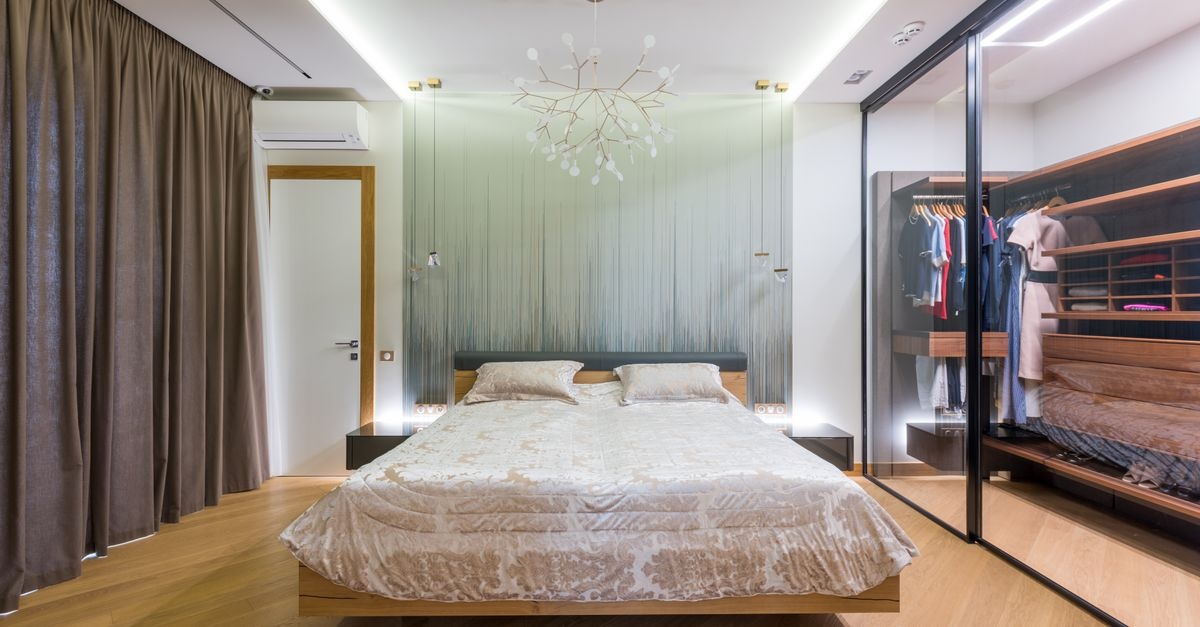
Flow-First Bedroom Design: Space-Savvy Walk-In Wardrobe Integration That Maximizes Every Inch
Flow-First Bedroom Design: Space-Savvy Walk-In Wardrobe Integration That Maximizes Every Inch
Your bedroom should move as smoothly as your morning routine. A flow-first approach treats circulation as the backbone of design, then layers storage, lighting, and furniture to support how you live. When you integrate a walk-in wardrobe with intention—not as a bulky afterthought—you unlock square footage you didn’t know you had, enhance calm, and simplify daily decisions. This article unpacks Walk‑in wardrobe bedroom layout optimization through practical dimensions, tested layouts, and buildable ideas for small, medium, and generous rooms alike.
What "Flow-First" Really Means
Flow-first design prioritizes how people move through the room over where furniture happens to fit. It reduces friction points, shortens morning routines, and ensures that storage isn’t just ample—it’s easy to use.
Map the Natural Circulation
- Primary route: Entry door → bed edge → window/bathroom → walk-in wardrobe → back to bed. Keep this corridor between 900–1,200 mm (36–48 in) clear.
- Secondary loops: Bedside → dresser/vanity → wardrobe → mirror. Avoid crossing paths or dead-ends.
- Hot spots: Inside corners, door swings, and the foot of the bed are common choke points. Nudge the wardrobe or bed to open these up.
Design for the Routine, Not the Room
- Morning sequence: Wake → restroom → wardrobe → mirror → exit. Position wardrobe closer to the bathroom or exit if it speeds you up.
- Evening sequence: Entry → wardrobe drop zone → hamper → bed. Create a clear, lit path from the door so clothes don’t pile up on the nearest chair.
- Two-person harmony: If you share, design parallel task areas (dual hanging, two mirrors) so you don’t compete for the same square meter.
Start With Numbers: Measure What Matters
Nothing optimizes a bedroom faster than dimensions aligned to human scale. Use these benchmarks as your template for space-savvy integration.
Room Shell and Constraints
- Wardrobe depth: 600 mm (24 in) finished depth fits standard hangers. Minimum workable depth is 550 mm (21.5 in) for slim profiles.
- Walkway clearance: 900 mm (36 in) minimum, 1,000–1,100 mm (39–43 in) ideal inside a walk-in corridor.
- Bed clearances: 600–760 mm (24–30 in) on each side; 900 mm (36 in) at foot if it’s a major traffic route.
- Door swing: Hinged doors need a 750–900 mm (30–36 in) arc. Sliding or pocket doors eliminate the swing and save space.
- Ceiling height: 2,400–2,700 mm (8–9 ft) typical. Use top 300–450 mm (12–18 in) for luggage or seasonal bins.
Interior Module Standards
- Short hang: 900–1,000 mm (35–39 in) vertical clearance for shirts, blazers, skirts.
- Long hang: 1,500–1,700 mm (59–67 in) for dresses, coats.
- Double hang: Stack two short hangs with a 50–75 mm (2–3 in) shelf between to double capacity.
- Drawers: 120–200 mm (5–8 in) tall for tees/lingerie; 200–250 mm (8–10 in) for knits/denim.
- Shoes: 180–220 mm (7–8.5 in) per tier; angled shelves at ~15° improve visibility.
Choosing the Right Wardrobe Type for Flow
The best layout isn’t a style—it’s a strategy. Match the wardrobe typology to your room’s circulation and measured constraints.
1) True Walk-In (Room-within-a-Room)
A dedicated enclosure with its own door, often along a wall or as a carved-out corner.
- Pros: Visual calm in the bedroom, dust control, easy to light and organize, premium resale appeal.
- Cons: Consumes floor area; requires smart planning to avoid a narrow, cramped feel.
- Best for: Medium to large bedrooms; rooms with a deep alcove.
2) Reach-In With Dressing Niche
Full-height built-ins plus a dedicated dressing zone with mirror and stool.
- Pros: Shallower footprint; great for small rooms; fewer walls to build.
- Cons: Less privacy; visual clutter if doors are open.
- Best for: Small bedrooms and studios.
3) Hybrid Headboard-Wardrobe Wall
The bed backs against a partition; wardrobe sits behind with a walkway on one or both sides.
- Pros: Creates a "suite" feel; centralizes services (lighting, outlets); excellent sound buffer.
- Cons: Needs at least 2,900–3,200 mm (9.5–10.5 ft) room width; careful acoustic detailing.
- Best for: Long, narrow rooms.
4) Galley Closet as Corridor
Two parallel wardrobe runs forming a passage to bathroom or window.
- Pros: Turns circulation into productive storage; strong morning flow.
- Cons: Requires 1,800–2,200 mm (71–87 in) width for comfort; must manage door noise at night.
- Best for: En-suite layouts.
Flow-Led Layout Scenarios by Room Size
Compact Room (10–12 m² / 108–130 ft²)
Prioritize sight lines and uninterrupted floor. Think wardrobe-wall plus a micro dressing niche.
- Layout: 600 mm deep built-ins along the longest wall; bed opposite with 600–650 mm side clearance; a mirror flush-mounted on wardrobe door.
- Doors: Sliding or fabric panels save swing space; pocket door for bath access if applicable.
- Tricks: Use mirrored panels to bounce light; keep flooring continuous under the wardrobe toe kick to visually enlarge the room.
Mid-Size Room (13–18 m² / 140–195 ft²)
Introduce a shallow walk-in or hybrid headboard wall.
- Layout: Create a 1,000–1,100 mm corridor behind a partial-height headboard; integrate hanging and drawers in the cavity.
- Zoning: Rug anchors sleeping zone; different ceiling light circuits distinguish wardrobe area.
- Doors: Pocket or flush sliders maintain calm and reduce visual weight.
Generous Room (19 m²+ / 200 ft²+)
Leverage an L- or U-shaped walk-in with an island or bench if clearance allows.
- Layout: 600 mm cabinets on two or three sides; minimum 1,000 mm clear aisle; shallow island (450–500 mm) for folding or jewelry.
- Suite feel: Align the wardrobe entry with the bed’s foot; frame with lighting to cue movement.
Bed–Wardrobe Relationship: The Heart of Flow
Clearances and Sight Lines
- Bed to wardrobe: Keep at least 900 mm (36 in) where doors/drawers open into the path.
- Headboard wall: Use wardrobes behind a headboard partition to hide clutter from bed view.
- Line of sight: From the bedroom door, avoid a direct view into open shelves—choose doors or a shallow return panel.
Acoustic and Light Control
- Soft-close everything: Hinges, drawer slides, and sliding door dampers keep early risers stealthy.
- Door strategies: Opaque or fluted glass tames visual noise while reflecting light.
- Night mode: Motion lights on low lumen with 15–30 sec timeout avoid wake-ups.
Door Systems: Pick the Right Mechanism
Hinged (Swing)
- Pros: Full access to interior; easiest to seal against dust.
- Cons: Needs swing clearance; can block circulation.
- Use when: You have 750–900 mm door arcs clear and want classic detailing.
Sliding
- Pros: Zero swing; large uninterrupted panels; ideal for mirrors.
- Cons: One side hidden at a time; track maintenance.
- Use when: Aisle is tight and you value a sleek look.
- Pros: Disappearing door; maximizes corridor efficiency.
- Cons: Requires wall cavity; pricier; avoid in plumbing walls.
- Use when: Creating a small walk-in entrance or separating bed and closet zones.
Textile Panels or Screens
- Pros: Budget-friendly; flexible; soft acoustics.
- Cons: Less dust control; casual aesthetic.
- Use when: Renting or testing a layout before investing.
Interior Organization: Storage That Thinks Like You Do
Great Walk‑in wardrobe bedroom layout optimization continues inside the cabinet. Design the interior to mirror your habits and garments.
Hanging Strategy
- Audit first: Count long-hang vs. short-hang pieces. Let the ratio drive module allocations.
- Valet zone: A pull-out valet rod near the entrance supports staging outfits.
- Season swap: Off-season items migrate to the top 300–450 mm shelf in breathable bins.
Drawers and Shelves
- Top drawers: Shallow (120–140 mm) for accessories; felt-lined for watches/jewelry.
- Mid drawers: 160–200 mm for tees and underwear; file-folding keeps visibility high.
- Deep drawers: 200–250 mm for knits and denim; add dividers to prevent piles from toppling.
- Open shelves: Reserve for frequently used items; install a lip to stop stacks from sliding.
Shoes and Bags
- Shoes: 180–220 mm per level; angled display for heels; flat shelves for sneakers/boots.
- Bags: Adjustable cubbies (250–350 mm wide) and purse hooks on side panels.
- Boots: Tall section or clips to hang by the pull tabs; cedar inserts fight odors.
Smart Add-Ons
- Pull-out hamper: Dual bins for lights/darks; vented.
- Ironing niche: Fold-out board with a dedicated outlet; heat-resistant shelf for steamer.
- Full-length mirror: Back of a door or end panel; 350–450 mm from entry is ergonomic.
Lighting: See Better, Choose Faster
Lighting is the quiet multiplier in flow-first bedrooms. It accelerates decision-making and keeps the mood restful.
Layered Approach
- Ambient: 100–150 lux overall; soft 2,700–3,000K in the sleeping area.
- Task: 300–500 lux inside wardrobe; 3,000–4,000K, CRI 90+ for true color.
- Accent: LED strips on cabinet undersides; toe-kick lighting for nighttime navigation.
Controls That Support Flow
- Motion sensors: Door-activated or PIR sensors with adjustable timeout.
- Dimmers: Separate circuits for bed and wardrobe areas to prevent over-bright spill.
- Outlets: Plan power for grooming tools, a steamer, and a charging shelf.
Materials, Color, and Acoustics
Finish Palettes That Expand Space
- Light, matte surfaces: Reduce glare and make small rooms feel larger.
- Continuous tones: Match wardrobe color to walls for a built-in, calm feel.
- Mirrors: Use sparingly on sliding panels to double perceived depth.
Sound and Touch
- Soft-close hardware: Essential for shared or small rooms.
- Textiles: Area rugs, fabric headboards, and drapery absorb sound from hard wardrobe surfaces.
- Handles: Leather tabs or rounded pulls reduce snags in tight aisles.
Sustainable Choices
- Low-VOC finishes and FSC-certified wood products improve indoor air quality.
- Recycled-content boards and powder-coated metals are durable and green.
Ventilation and Wardrobe Hygiene
Moisture Management
- Passive flow: Leave a 10–20 mm gap above doors or use louvered panels.
- Active assist: A silent mini fan or dehumidifier if your climate is humid.
- Breathable bins: Cotton or linen, never sealed plastic for long-term storage.
Odor and Dust Control
- Cedar or charcoal sachets in corners; replace quarterly.
- Shoe care zone: Tray or mat under shoes; easy-to-clean finishes near the floor.
Smart Tech That Upholds Flow
Automation
- Scenes: "Morning Dress" raises task lights and warms color temp; "Night Mode" dims wardrobe circuits.
- Sensors: Open-door triggers inside LEDs; occupancy sensors time out after 2–5 minutes.
Inventory and Planning
- QR-coded bins: Log off-season items; view contents without opening.
- Smart mirror: Optional, but great for weather and outfit planning if space allows.
Budget and Build Path
Good–Better–Best Options
- Good (Budget): Modular systems (e.g., adjustable rails), sliding curtains, basic LED strips, mirror on door.
- Better (Mid): Semi-custom carcasses, pocket doors, soft-close hardware, integrated motion lighting.
- Best (Premium): Full custom millwork, headboard-wardrobe partition, high-CRI lighting, smart controls, acoustic detailing.
DIY vs. Pro
- DIY-friendly: Measuring, module planning, assembling flat-pack, installing plug-in lights.
- Pro-needed: Pocket doors, electrical work, moving HVAC or plumbing, complex partitions.
Timeline Tips
- Plan: 1–2 weeks for measurements, layout iterations, and ordering.
- Build: 2–5 days for modular; 2–4 weeks for custom including finishing.
- Snag list: Reserve a day to adjust doors, align lighting sensors, and label interior zones.
Common Mistakes That Kill Flow
- Overbuilding walls: Shrinking a room with thick partitions when sliding systems or hybrids would do.
- Narrow aisles: Anything under 900 mm is frustrating long-term.
- No power plan: Forgetting outlets for grooming tools or a steamer.
- Harsh lighting: 4,000K+ glare in the sleeping zone—keep it warm and dimmable.
- One-size interiors: Ignoring your real wardrobe mix; tailor modules to you.
Step-by-Step: From Blank Room to Effortless Flow
- Audit your wardrobe: Tally short-hang, long-hang, shoes, accessories. Set ratios.
- Measure the shell: Lengths, widths, ceiling heights, door/window placements, heaters/vents, outlets.
- Choose a typology: True walk-in, reach-in + niche, headboard hybrid, or galley closet—based on circulation.
- Sketch flow paths: Mark 900–1,100 mm corridors. Ensure bed edges and wardrobe doors don’t collide.
- Assign modules: Map exact hanging, drawers, shelves per your audit. Reserve top space for seasonal bins.
- Select doors: Hinged for access, sliding for tight aisles, pocket to streamline entries.
- Plan lighting: Ambient/task layers, sensors, dimmers, color temps. Add outlets where needed.
- Pick finishes: Low-VOC, light matte tones, mirrors used strategically.
- Build and adjust: Install, test flow for a week, then tweak interior accessories and lighting timers.
Three Mini Case Studies
1) Narrow Room, Big Wardrobe Energy
Room: 3,200 × 4,200 mm (10.5 × 13.8 ft). Move: Headboard-wardrobe partition with dual side passages (950 mm each). Result: Bed faces calm wall; wardrobe invisible from bed; circulation never crosses.
2) Small Studio, Zero Wasted Steps
Room: 2,800 × 3,600 mm (9.2 × 11.8 ft). Move: One-wall 600 mm deep built-in with sliding doors; mirror panels; toe-kick LEDs on motion. Result: Bright, expanded feel; morning routine fully on one wall; no door swing conflicts.
3) En-Suite Suite
Room: 3,800 × 5,000 mm (12.5 × 16.4 ft). Move: Galley closet as corridor to bathroom; pocket doors at each end; 1,050 mm aisle. Result: Clothing access on the way to shower; excellent flow; quiet operation at night.
Advanced Tips for Maximum Yield
- Ceiling tricks: Drop the ceiling 50–75 mm over wardrobe runs to hide LED strips and add a soft glow.
- Toe-kick drawers: Capture the bottom 100–150 mm for flats or accessories in large rooms.
- Corner carousels: Use 90° corner solutions to avoid dead space in L-shaped runs.
- Unified plinths: One continuous base makes modular units look custom and easier to clean under.
- Mirror math: Place mirrors perpendicular to windows to bounce light without glare.
Secondary SEO Considerations (Naturally Woven)
Throughout, we’ve emphasized phrases like flow-first bedroom design, space-savvy wardrobe integration, bedroom layout optimization, walk-in closet planning, and custom built-ins to support discoverability without keyword stuffing. Where appropriate, we’ve referenced Walk‑in wardrobe bedroom layout optimization to anchor the theme while relying on synonyms and related terms for a natural read.
Room-by-Room Checklists
Pre-Build Checklist
- Confirm module depths and door clearances.
- Mark 900–1,100 mm corridors with painter’s tape.
- Decide door system: hinged, sliding, pocket, textile.
- Assign lighting circuits; choose color temps and CRI.
- Place outlets for grooming tools and a steamer.
- Select finishes (low-VOC), hardware, and mirror strategy.
Post-Install Tuning
- Adjust hinges and slides for perfect reveals.
- Program sensors and dimmers; set night mode.
- Label drawers subtly; add dividers and trays.
- Rehearse your routine; fix any new bottlenecks.
FAQs
How much space do I really need for a walk-in?
A functional single-aisle walk-in needs 600 mm (24 in) cabinets on one side plus a 900–1,000 mm (36–40 in) aisle: ~1,500–1,600 mm (59–63 in) total. For a galley, double that cabinet depth and keep a 1,000–1,100 mm aisle.
Sliding or hinged doors?
Choose sliding if your aisle is under 1,000 mm and you want clean lines. Choose hinged if you need full access and have swing clearance. Pocket doors shine for entries to the walk-in itself.
How do I keep the bedroom calm visually?
Unify finishes, use matte light tones, hide clutter behind doors, and reserve mirrors for strategic panels—not every surface.
What about ventilation inside the wardrobe?
Allow top or side gaps, consider louvered doors, and add a silent fan or dehumidifier in humid climates. Avoid sealed plastic bins for long-term storage.
Can I integrate a desk or vanity?
Yes. Position it along the wardrobe run with task lighting and a mirror. Ensure at least 900 mm clearance behind the chair when doors open.
Bringing It All Together
When you design for movement first, storage stops stealing space and starts creating it. By aligning clearances, door systems, lighting, and interior fittings with your actual routine, you achieve true Walk‑in wardrobe bedroom layout optimization—one that feels bigger, works faster, and stays serene. Whether you choose a slim reach-in with a dressing niche, a hybrid headboard wall, or a dedicated walk-in, the formula is the same: measure honestly, honor circulation, and let every millimeter serve a purpose.
Start with tape on the floor, not a catalog. Map your routes, then slot storage around them. The result is a bedroom that flows, a wardrobe that works, and a morning that finally runs on time.
Quick Reference: Numbers at a Glance
- Wardrobe depth: 600 mm (24 in) ideal; 550 mm (21.5 in) minimum
- Walkway: 900–1,100 mm (36–43 in) clear
- Bed clearance: 600–760 mm (24–30 in) sides; 900 mm (36 in) foot
- Short hang: 900–1,000 mm (35–39 in); Long hang: 1,500–1,700 mm (59–67 in)
- Task lighting: 300–500 lux, CRI 90+, 3,000–4,000K
Final SEO Note
For readers and search engines alike, this guide balances clarity with comprehensive detail. It integrates related phrases such as walk-in closet planning, bedroom layout optimization, and space-savvy wardrobe integration while referencing the core theme of Walk‑in wardrobe bedroom layout optimization sparingly and naturally. Use these principles to upgrade any bedroom—from micro to master—without sacrificing serenity or square footage.