From Antique to Amazing: Essential Tips for Renovating Bathrooms in Older Buildings
Renovating a bathroom in a historic home or pre-war apartment is a balancing act between honoring original character and achieving modern reliability. From brittle plumbing and quirky layouts to fragile substrates and heritage rules, success depends on thoughtful planning, precise execution, and respect for what lies behind the walls. In this comprehensive guide, you will find Bathroom renovation in old buildings–key tips for assessing structure, managing moisture, upgrading utilities, and designing a space that looks timeless yet performs flawlessly.
Why Older Bathrooms Need a Different Game Plan
Old buildings weren’t designed for today’s water- and energy-intensive lifestyles. They often conceal outdated wiring, undersized vents, and patched plumbing, not to mention original plaster, thin-set tile beds, or even lead and asbestos. A successful transformation requires forensic-level discovery, a robust moisture strategy, and a design that pairs heritage aesthetics with resilient, maintainable systems.
- Hidden complexity: Expect concealed damage, unusual framing, and legacy materials.
- Code compliance: Electrical and plumbing standards have changed dramatically since the space was built.
- Character preservation: Maintain period charm without sacrificing waterproofing, safety, or comfort.
Start With a Smart Assessment
Before you buy tile or sketch layouts, prioritize a condition survey. A thorough assessment de-risks your budget and informs key design decisions.
Structural Reality Check
- Joists and subflooring: Check for rot, sagging, or notches from old plumbing. Reinforce spans and replace punky boards before adding heavy finishes like stone.
- Load paths: Verify that walls slated for alteration are not load-bearing. Use an engineer when in doubt.
- Floor deflection: Tile and stone require stiffer floors. Measure and upgrade to meet L/720 for stone and L/360 for tile.
Moisture, Mold, and Previous Leaks
- Probe for softness: Window sills, tub surrounds, and corners often conceal rot.
- Infrared and moisture meters: Identify hidden dampness behind plaster or backer boards.
- Source control: Track stains to failed grout, cracked mastic, leaky stacks, or poor ventilation.
Legacy Health Hazards
- Lead: Painted trims and old glazes may contain lead. Use RRP-compliant containment and certified pros.
- Asbestos: Old vinyl, mastics, cement board, and popcorn ceilings may be ACM; test before disturbance.
- Galvanized supply and cast-iron waste: Corrosion and scaling compromise flow; plan replacements strategically.
Permits, Codes, and Heritage Rules
Skipping approvals in older buildings can be costly. Navigate regulations early so your design and timeline remain realistic.
Permits and Inspections
- Plumbing and electrical permits: Required for most system changes. Expect rough-in and final inspections.
- Structural permits: Needed for framing changes or joist sistering in many jurisdictions.
- Condo/co-op approvals: House rules can limit work hours, materials, or wet-area relocation.
Landmark and Historic Review
- Exterior impact: Window replacements or vent penetrations may need landmark sign-off.
- Reversibility: Some commissions favor solutions that are reversible and preserve fabric.
- Documentation: Photographs, drawings, and product specs streamline approvals.
Plumbing Upgrades That Actually Last
In older buildings, plumbing is the backbone of reliability. Address supply lines, waste stacks, and venting with a long-term lens.
Waste, Venting, and Traps
- Cast-iron stacks: Inspect for cracks, leaks at hubs, and corrosion. Replace sections as needed.
- Vent integrity: Proper venting prevents gurgling traps and sewer gas. Avoid AAVs unless permitted and truly necessary.
- Trap selection: Use deep, serviceable traps. Avoid S-traps; P-traps with proper venting are standard.
Supply Lines and Pressure
- Repiping materials: Copper Type L, PEX-a with manifold systems, or PEX-b with crimp rings are durable options.
- Scaling and rust: Replace galvanized lines to prevent low flow and rusty water.
- Mixing valves: Thermostatic valves offer scald protection and steady temperatures.
Fixture Placement and Relocation
- Wet room vs. partitioned: Compact historic footprints benefit from curbless showers and floating vanities.
- Relocating stacks: Often infeasible in multi-unit buildings; plan around existing locations.
- Noise control: Use cast-iron or sound-deadening wraps for quiet drains in shared walls.
Waterproofing and Moisture Control
Durable bathrooms are dry bathrooms. In legacy structures, choose systems that respect substrates while delivering modern protection.
Shower Pans and Membranes
- Topical sheet membranes: Reduce build height and dry faster than traditional mud beds with liners.
- Liquid-applied barriers: Great for niches and irregular surfaces; follow mil-thickness specs.
- Pre-slope and drains: Always pre-slope to the weep holes; protect weeps during mortar placement.
Vapor Control and Ventilation
- Vapor retarder: Use a single, continuous strategy—either behind the board or on the surface—to prevent moisture sandwiching.
- Exhaust sizing: At least 1 CFM per square foot for showers; verify equivalent duct length limits.
- Make-up air and timers: Pair the fan with a humidity or run-on timer for effective drying.
Tile, Grout, and Backer Boards
- Backer selection: Cement board or fiber-cement for wet walls; avoid plain drywall in showers.
- Grout type: Epoxy resists stains and moisture; high-performance cement grouts are a solid alternative.
- Movement joints: Use soft joints at perimeters and changes of plane—even tiny historic rooms move.
Electrical Modernization Without Compromise
Older wiring can be unsafe or undersized. Upgrading service to modern standards enhances safety and comfort without sacrificing historic charm.
Safety First
- Dedicated circuits: Provide at least one 20A circuit for receptacles and a separate circuit for lighting/venting.
- GFCI and AFCI: Combine protection as required by code; use WR-rated outlets near potential splash zones.
- Bonding: Properly bond metallic piping and consider equipotential bonding in wet rooms where required.
Lighting Layers
- Ambient: Ceiling fixtures or recessed cans set overall light levels.
- Task: Vertical sconces at eye level minimize shadows for grooming.
- Accent: Toe-kick or niche lights add safety and nighttime usability.
Comfort Features
- Heated floors: Low-profile mats suit older subfloors; use dedicated thermostats.
- Defogging mirrors: Tie to fan or motion sensors for efficiency.
- Smart controls: Integrate occupancy sensors and humidity control without visual clutter.
Designing for Small, Quirky Spaces
Many vintage bathrooms are compact, with odd angles and narrow doors. Clever layouts and space-saving fixtures can make them feel larger and perform better.
Layout Optimization
- Pocket or outward-swinging doors: Free valuable interior clearances.
- Wall-hung fixtures: Toilets and vanities open floor area and simplify cleaning.
- Curbless showers: Improve accessibility and expand visual space; ensure proper slope and linear drains.
Storage That Doesn’t Overwhelm
- Recessed niches: Between studs, add niches for toiletries and medicine cabinets with integrated lighting.
- Built-ins: Shallow, framed cabinets in stud bays respect plaster lines while adding capacity.
- Multi-function accessories: Mirror cabinets, heated towel ladders, and shelving above doors.
Honoring History While Embracing Today
The magic of renovating in older buildings is blending period-authentic touches with efficient, durable finishes. Aim for sympathetic design decisions that feel original to the home—without reintroducing the moisture problems of the past.
Material and Finish Strategy
- Tile selections: Subway, hex, or basketweave patterns nod to tradition while allowing modern grout and membranes.
- Authentic metals: Unlacquered brass or polished nickel can patinate naturally; choose quality valves behind the wall.
- Refined contrasts: Pair vintage silhouettes with matte, repairable surfaces and simple profiles.
Salvage and Restoration
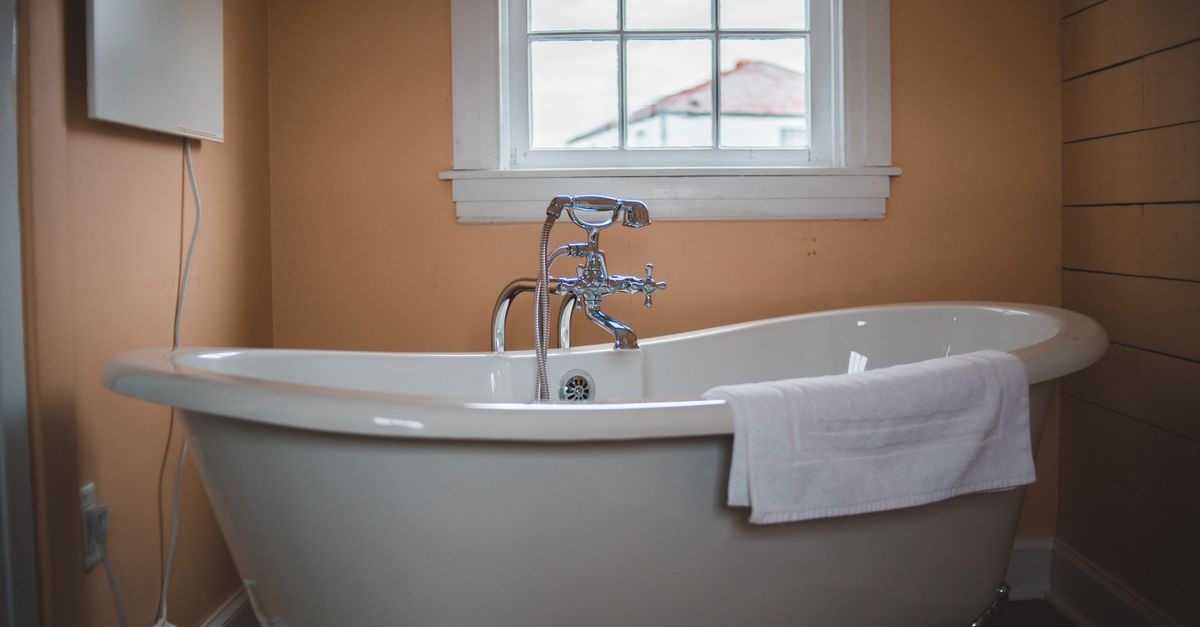
- Re-enamel cast-iron tubs: When structurally sound, refinishing preserves heft and heat retention.
- Refurbish doors and trims: Strip lead safely, then re-prime with bonding primers and durable topcoats.
- Classic lighting: Period sconces rewired to code deliver character with modern safety.
Energy and Water Performance
Heritage charm doesn’t preclude frugality. Smart choices save water and energy while elevating comfort.
- Low-flow, high-comfort: Look for WaterSense fixtures and air-injected spray patterns.
- Hot water strategy: Insulate lines, consider a recirculation loop with demand control, and size heaters correctly.
- Thermal upgrades: Add insulation behind new wallboard where feasible; use appropriate vapor control.
- Natural light: Maximize transoms or interior windows to borrow light without compromising privacy.
Budgeting for the Real World
Renovations in old buildings are notorious for surprises. A well-structured budget keeps your project resilient and transparent.
Build the Right Budget
- Baseline scope: Demolition, disposal, framing repairs, plumbing, electrical, waterproofing, finishes.
- Contingency: 15–25% is prudent for legacy conditions and hidden damage.
- Allowances: Use allowances for yet-to-be-selected items (tile, vanity, fixtures) to protect the schedule.
Cost Drivers to Watch
- Relocation of stacks or fixtures: Major cost inflator—design around existing pipes where possible.
- Substrate failures: Rot and out-of-level floors require framing upgrades and self-leveling compounds.
- Custom glass and millwork: Gorgeous but pricey; order early to avoid delays.
Construction Logistics in Tight or Shared Buildings
Pre-war apartments and rowhouses complicate staging, access, and noise. Plan logistics as carefully as the design.
- Protection and dust control: Zip walls, negative air, HEPA vacuums, and floor protection are essential.
- Stairwells and elevators: Measure clearances for tubs, vanities, and glass. Coordinate delivery windows.
- Waste management: Arrange proper hauling; some buildings ban chutes or require sealed bins.
- Neighbor relations: Post notices, follow quiet hours, and manage odors and ventilation responsibly.
Common Mistakes to Avoid
- Skipping a moisture plan: Waterproofing is not optional; use tested systems and follow specs.
- Tile over mystery substrates: Remove failing layers; set tile over flat, stable, appropriate backers.
- Under-ventilating: Undersized fans and long, kinked ducts trap humidity and invite mold.
- Fixture crowding: Respect clearances and door swings; tiny rooms still need ergonomic spacing.
- Ignoring access panels: Conceal gracefully, but leave service access for valves and traps.
- Over-polishing the past: Don’t eliminate all patina; balanced character feels authentic, not themed.
Timeline and Phasing Overview
Every building is unique, but a disciplined sequence helps prevent rework and change orders.
- Discovery and design: Measure, test for hazards, open test pockets, and develop drawings and specs.
- Approvals: Secure permits, board consent, and any historic reviews.
- Procurement: Order long-lead items (tile, glass, custom vanity, special valves).
- Protection and demo: Set containment and remove finishes down to sound substrates.
- Framing and subfloor: Reinforce joists, flatten walls, and establish slopes for showers.
- Rough-in: Plumbing and electrical to final locations; pressure test and rough inspection.
- Waterproofing: Install membranes, flood test pans, and pass inspections where required.
- Close-in: Backer boards, mud work, and primer where appropriate.
- Tile and finishes: Set tile, grout, paint, and install lighting and ventilation.
- Fixture set: Mount vanities, toilets, glass, and accessories; caulk with appropriate sealants.
- Commissioning: Check slopes, run fans, test GFCI/AFCI, and verify no leaks or drips.
- Handover: Provide maintenance manuals and warranty documents.
Maintenance for the Long Haul
A thoughtful renovation is only as good as its care plan. Build maintenance into your routine to protect your investment.
- Ventilation discipline: Run the fan during showers and 20 minutes after. Clean grilles quarterly.
- Sealants and grout: Inspect annually; refresh silicone at movement joints and re-seal porous grout as needed.
- Water quality: Use filters if scale is heavy; descale fixtures and shower heads periodically.
- Access checks: Open panels to inspect valves and traps for early signs of leaks.
Frequently Asked Questions
Can I move my toilet or shower in a landmarked building?
Possibly, but it’s often restricted by stack locations, structural limits, and approvals. In multi-unit buildings, moving waste lines may be discouraged or banned. Instead, optimize layout with wall-hung fixtures, pocket doors, or a curbless shower. This aligns with Bathroom renovation in old buildings–key tips that prioritize feasibility and reliability over dramatic but risky relocations.
Do I need to replace all cast-iron waste pipes?
Not always. If sections are sound, targeted replacement may suffice. Use camera inspections to assess condition and combine with acoustic or dye tests to identify leaks. When replacing, use no-hub cast iron for noise control and longevity, or PVC where permitted, with proper firestopping in shafts.
What’s the best underlayment for tile in older homes?
It depends on your subfloor. Cement backer board over a flat, properly fastened subfloor is a reliable baseline. Uncoupling membranes reduce stress from movement. For plank subfloors, add exterior-grade plywood before membranes or boards to improve stiffness and flatness.
How do I ventilate without damaging historic façades?
Look for existing shafts, reline them if needed, and specify low-profile exterior hoods. In some cases, continuous ERV systems or in-line fans allow longer runs with quieter operation. Always coordinate with preservation bodies if penetrations are visible.
How can I keep the vintage look but avoid constant upkeep?
Use classic forms with modern materials: porcelain hex tiles with epoxy grout, quartz slabs that mimic marble, and unlacquered metals where patina is welcome. Opt for factory-finished wood and high-quality primers/topcoats for trims.
Case Study Snapshot: A Pre-War Apartment Refresh
A 1930s bath with hex-tile floors and a pedestal sink suffered from corroded supply lines and poor ventilation. The team preserved the tub by refinishing, added a wall-hung toilet to save space, and rebuilt the shower with a linear drain and sheet membrane. A humidity-sensing fan exhausted into a relined shaft, and the medicine cabinet was recessed between studs. The result maintained vintage charm while delivering quiet, leak-free performance and lower utility bills—an embodiment of prudent, character-forward renovation.
Your Renovation Roadmap
Successful projects follow a pattern: respect the building, modernize the systems, and deliver beauty that’s built on performance. Use this condensed checklist to guide your next steps:
- Discovery: Test for hazards, open strategic inspection holes, and document conditions.
- Design and approvals: Align with codes, boards, and any historic mandates early.
- Systems first: Prioritize plumbing, waterproofing, and ventilation before finishes.
- Space-smart design: Embrace wall-hung fixtures, curbless entries, and layered lighting.
- Finish wisely: Classic patterns with modern membranes, grouts, and sealants.
- Commission and maintain: Verify performance and set a simple maintenance schedule.
Conclusion: Preservation Meets Performance
Older buildings are full of stories—and surprises. With methodical assessments, robust moisture control, and respectful design, your bathroom can become a resilient, comfortable sanctuary that still belongs to the home’s original era. Keep these Bathroom renovation in old buildings–key tips at hand as you plan: investigate thoroughly, upgrade the invisible systems, choose finishes that work as hard as they look, and stage the build to protect neighbors and original fabric. Done right, you’ll step into a space that feels authentically historic and effortlessly modern, day after day.