From Echo to Oasis: Smart Soundproofing Strategies for Brick Walls
From Echo to Oasis: Smart Soundproofing Strategies for Brick Walls
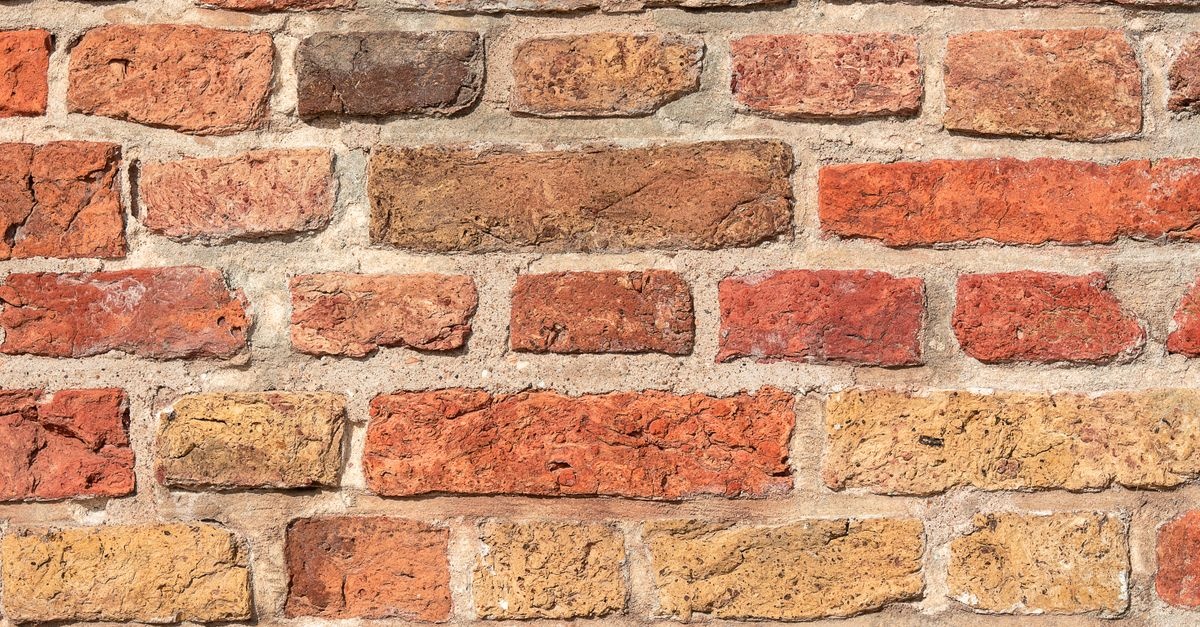
Brick has a timeless appeal—earthy texture, thermal mass, and an unmistakable sense of permanence. Yet its very strengths can hide audio weaknesses: hard, reflective surfaces that fuel reverb inside a room and flanking paths that sneak sound through gaps, joists, and openings. If you’ve tried thick curtains and rugs but still hear conversation bleeding from a neighbor’s flat, or if music mixes sound boxy in your studio, it’s time for a more strategic approach. In this deep dive, we map the physics of sound, explore build-proven assemblies, and present acoustic insulation ideas for brick walls that transform echo-prone spaces into calm, private places.
Why Brick Walls Echo—and What You Can Actually Fix
Two different problems commonly get bundled together as “bad acoustics” in brick rooms:
- Reverberation inside the room (echo, slap-back, harsh reflections). This is about sound quality, not sound leakage. Brick is reflective; without enough absorption, sound bounces between parallel surfaces.
- Sound transmission through or around the wall (voices, TV, traffic, bass). This is about sound isolation—limiting how much noise leaves or enters the room through the assembly and flanking paths.
Because brick already offers significant mass, the remaining issues tend to be: hard-surface reflections, weak points (outlets, vents, window frames), and connections to adjacent structures (floor joists, ceiling plaster, or party-wall cavities). The smartest solutions target the exact pathways rather than relying on “miracle” paints or thin foams that often disappoint.
The Principles That Guide Every Soundproofing Decision
Airborne, Impact, and Structure-Borne Noise
Isolation strategies shift depending on the type of noise:
- Airborne: speech, TV, music. These ride on air pressure waves. Isolation focuses on sealing, mass, and decoupling.
- Impact: footsteps upstairs, door slams, construction vibration. These travel through the structure; solutions live at the impact source (floating floors, isolation mounts) or through decoupling.
- Structure-borne/low-frequency: bass, heavy traffic rumble. Requires mass, damping, and decoupling; expect diminishing returns without robust assemblies.
The Four Pillars: Mass, Decoupling, Damping, and Absorption
- Mass: Heavier assemblies block more airborne sound. Brick already provides mass; adding dense layers (e.g., double gypsum) still helps—especially when combined with other pillars.
- Decoupling: Breaks rigid connections to stop vibration transfer. Resilient channels, isolation clips, and independent stud walls excel here.
- Damping: Converts vibrational energy into heat within a sandwich of layers. Viscoelastic compounds between gypsum sheets are effective.
- Absorption: Porous materials (mineral wool) reduce cavity resonances and control room echo. Absorption inside the wall improves isolation; absorption on the wall improves in-room sound clarity.
STC, Low Frequencies, and What Numbers Don’t Tell You
STC (Sound Transmission Class) is a lab rating focused on mid to high frequencies. A single-brick wall might land in the mid-40s STC; double-leaf masonry often rates higher. But STC underrepresents low-frequency bass, which is why a wall that “tests well” can still leak thumps. Expect the biggest wins from assemblies that add mass and break mechanical connections, paired with airtight detailing.
Before You Build: Diagnose the Real Sound Paths
Map the Noise
Stand near the wall during noise events. Do you hear words clearly (airborne leak) or mostly bass (structure-borne)? Check edges and penetrations: outlets, window perimeters, radiator penetrations, and the junctions at ceilings and floors. Don’t ignore adjacent walls; sound can flank around a heavy wall through lighter paths.
Quick Tools and Tests
- SPL meter or phone app: Measure baseline levels (A-weighted and C-weighted). C-weighted will reveal bass issues.
- Frequency sweeps: Use tone generator apps and listen for resonant booms.
- Smoke pencil/incense: Identify drafts that also carry sound.
- Flashlight test: From the other side of outlets or gaps (where accessible), look for light leaks.
Moisture, Thermal, and Code Constraints
Brick breathes and buffers moisture. Adding impermeable layers can trap humidity and create condensation risk—particularly in cold climates. Plan for:
- Vapor-open finishes where exterior brick lacks modern moisture barriers.
- Capillary breaks and air gaps when building a new lining wall.
- Fire rating continuity on party walls and egress paths.
- Historic or HOA restrictions that limit drilling or exterior changes.
Addressing these issues first sets realistic expectations and guides whether you opt for thin on-wall upgrades or a decoupled lining wall.
Smart Upgrades Applied Directly to Brick
When space is tight or you need a reversible upgrade, consider these approaches. They won’t match a fully decoupled wall, but they can deliver meaningful improvements—especially on speech frequencies.
Paint-On Acoustic Coatings: Expect Modest Gains
“Acoustic paint” slightly increases surface damping and high-frequency absorption. It won’t block neighbor noise or bass, but it can shave a few decibels of flutter echo. Use it as a cosmetic finish after the isolation work—not as a substitute for mass or decoupling.
Mass-Loaded Vinyl (MLV) with Furring Strips
MLV adds flexible mass without much thickness. For brick walls:
- Prep: Clean and level the brick. Address any efflorescence and seal dusting with a vapor-open primer where needed.
- Isolation battens: Install narrow isolation furring strips (with neoprene pads) to create a thin air space.
- Hang MLV: Overlap seams and seal with compatible tape; keep it continuous at corners.
- Face layer: Add 2 layers of 5/8 in gypsum; apply damping compound between layers. Stagger seams.
- Seal: Perimeter acoustic caulk, putty pads at outlets, and backer rod where gaps exceed 1/4 in.
Why it works: MLV contributes mass while the small cavity and decoupled furring reduce vibration bridging. Expect a noticeable improvement on speech and midrange; low-frequency gains will be modest but real when combined with double gypsum and damping.
Resilient Channels or Isolation Clips + Double Gypsum + Damping
Mounting a new face layer on resilient channels or isolation clips with hat channels is a proven route:
- Clips/Channels: Fasten isolation clips to the brick (masonry anchors), then snap in hat channels per manufacturer spacing.
- Insulate cavity: If using deeper channels, lightly fill the gap with mineral wool (don’t overpack).
- Boarding: Install 2 layers of 5/8 in gypsum; add damping compound between layers.
- Airtight finish: Acoustic sealant at edges, putty pads behind outlets, gasket behind baseboards.
Result: This assembly decouples the face layer from the brick, introducing damping and extra mass. Compared with a direct-to-brick lining, clip-and-channel systems often deliver stronger and more consistent results, particularly against speech frequencies and some bass.
Acoustic Plaster Systems Over Perforated Boards
For design-forward spaces, acoustic plaster over micro-perforated boards can tame in-room reverberation while preserving a monolithic look. While primarily an absorption strategy (not isolation), pairing acoustic plaster with a sealed, decoupled lining behind it yields rooms that both sound good and stay quiet.
Decoupled Lining Walls That Preserve Character
Where isolation is the priority—party walls, media rooms, or street-facing facades—an independent lining wall is the gold standard. Done right, it allows you to keep the brick visible in select zones while blocking serious noise elsewhere.
Independent Stud Wall with Mineral Wool (Best Isolation)
- Framing: Build a new 2x3 or 2x4 stud wall not touching the brick (leave a 1 in air gap). Use isolation foam at the sole plate on floors; avoid hard connections to ceiling joists if they tie to the noisy side.
- Insulation: Fit mineral wool batts between studs. Their density improves mid to high-frequency isolation and dampens cavity resonances.
- Boarding: Two layers of 5/8 in gypsum with damping compound between them. Consider staggered seams and different board thicknesses to avoid coincident resonances.
- Sealing: Acoustic caulk at all perimeters. Treat every penetration with putty pads or gaskets.
Performance: Robust improvement in STC (often +12 to +20 compared to bare brick, depending on configuration and flanking). Bass control improves but remains the toughest challenge—floor and ceiling treatments may still be needed for subwoofer-level energy.
Slim Service Wall (Space-Saving Compromise)
If every inch counts, try a slim service wall using isolation clips and shallow hat channels to create a 1 to 1.5 in cavity:
- Fill cavity lightly with 1 in mineral wool.
- Mount 2 layers of 1/2 or 5/8 in gypsum with damping compound.
- Seal everything airtight; route cables within the new cavity to avoid puncturing the air/vapor line repeatedly.
Outcome: Not as strong as a fully independent wall, but significantly better than bare brick or a single added layer. A credible choice for bedrooms, studies, or rental-friendly upgrades (subject to fixings policy).
Floating Panels and Art as Absorbers (Aesthetic Echo Control)
To quiet reflections while celebrating brick, deploy decorative acoustic panels or fabric-wrapped art on Z-clips, leaving the masonry largely visible. These treatments improve speech clarity and listening comfort without meaningfully increasing isolation. They’re ideal companions to the heavier isolation work happening elsewhere in the room envelope.
Flanking Noise: The Usual Suspects Around Brick
Outlets, Radiators, and Chimney Chases
- Outlets: Back-to-back boxes are notorious. Stagger them or use acoustic putty pads and sealed box extenders.
- Radiators: Penetrations and recesses can short-circuit mass. Seal gaps with high-temperature sealants; consider lining recesses with board + damping.
- Chimney chases: Often hollow. Cap unused flues (respect code), add mineral wool where safe, and seal face plates.
Doors and Windows in Brick Openings
- Doors: Upgrade to solid-core slabs, add perimeter seals and automatic door bottoms. Consider a second lobby door for recording suites.
- Windows: Secondary glazing (interior inserts) creates a decoupled air space. Seal frames with backer rod + acoustical caulk. Heavy curtains help with echo but not isolation; still use them for comfort.
Ceiling and Floor Intersections
Sound often bypasses heavy walls via floor joists and ceiling cavities. If isolation falls short, treat the ceiling (isolation clips + double gypsum + damping) and seal the wall-to-ceiling junction with compressible tape and acoustic sealant. At floors, dense underlayments and perimeter isolation strips limit impact noise flanking.
Acoustic Insulation Ideas for Brick Walls: Room-by-Room Playbook
Different spaces call for different priorities. Here are tactical packages—balanced, buildable, and respectful of finishes and budgets. This section showcases acoustic insulation ideas for brick walls in real-world contexts.
Apartments and Party Walls
- Goal: Reduce speech, TV, and moderate bass from neighbors while preserving floor area.
- Package: Isolation clips + hat channels, 1 in mineral wool in the cavity, 2 layers of 5/8 in gypsum with damping, airtight perimeter. Treat outlets with putty pads; add secondary glazing if windows are involved.
- Result: Substantial cut in audibility of normal speech and TV; bass improved but not eliminated.
Home Studios and Theaters
- Goal: Strong isolation for late-night sessions, plus controlled in-room acoustics.
- Package: Independent stud wall with mineral wool, double 5/8 in gypsum with damping. Pair with ceiling isolation, floating floor where feasible, and address door/window assemblies with studio-grade seals. Add broadband absorbers and bass traps for mix clarity.
- Result: Big step up in isolation, with consistent frequency response inside the room.
Offices and Conference Rooms
- Goal: Speech privacy and low echo for intelligible calls.
- Package: Slim service wall with light mineral wool, double gypsum + damping, sealed perimeters. Add absorptive ceiling tiles or clouds and select wall panels at first reflection points.
- Result: Confidentiality improves; voices sound natural, not harsh.
Restaurants and Cafés
- Goal: Lower reverberation without losing the brick vibe; block street noise where possible.
- Package: Acoustic plaster or fabric panels for absorption; secondary glazing on street-facing openings; targeted decoupled lining on select party walls or the bar back.
- Result: Comfortable buzz without clatter; better conversation across a table.
Materials Guide: What Works, Where, and Why
- Mineral wool (rockwool): Excellent in cavities for isolation and as broadband absorbers on walls. Moisture-resistant and fire-safe.
- Mass-loaded vinyl: Flexible mass layer that helps when integrated with a cavity and decoupling; rarely transformative alone.
- Gypsum board (drywall): Cheap mass. Two layers with a damping compound significantly outperform a single layer.
- Damping compounds: Viscoelastic adhesives between rigid layers convert vibration to heat. Big bang-for-buck in many assemblies.
- Resilient channels and isolation clips: Provide controlled decoupling; avoid short-circuiting with long screws.
- Acoustic sealant: Remains flexible to maintain the air seal through seasonal movement.
- Backer rod: Fills deep gaps before sealant so the bead stays the right shape (hourglass) and doesn’t fail.
- Putty pads and box extenders: Restore the integrity of the barrier at electrical penetrations.
- Door seals and automatic door bottoms: Critical for privacy; a tiny gap leaks like a big hole.
- Window inserts/secondary glazing: Create decoupled air spaces that dramatically boost performance compared to single panes.
- Acoustic panels/baffles: Improve room acoustics (absorption), not isolation, but essential for comfort.
- Acoustic plaster systems: Invisible absorption for design-led spaces; pair with isolation elsewhere.
- Rigid foam: Great thermally, poor acoustically in thin layers. Don’t expect isolation from foam alone.
- Cork and linoleum: Helpful for impact noise under floors; limited wall isolation benefits.
Fire, Moisture, and Sustainability Notes
- Fire rating continuity: Keep or improve fire separation on party walls; use fire-rated boards and details.
- Moisture handling: Use vapor-open approaches where exterior masonry lacks modern weather barriers; avoid trapping moisture behind non-breathable membranes.
- Low-VOC selections: Choose low-emission sealants, paints, and damping compounds—especially for bedrooms and studios.
- Recycled content: Mineral wool often contains recycled slag; gypsum can include recycled paper and synthetic gypsum.
Cost vs. Performance: Good, Better, Best
Good: Targeted Sealing and Thin Lining
- Scope: Perimeter sealing, putty pads, MLV on isolation battens, single added gypsum layer with damping.
- Budget (materials): Roughly $4–$8 per sq ft, plus fixture upgrades (outlets, seals).
- Expect: Noticeable speech reduction and cleaner midrange; modest bass improvement.
Better: Clip-and-Channel with Double Gypsum
- Scope: Isolation clips + hat channels, 1 in mineral wool, 2 layers of 5/8 in gypsum with damping, airtight perimeters.
- Budget (materials): About $8–$14 per sq ft.
- Expect: Strong cut in everyday noise; many users report the neighbor’s TV and conversation becoming indistinct mumble.
Best: Independent Stud Wall
- Scope: Free-standing wall with mineral wool, double 5/8 in gypsum + damping, careful detailing at floor/ceiling transitions.
- Budget (materials): Approximately $14–$25 per sq ft (more with premium finishes or complex trims).
- Expect: Significant isolation gains across speech and music, with the best chance at taming bass short of floating floors and full room-in-room builds.
Note: Labor rates vary widely; always seek quotes and factor waste, fasteners, sealants, trims, and painting.
Installation Tips and Mistakes to Avoid
Key Practices
- Don’t short-circuit decoupling: Use the right screw lengths; never let fasteners penetrate into the brick when using channels or independent studs.
- Seal as you go: Every board layer should be perimeter-sealed before the next goes on. One missed gap can dominate leakage.
- Stagger seams: Between board layers and at corners to avoid weak lines.
- Mind the junctions: Transition details at floors and ceilings are as important as the field of the wall.
- Service penetrations: Group wiring paths and use box extenders; avoid swiss-cheesing your new barrier.
- Respect moisture: Keep small air gaps, use vapor-open primers where needed, and don’t sandwich wet masonry.
Common Pitfalls
- “Thin miracle” products: 2 mm foams don’t stop neighbor noise. Without mass, decoupling, and airtightness, results will disappoint.
- Skipping damping: Two layers of board without damping underperform a damped sandwich by a clear margin.
- Hard bridging: Baseboards, radiators, or cabinetry rigidly fixing through the assembly can defeat isolation.
- Unsealed perimeters: Even tiny gaps act like open windows to sound.
Verifying Performance and Maintaining the Gains
Test After You Build
- SPL spot checks: Repeat baseline tests with the same noise source. Look for 5–15 dB improvements on speech bands for mid-tier builds.
- Frequency sweeps: Identify residual boomy bands; add targeted absorption (bass traps) inside the room if needed.
- Door/window audits: Listen for leaks; adjust strike plates and seals until latches compress gaskets evenly.
Seasonal Movement and Seal Care
- Flexible sealants: Check perimeter beads annually; re-tool if cracks appear.
- Humidity swings: In older masonry, maintain gentle humidity ranges to limit movement and plaster micro-cracks.
- Hardware tune-ups: Door sweep tension and window latch compression drift over time—reset as needed.
FAQs: Fast Answers to Common Brick Wall Questions
Q: Will acoustic paint or thin foam stop my neighbor’s TV?
A: Not meaningfully. They may tame echo but won’t block airborne sound. Add mass, decoupling, and airtight sealing for real isolation.
Q: How much space do I lose with a proper lining?
A: Clip-and-channel systems add about 1.5 to 2.5 in; independent stud walls around 3.5 to 5 in depending on framing and finishes.
Q: Can I keep exposed brick and still soundproof?
A: Yes—treat the noisiest sections with a lining wall and use absorptive decor elsewhere. Consider keeping a feature brick area while isolating the majority surface.
Q: What about moisture in old masonry?
A: Favor vapor-open primers and leave a small air gap behind new linings. Avoid trapping moisture with impermeable membranes unless the exterior is fully weather-managed.
Q: Do I need Green Glue or similar damping?
A: It’s one of the most cost-effective upgrades between board layers, often yielding a larger improvement than a third undamped layer.
Pulling It Together: A Practical Action Plan
- 1) Diagnose: Identify dominant noise types and flanking paths. Measure baseline SPL.
- 2) Choose an assembly: For modest upgrades, use clip-and-channel plus double gypsum and damping. For maximum isolation, build an independent stud wall with mineral wool.
- 3) Seal relentlessly: Perimeters, penetrations, and trim lines with acoustic sealant and backer rod.
- 4) Treat flanking: Doors, windows, ceilings, and floors. A weak link will cap performance.
- 5) Tune the room: Add absorbers or acoustic plaster to tame echo and improve clarity.
- 6) Verify and maintain: Re-test, adjust seals, and monitor seasonal shifts.
From modest refreshes to full decoupled liners, these acoustic insulation ideas for brick walls meet you where your space and budget sit. By combining mass, decoupling, damping, and airtightness—and respecting the realities of masonry and moisture—you can move from echo to oasis with confidence, craft, and measurable results.
Bonus: Thin, Rental-Friendly Tactics
Low-Impact Moves That Still Help
- Window inserts: Removable interior panels that dramatically reduce street noise without altering exterior facades.
- Sealant-only perimeter pass: Non-destructive and cost-effective; focus on baseboard lines and window returns.
- Freestanding absorbers: Fabric-wrapped panels on stands to reduce echo; pair with rugs and soft seating.
- Bookcases with backing: Add mass and some diffusion; not isolation-grade, but better than bare brick.
These keep walls largely intact while delivering audible comfort gains. When lease terms end, removal is quick with minimal patching.
Conclusion
Brick gives rooms soul, but it needs help to give them silence. By diagnosing your noise type, choosing assemblies that balance mass, decoupling, damping, and absorption, and sealing like your results depend on it (they do), you can achieve serious isolation and beautiful sound. Whether you’re lining a party wall, crafting a home studio, or calming a café, the strategies above offer acoustic insulation ideas for brick walls that work in the real world—no miracles, just physics done well.