Beyond the Concrete: Solving the Toughest Apartment Renovation Headaches in Block Buildings
Introduction
Renovating an apartment in a concrete block building is a high-stakes exercise in creativity and constraint-management. You have a fixed structural grid, legacy materials, shared building systems, and neighbors on all sides. Yet with a smart plan, the right experts, and a sequence that respects how these buildings are put together, you can transform a dated, noisy flat into a durable, light-filled home. This in-depth guide walks you beyond the concrete—through structure, plumbing stacks, ventilation, sound control, logistics, and design—so you can solve the toughest Apartment renovation problems in block buildings without derailing your budget, schedule, or sanity.
What Makes Block Buildings Unique?
Prefab DNA, Concrete Panels, and Load-Bearing Reality
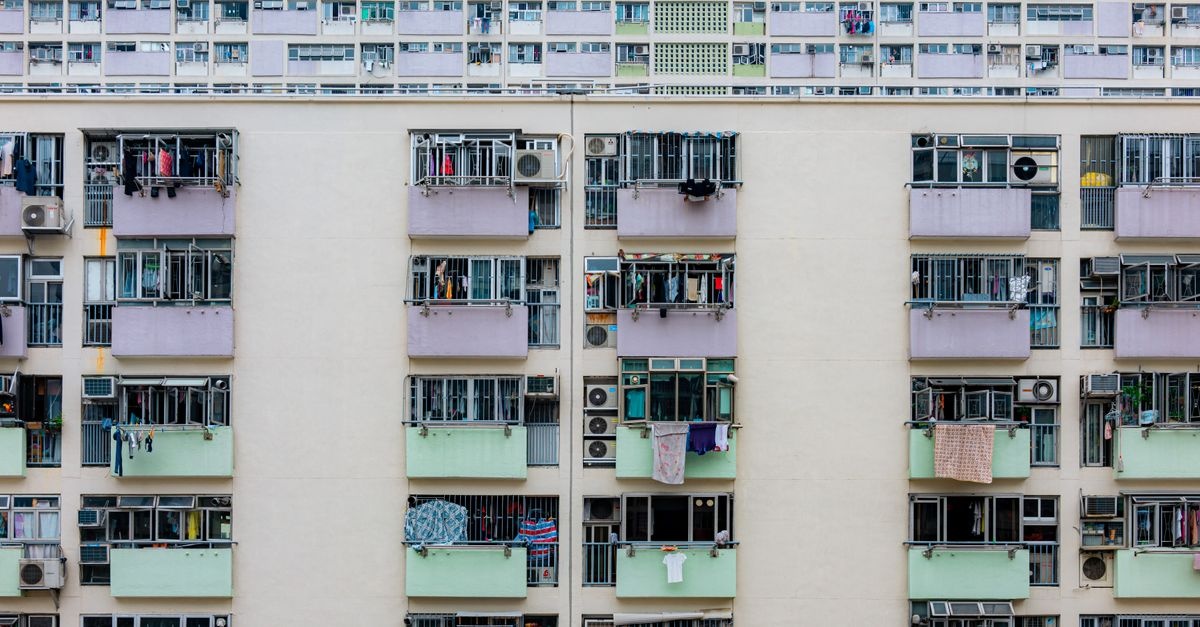
Block buildings—whether postwar prefab concrete estates, Soviet-era panelák, Plattenbau, or other forms of industrialized mass housing—share a similar DNA: repetitive grids, precast slabs, and load-bearing walls or panels. This repetition is efficient for building but can create just as much rigidity for remodeling. In many units, interior partitions that seem like regular walls are actually structural panels you cannot remove. Floor slabs (hollow-core or solid) limit what you can chase or drill, and existing chases dictate where services like plumbing and ventilation may run.
For renovators, that means you must plan layouts around structure, not the other way around. An early consultation with a structural engineer helps you identify which walls are load-bearing, where you can open up (with lintels or frames), and how to route services without compromising structural integrity.
Legacy Materials and Hidden Hazards
Many block buildings predate modern safety standards. Common legacy issues include:
- Asbestos-containing materials (ACM) in adhesive, floor tiles, skim coats, or insulation.
- Lead paint on old doors, windows, and radiators.
- Aging plumbing stacks (steel or cast iron) prone to corrosion and noise.
- Underpowered electrical systems with minimal circuit capacity and outdated protection.
Responsible testing, professional abatement where necessary, and coordinated upgrades can resolve these risks while improving comfort and efficiency.
The Hardest Headaches—and How to Solve Them
1) Working Around Load-Bearing Walls
Few things frustrate owners more than realizing the "thin partition" blocking their dream kitchen is a structural panel. You may not be able to remove it, but you do have options:
- Engineer-reviewed openings: In some cases, narrow pass-throughs or door-size openings can be cut with proper structural design and permits. A steel lintel or frame transfers loads safely.
- Re-zone instead of remove: Shift functions—move a dining table, island, or home office to the other side and use glass partitions or interior windows to keep sightlines open.
- Sliding and pocket doors: Where swing clearance is tight, sliding systems free up space while keeping rooms flexible.
- Built-in storage walls: Treat immovable walls as assets for deep storage, niches, and integrated lighting.
These strategies respect the building’s structure while realizing 80% of the perceived openness people want from wall removal.
2) Plumbing Stacks and Wet-Room Limits
In stacked housing, bathrooms and kitchens often align vertically on "wet" risers. Moving a bathroom across the unit can be impractical or disallowed. To modernize without legal or structural headaches:
- Upgrade within the stack zone: Keep toilets, tubs, and showers near existing risers; replace old galvanized or cast-iron branches with sound-dampened PVC/PP and proper firestopping collars.
- Raise floors selectively: A 3–5 cm elevated wet area can create slope for drains without chasing into slabs. Use lightweight screeds and acoustic underlayments to protect neighbors below.
- Waterproofing that lasts: Apply liquid membranes or sheet systems with preformed corners; integrate upstands behind tile baseboards. Flood-test showers before tiling.
- Quiet fixtures: Insulate wall cavities around stacks, use isolation clips for pipes, and specify quiet-fill valves and wall-hung WCs with in-wall tanks.
These changes solve many Apartment renovation problems in block buildings that stem from leaks, odors, and stack noise, while staying compliant with building policies.
3) Noise: Impact, Airborne, and Flanking
Concrete sounds quiet until you live with it. Footfall above (impact noise), voices through thin partitions (airborne noise), and vibration that travels around barriers (flanking) can test anyone’s patience. A layered approach works best:
- Ceiling strategy: Build a decoupled ceiling with resilient clips and hat channels; add dense board (double-layer gypsum) and acoustic insulation. Target improved STC/IIC ratings.
- Floating floors: For your own footfall, install an acoustic underlayment under engineered wood, LVT, or tile (with appropriate membranes). Avoid hard-bonded finishes directly to slab.
- Wall mass and decoupling: Use resilient channels, double board layers, and sound-damping compounds on party walls.
- Seal the leaks: Acoustic caulk around perimeters, outlet boxes, and penetrations; upgrade to solid-core doors with perimeter seals and drop bottoms.
- Soft finishes: Curtains, rugs, bookshelves, and upholstered furniture reduce reverberation within the room.
This toolkit dramatically cuts noise complaints and preserves neighborly goodwill.
4) Electrical and Data: From Scarcity to Smart
Older block apartments often have a handful of circuits, aluminum wiring in some regions, and little capacity for modern loads. Remedy the bottleneck:
- Panel and service check: Engage a licensed electrician to evaluate incoming service; upgrade the apartment panel and breakers (RCD/GFCI, AFCI/RCBO as required).
- Dedicated circuits: Kitchen appliances, laundry, and HVAC need separate lines. Use surface raceways or chases in non-structural walls to avoid slab drilling.
- Low-profile conduits: Where chasing is limited, run flat conduits under skim or behind new wall linings (e.g., 25–50 mm battens that also allow insulation and acoustic layers).
- Data-ready: Add CAT6/6A runs and strategically located access points for robust Wi‑Fi in concrete-heavy shells.
- Smart but serviceable: Choose smart switches and thermostats that do not lock you into fragile hubs; label everything.
Careful planning avoids messy retrofits and future-proofs for work-from-home realities.
5) Ventilation, Odors, and IAQ
Many block buildings rely on passive stacks that underperform, causing odors to backdraft into kitchens and baths. Better indoor air quality comes from active, balanced solutions that respect fire compartments:
- HRV/ERV retrofits: Compact heat/energy recovery ventilators can serve apartments via short duct runs—ideal when windows are airtight.
- Upgraded exhaust: Quiet, pressure-sensing bath fans with timers or humidity control; kitchen hoods vented to stack where allowed, or high-quality recirculating with effective filters.
- Make-up air: Provide trickle vents or passive inlets so exhaust is not pulling from neighbors’ units.
- Fire and code: Use fire dampers and sleeves at penetrations; never connect directly to shared shafts without proper backdraft dampers and permissions.
Cleaner air also reduces mold risk and keeps finishes fresh.
6) Moisture, Thermal Bridges, and Mold
Concrete is a champion of thermal bridging. Cold corners and slab edges can condense moisture, fueling mold. Combat the physics:
- Interior insulation where feasible: On cold exterior walls, use insulated plasterboard systems with continuous vapor control and careful detailing at junctions to avoid trapping moisture.
- Balcony/edge attention: Treat door thresholds and balcony interfaces with thermal breaks and continuous air seals.
- Dry bathrooms: Balanced ventilation, underfloor heating, and fast-drying surfaces reduce persistent humidity.
- Monitor and maintain: Hygrometers, smart sensors, and routine checks behind wardrobes on exterior walls help catch issues early.
Addressing thermal bridges yields warmer surfaces, lower energy bills, and less risk of post-renovation mold—an often-overlooked source of Apartment renovation problems in block buildings.
7) Windows, Balconies, and Facade Rules
Replacing windows or altering balcony enclosures usually requires approvals to keep the facade uniform and maintain fire routes:
- Match the rhythm: New windows should align with the building’s sightlines and opening types (often tilt-and-turn in Europe). Specify high-performance glazing and trickle vents where allowed.
- Safe balcony upgrades: Use code-compliant glazing, handrail heights, and drainage; avoid unapproved enclosures that trap moisture or block rescue paths.
- Shading and comfort: Exterior blinds are superb for heat control but check HOA/board guidelines for finish and color.
These improvements can transform comfort without running afoul of building standards.
8) Permits, House Rules, and Neighbor Relations
Even perfect design fails without the right permissions and people management. Typical constraints include quiet hours, elevator bookings, and debris rules.
- Early board/HOA engagement: Present drawings and schedules; note working hours, protection plans, and how utilities will be shut off and restored.
- Neighbor notices: Share start dates, noisy work windows, and a contact number. Small courtesies prevent big conflicts.
- Documentation: Secure permits, insurance certificates, and contractor licenses; keep an accessible on-site folder.
Good process solves social versions of Apartment renovation problems in block buildings before they start.
9) Dust, Debris, Elevators, and Site Logistics
Logistics can make or break timelines. Tight corridors, shared elevators, and limited staging areas demand discipline:
- Containment: Zip walls, negative air machines with HEPA filters, and floor protection keep common areas clean.
- Sequenced deliveries: Stagger materials to minimize on-site storage and elevator congestion.
- Waste plan: Bag debris in manageable loads; schedule chute use (if available) or mini-skips with HOA approval; recycle metal and clean gypsum where services exist.
Careful logistics preserve relationships and maintain momentum.
10) Fire Safety and Compartmentation
Penetrations in walls and slabs can compromise fire compartments if not properly sealed. Always:
- Firestop correctly: Intumescent sealants, collars around plastic pipes, and fire-rated sleeves at cable bundles.
- Maintain ratings: If you add a dropped ceiling or new wall, use assemblies that match or exceed existing fire ratings.
- Detect and alert: Hardwired smoke/heat detectors with battery backup; interlink within the unit.
Meeting or exceeding fire standards is non-negotiable and protects everyone in the stack.
11) Budgets, Phasing, and Hidden Conditions
Concrete buildings hide surprises: uneven slabs, out-of-plumb panels, and services not where drawings say. Build in:
- Contingency: 10–20% for hidden conditions, plus allowances for abatement and electrical capacity increases.
- Phased work: Demo and discovery first, then commit to finishes; pre-order long-lead items (windows, fixtures) after measurements are verified.
- Scope clarity: Detailed drawings, room-by-room schedules, and specification sheets prevent change-order churn.
Disciplined planning keeps costs aligned even when conditions throw curveballs.
Design Strategies That Work in Concrete Blocks
Plan Spaces Without Moving Structure
Reconfigure within the rules: cluster kitchens and baths near risers, use storage walls to define zones, and carve sightlines through glass partitions. Borrow space with sliding doors and align circulation along existing window bays for light.
Light, Sightlines, and Ceiling Tricks
Concrete slabs limit recessed lighting depth and big duct runs. Respond with:
- Shallow lighting: Low-profile LED downlights, linear surface fixtures, and perimeter coves in minimal dropped areas.
- Bright, continuous planes: Extended wall-to-ceiling paint in light tones, aligned millwork, and pocket doors to reduce visual clutter.
- Reflective finishes: Satin paints and light-toned floors bounce daylight deeper into rooms.
Storage Walls and Modular Millwork
Turn immovable concrete into high-performance storage. Full-height wardrobes with integrated desks, deep pantries along non-structural partitions, and shallow cabinets over radiators reclaim space without fighting the building.
Flexible, Quiet Bedrooms
Use resilient channels and double boards on party walls; position beds away from elevator shafts or noisy stacks. Blackout blinds plus acoustic curtains deliver restful sleep in dense urban settings.
Accessible and Aging-in-Place Upgrades
Even in compact footprints, plan for future needs: wider clearances at key doors, curbless showers with linear drains (on raised platforms if required), lever handles, and well-placed blocking for grab bars behind tile.
Sustainability and Efficiency Upgrades
- Heating control: Thermostatic radiator valves (TRVs) and smart thermostats balance rooms and reduce overheating.
- LED everywhere: Low energy, long life, less heat.
- Water sense: Low-flow taps and dual-flush WCs cut consumption without sacrificing comfort.
- Appliances: Induction cooktops, heat-pump dryers, and efficient refrigerators shrink loads—great for limited electrical capacity.
- Materials: Low-VOC paints, FSC-certified wood, and recycled-content tiles improve indoor air and reduce embodied carbon.
Sustainability dovetails with comfort: fewer drafts, steadier temperatures, and lower bills.
Composite Case Studies
Case 1: Opening Up a 45 m² Panel Apartment
Problem: A young couple wanted an open living-kitchen, but a mid-wall was structural. Plumbing stacks anchored the bath and kitchen on opposite sides.
Solution: A structural engineer designed a modest pass-through with a steel lintel to visually link the spaces without removing the wall. The kitchen shifted a meter toward the stack; services ran in a 50 mm chase behind new gypsum linings. A sliding glass door separated a compact den/guest room. Acoustically decoupled ceilings tamed upstairs footfall.
Outcome: The apartment reads as open and bright; noise is cut significantly; no violations of structure or stack policy. Project delivered on time with a 12% contingency used for electrical upgrades.
Case 2: A Quiet Bedroom Beside a Noisy Riser
Problem: Nighttime flushes and pipe hum ruined sleep. The building’s vertical riser ran behind the headboard wall.
Solution: The team re-framed the wall 50 mm off the slab, added mineral wool, resilient channels, and two layers of acoustic gypsum with a damping compound. The bed moved to a perpendicular wall; a bookcase with backing added extra mass.
Outcome: Noticeable drop in noise, improved STC, and no neighbor complaints about work. A classic example of solving Apartment renovation problems in block buildings through targeted, layered acoustics.
Case 3: Moisture and Mold in a North-Facing Corner
Problem: Cold exterior corner developed seasonal mold behind a wardrobe.
Solution: Wardrobe pulled forward on a vented plinth; wall received insulated plasterboard with continuous air/vapor control; HRV added trickle fresh air. Sensors now alert if RH exceeds 60%.
Outcome: No mold for two winters; warmer surfaces and lower heating bills.
Your Step-by-Step Renovation Roadmap
- Step 1: Define goals and constraints. Clarify must-haves, nice-to-haves, budget, timeline, and any known building rules.
- Step 2: Investigate structure and services. Engage a structural engineer and MEP pros; identify load-bearing panels, risers, shafts, electrical capacity.
- Step 3: Test and survey. Hazard testing (asbestos/lead), moisture mapping, and exact measurements of slabs, walls, and openings.
- Step 4: Concept design within the grid. Keep wet rooms near stacks; prioritize acoustic and ventilation improvements; draft elevations and reflected ceiling plans.
- Step 5: Cost plan and contingency. Build a transparent budget with allowances for hidden conditions (10–20%).
- Step 6: Permits and approvals. Submit drawings to authorities and HOA/board; secure insurance and schedule elevator/protection plans.
- Step 7: Procurement. Order windows, doors, fixtures, and long-lead items; plan deliveries around elevator capacity.
- Step 8: Site protection and demo. Install dust containment and floor guards; soft-strip and selective demo; confirm hidden conditions before committing.
- Step 9: Rough-in and infrastructure. Structure first (openings, lintels), then MEP rough-ins, ventilation, and firestopping; level floors/walls.
- Step 10: Closures and finishes. Insulation and boards, doors, tile, flooring, cabinets, paint; final electrical and plumbing trims.
- Step 11: Commissioning. Test ventilation rates, verify GFCI/RCDs, balance TRVs, check sound seals, and calibrate smart systems.
- Step 12: Handover and maintenance plan. Warranties, manuals, finish-care guides, and a seasonal maintenance checklist.
Frequently Asked Questions
Can I remove any interior wall in a block apartment?
Not safely without verification. Many interior panels are load-bearing. Hire a structural engineer to identify safe modifications and design lintels or frames where permitted.
How do I know if my stack can handle a new shower or laundry?
Consult building management and a licensed plumber. They will evaluate available capacity, venting, and backflow requirements and may restrict pump types or discharge rates.
What’s the best way to reduce upstairs footfall noise?
A decoupled ceiling with resilient clips and added mass is the most reliable approach. Combine with door seals and flanking path control for holistic results.
Is it worth adding interior insulation on concrete walls?
Yes, if detailed correctly to avoid condensation. Use insulated plasterboard or battens with continuous vapor control and coordinate with ventilation upgrades.
How do I avoid dust and neighbor complaints?
Plan dust containment (zip walls, negative air), respect quiet hours, book elevators, communicate schedules, and clean shared areas daily.
Why is my kitchen hood ineffective?
Shared stacks, weak make-up air, or poor ducting are common culprits. Upgrade to a properly ducted hood with a backdraft damper if allowed, or choose a top-tier recirculating unit with regular filter changes and ensure adequate make-up air.
Common Pitfalls—and How to Dodge Them
- Chasing into slabs: Can weaken structure and violate fire/life safety rules. Use surface runs, chases in non-structural partitions, or raised floors.
- Under-sizing ventilation: Leads to odors and humidity. Calculate rates, balance supply and exhaust, and commission systems.
- Ignoring flanking paths: Sound bypasses your best walls via doors, outlets, and ceilings. Seal and decouple comprehensively.
- No contingency: Hidden conditions are inevitable. Budget time and money for surprises.
- Poor sequencing: Don’t install finishes before confirming rough-in tests, flood tests, and pressure checks.
Tools, Materials, and Methods That Shine
- Resilient acoustic systems: Clips, channels, sound-damping boards, and acoustic sealants.
- Moisture-smart assemblies: Liquid/sheet membranes, linear drains, and thermal break details.
- Compact HRVs/ERVs: Apartment-scale units with easy filter access and quiet operation.
- Electrical modernization: Arc-fault/ground-fault protection, labeled panels, and surge protection.
- Modular millwork: Factory-built cabinets sized to tight shafts and elevators, reducing on-site chaos.
Bringing It All Together
Yes, concrete panels are immovable, stacks are stubborn, and neighbors are close. But within those constraints lies a wealth of opportunity. Treat the building’s structure as the frame for your canvas; invest first in quiet, fresh air, dryness, and safety; then layer in thoughtful light, storage, and finishes. Communicate early, sequence carefully, and commission thoroughly.
By following this roadmap, you’ll sidestep the usual Apartment renovation problems in block buildings—from noise and moisture to logistics and permitting—and deliver a home that is calmer, healthier, and more adaptable for decades to come.
Quick Checklist: From Plan to Peace of Mind
- Structure: Engineer review; no slab chasing; safe openings only.
- Acoustics: Decouple, add mass, seal leaks, and control flanking.
- Moisture/thermal: Insulate key walls; manage vapor; ventilate well.
- Plumbing: Keep to risers; waterproof fully; quiet the stack.
- Electrical/data: Upgrade capacity; dedicate circuits; plan conduits.
- Ventilation: HRV/ERV or improved exhaust with make-up air.
- Fire safety: Firestop penetrations; maintain ratings; interlinked alarms.
- Logistics: Dust control; elevator bookings; waste plan.
- Approvals: Permits, HOA rules, neighbor notices, insurance.
- Commissioning: Test and document; deliver manuals and warranties.
Beyond the concrete lies a resilient, refined home. With the right team and this playbook, you can renovate confidently—solving the hardest challenges while elevating everyday living.