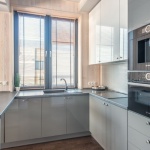
From Dawn to Dusk: Designing a Home That Moves with Your Natural Rhythm
From Dawn to Dusk: Designing a Home That Moves with Your Natural Rhythm
Every day follows a steady sequence: wake, prime, perform, unwind, sleep. If your environment amplifies that sequence, life gets easier. If it clashes, even simple routines feel uphill. The goal isn’t to force a schedule, but to shape a habitat that synchronizes with the way your body wants to move through time. If you have been wondering how to design a home aligned with daily rhythms, this guide translates circadian science into practical design moves—light, layout, materiality, sound, fragrance, and subtle automation—so every hour has a place and every place has a purpose.
The Science That Shapes the Space: Circadian Basics
Our circadian rhythm is an internal 24-hour clock steered chiefly by light. Morning brightness signals cortisol’s healthy rise; midday brightness supports attention; evening darkness invites melatonin for rest. Temperature, sound, activity, food timing, and social cues also set the pace. Good design uses these inputs wisely so your rooms don’t fight your physiology.
- Morning: Bright, cool light; gentle motion; fresh air; simple wayfinding.
- Midday: Abundant daylight and glare control; ergonomic support; acoustics that protect focus.
- Evening: Warm, dim layers of light; soft materials; calmer acoustics; slower transitions.
- Night: Darkness, coolness, quiet, and minimal stimulation.
Designing rooms as “time-aware” environments—rather than only style statements—helps harmonize energy. You’ll see this thread through each section below.
Core Principles for Rhythm-Aligned Design
1) Light First
Light is the master cue. A home that supports healthy rhythms prioritizes generous morning daylight, controlled midday glare, and warm, dim evenings. Think of light in layers—ambient, task, and accent—each tuned to the hour. Calibrate color temperature: 4000–5000K earlier in the day for alertness; below 3000K after sunset for winding down.
2) Sensory Cohesion
Sound, scent, and touch reinforce what light begins. Crisp textures and energetic audio fit mornings; plush surfaces and softer soundscapes suit nights. Natural scents like citrus can energize; lavender or cedar can calm. Align all senses with the moment.
3) Frictionless Flow
Map your day: Where is your first light? Your first glass of water? Where do keys go? Reduce micro-frictions by placing essentials along your path. Intelligent storage and intuitive placement make habits easier than distractions.
4) Temperature and Air
Cooler nights (around 17–19°C) aid sleep. Fresh air in mornings increases alertness. During work-hours, stable thermal comfort supports focus. Use zoning, ventilation, and breathable materials to keep comfort aligned with time-of-day needs.
5) Adaptability
Life changes by season, guest load, and schedule. Choose flexible furnishings, dimmable fixtures, and movable partitions so your home updates quickly to new rhythms—no renovation required.
Morning: Prime the Day
How you begin determines the slope of your energy curve. Ensure the first 90 minutes are bright, simple, and supportive.
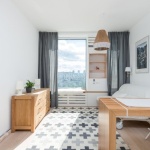
Bedroom: Wake With Light, Not Jolt
- Blackout + Dawn: Use blackout shades at night, but pair with a sunrise alarm or automated shades that crack open gradually. This mimics natural dawn and spares you a cortisol spike.
- Sidelight Strategy: Place a low-brightness, warm bedside lamp for safe navigation before sunrise. Keep overheads off to protect melatonin until you’re ready to wake fully.
- Immediate Hydration: A carafe by the bed, a coaster on the dresser—tiny cues for morning water.
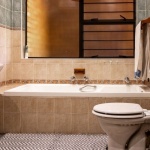
Bathroom: Bright, Clear, Functional
- Task Lighting: Cool-white, high-CRI lighting at the mirror for grooming; add dimmers to soften light on weekends.
- Decluttered Surfaces: Trays and wall-mounted storage keep routines visible and low-friction.
- Ventilation & Refresh: A quick blast of fresh air or an exhaust fan clears humidity and sleepiness.
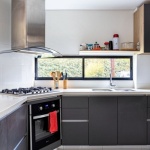
Kitchen: Cue Motion and Metabolism
- Morning Triangle: Group kettle/coffee, breakfast tools, and fruit/whole grains within two steps to streamline routine.
- Daylight Priority: If possible, seat breakfast near a window. A bright 10–20 minutes early in the day anchors your internal clock.
- Visual Prompts: A clear fruit bowl, a visible blender, or pre-set mugs nudge better choices.
Entry: Low-Stress Launchpad
- Staging Zone: Hooks at shoulder height, a tray for essentials, and a bench facilitate smooth departures.
- Checkpoints: A small corkboard or digital note near the door for daily reminders prevents last-minute scrambles.
Midday: Focus and Flow
Midday design supports productivity without burnout. Achieve bright, comfortable light; quiet acoustics; and ergonomic support.
Home Office: Sharpen, Then Sustain
- Desk Orientation: Place the monitor perpendicular to windows to reduce glare while keeping peripheral daylight.
- Layered Lighting: Ambient ceiling light for evenness; a high-CRI task lamp for detail; optional wall wash to reduce contrast.
- Acoustics: Soft rug, curtains, or acoustic panels reduce cognitive load from noise.
- Ergonomics: Neutral wrist and neck angles, adjustable chair, and a footrest keep your posture resilient.
- Break Cues: A standing mat or a small stretch corner signals brief movement between work sprints.
Kitchen/Dining: Refuel Without the Crash
- Glare Control: Sheers or blinds to diffuse noon sun; keep overall luminance high but gentled.
- Prep Visibility: Clear bins and labeled jars speed healthy meal assembly.
- Sit in Daylight: A bright lunch maintains circadian alignment and stabilizes afternoon energy.
Outdoor Nook: Micro-Reset
- Balcony or Window Garden: Even a small perch with plants invites a five-minute light-and-air break.
- Natural Textures: Wood and stone cue groundedness; they also visually contrast screens.
Evening: Downshift and Connect
As the sun lowers, your home should signal decompression—warmer light, quieter acoustics, tactile comfort, and social space.
Living Room: Layers and Warmth
- Lighting Triad: Dim ambient (2700K), a reading lamp, and low accent lighting create depth without brightness.
- Materiality: Plush textiles, knits, and natural fibers invite slower pace and tactile calm.
- Screen Discipline: If TV is central, use bias lighting behind the screen at low, warm levels to reduce visual strain.
Kitchen/Dining: Social Without Stimulation
- Shift Tone: Transition under-cabinet lights to warm white; dim pendants to foster intimacy.
- Scent Strategy: Swap citrus for rosemary or thyme while cooking to cue “evening mode.”
Evening Routines: Ritualize the Wind-Down
- Analog Corner: A basket with books, a throw, and soft lighting supports off-screen time.
- Gratitude or Planning Tray: Keep a notebook and pen visible; a two-minute reflection lowers mental clutter.
Night: Sanctuary for Deep Sleep
Make the bedroom a night-optimized habitat. Darkness, cool temperatures, quiet, and low stimulation signal melatonin and support recovery.
- True Darkness: Blackout shades and light-blocking curtain liners; use dim red or amber nightlights if needed.
- Cool and Breathable: Natural fiber bedding; breathable mattress; window cracked when air quality permits.
- Noise Control: Soft headboard, rug, and drapes to absorb sound; white noise or a fan for consistency.
- Digital Hygiene: Keep chargers outside the bedroom or in a closed drawer; no standby LEDs in sight.
Light Strategy: The Heart of Daily Rhythm
Daylight Tactics
- Windows and Sheers: Maximize morning exposure in bedrooms and breakfast areas; use sheers to soften midday glare.
- Reflectance: Pale, matte walls bounce light without harshness; glossy finishes can cause hotspots.
- Mirror Placement: Mirrors opposite windows amplify brightness into deeper parts of the room.
Electric Light, Tuned by Time
- Color Temperature Schedule: 4000–5000K in morning work zones; 3000K or less after dusk throughout the home.
- Dimmers Everywhere: Give every room a range; the same fixture should serve focus at noon and calm at nine.
- Task vs. Ambient: When tasks end, shut off task lights first; leave only low ambient glows to cue the brain for rest.
Automation for Ease
- Smart Scenes: “Dawn,” “Work,” “Dinner,” and “Wind Down” scenes shift multiple fixtures with one tap or schedule.
- Chronotype Options: Early birds can brighten at 5:30 a.m.; night owls can ramp later. Personalization prevents a one-size-fits-none home.
Materials, Colors, and Texture: Time-Aware Atmospheres
Color and texture modulate arousal. Use them as rhythm instruments.
- Morning/Work Zones: Lighter, cooler hues and crisp textures energize and clarify.
- Evening/Rest Zones: Warmer, deeper hues and soft textures calm visual noise.
- Biophilic Touches: Wood, stone, linen, and plants lower stress and connect you to natural cycles.
Air, Thermal, and Acoustic Comfort by the Clock
- Air Quality: Morning ventilation flush; kitchen hood during cooking; plants and filtration in high-use areas.
- Thermal Zoning: Slightly warmer mornings; stable midday; cooler evenings; coolest nights in bedrooms.
- Soundscapes: Brighter audio and lighter acoustics by day; muffled, insulated, and hushed by night.
Mapping the Day: Layout That Guides Behavior
A single floor plan can hold many micro-environments. Map them to the timeline of your life.
- Arrival Loop: Entry → drop zone → coat/gear closet → calendar cue → water/coffee station.
- Morning Loop: Bedroom → bathroom → kitchen → daylight nook.
- Work Loop: Desk near daylight → ergonomic chair → stretch corner → balcony micro-break.
- Evening Loop: Kitchen → dining → soft-lit living → bedroom pre-sleep ritual.
These loops reduce decision fatigue. They create gentle rails that keep you on track even on hectic days.
Designing for Families and Roommates
Different chronotypes share walls. Respect variance while still honoring shared rhythms.
- Zones by Need: Quiet bedrooms grouped together; loud play or media farther away or acoustically separated.
- Layered Light Control: Individual bedside lamps and blackout shades allow different sleep-wake times.
- Shared Cues, Personal Settings: A common “Evening” scene can dim shared spaces while personal rooms stay adjustable.
Small Spaces and Rentals: Big Rhythm, Small Footprint
- Mobile Layers: Plug-in dimmers, smart bulbs, and clip-on task lights change the time-signature without hardwiring.
- Fold and Flow: A fold-down desk or nesting tables let one room play multiple roles through the day.
- Soft Partitions: Curtains, screens, or bookcases define zones without construction.
- Portable Nature: Window herbs, small planters, and a tabletop fountain add biophilia on the go.
Budget and Phasing: Start Where It Matters Most
You don’t need a gut renovation to shape daily alignment. Sequence projects for outsized returns.
- Phase 1 (Weeks 1–2): Declutter pathways, add plug-in dimmers, install blackout shades in bedrooms, place a sunrise alarm.
- Phase 2 (Weeks 3–6): Reorient desk to daylight, add a task lamp, integrate under-cabinet lighting, and set up a balcony/plant nook.
- Phase 3 (Weeks 7–10): Add acoustic rugs/curtains, refine storage in kitchen and entry, create an analog evening corner.
- Phase 4 (Seasonal): Adjust color palette textiles by season; tune HVAC schedules; review smart scenes.
Smart Home, Smarter Rhythms
Technology should soften, not complicate, your day. Automations align the environment to time without micromanagement.
- Lighting Scenes: Dawn (slow ramp to cool-white), Focus (brighter task zones), Dinner (warm, dim), Wind Down (low amber).
- Climate Schedules: Pre-cool bedrooms before bedtime; nudge warmer pre-wake in winter.
- Audio Cues: Gentle morning playlists; evening soundscapes at low volume.
- Wellness Routines: Reminders to open windows, water plants, stretch, or hydrate.
Common Pitfalls to Avoid
- Flat Lighting: A single overhead fixture cannot serve every hour. Add layers and dimming.
- Perpetual Clutter: Visual noise spikes stress. Give every object a home along your daily loops.
- Evening Blue Light: Cool-white light after sunset undermines sleep. Shift to warm spectra.
- No Acoustic Strategy: Hard, echoey rooms raise cognitive load. Add softness where you think and rest.
- One-Size Automation: Set scenes per person and per season; don’t let tech force rigid timing.
Case Study: A One-Bedroom Reimagined
Consider a 55 m² city apartment. The resident works hybrid hours and struggles with groggy mornings and late-night email.
- Morning: Blackout curtains stay, but a sunrise lamp begins at 6:45 a.m. The kitchen gains a bright, cool-white under-cabinet light. Breakfast stool moves beside the east window. A tray holds oatmeal and fruit.
- Midday: Desk rotates to face perpendicular to the window with a glare-filter curtain. A task lamp with high CRI aids color-sensitive work. A rug and two curtains soften the echo.
- Evening: Living room gains a dimmable floor lamp (2700K) and LED strip behind the media console. Phone chargers migrate to the entry console to reduce bedtime screen time.
- Night: Bedroom gets a breathable duvet and an amber nightlight in the hallway. A small fan provides white noise and airflow.
Within two weeks, wake-up feels easier, midday focus holds longer, and sleep deepens—without major construction.
Putting It All Together: A Practical Action Plan
- Step 1: Audit Your Day. Note where you feel sluggish or overstimulated and which rooms you occupy during those times.
- Step 2: Fix Light First. Add or re-aim task lights; install dimmers; schedule warmer scenes after sunset; prioritize morning daylight.
- Step 3: Clear Friction. Create drop zones, prep trays, and visible cues for habits you want to keep.
- Step 4: Tune Comfort. Add breathable bedding, acoustic softness, and micro-ventilation for mornings and nights.
- Step 5: Layer Rituals. A reading nook, stretch spot, or tea station anchors your wind-down.
- Step 6: Personalize. Match scenes and schedules to your chronotype and season.
Frequently Asked Questions
Is this only for homeowners?
No. Renters can deploy plug-in dimmers, smart bulbs, portable lamps, curtains, rugs, and modular storage to build time-aware zones without renovations.
What if my schedule is irregular?
Anchor two cues daily: bright light and fresh air within 90 minutes of wake, and warm, dim lighting 90 minutes before intended sleep. Let everything else flex.
How long until I notice changes?
Light and routine shifts often show results within 7–14 days. Sleep depth, morning alertness, and steadier energy are common early wins.
Conclusion: Home as a Quiet Co-Pilot
When rooms harmonize with your internal clock, life feels less like pushing and more like gliding. Mornings lift, afternoons focus, evenings soften, nights restore. Learning how to design a home aligned with daily rhythms is less about rules and more about cues: light that changes with the hour, textures that tell the truth about the time, and gentle pathways that remove friction from the habits that hold you. Start with light, remove obstacles, add softness where you rest, clarity where you work, and warmth where you gather. From dawn to dusk—and back again—your home can move with you.
Key Takeaways at a Glance
- Light leads: Bright mornings, controlled midday light, warm evenings, dark nights.
- Senses align: Texture, sound, and scent match the day’s tempo.
- Flow matters: Map your daily loops; place essentials on the path.
- Comfort shifts: Air, temperature, and acoustics change with time.
- Adapt over time: Personalize for chronotype, season, and life changes.
If you implement even a handful of these strategies, you’ll feel the cadence return: a home that nudges you gently forward in the morning, holds your focus at noon, and hands you back to sleep at night—the architecture of a better day, repeated.