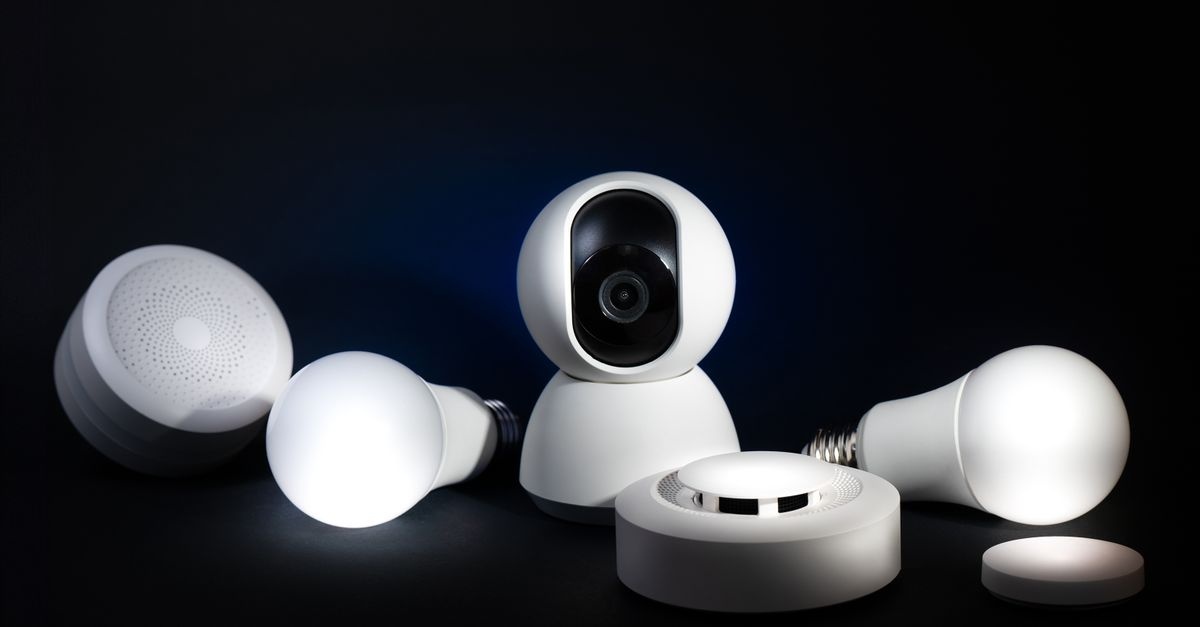
Smarter Living, Cheaper Power: Make Your Home Thrive on Dynamic Electricity Rates
Electricity doesn’t have to be a fixed, set-and-forget expense. When rates fluctuate across the day, your home can respond in kind—running energy-hungry tasks during off-peak windows, preheating or precooling at the right moments, and even selling solar-backed power at the best times. By pairing smart devices with price-aware routines, you can unlock savings, comfort, and resilience. This comprehensive guide explains how to align a smart home with variable energy prices, build automations that respect comfort, and track measurable results without sacrificing safety or convenience.
Why Variable Pricing Is the New Normal
Power systems are changing fast. Renewables rise and fall with weather, air conditioners surge on hot afternoons, and electric vehicles introduce new loads. Utilities and retailers increasingly use variable tariffs to nudge demand when the grid is stressed and reward consumption when supply is abundant. Embracing this pricing model means your home runs smarter while you pay less for the same services.
What Are Dynamic Electricity Rates?
Though naming conventions vary by region, the following frameworks are common:
- Time-of-Use (TOU): Predictable schedules split the day into peak, off-peak, and sometimes mid-peak periods. Prices are posted in advance.
- Real-Time Pricing (RTP): Prices can update hourly or even more frequently based on wholesale markets.
- Critical Peak Pricing (CPP): Occasional high-rate events during tight grid conditions, often with advance alerts.
- Peak Time Rebates (PTR): Earn bill credits for reducing usage during specified events rather than paying a penalty.
Each structure creates opportunities for your home to shift consumption without compromising comfort. A strategic home energy management approach can thrive in all of them.
From Flat Bills to Flexible Living
Under flat rates, households seldom consider when they consume energy. Under variable rates, timing becomes a resource. Shifting non-urgent loads outside peak windows can yield double dividends: lower costs and lower carbon footprint. When price aligns with grid strain, using less during peaks cuts emissions and boosts reliability for everyone.
How a Smart Home Exploits Price Signals
A smart home excels at sensing conditions and acting automatically. With access to price signals and a few well-placed devices, it can orchestrate loads moment by moment.
Core Building Blocks
- Smart meter or interval data access to see usage by time.
- Home Energy Management System (HEMS) or hub (e.g., Home Assistant) that ingests tariffs and triggers automations.
- Smart devices that obey schedules and limits: thermostats, plugs, EV chargers, water heaters, pool pumps, and more.
- Connectivity and standards like Wi‑Fi, Thread, Zigbee, and protocols compatible with Matter for unified control.
By combining these elements, your home can respond to price changes seamlessly—without daily micromanagement.
Price Signals In, Comfort Rules Out
Automations should always respect comfort and safety. A simple architecture uses inputs like time windows, dynamic electricity rates, weather forecasts, occupancy, and indoor conditions, then applies constraints and priorities to decide what runs when. For example, your HVAC might precool from 2–4 p.m. when prices dip, then coast comfortably through a 5–8 p.m. peak period.
Strategy First: Audit, Goals, Plan
Before buying new gear, map your current consumption and select the easiest wins.
Step 1: Baseline Audit
- Pull 1–3 months of interval data. Identify your peak hours and the loads likely causing them.
- Note always-on usage (refrigeration, networking, standby devices) and flexible usage (laundry, dishwashing, EV charging).
- Estimate thermal characteristics: How quickly does your home warm or cool? Thermal mass helps with preheating/precooling.
Step 2: Identify Flexible Loads
- EV charging: Ideal for shifting—big loads, long windows.
- Water heating: Can be preheated before peaks if storage is sufficient.
- Laundry and dishwashers: Naturally deferrable with delay-start or smart plugs.
- HVAC and heat pumps: With smart thermostats, precondition before peak windows.
- Pool pumps and dehumidifiers: Schedule to avoid peak times while meeting daily runtime needs.
Step 3: Define Targets
- Cost: e.g., reduce bills by 15–25% within 90 days.
- Peak reduction: e.g., cut evening peak demand by 1–2 kW.
- Comfort: Temperatures within a 1–2°C band, quiet hours respected.
- Emissions: Shift consumption to lower-carbon windows when data is available.
Device-by-Device Playbook
Here are practical tactics and automations for major home systems.
Smart Thermostats and Heat Pumps
Heating and cooling dominate many bills. A smart thermostat with adaptive scheduling can precondition your space when prices are low and coast through peaks.
- Precooling/Preheating: If an evening peak starts at 5 p.m., run a bit harder from 2–4 p.m. to build a comfort buffer.
- Temperature bands: Allow 1–2°C drift during peak windows to minimize compressor run time without sacrificing comfort.
- Weather-aware control: Use forecasts to anticipate heat waves or cold snaps and start earlier when beneficial.
- Humidity management: Coordinate with dehumidifiers to keep IAQ in check while saving power.
Safety note: Avoid overheating or overcooling the building envelope. Keep humidity within healthy ranges (typically 30–60%).
Water Heating
An electric water heater is a thermal battery. Preheat before a peak and rely on insulated storage during expensive hours.
- Smart control: Use a controllable thermostat, smart relay, or utility demand-response device.
- Schedules: Heat from late night to early morning and midday if prices dip, limit operation during evening peaks.
- Temperature setpoints: Maintain safe temperatures (commonly around 60°C/140°F to mitigate Legionella risk) and use mixing valves for comfort.
EV Smart Charging and Vehicle-to-Home
EVs are the ultimate flexible load. They can absorb cheap, clean power and avoid peak periods with simple rules.
- Charge windows: Align charging with off-peak rates; add exceptions for urgent departures.
- Dynamic amps: If your charger allows, reduce current during near-peak periods and ramp up when prices drop.
- Vehicle-to-Home (V2H): Where available, discharge to support your home during peak windows or outages.
Be sure to respect battery state-of-charge and warranty guidance for any bidirectional use.
Laundry and Dishwashers
- Delay start: Set to finish just before morning routines begin or late at night.
- Smart plugs: For machines without native schedules, use plugs to cut standby and automate run windows.
- Cold washes: Save energy and expand flexibility, especially under high peak prices.
Refrigeration
Fridges and freezers cycle frequently and cannot be shut off for long. Still, there are minor optimizations:
- Door discipline: Avoid opening during peaks; every open adds compressor load.
- Coil maintenance: Clean coils to improve efficiency.
- Defrost cycles: If configurable, avoid initiating defrost at peak hours.
Pool Pumps, Dehumidifiers, and Ventilation
- Variable-speed pumps: Run longer at lower speeds during off-peak times for better energy efficiency.
- Runtime caps: Enforce daily runtime quotas that avoid peak windows.
- Heat recovery ventilation: Time boosts to align with off-peak pricing while preserving indoor air quality.
Home Office and Electronics
- Schedules: Put displays and peripherals on smart strips with occupancy-based turn-off.
- UPS and NAS: Schedule backups and energy-intensive tasks for off-peak hours.
- Standby killers: Cut vampire loads overnight with smart plugs, preserving critical gear uptime.
Automation Recipes: No-Code to Pro
You don’t need to be a programmer to match your home to price patterns. Start simple, then refine based on results.
No-Code and Light-Code Approaches
- Utility apps: Many providers let you opt into demand response or set preferred charge windows for EVs.
- IFTTT/Alexa/Google: Trigger routines when a calendar event (peak period) starts, or when a voice command confirms your departure time.
- Manufacturer apps: Use built-in schedule and eco modes on thermostats, washers, and chargers.
Home Assistant Example Logic
Here is a conceptual flow you can adapt inside a HEMS or automation hub. The logic balances price signals with comfort and device constraints:
# Inputs: price_now, price_forecast, tariff_period (peak/off-peak),
# occupancy, indoor_temp, comfort_band, battery_soc, ev_departure_time

if tariff_period == 'peak':
    # Reduce flexible loads
    turn_off('dishwasher', unless_running=True)
    limit('ev_charger', amps=8)
    set('thermostat', target=comfort_band.max)
    if battery_soc > 40%:
        discharge('home_battery', to=35%)
else:
    # Off-peak or low-price window
    schedule('laundry', finish_by='06:30')
    set('thermostat', target=comfort_band.min)
    charge('home_battery', to=80%)
    ev_charge_to('70%', by=ev_departure_time)

# Exception: extreme prices or critical peak
if price_now >= price_forecast.p95:
    apply('super_saver_mode')

# Comfort/health overrides
if indoor_temp < comfort_band.min or occupancy == 'sleeping':
    prioritize_comfort()
Use local data sources where possible, and ensure fail-safes if connectivity or data feeds drop.
Solar, Batteries, and Tariff-Aware Optimization
If you have solar PV or a home battery, dynamic rates unlock advanced strategies that amplify savings.
Solar PV and Self-Consumption
- Load shaping: Run flexible devices during solar peaks to maximize self-use when export credits are low.
- Curtailment-aware: If your region sometimes curtails solar, shift usage to soak up generation and prevent waste.
Battery Arbitrage and Backup
- Charge low, discharge high: Fill the battery during off-peak or solar-rich windows; use it during peak rates.
- Reserve margins: Maintain a minimum state-of-charge for outages or critical comfort needs.
- Degradation trade-offs: Balance cycling for savings against battery wear and warranty terms.
EV Plus Battery Coordination
When you have both, coordinate to avoid simultaneous peaks. Prioritize EV charging in the cheapest hours and leave headroom for the home battery to cover early-evening peaks.
Data-Driven Improvement
Measure, learn, and iterate. A few dashboards can reveal where to focus next.
Key Metrics
- kWh shifted: Percentage of total energy moved from peak to off-peak windows.
- Peak demand (kW): Highest 15- or 60-minute demand; aim to trim the top.
- Average cost per kWh: Track reductions over weeks and seasons.
- Comfort score: Simple self-reported rating to ensure savings don’t erode livability.
Forecasting and AI Hints
- Weather-aware setpoints: Adjust preheating/precooling lead times based on forecasted extremes.
- Occupancy prediction: Use presence sensors to relax schedules when nobody is home.
- Carbon intensity signals: If available, favor hours when grid emissions are lowest.
Safety, Comfort, and Ethical Guardrails
Automation should help, never harm. Establish a few non-negotiables.
Comfort and Health
- Thermal limits: Keep setpoints within safe, comfortable bands for all occupants.
- IAQ: Don’t starve ventilation or filtration for savings; coordinate runtimes instead.
- Food and water safety: Keep fridges at safe temperatures; maintain water heater temps to reduce bacteria risks.
Privacy and Security
- Local control: Prefer local hubs where possible to reduce cloud dependencies.
- Access control: Strong passwords, two-factor authentication, and role-based access for family members.
- Interoperability: Favor standards like Matter to avoid vendor lock-in and ease future integrations.
Real-World Savings Math
Let’s run a simplified example to illustrate potential savings when a household embraces variable pricing with smart controls.
Example Household
- Monthly usage: 900 kWh
- TOU rates: Off-peak $0.12/kWh, Mid-peak $0.18/kWh, Peak $0.32/kWh
- Initial load distribution: 40% off-peak, 30% mid-peak, 30% peak
Baseline monthly cost: (360×0.12) + (270×0.18) + (270×0.32) = $43.20 + $48.60 + $86.40 = $178.20
After adopting automation and routines:
- Redistribution: 60% off-peak, 25% mid-peak, 15% peak
- Monthly cost: (540×0.12) + (225×0.18) + (135×0.32) = $64.80 + $40.50 + $43.20 = $148.50
Estimated savings: $29.70/month, or about $356/year. Add a battery for evening peaks and savings can grow further—especially if you also avoid a demand charge or stack critical peak credits.
Payback Considerations
- Low-cost wins first: Smart plugs, schedules, thermostat tuning pay back quickly.
- Mid-tier investments: Smart water heater controls, variable-speed pool pumps, upgraded EVSE with scheduling.
- Capital upgrades: Batteries and HVAC overhauls require nuanced ROI models that include comfort, resilience, and potential incentives.
Checklist: Quick Wins This Week
- Map your tariff: Identify peak, mid-peak, and off-peak windows.
- Enable schedules: Set EV charging and dishwasher to off-peak hours.
- Thermostat tweaks: Preheat/precool before peaks by 1–2°C.
- Smart plugs: Kill standby loads overnight and during peak windows.
- Alerts: Create reminders for critical peak events and dynamic price spikes.
- Measure: Track your first week’s peak kW and cost per kWh to see progress.
Troubleshooting and Edge Cases
Not every household has the same flexibility, but there are always options.
Renters and Multi-Family
- Focus on portable solutions: smart plugs, power strips, and schedules.
- Ask property managers about TOU-friendly thermostats or common-area equipment schedules.
Regions Without Variable Tariffs
- Simulate a TOU schedule to cut your personal peak. You still lower your bill if you reduce demand coinciding with your utility’s high-cost periods, even under flat rates.
- Track carbon intensity for environmental gains.
Cold and Hot Climate Nuances
- Cold climates: Preheating is powerful but ensure envelope and humidity remain safe; prioritize IAQ.
- Hot-humid zones: Manage humidity as carefully as temperature; avoid mold risks.
From Theory to Practice: A Day in the Life
Here’s how a price-aware household might operate on a typical weekday:
- Overnight (Off-peak): EV charges to 70%, water heater tops up, laundry finishes by dawn.
- Morning: Thermostat gently warms or cools for comfort; dishwasher runs if solar is ramping.
- Midday: If you have PV, run flexible loads; battery tops off; dehumidifier runs when solar is abundant.
- Evening (Peak): Thermostat coasts within comfort band, battery discharges slightly, EV charging pauses, smart plugs cut standby.
- Late evening: Resume normal runtimes; prepare for tomorrow’s schedule.
The Keyword in Context: Smart Home and Variable Energy Prices
At the heart of this guide is the synergy between connected devices and pricing signals. A smart home and variable energy prices ecosystem forms a feedback loop: as the grid signals scarcity or abundance, the home shifts accordingly. By aligning schedules and setpoints to this rhythm, households unlock stable comfort at lower costs. Whether you are optimizing under time-of-use rates, experimenting with real-time pricing, or responding to critical peak events, the combination of automation, data, and practical routines ensures your system remains both responsive and human-centered. In short, bringing together a smart home and variable energy prices isn’t just about gadgets—it’s about intentional timing and informed choices.
Secondary Concepts That Supercharge Results
- Demand flexibility: Treats timing as a resource to reduce system costs and emissions.
- Load shifting vs. shedding: Move when possible, reduce only when necessary.
- Open standards: Hardware that speaks common languages stays useful longer.
- User consent and transparency: Everyone at home should understand and agree to automation rules.
Future Outlook
Expect more granular rates, richer APIs, and wider adoption of standards that make energy automation seamless. As electric vehicles become ubiquitous and batteries more affordable, homes will act like mini-utilities—storing, shifting, and even exporting as markets evolve. AI-driven controls will refine comfort-cost trade-offs in real time, helping communities flatten peaks and absorb more renewable energy. In this future, a smart home tuned to variable pricing becomes the norm, not the exception.
Conclusion: Thrive on Price Variability
Households don’t have to fear fluctuating power costs. With the right mix of devices, schedules, and data, variability becomes an advantage. Start with the basics—map your tariff, set off-peak routines for big loads, and tune your thermostat—and layer in sophistication over time. Whether your region uses time-of-use schedules or real-time updates, your home can thrive by aligning comfort with affordability. Embrace the partnership between a smart home and the rhythms of the grid, and turn volatility into dependable savings and dependable comfort.
Pro Tip: Revisit your automations each season. Weather, occupancy patterns, and rate structures change—your strategy should, too. Track a few simple metrics and iterate. Over months, those small adjustments compound into meaningful savings.