Green Power, Real Talk: Where Clean Energy Shines—and Where It Falls Short
It’s easy to get swept up in the promise of a carbon‑free future fueled by renewables, and just as easy to sink into cynicism when headlines warn of blackouts or bird strikes. The truth sits in between. This guide offers a practical, no‑nonsense look at eco‑friendly energy sources—the very real benefits they bring and the meaningful limits we still need to solve. By the end, you’ll know where clean power shines brightest, where it currently falls short, and how smart policy, technology, and market design can bridge the gaps.
Quick Take: The Upsides and the Trade‑Offs
- Big wins: Dramatic cuts in greenhouse gases and local air pollution, long‑term price stability, rapid innovation, and new jobs across supply chains.
- Real constraints: Weather variability, land and wildlife impacts, mineral supply risks, recycling challenges, and the need for stronger grids and storage.
- The system view matters: The value of solar, wind, hydro, and other options jumps when paired with transmission expansion, demand flexibility, and energy storage.
- Best mix is local: What’s optimal in one region (e.g., windy plains, sunny deserts, volcanic heat) isn’t the same elsewhere. Context rules.
What Do We Mean by “Clean” and “Eco‑Friendly”?
Clean energy is often used interchangeably with renewable energy, but they’re not identical. Renewables—such as solar, wind, hydro, geothermal, and sustainably sourced bioenergy—rely on naturally replenished resources. Clean energy focuses on lifecycle environmental impact. That broader lens evaluates emissions, land use, water, materials, pollution, and end‑of‑life handling from cradle to grave.
To compare options fairly, analysts use concepts like lifecycle greenhouse gas emissions per kWh and Energy Return on Investment (EROI). Typical independent assessments find that wind, solar, hydro, nuclear, and geothermal feature very low carbon footprints compared with gas or coal, even when factoring in manufacturing and construction. But low carbon doesn’t mean impact‑free: land conversion, mineral sourcing, and local ecological effects all matter.
Throughout this article, we’ll unpack Eco‑friendly energy sources–real benefits and limits by looking at both the immediate performance of each technology and the system upgrades—like storage and transmission—that unlock their full potential.
Where Clean Energy Shines
1) Climate and Air‑Quality Gains
The most obvious advantage: deep cuts in heat‑trapping emissions and local smog precursors. Replacing fossil generation with wind and solar slashes CO₂, sulfur dioxide, nitrogen oxides, and fine particulate matter. Communities near power plants and highways see health benefits from cleaner air. Over time, the climate dividend compounds as the power sector decarbonizes and then enables cleaner transport and buildings via electrification.
2) Jobs, Innovation, and Local Economies
Clean technologies have fast innovation cycles. Costs fall as manufacturers scale up and supply chains mature. Rooftop solar installers, wind technicians, grid engineers, battery chemists, and recycling entrepreneurs all find growing demand. For rural areas, lease payments from wind or solar sites and tax revenues can be transformative when projects are sited responsibly.
3) Energy Security and Price Stability
Sun and wind are free. Once projects are built, fuel price risk plummets. That doesn’t mean prices never fluctuate—grid imbalances and transmission constraints can push wholesale rates up or down. But over the long run, a diversified portfolio of low‑marginal‑cost resources dampens volatility and reduces exposure to geopolitical shocks that hit fossil fuel markets.
4) Technology Learning Curves
Solar panels, wind turbines, batteries, and electrolyzers have shown steep learning rates: every doubling of cumulative production often drives sizable percentage cost declines. The result: more capacity for the same investment. Learning rates aren’t infinite, and bottlenecks can appear (e.g., materials or permitting), but the momentum is unmistakable.
Where Clean Energy Falls Short—For Now
1) Intermittency and Grid Integration
Solar peaks at midday and drops at night. Wind can be feast or famine. Seasonal patterns vary by region. The grid was built around dispatchable fossil plants; now it must adapt to variable renewable energy (VRE). Solutions exist—storage, flexible demand, transmission, and fast‑ramping generation—but they must scale in sync with rising VRE shares.
- Short‑duration storage (e.g., lithium‑ion batteries) handles daily peaks and ramps.
- Long‑duration storage (pumped hydro, flow batteries, compressed air, hydrogen) can smooth multi‑day or seasonal gaps.
- Demand flexibility (smart EV charging, thermal storage, industrial load shifting) aligns consumption with clean supply.
- Transmission shares resources across regions, cutting curtailment and reducing the need for redundant capacity.
2) Land Use, Habitat, and Visual Impacts
Scaling renewables needs space. Onshore wind and utility‑scale solar have large land footprints compared with compact fossil or nuclear plants, even if most land under wind turbines stays usable for farming. Siting near existing transmission or using dual‑use strategies (agrivoltaics on farmland, solar over parking lots and canals) reduces conflicts. Wildlife impacts—like bird collisions or habitat fragmentation—can be minimized with careful design, monitoring, and adaptive management.
3) Materials and Supply Chains
Transitioning to a low‑carbon system shifts extraction from fuels to materials: copper, aluminum, steel, glass, silicon, and critical minerals (lithium, nickel, cobalt, graphite, manganese, rare earths). Most are abundant, but mining, processing, and refining must scale responsibly with strong environmental and labor standards. Material efficiency, substitution (e.g., LFP batteries), and recycling ease pressure.
4) Water and Local Environmental Constraints
Hydropower, some thermal plants, and certain bioenergy pathways are water‑intensive. Solar PV and wind are relatively water‑frugal. Geothermal projects can manage water and induced seismicity risks with proper reservoir engineering and monitoring. In all cases, local context matters: what works in a wet, cool climate might be problematic in an arid region.
5) Social Acceptance and Equity
Communities want clean energy’s benefits but bristle at projects imposed without input. Fair processes, transparent community benefits, and local ownership models ease tensions. Equity also includes affordable access to rooftop solar, heat pumps, and EVs—without shifting costs onto households who can least afford them. A just transition plans for workers in legacy industries through training and investment.
6) Hidden System Costs
Levelized Cost of Energy (LCOE) is not the whole story. As shares of VRE grow, system costs—transmission lines, balancing resources, grid upgrades—matter more. The right metric is “system value”: what a resource contributes to reliability, decarbonization, and affordability at the times and places the grid needs it.
7) Recycling and End‑of‑Life
First‑wave solar panels, wind blades, and batteries are reaching retirement. Scalable recycling and reuse are vital to keep materials in circulation and reduce mining pressure. Solar modules are already being disassembled for glass, aluminum, and silicon recovery. Blade recycling is advancing via new resins, repurposing, and cement co‑processing. Battery recycling is ramping globally with hydrometallurgical and direct‑recycling techniques.
Technology‑by‑Technology: Strengths, Limits, and Best Uses
Solar Photovoltaics (Rooftop and Utility‑Scale)
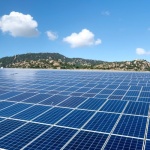
Where it shines: Solar is modular, fast to deploy, and increasingly affordable. It’s ideal for sunny regions, daytime commercial loads, and paired with batteries for evening peaks. Rooftop solar brings generation to the point of use, cutting losses and building resilience, especially with home storage.
Limits: Output swings daily and seasonally. Large arrays need land and transmission. Dust, snow, or shading reduce yield. Without storage or flexible demand, high solar penetration can cause midday curtailment and steeper evening ramps.
- Pro tips: Combine PV with behind‑the‑meter batteries or thermal storage (pre‑cooling, water heating). Use smart inverters for voltage support. Consider agrivoltaics and rooftop/parking‑lot installs to protect land and reduce urban heat.
Onshore Wind
Where it shines: High capacity factors in windy corridors, low lifecycle emissions, small on‑site footprint (turbines with farming underneath), and competitive costs in many markets.
Limits: Variable output, visual and sound concerns near residences, wildlife interactions. Requires transmission to connect resource‑rich regions to load centers. Curtailment can rise without grid upgrades.
- Pro tips: Use modern siting tools to minimize wildlife risks; deploy operational curtailment and detection systems. Explore community ownership stakes for local buy‑in.
Offshore Wind
Where it shines: Strong, steady winds near coastal load centers reduce transmission needs and can deliver power when onshore wind or solar are low. Floating platforms open deep‑water sites.
Limits: Higher capital costs, complex permitting, maritime constraints, and supply‑chain bottlenecks. Requires specialized vessels, ports, and trained workforce.
- Pro tips: Plan port infrastructure early, coordinate with fisheries and shipping lanes, and standardize turbine platforms to accelerate learning curves.
Hydropower (Large and Small)
Where it shines: Dispatchable, low‑carbon electricity with built‑in storage in reservoir systems. Excellent grid services (inertia, frequency response). Small hydro and run‑of‑river options can be lower impact when well sited.
Limits: Habitat impacts, fish migration challenges, and methane emissions from some tropical reservoirs. Drought vulnerability and competing water needs. Large dams can have significant social and ecological footprints.
- Pro tips: Modernize existing dams for greater output and safety; prioritize fish passage and sediment management; weigh non‑power ecosystem services in planning.
Geothermal
Where it shines: Near‑baseload output with small land footprint and minimal visual impact. Ideal in regions with high heat flow or existing wells. Emerging enhanced geothermal systems (EGS) broaden the map.
Limits: Site‑specific geology, exploration risk, upfront drilling costs, and potential induced seismicity if not managed properly. Requires skilled workforce and monitoring.
- Pro tips: Leverage oil and gas drilling expertise; co‑produce heat and power; use closed‑loop designs to reduce fluid movement and seismic risk.
Bioenergy (Solid Biomass, Biogas, Biofuels)
Where it shines: Dispatchable power and renewable heat, especially from waste streams (landfill gas, agricultural residues, wastewater). Useful for difficult‑to‑electrify sectors and backup generation.
Limits: Sustainability hinges on feedstock sourcing. Forest‑based biomass can trigger carbon debt and biodiversity concerns. Air pollution must be tightly controlled. Competes for land with food and ecosystems if poorly designed.
- Pro tips: Prioritize genuine wastes, tighten emissions controls, and verify carbon accounting with conservative baselines. Avoid displacing high‑carbon natural ecosystems.
Marine Energy (Tidal and Wave)
Where it shines: Predictable tides complement wind and solar variability; potential niche roles near coastal communities and islands.
Limits: Early‑stage technology, harsh marine environments, high costs, and ecological considerations. Likely to stay regional and supplemental for now.
Energy Storage: The Great Enabler
Where it shines: Batteries match solar’s daily cycle, providing fast response and grid services (frequency regulation, ramping). Pumped hydro offers mature, low‑cost long‑duration storage. Thermal storage (hot water, phase change materials) shifts heat loads cheaply. Hydrogen and other chemical carriers target multi‑day to seasonal needs and industrial uses.
Limits: Each storage type fits different durations and use cases. Batteries are material‑intensive and best for 1–8 hours today; hydrogen remains inefficient for round‑trip power storage; pumped hydro needs specific geography and careful siting.
- Pro tips: Right‑size storage to local variability and market signals; stack multiple value streams (capacity, ancillary services, congestion relief); design for second‑life and recycling.
Nuclear Power as a Low‑Carbon Complement
Not renewable, but low‑carbon and dispatchable. Existing fleets provide reliable baseload and firm capacity that can complement high‑VRE grids. Advanced designs aim for improved safety, load‑following, and lower costs.
Limits: High capital costs, long development timelines, waste management, and social acceptance. It can be a valuable tool in some regions, especially where geography or policy makes vast transmission or storage expansions difficult.
Grid Solutions That Close the Gap
Smarter Transmission and Interconnection
More wires, faster. High‑capacity lines share weather‑diverse resources across wider areas, smoothing variability and cutting curtailment. Advanced power electronics (FACTS, HVDC) boost transfer capacity on existing corridors. Streamlined siting and permitting with community benefits can speed timelines.
Demand Flexibility and Electrification
It’s not just about supply. Flexible demand—EV smart charging, industrial load shifting, pre‑heating/cooling, and time‑of‑use rates—soaks up midday solar and windy nights. Heat pumps electrify buildings efficiently; when paired with thermal storage and smart controls, they act like a virtual battery.
Market Design and Digitalization
Real‑time pricing, capacity markets that reward availability, and ancillary service products that value fast response let clean resources compete on their strengths. Digital twins, advanced forecasting, and distributed energy resource (DER) orchestration increase reliability at lower cost.
Economics Without the Hype
LCOE vs. System Value
Low LCOE is great—but a megawatt when and where you don’t need it has less value. As renewable shares rise, the grid rewards resources that deliver at scarcity hours and provide essential services (ramping, inertia, voltage control). That’s why portfolios that blend VRE with storage, demand flexibility, and some firm capacity often beat any single technology on cost and reliability.
Financing and Policy
Stable policy reduces risk and lowers capital costs. Incentives that pay for outcomes—emissions reductions, reliability services, local benefits—drive efficient investment. Carbon pricing clarifies the playing field but must be paired with transmission reform, siting support, and workforce development.
Real‑World Guidance: Households, Businesses, and Cities
For Households
- Start with efficiency: Air sealing, insulation, and LED lighting cut bills and emissions.
- Electrify smartly: Heat pumps for space and water heating, induction cooktops, and smart thermostats.
- Rooftop solar + battery (where viable): Improves resilience and can hedge against rising rates, especially with time‑of‑use tariffs.
- EVs and smart charging: Charge when the grid is cleanest; consider bidirectional charging as markets allow.
- Community options: If rooftop solar isn’t feasible, explore community solar or green tariffs.
For Businesses
- Audit loads and shift demand: Move flexible processes to coincide with clean power windows.
- On‑site generation: Rooftop solar, solar carports, or combined heat and power from biogas where appropriate.
- Procurement strategy: Use power purchase agreements (PPAs), virtual PPAs, and renewable energy certificates with an eye on time‑based carbon accounting.
- Fleet electrification: Optimize routes and depot charging for off‑peak, clean‑grid hours.
- Resilience planning: Microgrids with storage to ride through outages while supporting grid services during normal operations.
For Cities and Regions
- Plan the grid and land together: Overlay resource maps with conservation and equity priorities; identify low‑conflict zones early.
- Streamline permitting: One‑stop, transparent processes with clear timelines and community benefits.
- Invest in transmission and distribution: Upgrade substations, add advanced reconductoring, and deploy non‑wires alternatives.
- Enable DERs: Fair interconnection, smart inverter standards, and compensation for flexibility.
- Equity guardrails: Target efficiency upgrades and bill relief to low‑income households; support workforce transitions.
Myths vs. Realities
- Myth: “Renewables can’t power a modern grid.”
Reality: Many regions already run reliably with high renewable shares for extended periods. The key is a balanced portfolio—VRE plus storage, flexible demand, and adequate transmission. - Myth: “Batteries solve everything.”
Reality: Batteries are great for hours, not seasons. Long‑duration storage, demand‑side measures, and firm resources still matter. - Myth: “Land use makes wind and solar worse than fossils.”
Reality: Land footprints are larger, but lifecycle emissions and health impacts remain far lower than fossil generation. Siting and dual‑use designs mitigate constraints. - Myth: “Mining needs make clean energy dirty.”
Reality: Materials demand is real, but with strong standards, recycling, substitution, and efficiency, impacts can be far lower than ongoing fossil fuel extraction and combustion. - Myth: “Hydrogen will replace the grid.”
Reality: Hydrogen shines in industry, heavy transport, and long‑duration storage—it complements, not replaces, efficient electrification.
Performance by Context: Matching Resources to Needs
No single resource is “best.” The strongest outcomes pair technologies with local strengths:
- Sunny, land‑constrained cities: Rooftop solar, solar canopies, demand response, building efficiency, and neighborhood‑scale batteries.
- Windy plains and coasts: Onshore and offshore wind, high‑capacity transmission to urban loads, and grid‑forming inverters for stability.
- Mountainous regions: Hydropower upgrades, pumped hydro, and run‑of‑river with careful ecological safeguards.
- Volcanic belts: Geothermal baseload with district heating networks.
- Agricultural hubs: Agrivoltaics, biogas from manure, and residue‑based bioenergy with strict sustainability criteria.
Environmental Footprints in Full
Lifecycle Emissions
Independent studies generally place wind, nuclear, and hydropower at the very low end of lifecycle carbon per kWh, with solar PV close behind and geothermal varying by plant and field operations. Gas with carbon capture reduces but does not eliminate emissions and carries upstream methane leakage concerns. Biomass can be low‑carbon when using true wastes but risky when sourcing dedicated feedstocks from high‑carbon landscapes.
Land, Water, and Biodiversity
Protecting biodiversity means avoiding sensitive habitats and timing construction to minimize disruption. Solar designs that elevate panels and maintain ground cover support pollinators. Offshore wind can coexist with fisheries when co‑planning and compensation mechanisms are well structured. For hydro, fish ladders and modern turbine designs help but don’t eliminate all impacts—rigorous monitoring is essential.
End‑of‑Life and Circularity
Designing for disassembly and material recovery is moving from afterthought to requirement. Standardized module dimensions, recyclable resins for turbine blades, and battery chemistries tuned for recycling improve circularity. Producer responsibility policies can accelerate infrastructure build‑out and innovation in recovery technologies.
Reliability and Resilience: Not the Same Thing
Reliability is meeting demand minute‑by‑minute. Resilience is withstanding and recovering from shocks (storms, fires, cyberattacks). Clean energy can enhance both: distributed solar‑plus‑storage keeps critical loads running during outages; microgrids island during disasters; and undergrounded lines reduce wildfire risks. Yet resilience also calls for diversified resources, robust operations, and emergency planning.
What It Takes to Go Further, Faster
- Build transmission and modernize distribution: The backbone of a high‑renewables grid.
- Scale storage across durations: Hourly batteries, multi‑day pumped hydro or hydrogen, and flexible thermal storage.
- Electrify with intelligence: Heat pumps, EVs, and industrial loads that respond to real‑time conditions.
- Streamline siting with respect: Early community engagement, fair benefits, and clear science‑based environmental safeguards.
- Secure materials responsibly: Domestic and allied supply chains, recycling, and ethical mining standards.
- Get prices right: Carbon signals, time‑varying rates, and market products that reward flexibility and reliability.
Case Studies in Practice (Condensed)
High Solar Regions
Desert regions deploying utility‑scale PV paired with 4‑hour batteries slash evening peak gas use. Curtailment drops when regional interties send midday surplus to neighboring states with flexible industrial loads.
Wind‑Rich Corridors
Plains states stack onshore wind with HVDC lines to coastal cities. Adding demand response in data centers and hydrogen electrolyzers absorbs windy nights, monetizing otherwise curtailed power.
Hydro‑Backed Systems
Countries with large hydro fleets act as “giant batteries,” shaping output to fill solar and wind gaps. Upgraded turbines, better forecasting, and coordinated river basin management boost both reliability and ecosystem outcomes.
Frequently Asked Questions
How clean is clean enough?
Perfection isn’t required to make enormous progress. The priority is rapid, sustained cuts in lifecycle emissions while minimizing other harms. Transparent metrics and continuous improvement keep projects aligned with community and climate goals.
Do we still need gas?
In many grids today, some gas plays a bridging or backup role. Over time, its share can shrink with more storage, demand flexibility, transmission, and firm low‑carbon options. Where gas remains, cutting methane leakage and reserving it for rare peaks lowers its footprint.
Is nuclear necessary?
Not everywhere, but in some regions it’s a practical complement that reduces the need for extreme overbuilds of storage and transmission. The choice is portfolio‑ and context‑dependent.
What about cost to consumers?
Upfront investments can raise bills short term, but efficient portfolios and falling tech costs often yield long‑run savings and reduced price volatility. Targeted bill support and weatherization protect vulnerable households during transitions.
The Outlook: 2020s to 2040s
By the late 2020s, expect continued declines in solar, wind, and battery costs, plus early commercialization of long‑duration storage and advanced geothermal. The 2030s are likely to emphasize system optimization: grid build‑out, digitalization, and industrial decarbonization with green hydrogen and electrified heat. By the 2040s, clean power could dominate globally, with circular supply chains reducing raw material pressures and recycling commonplace.
Bottom Line: Eco‑Friendly Energy, Minus the Spin
Green power is neither a cure‑all nor a mirage. It’s a powerful toolkit with genuine strengths and real trade‑offs. Solar and wind deliver cheap, low‑carbon electrons fast, especially when backed by storage, flexible demand, and expanded transmission. Hydro and geothermal add stability where geography cooperates. Bioenergy works when tied to true wastes with strict sustainability. Nuclear can contribute firm, low‑carbon capacity where it’s economically and socially viable.
To truly capture the promise of Eco‑friendly energy sources–real benefits and limits, think in systems, not silos. Pair generation with grids and storage; align policy with outcomes; center communities and ecosystems in planning; and build circular supply chains. Do that, and the real talk turns into real results: cleaner air, a safer climate, stronger economies, and power you can count on.
Action Checklist
- Plan portfolios, not projects: Blend VRE with storage, demand flexibility, and firm capacity.
- Invest in enabling infrastructure: Transmission, interconnection, and digital grid tools.
- Design for circularity: Recyclable components, standardization, and producer responsibility.
- Use time‑based metrics: Value clean power when it’s scarce; reward flexibility.
- Embed equity: Community engagement, workforce support, and targeted consumer protections.
Real talk? Clean energy shines when we match its strengths to the system we build around it—and it falls short when we expect it to do everything alone. The path forward is practical, achievable, and already underway.