Root Your Own Mock Orange: Simple Cuttings for a Garden Bursting with Fragrance
If you’ve ever wished your garden could hold onto the lush, citrusy perfume of mock orange long after spring, you’re in the right place. In this comprehensive, practical guide, you’ll learn how to propagate fragrant mock orange cuttings with confidence—choosing the right material, creating an ideal rooting environment, and nurturing new plants through to bloom. We’ll cover proven techniques, timing, tools, troubleshooting, and design ideas so your borders, hedges, and containers are overflowing with scent and blossom.
Meet the Fragrant Mock Orange (Philadelphus spp.)
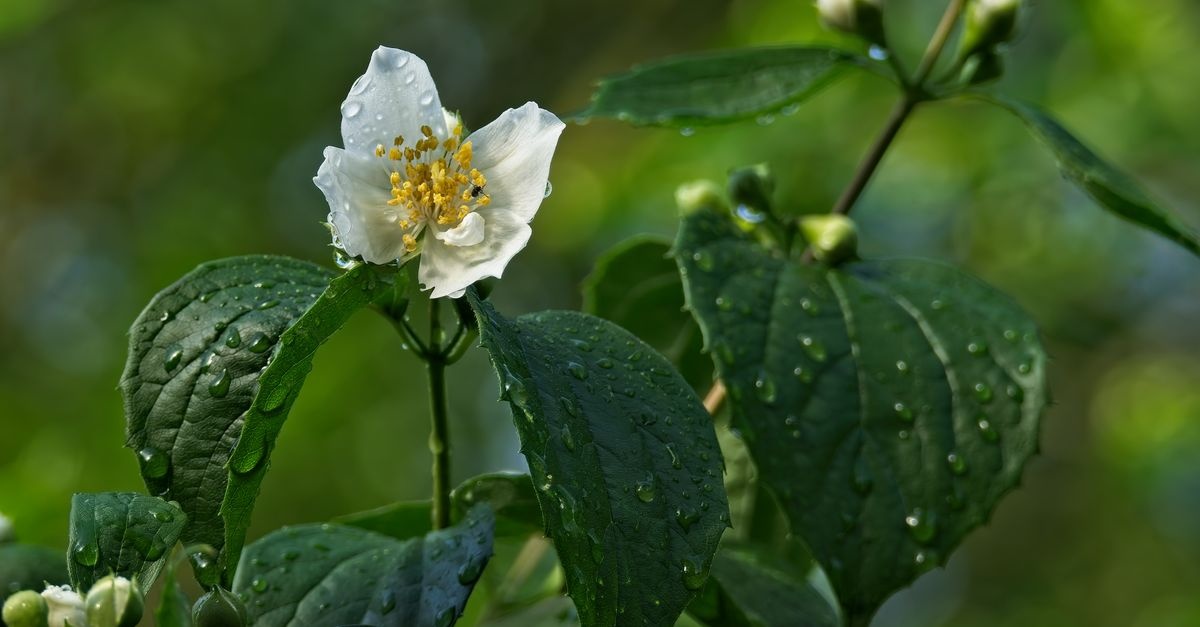
Mock orange, botanically known as Philadelphus, is a beloved, deciduous shrub prized for its exquisite, orange-blossom fragrance and abundant late-spring to early-summer flowers. It’s remarkably adaptable, thriving in full sun to light shade and tolerating a range of soils as long as drainage is sound. Whether you grow it as a feature in a mixed border, train it against a warm wall, or plant a series as a low screen, its perfume and romantic, creamy-white blooms offer timeless impact.
Why Gardeners Love It
- Unbeatable fragrance: A citrusy, sweet scent that drifts across patios, paths, and seating areas.
- Flowers in abundance: Showy, often cup-shaped blossoms in late spring or early summer.
- Easy care: Tolerant of different soils and prune-friendly after flowering.
- Wildlife friendly: Pollinators visit the flowers; structure provides shelter for garden life.
Best Species and Cultivars to Propagate from Cuttings
Most Philadelphus species respond well to cutting propagation. Classic selections include Philadelphus coronarius, often chosen for its powerful scent, and hybrids like Philadelphus x lemoinei for compact habit and heavy flowering. Cultivars such as ‘Belle Étoile’, ‘Virginal’, ‘Manteau d’Hermine’, and ‘Snowbelle’ offer variations in size and bloom form. All are excellent candidates when you’re learning how to propagate fragrant mock orange cuttings successfully.
Understanding Propagation by Cuttings
Before we dive into the step-by-step method, it helps to grasp the basic categories of cuttings and why they matter. Knowing your material ensures faster rooting, fewer losses, and healthy, vigorous plants.
Softwood, Semi-Ripe, and Hardwood: What’s the Difference?
- Softwood cuttings (late spring to early summer): Taken from fresh, green growth that’s still flexible. They root quickly, which is a big advantage for Philadelphus. However, they require consistent humidity to avoid wilting.
- Semi-ripe (semi-hardwood) cuttings (midsummer to early autumn): From stems that have firmed up but aren’t fully woody. They strike well, are less prone to collapse than softwood, and often make robust new shrubs.
- Hardwood cuttings (late autumn to winter): Fully dormant, woody material. While some gardeners root mock orange from hardwood, softwood or semi-ripe cuttings usually give speedier, more reliable results.
If your main aim is to refine how to propagate fragrant mock orange cuttings efficiently, focus on softwood in late spring and semi-ripe in summer; both balance vigor and ease of care.
When to Take Cuttings: A Seasonal Snapshot
- Late spring: As new growth matures and just begins to firm up, softwood cuttings are at their best.
- Summer to early autumn: Semi-ripe cuttings offer a solid window of opportunity with lower failure rates.
- Cooler months: Hardwood is an option, but expect longer rooting times and slightly lower success.
Tools, Materials, and Hygiene for Reliable Results
Good preparation lifts your success rate dramatically. Keep your setup simple, clean, and repeatable so every batch of cuttings gets off to a strong start. This is one of the most overlooked parts of how to propagate fragrant mock orange cuttings well.
- Sharp, clean snips or a pruning knife: Sterilize with isopropyl alcohol or a 10% bleach solution; rinse and dry.
- Propagation medium: Free-draining, sterile mixes such as perlite + peat-free compost (1:1), perlite + coco coir (1:1), or perlite + vermiculite (1:1).
- Small pots or cell trays: 7–9 cm pots or modular trays with drainage holes help prevent waterlogging.
- Rooting hormone (optional but helpful): A powder or gel containing auxins (IBA/NAA) encourages quick, even rooting.
- Humidity dome or clear bag: A propagator lid, plastic dome, or zip-top bag to maintain moisture around leaves.
- Mister or fine spray bottle: For gentle foliar misting without drenching the medium.
- Heat mat (optional): Bottom heat at 18–24°C can speed root initiation, especially for semi-ripe cuttings.
- Labels and pencil: Track cultivar, date, and source plant for better learning and record-keeping.
- Rubbing alcohol and paper towels: For tool hygiene between plants to limit disease spread.
How to Propagate Fragrant Mock Orange Cuttings: A Complete Guide
Below is a practical, no-nonsense method that works for both softwood and semi-ripe material. If you’ve ever wondered how to propagate fragrant mock orange cuttings step by step, this sequence covers the essentials from selection to aftercare.
1) Choose the Right Parent Stems
Select healthy, non-flowering shoots from a well-established, pest-free shrub. For softwood cuttings, look for vibrant green stems that snap crisply when bent. For semi-ripe, choose slightly firmer stems with some lateral flexibility. Avoid stems in full bloom; flowering drains energy away from root formation.
2) Take Cuttings at the Ideal Length
Snip 8–12 cm (3–5 in) sections, cutting just below a node (the point where leaves emerge). This node should sit just above the bottom of your cutting; it helps root primordia form rapidly. Work early in the day when plants are turgid (well-hydrated) for best results.
3) Prep the Cutting: Leaves, Nodes, and Clean Cuts
- Remove lower leaves: Strip leaves from the bottom half to two-thirds of the cutting so none sit below the medium line.
- Trim large upper leaves: Halve oversized leaves to cut transpiration without losing too much photosynthetic area.
- Refresh the base cut: Make a clean, straight cut just below a node; avoid crushing the stem.
This preparation supports the physiological steps behind how to propagate fragrant mock orange cuttings by reducing moisture loss while maximizing rooting points.
4) Optional: Apply Rooting Hormone
Dip the prepared base lightly into rooting gel or powder, then tap off the excess. Hormones often improve uniformity and speed, especially for semi-ripe cuttings. If you prefer a minimalist approach, many gardeners still enjoy strong results with a clean, oxygenated mix and careful humidity management.
5) Set the Cuttings into a Free-Draining Medium
Fill small pots or a tray with your chosen mix (e.g., 50:50 perlite and peat-free compost). Pre-moisten so it’s evenly damp but not soggy. Use a dibber or pencil to create planting holes; insert cuttings so at least one node sits under the surface. Firm gently to remove air gaps around the stem.
6) Create a Humidity Tent and Provide Gentle Light
- Humidity: Place under a clear dome or in a ventilated plastic bag to retain moisture. Open for a few minutes daily to refresh air and deter mold.
- Light: Bright, indirect light is perfect. Avoid harsh midday sun that can scorch or wilt the foliage.
- Temperature: Aim for 18–24°C (65–75°F). Bottom heat helps, but don’t overdo it—warm medium, not hot air, is ideal.
7) Water Wisely
Keep the medium evenly moist. Overwatering encourages rot; underwatering increases wilting. Mist foliage lightly if leaves flag, but prioritize moisture at the root zone rather than constant drenching. Consistent moisture is central to mastering how to propagate fragrant mock orange cuttings successfully.
8) Wait for and Check Rooting Progress
Rooting times vary by cutting type and conditions. Softwood cuttings may callus and root in 2–6 weeks; semi-ripe cuttings typically take 4–10 weeks. Tug very gently after 2–3 weeks; resistance suggests roots are forming. Avoid frequent disturbances, which can break delicate new roots.
9) Potting On
Once roots are 2–5 cm (1–2 in) long and branching, move each cutting into its own pot with a light, peat-free potting mix. Plant at the same depth, firm lightly, and water to settle. Keep in bright shade for a week while roots adjust, then introduce more light gradually.
10) Harden Off and Plant Out
Over 10–14 days, acclimate young plants to outdoor conditions by extending their time outside each day, sheltered from harsh wind and hot sun. Plant out when growth is steady and risk of frost has passed. This final stage completes the process of how to propagate fragrant mock orange cuttings from start to scented finish.
Choosing and Mixing the Best Rooting Mediums
Good media deliver air, moisture, and cleanliness in equal measure. The medium you choose does more than hold the cutting upright—it shapes oxygen access and water retention, two fundamentals behind vigorous root growth.
- Perlite + peat-free compost (1:1): A classic, airy blend with balanced moisture.
- Perlite + coco coir (1:1): Sustainable, uniform texture; excellent drainage.
- Perlite + vermiculite (1:1): Very light and free-draining; monitor watering carefully.
- Gritty sand + compost (1:1): Traditional, budget-friendly; ensure sand is clean and sharp.
Whichever you choose, sieve if clumpy, pre-moisten evenly, and avoid compaction. This attention to substrate quality directly supports anyone focused on how to propagate fragrant mock orange cuttings with consistent, repeatable success.
Aftercare: From Fresh Roots to Flowering Shrubs
Newly rooted mock oranges thrive when you aim for slow, steady growth. Resist the urge to push with heavy feeds; instead, prioritize stable moisture, balanced light, and gradual transitions.
Hardening Off
- Start with dappled shade and calm air; increase exposure over two weeks.
- Avoid midday sun until plants are noticeably tougher and producing new leaves.
- Shield from cold nights; frost can set back tender new growth.
Transplanting and Spacing
- Soil: Fertile, well-drained soil is best. Work in organic matter if soil is thin or sandy.
- Spacing: 1–2 m (3–6 ft) apart, depending on cultivar size and whether you’re making a hedge or specimen stand.
- Watering: Keep evenly moist during the first growing season to establish a deep, resilient root system.
Feeding and Pruning
- Feeding: A light, balanced, slow-release feed in spring is enough. Avoid high-nitrogen spikes that produce soft, weak growth.
- Pruning: Prune right after flowering. Remove the oldest stems at the base to encourage fresh, floriferous shoots.
Troubleshooting: Common Problems and Easy Fixes
Even a well-planned setup can hit snags. Here’s how to steer back on course quickly, keeping your plan for how to propagate fragrant mock orange cuttings firmly on track.
Wilting or Collapse
- Cause: Low humidity, too much sun, or underwatering.
- Fix: Improve humidity with a dome, provide bright but indirect light, and water the medium evenly. Trim leaf area if cuttings are large.
Rotting Stems (Blackening at the Base)
- Cause: Overwatering, compacted medium, or poor hygiene.
- Fix: Repot into fresh, airy medium; sterilize tools; water less often. Vent the humidity cover daily.
Slow or No Rooting
- Cause: Cuttings taken too woody/too young, low temperatures, or insufficient light.
- Fix: Adjust timing to softwood/semi-ripe stage, provide gentle bottom heat, and move to brighter (not direct) light.
Mold or Algae on the Medium
- Cause: Stagnant air and high surface moisture.
- Fix: Increase ventilation, water from the base, and avoid over-misting. A light surface dressing of perlite can help keep the top drier.
Pest Nuisances (Fungus Gnats, Aphids)
- Cause: Overly wet media attract gnats; tender growth tempts aphids.
- Fix: Let the top layer dry slightly between waterings; use yellow sticky traps; gently wash aphids or use an appropriate, garden-safe control if needed.
A Propagation Calendar for Mock Orange
Keep your efforts organized across the year with this quick calendar, especially useful as you refine how to propagate fragrant mock orange cuttings for repeatable results.
- Late spring (softwood): Take vigorous, non-flowering shoots; expect 2–6 weeks to root.
- Summer to early autumn (semi-ripe): Slightly firmer material; expect 4–10 weeks to root.
- Autumn: Pot on late-rooted cuttings; provide shelter and even moisture.
- Winter: Maintain cool, bright conditions; avoid waterlogging; hardwood cuttings possible but slower.
- Spring: Harden off, feed lightly, and plant out once frost risk passes.
Eco-Friendly Tips and Evidence-Based Boosters
- Peat-free mixes: Choose sustainable media like coco coir with perlite for excellent structure.
- Clean, not chemical-heavy: Hygienic tools and well-ventilated humidity domes do more than many additives.
- Hormones judiciously: Rooting hormone can help even results; use sparingly and follow the label.
- Avoid myths: Home remedies like “willow water” are anecdotal; prioritize proven sanitation and environmental control.
Design Ideas: Where to Plant Your New Mock Oranges
Once you’ve mastered how to propagate fragrant mock orange cuttings, the real fun begins: placing your new shrubs where their perfume counts most. Consider siting and companions that make fragrance and form shine.
- Patio and path edges: Let the scent greet you as you pass by or dine outdoors.
- Mixed borders: Weave mock orange among roses, salvias, or geraniums for a classic, layered look.
- Backdrops and screens: Use taller cultivars to frame seating areas or hide utilities.
- Moon garden: Pair white blossoms with silver foliage and pale blooms for twilight sparkle.
Common Mistakes to Avoid
- Taking flowered stems: Energy goes to blooms instead of roots; choose vegetative shoots.
- Overly wet medium: Suffocates stems and invites rot. Aim for evenly moist, well-aerated mixes.
- Too much sun during rooting: Softwood cuttings scorch fast. Bright, indirect light is key.
- Skipping hygiene: Dirty blades spread problems. Sterilize between mother plants.
- Rushing the hardening-off process: Sudden exposure causes setbacks; increase light and wind gradually.
Frequently Asked Questions
How long does it take to root mock orange cuttings?
Softwood cuttings can root in as little as 2–3 weeks under ideal warmth and humidity, though 4–6 weeks is common. Semi-ripe cuttings often take 4–10 weeks. Patience and steady conditions are vital parts of how to propagate fragrant mock orange cuttings effectively.
Do I need a greenhouse or mist bench?
No. While professional setups help, a simple home system—good light, a humidity dome, and an airy medium—delivers excellent results for most gardeners.
Should I use rooting hormone?
It’s optional but often beneficial, especially for semi-ripe cuttings. If you skip it, tighten up other variables: timing, hygiene, and medium aeration.
Can I propagate from pruning offcuts?
Yes, provided they’re the right maturity (softwood or semi-ripe) and not flowering. Prepare them as you would carefully selected stems.
When will my new plant flower?
Well-rooted cuttings typically establish in their first season and may flower the following year, depending on vigor and conditions.
A Quick-Start Checklist
- Pick the right stage: Softwood (late spring) or semi-ripe (summer).
- Cut length: 8–12 cm, just below a node.
- Leaves: Strip the lower half; reduce large leaves by half.
- Medium: Airy, sterile, and evenly moist (e.g., perlite + coco coir 1:1).
- Humidity + light: Dome or bag; bright, indirect light.
- Temperature: 18–24°C; consider mild bottom heat.
- Rooting window: 2–10 weeks, depending on cutting type and conditions.
- Pot on: When roots are 2–5 cm and branching; harden off slowly.
From One Shrub to a Symphony of Scent
Once you see how simple it is to multiply this beloved shrub, you’ll never be short of plants for borders, hedges, or gifts. The essence of how to propagate fragrant mock orange cuttings is straightforward: choose the right growth stage, keep your tools and medium clean, maintain buoyant humidity and gentle light, and let time and physiology do the rest. Whether you root half a dozen or a full tray, the reward is the same—a garden brimming with luminous blooms and unforgettable perfume, season after season.
Putting It All Together: Your Action Plan This Season
- Mark your calendar for softwood (late spring) and semi-ripe (summer) windows.
- Gather tools: clean snips, airy medium, small pots, humidity dome, labels.
- Take 8–12 cm, non-flowering shoots, prepared just below a node.
- Strip lower leaves, reduce large upper leaves, and dip in rooting hormone if desired.
- Insert into pre-moistened, free-draining mix; firm in.
- Provide bright, indirect light, steady humidity, and 18–24°C warmth.
- Water to maintain even moisture; vent daily to keep air fresh.
- Check for rooting at 2–3 weeks; pot on once roots branch well.
- Harden off and plant out after frost risk fades; prune after flowering to shape.
Follow these steps, and you’ll master how to propagate fragrant mock orange cuttings while building a fragrant legacy in your garden. With each new plant, you’re not just growing shrubs—you’re multiplying moments of scent and beauty for years to come.