Bright on a Budget: Clever Lighting Tweaks That Transform Your Home for Less
Lighting is more than a switch you flip. It is mood, function, comfort, and style wrapped into a glow that shapes how you live every day. The good news: you do not need a luxury budget to make your rooms shine. With a few strategic moves, you can coax more light from what you already own, add affordable upgrades where they matter most, and stretch every bulb into better, brighter living. This guide rounds up cheap and effective home lighting ideas, practical planning tips, and renter-friendly hacks that deliver big impact for a small price.
Why Lighting Matters More Than You Think
Good lighting improves focus, reduces eye strain, elevates color, and sets the tone of a space. Without spending much, you can:
- Boost function: Place task light where you chop, read, type, or do hobbies.
- Maximize comfort: Dim and warm tones calm the mind; brighter, cooler tones energize.
- Show off your decor: Accents make texture and art pop.
- Save energy: LEDs and smart controls cut bills while increasing control.
Every room benefits from a layered plan, even on a tight budget. Layering simply means combining ambient, task, and accent lighting so you can adapt to any moment.
The 3 Layers of Light (and How to Get Them for Less)
1. Ambient: The Base Layer
Ambient light fills the room. It usually comes from ceiling fixtures, large floor lamps, or a few table lamps working together. To increase ambient glow on a budget:
- Swap bulbs, not fixtures: Replace dim incandescents with higher-lumen LEDs.
- Use a trio of lamps: Two table lamps plus one floor lamp spread light broadly without overhead wiring.
- Add bounce: Point a floor lamp upward to reflect light off the ceiling, which softens shadows.
- Brighten shades: Choose white or linen drum shades for more diffusion and output.
2. Task: Focus Where You Need It
Task lighting targets specific areas, such as a kitchen counter, desk, craft table, vanity, or reading nook. Budget-friendly options include:
- Clip-on lamps: Attach to shelves or headboards for flexible light exactly where you need it.
- Under-cabinet LED strips: Affordable plug-in or battery options eliminate counter shadows.
- Adjustable desk lamps: Choose articulating arms and a matte shade to reduce glare.
- Portable puck lights: Battery-powered pucks under shelves or inside closets are quick wins.
3. Accent: Drama and Depth
Accent light highlights art, plants, shelves, or architecture. Even a small accent can lift the room:
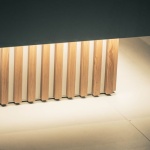
- LED strip lights: Install behind a TV, along bookcases, or under floating shelves for a halo effect.
- Plug-in sconces: Renter-friendly and easy to place on either side of a bed or sofa.
- Spotlights: Aim a small spotlight at artwork or a textured wall to add dimension.
With these layers, you can create a flexible, tailored lighting scheme without expensive fixtures.
Planning First: A Quick Lighting Audit
Before shopping, walk through each room at different times of day and note where light falls short. Sketch a quick plan:
- Map zones: Seating, cooking, reading, working, getting dressed.
- List problems: Dark corners, glare on screens, uneven shadows, dim hallways.
- Identify assets: Natural light sources, reflective surfaces, existing lamps you can relocate.
- Set mini-goals: Read in bed without eye strain; brighten kitchen prep; calm evening ambiance.
This simple audit keeps spending focused on what truly improves your everyday life.
Bulb Basics That Save Money and Upgrade Light
You can change the feel of a room just by choosing better bulbs. Focus on three things: lumens, color temperature, and CRI.
Lumens, Not Watts
Watts measure energy used; lumens measure brightness. For general guidance:
- Living room: 10 to 20 lumens per square foot. A 200 sq ft living room needs roughly 2000 to 4000 lumens spread across layers.
- Kitchen: 30 to 40 lumens per square foot for prep zones. Under-cabinet bars fill gaps.
- Bedroom: 10 to 15 lumens per square foot. Add focused reading lights near the bed.
- Home office: 30 to 50 lumens per square foot at the desk surface.
- Bathroom vanity: 45 to 70 lumens per square foot around the mirror for clear grooming.
Color Temperature (Kelvin)
Color temperature shapes mood:
- Warm white (2700K to 3000K): Cozy living spaces and bedrooms.
- Neutral white (3500K to 4000K): Kitchens, dining, and multi-use areas.
- Daylight (5000K): Crafting, detail work, and windowless offices.
Mixing warm and neutral within one space can create balance; keep task light slightly cooler than ambient if you want crisp clarity without harshness.
CRI (Color Rendering Index)
CRI tells you how accurately colors appear under the bulb compared to natural light. Aim for 90+ in areas where color matters: closets, vanity mirrors, workbenches, and art displays. Many affordable LED options now offer high CRI at low cost.
Choose LEDs for Efficiency and Control
- Lower bills: LEDs use a fraction of energy and last for years, saving money over time.
- Dimmable models: Look for dimmable packaging to pair with plug-in dimmers or compatible switches.
- Specialty bulbs: Filament-style LEDs mimic Edison bulbs without the heat or energy waste.
With the right bulb, you unlock more light from the same lamp or fixture, often for under a few dollars.
Transforming Rooms: Budget Lighting Strategies by Space
Living Room
- Build a triangle: Place two table lamps on opposite sides of the room and a floor lamp behind or beside the sofa to eliminate dark zones.
- Backlight the TV: An LED strip behind the screen reduces eye strain and adds a floating effect.
- Use mirrors smartly: Place a mirror opposite or diagonal to a window to amplify daylight and reach dim corners.
- Swap heavy shades: Opt for light fabric drum shades to increase overall glow.
Bedroom
- Layered bedside: Pair a small warm lamp with a focused clamp light for reading.
- Soft indirect light: A floor uplight in a corner creates gentle ambiance without glare.
- Closet clarity: Add motion-activated puck lights inside closets for effortless visibility.
Kitchen
- Under-cabinet boost: Plug-in LED bars or tape neutralize shadows over counters.
- Island focus: A plug-in pendant with swag chain adds impact without hardwiring.
- Inside cabinets: Battery pucks in glass-front cabinets make dishes sparkle.
Bathroom
- Face-friendly placement: Use two plug-in sconces or bright vertical strips at eye level beside the mirror to avoid harsh downlight shadows.
- Warm dim evenings: A low-watt LED night light guides late-night trips.
- High CRI around the mirror: Accurate skin tone and makeup application.
Home Office
- Task first: A bright, adjustable desk lamp with a 4000K to 5000K bulb increases alertness.
- Balance the background: A floor lamp behind the monitor softens contrast and video-call shadows.
- Glare control: Use matte finishes and shade diffusers to prevent screen reflections.
Hallways and Entry
- Motion sensors: Battery or plug-in sensors deliver safety light only when needed.
- Low-profile strips: LED tape along baseboards adds a gentle guide at night.
- Mirror and light paint: Reflect more brightness without adding fixtures.
Renter-Friendly Hacks (No Drilling Required)
- Plug-in sconces with cord covers: Create the sconce look and run cords neatly with adhesive raceways.
- Command hooks and clips: Hang lanterns or route LED strips without holes.
- Swag pendants: Hook from the ceiling and plug into an outlet; perfect over a dining table or reading chair.
- Smart bulbs only: Add dimming and scenes without changing switches or wiring.
These tricks give you flexibility and style points, then move with you when you leave.
DIY Projects That Look High-End, Cost Low
Simple Lampshade Reboot
- Refresh with fabric: Wrap a tired shade in linen or textured paper using spray adhesive; keep the inside white for brightness.
- Paint the base: Matte black, brass spray, or stone-texture paint modernizes thrifted lamps instantly.
- Swap finials and harps: Small hardware upgrades elevate the finish for a few dollars.
LED Strip Shelf Glow
- Under-shelf strips: Install LED tape under floating shelves to highlight books and decor.
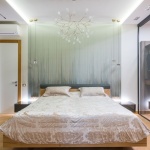
- Behind headboard: A soft halo behind the bed becomes a calming night light.
- Under sofa lip: A subtle outline grounds the sofa and adds a designer look.
Paper Lantern Cluster
- Mix sizes: Hang three to five paper lanterns at varied heights with warm LED bulbs.
- Corner feature: Create a sculptural cloud in a dead corner for less than a fancy chandelier.
Plug-In Pendant Over the Table
- Swag and center: Use two ceiling hooks to position the cord over your table.
- Dim it: Pair with a plug-in inline dimmer to control dinner mood lighting.
Thrifting and Upcycling: Big Style, Little Spend
Thrift stores, garage sales, and online marketplaces are goldmines for lamp bodies and shades. Look for solid shapes, clean lines, and heavy, stable bases.
- Check sockets and cords: If the wiring looks worn, rewire with an affordable kit. Safety first.
- Mix and match: A modern white drum shade on a classic ceramic base looks fresh and bright.
- Refinish metal: Brass, bronze, or chrome can be revived with metal polish or spray.
- Shade shape matters: Drums deliver more output than bell or empire shapes that direct light downward.
With a little TLC, a thrifted lamp can outperform a brand-new budget lamp in both character and light quality.
Smart Controls Without the Smart Home Price
- Smart bulbs: Add voice control, dimming, and routines room by room. Start where it matters most.
- Plug-in dimmers: Simple inline controls work with dimmable LEDs and transform living room ambiance.
- Motion sensors: Battery-powered sensors turn on lights only when needed in closets, laundry rooms, and hallways.
- Timers: Mechanical or digital timers handle porch and holiday lighting for pennies.
These upgrades save energy and make your lighting feel premium without rewiring.
Natural Light: Free Lumens You Should Not Ignore
- Sheer curtains: Replace heavy drapes with sheers or keep them pulled back to let daylight flood in.
- Clean windows: Dust and grime noticeably cut brightness; clean glass is a free upgrade.
- Light walls: Off-white paint with a matte or eggshell finish scatters light more evenly than glossy paint, which can cause glare.
- Reflective accents: Add a mirror, metallic tray, or light rug to bounce and spread daylight.
Start with daylight strategies, then layer artificial light to finish the look.
Safety and Quality on a Budget
- UL-listed or equivalent: Choose components that meet safety standards.
- Stable bases: Heavy lamp bases reduce tip risk, especially around pets and kids.
- Heat and ventilation: LEDs run cool, but always allow shade clearance and avoid enclosed fixtures with non-rated bulbs.
- Cord management: Use cord covers or adhesive channels to prevent trips and keep things tidy.
Even budget builds should meet safety best practices. A little caution goes a long way.
Common Mistakes to Avoid
- One overhead light syndrome: A single bright ceiling fixture creates harsh shadows. Layer instead.
- Wrong color temperature mix: Avoid clashing ultra-cool with ultra-warm in one small space. Keep a cohesive palette.
- No dimming: Without dimming, you lose mood control. Add simple plug-in dimmers or smart bulbs.
- Ignoring glare: Glossy surfaces and bare bulbs near eye level can strain eyes. Use diffusers and opaque shades strategically.
- Forgetting function: Beautiful light is wasted if you cannot read, cook, or work comfortably. Prioritize task zones first.
Fast, Low-Cost Wins You Can Do Today
- Relocate lamps: Move one table lamp to a darker corner and add a mirror; instant balance.
- Switch bulb types: Warmer bulbs in the bedroom, neutral in the kitchen, daylight at the desk.
- Install LED tape: Add a strip under a shelf or behind a TV in under 30 minutes.
- Add a plug-in dimmer: Control mood without rewiring.
- Clean fixtures and bulbs: Dust cuts output; clean glass and shades can recover surprising brightness.
Budget Tiers: Spend Where It Counts
Under 25
- Two high-quality LED bulbs with high CRI for the vanity or reading lamp.
- One roll of LED tape for shelf or TV backlighting.
- A battery-powered motion sensor light for the closet.
Under 50
- Plug-in dimmer plus a pair of dimmable bulbs for living room control.
- Under-cabinet LED bar for kitchen task lighting.
- Smart bulb for the main lamp to create scenes and schedules.
Under 100
- Floor lamp that uplights and fills the room.
- Two plug-in sconces with cord covers for bedroom or hallway.
- Cluster of paper lanterns and warm LEDs for a statement feature.
Focus your spend on the rooms you use most; upgrade key layers first and fill the rest over time.
Mini Makeovers: From Dull to Delightful
Case 1: Small Living Room
Problem: One ceiling light, TV glare, and a gloomy corner.
Fix: Add a floor uplight behind the sofa, table lamp with warm LED beside the reading chair, and LED strip behind the TV. Hang a mirror opposite the window and swap the heavy lampshade for a white drum. Total cost low, mood and comfort high.
Case 2: Rental Bedroom
Problem: No wiring allowed, dim bedside reading.
Fix: Plug-in sconces above the nightstands with cord raceways, smart bulbs for dimming, and a soft LED strip behind the headboard for ambient glow. Add a small motion night light for safe nighttime movement.
Case 3: Galley Kitchen
Problem: Great cabinets, bad shadows on the counters.
Fix: Two plug-in LED bars under the uppers, a brighter neutral bulb in the ceiling fixture, and a small clip light aimed at the sink. Food prep becomes easy and safe without a full renovation.
Room-by-Room Shopping List
- Living room: Floor uplight, two table lamps, dimmable warm LEDs, LED strip for TV, mirror.
- Bedroom: Pair of plug-in sconces or clip lamps, warm LEDs, motion night light, headboard strip.
- Kitchen: Under-cabinet bars or tape, neutral white bulbs, task clip light.
- Bathroom: High CRI bulbs, vertical lights at mirror height, night light.
- Office: Adjustable desk lamp with neutral to daylight bulb, background floor lamp.
- Hallway: Motion sensor lights, baseboard LED guide strip.
Outdoor and Entry: Affordable Welcome Glow
- Solar path lights: No wiring, set-and-forget illumination along walkways.
- Motion flood: A small motion-activated light above the door improves safety.
- Warm entry lamp: A table lamp on a console inside sets tone and prevents harsh contrast from outside.
Even a modest porch lamp with a warm LED creates a more inviting threshold.
Advanced Tips That Still Fit a Budget
- Layer dimming levels: Ambient on low, task on bright, accent steady. This keeps the room functional yet calm.
- Use two bulb temperatures: Keep ambient warm and task neutral for rooms that multitask day to night.
- Add opacity strategically: Frosted or opal glass diffuses hotspots while maintaining output.
- Mind beam angles: Wider beams for ambient, narrower for task and accent.
Maintenance: The Cheapest Upgrade of All
- Dust lamps and shades monthly: Clean fabric shades with a lint roller; glass shades with mild soap and water.
- Polish reflective surfaces: Mirrors and metallic accents amplify light best when spotless.
- Check connections: Tighten loose sockets, replace worn cords, and keep plugs snug.
FAQ: Quick Answers for Budget Brilliance
How do I get a designer look without new fixtures?
Upgrade bulbs, add dimming, layer two to three lamps, and backlight a feature like art or a TV. Paint or swap lamp shades to change the silhouette and brightness.
What is the fastest way to brighten a dark corner?
Use a floor uplight pointed at the ceiling, add a mirror to bounce light, or run an LED strip under a nearby shelf to spread glow sideways.
Are warm or cool bulbs cheaper to run?
Cost to run depends on wattage, not warmth. Choose LEDs at the same wattage; pick color temperature based on mood and function.
Do I need smart bulbs to save energy?
No. Dimmable LEDs and plug-in timers save energy too. Smart bulbs add convenience and scene control that help you use the right amount of light.
Putting It All Together
Great lighting is not about expensive fixtures; it is about the right light in the right place at the right time. Start with a simple audit, choose efficient bulbs with the right lumens and color temperature, and layer ambient, task, and accent light to match how you live. Then sprinkle in renter-friendly hacks, DIY upgrades, and thrifted finds to stretch your budget further.
If you were hunting for cheap and effective home lighting ideas that actually work in real homes, use the checklists here as your roadmap. With small, clever changes, you will create rooms that feel brighter, cozier, and more you—without overspending.
Quick Checklist: From Plan to Glow
- Audit each room for dark spots, glare, and function gaps.
- Set lumen targets and pick LED bulbs with the right color temperature and high CRI.
- Layer ambient, task, and accent light with affordable lamps and strips.
- Add dimming: smart bulbs, plug-in dimmers, or both.
- Leverage daylight: sheers, clean windows, mirrors, and light paint.
- Secure cords, choose safe components, and maintain regularly.
- Upgrade over time, focusing first on the rooms you use most.
Lighting is one of the best returns on a small investment. Start today, and enjoy a home that looks and feels better every hour you spend there.