Live Large in Less Space: A Shopper's Guide to Transformative Furniture
Live Large in Less Space: A Shopper's Guide to Transformative Furniture
When your home footprint is compact, every square foot must pull its weight. The right transformative pieces can convert a living area into a guest room, a dining nook into a home office, and a wall into hidden storage. This guide shows how to choose multifunctional furniture for small apartments without sacrificing comfort or design. You will learn the essentials of measuring, planning, materials, mechanisms, and style so you can create a flexible home that grows with your life.
Why Transformative Furniture Matters in Compact Living
Transformative furniture combines two or more functions, morphing as your day changes. A sofa bed becomes an overnight sanctuary. A lift-top coffee table doubles as a laptop desk. A wall-mounted drop-leaf turns a corridor into a breakfast bar. The payoff is not just space savings; it is lifestyle agility. With thoughtfully chosen pieces, small spaces host dinner parties, creative work, workouts, and rest just as comfortably as larger homes.
- Function stacking: One footprint, multiple uses (sleeping, dining, working, storage).
- Decluttering by design: Hidden compartments and modular add-ons reduce visual noise.
- Long-term flexibility: Adapt layouts as routines change, from WFH shifts to welcoming guests.
Start With a Plan: Measure, Zone, and Flow
Before shopping, map your needs and space. Understanding dimensions and daily rhythms is the foundation for choosing multifunctional furniture you will love for years.
Measure Precisely and Practically
- Room dimensions: Record wall-to-wall lengths, ceiling height, and window locations.
- Fixed elements: Measure door swings, radiators, vents, outlets, and breaker access panels.
- Travel paths: Ensure clear walkways of about 75 to 90 centimeters in main routes.
- Operational clearance: Note space required to extend a sofa bed, drop a wall bed, or pull an extendable table.
- Package paths: Measure elevator, stair, and doorway widths for delivery and future moves.
Define Functional Zones
Even in a studio, zones reduce friction. Label primary zones and give each a main function plus a secondary role.
- Living zone: Lounging by day, guest room by night.
- Dining zone: Meals plus flexible task surface for projects.
- Work zone: Dedicated desk or fold-down workstation with integrated cable management.
- Sleep zone: Fixed bed or transformable solution separated by a bookcase divider.
Plan the Flow
Consider the choreography of daily life. Can a bed deploy without moving the coffee table? Does the dining table extend without blocking the fridge? Map a typical day and weekend use to anticipate pinch points. This ensures you not only know how to choose multifunctional furniture for small apartments but how to use it effortlessly.
Core Categories of Transformative Furniture
From wall beds to nesting tables, here are the most efficient, proven categories for compact homes, with selection tips to match your lifestyle.
1. Convertible Beds: Murphy, Sofa Beds, and Daybeds
Sleeping solutions are the backbone of small-space living. Good sleep requires sturdy frames, supportive mattresses, and reliable mechanisms.
- Murphy bed (wall bed): Folds vertically or horizontally into a cabinet. Ideal for studios that become a living area by day.
- Sofa bed: A sofa with an integrated fold-out or pull-out mattress. Great for living rooms or offices that host guests.
- Daybed with trundle: Single sleeping area converts to a double with a roll-out base.
What to check:
- Mechanism quality: Gas pistons, counterbalances, and hinges should operate smoothly and safely with one hand if possible.
- Mattress support: Slatted bases or reinforced platforms prevent sagging.
- Bed size vs room size: Confirm total deployed length and clearance for bed linens.
- Daily-use rating: Some sofa beds are for occasional guests; others are rated for nightly sleep.
2. Modular and Storage Sofas
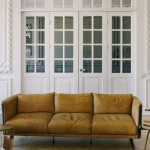
Modular systems let you reconfigure seating as needs evolve. Choose low-profile arms in tight rooms and consider chaise modules with lift-up storage for bedding or seasonal items.
- Configurations: Armless, corner, and chaise units adapt to narrow or square rooms.
- Storage: Hidden bays for blankets, board games, or workout gear.
- Durability: Stain-resistant performance fabrics and removable covers extend lifespan.
3. Extending and Transforming Tables
A dining or coffee table that adapts will unlock serious versatility.
- Gateleg and drop-leaf: Collapse to console depth; expand for dinner guests.
- Lift-top coffee table: Rises to desk height for WFH, with storage inside.
- Console-to-dining: Narrow console expands to seat six to eight with hidden leaves.
Key checks: Locking hardware to prevent wobble, leaf alignment, edge protection for laptops, and leg placement that does not collide with chairs.
4. Nesting and Stacking Pieces
Nesting tables, stools, and benches tuck away when not in use, giving you space for yoga or kids play time.
- Nesting tables: Slide apart for snacks or guests, store compactly.
- Stacking stools: Extra seating without permanent bulk.
- Benches with bins: Seat plus storage for shoes and everyday items.
5. Wall-Mounted Desks and Fold-Out Workstations
Convert any wall into a command center. Look for integrated cable channels and soft-close hinges to avoid slamming.
- Drop-front secretary: Shelves for supplies; front becomes a desktop.
- Wall-to-desk systems: Shelving plus desk to zone a workspace without partitions.
- Standing options: Fold-down standing desks save chair space.
6. Storage Ottomans and Coffee Tables
These double as footrests, seats, and stash points for remotes, throws, or toys. Choose sturdy tops so they can also serve as trays.
7. Room Dividers That Work Hard
Think beyond screens. Bookcase dividers deliver storage and privacy while allowing light to pass. Curtains on ceiling tracks are a lightweight alternative that compresses when open.
Materials and Mechanisms That Last
Longevity matters more in compact living because each object takes daily duty. Focus on the bones and moving parts.
Frames and Surfaces
- Solid wood or engineered hardwood: Offers strength and repairability. Veneers should be thick enough to refinish.
- Powder-coated steel or aluminum: Durable with slim profiles for a lighter visual footprint.
- High-pressure laminate: Scratch-resistant, ideal for desks and dining surfaces.
- Tempered glass: Creates visual airiness; ensure rounded corners in tight areas.
Upholstery and Fill
- Performance fabrics: Stain and abrasion resistance measured in double rubs; look for removable, washable covers.
- Foam density: Medium-high density for sofa cushions resists flattening.
- Mattresses: For nightly use, choose supportive hybrids or quality foam with breathable covers.
Mechanisms and Hardware
- Hinges and glides: Soft-close, full-extension glides for drawers; robust hinges for fold-down desks.
- Lift supports: Gas pistons or counterbalanced systems in Murphy beds and lift-tops for one-hand operation.
- Locking casters: On rolling islands or desks to stabilize when in use.
Pro tip: Request a demo in-store or watch manufacturer videos to see the motion and hear for squeaks or strain. Smooth, quiet operation indicates quality.
Ergonomics and Daily Comfort
Compact does not mean cramped. Prioritize ergonomics to make every function pleasant.
- Seat depth: Around 50 to 55 centimeters suits many bodies; go shallower for narrow rooms.
- Desk height: Standard desk height around 74 to 76 centimeters; lift-top tables should reach a comfortable elbow height when seated.
- Bed comfort: If using a sofa bed nightly, test in person. Look for even support and easy transition from sofa to bed without heavy lifting.
- Lighting: Pair transformable surfaces with task lighting on dimmers or clip-on lamps.
Style Strategies for Visual Spaciousness
Good style amplifies the effect of transformable function. Use finishes and silhouettes that make rooms feel open and cohesive.
- Light, low, and leggy: Lower-profile pieces with visible legs create air flow; consider wall-mounted options to expose more floor.
- Cohesive palette: Limit the number of dominant colors; repeat woods or metals across rooms.
- Matte finishes: Reduce glare and fingerprints in high-touch areas.
- Mirrors and glass: Bounce light and extend sightlines without adding bulk.
- Closed storage: Use doors and drawers to hide visual clutter, especially in open studios.
Budgeting and Value: Where to Spend, Where to Save
Transformative pieces vary widely in price. Prioritize daily drivers and save on accents.
Invest In
- Primary sleep: A robust Murphy bed or nightly-rated sofa bed with a supportive mattress.
- Work surfaces: Desks or lift-tops with quality hardware to prevent wobble and strain.
- Modular systems: Expandable shelving and sofas that scale with you.
Save On
- Side tables and stools: Nesting or stacking options from budget lines perform well.
- Soft goods: Rugs, throws, and pillow covers refresh style inexpensively.
- Secondhand finds: Solid-wood consoles or benches can be refinished to suit.
Tip: When evaluating how to choose multifunctional furniture for small apartments within a budget, calculate cost per use. A daily-use item at a higher initial price can cost less over time than a cheaper item you will replace.
Sustainability: Small Footprint, Big Impact
Compact living aligns naturally with sustainability. Go further with mindful choices.
- Responsible materials: Solid wood from certified sources, recycled metals, and water-based finishes.
- Modularity and repair: Replaceable covers and parts extend product life.
- Flat-pack efficiency: Reduces shipping volume; verify ease of assembly and hardware quality.
- Buy once, buy better: Durable pieces outlast fast furniture and reduce waste.
Assembly, Delivery, and Moving Considerations
Practical logistics matter in small buildings and busy schedules.
- White-glove delivery: Helpful for wall beds or large modular systems requiring secure anchoring.
- Anchoring and safety: Use proper fasteners for your wall type; consult building rules and local codes.
- Clear paths: Protect corners and floors on delivery day; measure elevator and stair landings in advance.
- Future moves: Choose furniture that disassembles without damaging joints.
Maintenance and Care for Daily Durability
Routine care keeps transformable pieces smooth and silent.
- Lubrication: Maintain hinges and pistons per manufacturer guidance.
- Tighten points: Recheck bolts and cam locks after initial settling.
- Fabric care: Vacuum upholstery, spot-clean promptly, rotate cushions to distribute wear.
- Surface protection: Use coasters, felt pads, and protective mats under laptops.
Layout Recipes: Real-World Small Homes
See how transformable choices turn constraints into creativity. These examples model how to choose multifunctional furniture for small apartments with different lifestyles.
The Studio Entertainer
- Core: Murphy bed with shelving surrounds; lift-top coffee table; nesting side tables.
- Flow: Bed drops over the rug; coffee table shifts slightly to clear the path.
- Result: Hosting up to six friends is easy; by morning, the room resets in minutes.
The Remote Worker
- Core: Wall-mounted drop-leaf desk with cable channels; ergonomic task chair tucked under; modular sofa with chaise storage.
- Flow: Desk folds up after hours to reveal shelving; living zone reclaims space instantly.
- Result: Clear boundaries between work and rest, even in one room.
The Micro-Family
- Core: Bunk bed with drawers below; gateleg dining table doubling as craft station; tall bookcase as a partial room divider.
- Flow: Leaves open on weekends for projects; stash supplies in ottomans when not in use.
- Result: Safe circulation paths, ample storage, and multifunctional zones for all ages.
Common Mistakes to Avoid
- Overfurnishing: Too many small items create clutter. Choose fewer, harder-working pieces.
- Ignoring clearances: A sofa bed that blocks a closet is not a solution.
- Underestimating weight: Heavy lift-tops or stiff Murphy beds discourage use.
- Clashing finishes: Mismatched woods and metals visually shrink rooms; coordinate tones.
- Skipping anchors: Unsecured wall units are a safety risk. Always anchor tall pieces.
A Smart Shopping Checklist
Use this list in-store or online to assess each candidate. It distills the essentials of how to choose multifunctional furniture for small apartments into quick checks.
- Measurements: Footprint closed and open; path clearances; delivery route.
- Mechanism quality: Smooth, safe, and easily operable; rated hardware.
- Comfort: Seat depth and height; mattress support; work surface ergonomics.
- Storage capacity: Internal volume; weight limits; access ease.
- Materials: Frame, surface finishes, upholstery performance, and repairability.
- Modularity: Expandable options; replaceable parts; add-on compatibility.
- Style cohesion: Matches palette and scale; reduces visual clutter.
- Warranty and returns: Duration, coverage of mechanisms and frames; return shipping terms.
- Sustainability: Responsible sourcing, low-VOC finishes, recycled content.
- Budget and value: Cost per use; resale potential for quality pieces.
Decision Trees: Pick the Right Piece, Fast
Which Bed Solution Is Right for You
- Need a living room by day: Choose a Murphy bed with a sofa front or shelving face.
- Host guests a few times a year: A comfortable sofa bed with a quality topper suffices.
- Daily duo function: Daybed with storage drawers and a trundle for flexible sleep and seating.
Which Table Suits Your Routine
- WFH daily, dine occasionally: Lift-top coffee table plus two nesting side tables.
- Host dinners monthly: Console-to-dining with stable locking hardware.
- Tiny kitchen: Wall-mounted drop-leaf near the cooking zone; tuckable stools.
Which Sofa Configuration Works Best
- Narrow room: Armless two-seater with a storage chaise and a slim-profile armchair.
- Square room: Compact L-shaped modular sofa for balanced seating.
- Frequent movers: Modular pieces that break down into small components.
Storage Maximizers: Vertical and Hidden
Multifunctional furniture excels when paired with storage strategies that remove clutter from surfaces and floors.
- Vertical shelving: Floor-to-ceiling units with a mix of open and closed bays.
- Under-bed drawers: For bedding, off-season clothes, and bulky items.
- Over-door racks: Use dead zones above doors for infrequent-use items.
- Inside-cabinet organizers: Pull-out trays and dividers in media consoles and credenzas.
- Multi-hook rails: In entryways and kitchens for quick-access gear.
Lighting and Acoustics: The Invisible Space Savers
Light and sound shape how large a room feels. Treat them as integral features of your furniture plan.
- Layered lighting: Ambient, task, and accent sources on dimmers to suit each function.
- Slim fixtures: Sconces, track lights, and under-shelf LEDs free floor space.
- Acoustic textiles: Curtains and rugs tame echo in hard-surface boxes, improving comfort in work and sleep modes.
Anchoring and Safety in Small Homes
Safety is non-negotiable, especially with tall, wall-mounted, or moving pieces.
- Proper anchors: Match fasteners to wall type; find studs where possible.
- Childproofing: Soft-close hardware and anti-tip straps on tall storage.
- Clear pinch points: Ensure hands and cables remain clear of folding mechanisms.
- Weight distribution: Avoid top-heavy shelf loads; use lower shelves for dense items.
Integrating Tech With Transformative Pieces
Digital life thrives in organized small spaces. Select furniture that routes and powers devices without tangles.
- Built-in power: Desks and consoles with integrated outlets or cable grommets.
- Charging drawers: Hide devices while charging to reduce clutter.
- Ventilation: Media cabinets with perforations for airflow.
Case Study: From 30 Square Meters to Multi-Mode Living
Imagine a 30 square meter studio with a single large window and a galley kitchen. The resident works from home three days a week and hosts movie nights monthly. Here is a complete plan illustrating how to choose multifunctional furniture for small apartments that match both work and leisure.
- Bed solution: Horizontal Murphy bed to preserve window light; shelving surround for books and a fold-down night shelf.
- Sofa choice: Two-piece modular with storage chaise; armless to maintain narrow circulation paths.
- Tables: Lift-top coffee table for laptop days; two nesting tables that become guest side tables on movie nights.
- Dining: Wall-mounted drop-leaf near kitchen; two stackable stools stored under the console.
- Work zone: Wall-mounted desk with pegboard tools and a clamp lamp; cable management channels to the console.
- Storage: Tall bookcase divider zoning the sleep area, with closed bins on the bottom and open display up top.
- Lighting: Track light with adjustable heads plus a floor lamp behind the sofa to bounce light off the ceiling.
- Finishes: Light oak, soft gray fabric, and matte black accents unify the palette and minimize visual clutter.
Outcome: Clear day-to-night transitions, quick resets between modes, and welcoming hosting capacity without crowding.
How to Shop Online With Confidence
Many space-saving innovations are easier to find online than in local stores. Reduce risk with a verification routine.
- Spec sheets: Confirm all dimensions closed and open, including leg room and clearances.
- Owner photos: Real-world images reveal scale and build quality beyond studio shots.
- Video demos: Look for smooth, single-person operation; note any loud or jerky movements.
- Return policy: Understand time windows, restocking fees, and repacking requirements.
- Warranty coverage: Mechanisms and frames should be covered for several years at minimum.
Room-by-Room Picks and Tips
Living Area
- Sofa: Modular with storage; choose a color that blends with walls to visually expand space.
- Tables: Lift-top plus nesting or a console that converts to dining.
- Media: Low-profile console with cord pass-throughs; mount the TV to free surface area.
Bedroom or Sleep Zone
- Bed: Murphy or storage platform; consider headboards with shelves for small items.
- Nightstands: Wall-mounted ledges or clamp-on shelves to save floor space.
- Closet: Add double hanging rods and slim drawers to multiply capacity.
Kitchen and Dining
- Island on casters: Prep area that parks under a counter; lockable wheels for stability.
- Drop-leaf table: Seats two to four when open; collapses to a narrow profile.
- Seating: Stackable chairs or foldable stools hung on a rail.
Workspace
- Wall desk: Fold-away with integrated shelves; cable management is essential.
- Chair: Compact ergonomic model with breathable back; store under the desk when folded.
- Acoustics: Thick rug and curtains to reduce echo on calls.
Blending Aesthetics With Utility
To avoid the tool-shed look, elevate transformable pieces with design touches.
- Unified hardware: Match metal finishes across handles and lamps.
- Textural variety: Mix smooth laminates with nubby textiles and natural wood.
- Greenery: Tall, slim plants draw the eye upward and soften edges.
- Art scale: Fewer, larger pieces calm a small room more than many tiny frames.
Expert Tips for Flawless Daily Transitions
- Two-minute reset: Assign a home to remotes, chargers, and throws in an ottoman so the living zone clears quickly.
- Label hidden storage: Subtle labels under lids prevent searching marathons.
- Bedlines cart: Keep a slim rolling cart with linens and a mattress topper for instant guest setup.
- Charging station: A dedicated drawer near the sofa keeps cables out of sight.
Answers to Common Questions
Is a wall bed safe for renters
Most require wall anchoring. If you cannot drill, look for freestanding models with stabilizing feet or room dividers with integrated fold-down beds. Always follow manufacturer instructions.
What if my floor plan is irregular
Modular furniture shines in odd layouts. Choose smaller modules and armless components, and use cardboard templates to test arrangements before buying.
Can a sofa bed be as comfortable as a regular bed
High-quality mechanisms paired with supportive mattresses can be excellent for nightly sleep. Look for even support, minimal bar feel, and breathable materials.
How do I keep transformable furniture from feeling cluttered
Commit to a consistent palette, add closed storage where you display open shelves, and use cable management zealously. Choose pieces with integrated compartments to hide the mess.
Putting It All Together
You now know the building blocks of how to choose multifunctional furniture for small apartments: measure with precision, plan zones and flow, examine materials and mechanisms, insist on ergonomics, and coordinate style. Focus your budget on daily drivers and anchor your vertical storage. With the right transforms and a clear routine for resets, a small apartment becomes a high-performance home that feels open, calm, and ready for anything.
Next step: Walk your space with a tape and sticky notes; map zones and clearances; shortlist three transformable pieces for your top two daily pain points. In a week, you will feel the impact of living large in less space.
Quick Reference: The Essentials at a Glance
- Measure twice: Room, clearance when open, delivery path.
- Prioritize mechanisms: Smooth, safe, and quiet motion.
- Comfort counts: Test sleep and seat, not just specs.
- Hide the clutter: Built-in storage and cable control.
- Coordinate finishes: Fewer tones, lighter palette, leggy silhouettes.
- Invest smartly: Daily-use items first; cost per use over sticker price.
- Anchor safely: Correct fasteners and anti-tip hardware.