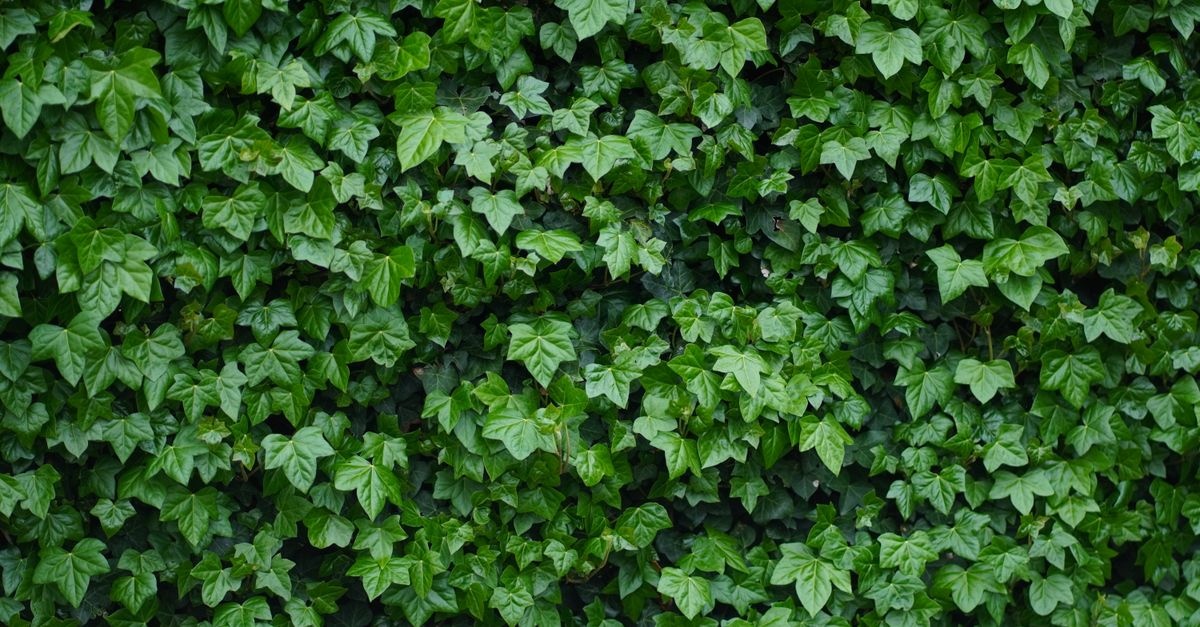
From Bare Brick to Lush: Picking the Perfect Common Ivy for Your Walls
From Bare Brick to Lush: Picking the Perfect Common Ivy for Your Walls
Dreaming of transforming a stark facade into a living tapestry? Few plants rival common ivy, Hedera helix, for cloaking walls with year-round green, softening hard edges, and inviting biodiversity to the doorstep. But success is rarely an accident: the right match between wall, climate, and ivy cultivar determines whether you get a refined, low-maintenance green wall or a tangled headache. In this guide, you will learn how to choose common ivy climbers for walls with confidence, from reading your microclimate to picking cultivars and keeping them handsome for decades.
Quick Start: The Short Answer
Pressed for time? Here is the fast, field-tested checklist on how to choose common ivy climbers for walls and set them up for success:
- Inspect the wall: Only plant ivy against sound brick, stone, or rendered masonry with tight mortar joints. Avoid cracked render, friable mortar, or damp walls until repaired.
- Map light and wind: North and east walls suit shade-tolerant cultivars; south and west need sun-hardy choices and consistent moisture.
- Match vigor to space: Pick slower, small-leaved, or variegated ivies for compact facades; robust green types for large elevations.
- Choose climate fit: In cold zones, select hardy cultivars; in mild coastal areas, pick selections that handle wind and salt spray.
- Source responsibly: In regions where ivy is invasive, consider non-invasive alternatives or commit to strict containment and annual trims.
- Plant right: Loosen soil, add organic matter, water deeply, and help young vines attach with gentle ties until they self-cling.
- Maintain: Trim edges at least twice a year, keep ivy off gutters and woodwork, and prune flowering adult growth to limit berries where spread is a concern.
Why Choose Ivy For Walls?
When chosen and managed wisely, ivy delivers a bundle of benefits that few climbers can match:
- Evergreen cover: Year-round structure and color, valuable in urban and winter-dormant landscapes.
- Design versatility: From crisp, formal panels to romantic drapes, ivy shapes to your aesthetic, wall size, and architectural style.
- Microclimate perks: Living cladding can buffer temperature swings, reduce facade heat gain, and soften noise.
- Biodiversity: Late-season flowers feed pollinators, berries support birds, and dense foliage creates shelter.
- Durability: Self-clinging juvenile growth anchors to sound masonry without hardware.
All that said, the key to a thriving, polite ivy wall is selection and care. That starts with understanding the plant itself.
Know Your Climber: Ivy Biology, Not Just Botany
Common ivy is a woody, evergreen climber native to Europe and parts of Western Asia. Here are traits that matter when you decide how to choose common ivy climbers for walls:
- Self-clinging mechanism: Juvenile stems produce tiny adventitious rootlets that adhere to masonry. Once well established, ivy stays attached through storms if the surface is sound.
- Two life stages: The juvenile phase climbs; the adult phase stops clinging, becomes shrubby, and bears flowers and berries. Managing the transition is central to neat outlines and seed control.
- Varied cultivars: Hedera helix comes in many leaf sizes, shapes, and colors, from deep green to cream-edged variegates. These differences signal not only looks but also vigor and shade tolerance.
- Do not mix up species: Boston ivy and Virginia creeper (Parthenocissus) also cling but behave differently and drop leaves in winter. If you want evergreen cover, pick Hedera selections.
Step One: Assess Your Wall
Before deciding on plants, study the canvas. Choosing the right ivy hinges on knowing what you are asking it to do and where it must perform.
Wall Material and Condition
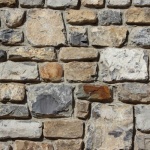
- Sound masonry only: Brick, stone, concrete block, or render is fine if mortar joints are solid. Ivy rootlets exploit texture, not structural gaps. Crumbling joints or peeling render should be repaired first.
- Painted surfaces: Stable mineral paints may hold; old flaking paint will be pulled further by ivy. If repainting is on the horizon, postpone planting or keep ivy below painted areas.
- Wood cladding: Avoid direct clinging to wood; encourage ivy on a separate trellis with an air gap to protect siding.
Orientation, Light, and Heat
- North and east: Cooler, shadier, often wind-sheltered. Select shade-loving, small-leaved cultivars.
- South and west: Hotter, brighter, and drier. Choose tougher, sun-tolerant forms and irrigate during establishment and heatwaves.
- Urban canyons: Reflective heat and wind tunneling can stress plants; pick resilient cultivars and mulch well.
Moisture, Drainage, and Soil Volume
- Soil depth: Ivy roots appreciate depth outside footings. For narrow strips, amend deeply and consider supplemental drip lines.
- Drainage: Avoid waterlogged bases; install French drains or amend soil to prevent root rot.
- Splashback zones: Persistent damp from faulty downpipes invites wall problems. Fix first, then plant.
Access, Boundaries, and Legal Checks
- Maintenance access: Plan ladder reach or install stainless guide wires to train growth within reach of safe pruning.
- Property lines: Keep ivy within your boundary; set a hard edge and prune often to avoid disputes.
- Restrictions: In some regions, Hedera taxa are regulated due to invasiveness; confirm local rules before planting.
Step Two: Decide What Matters Most
To answer how to choose common ivy climbers for walls for your site, sort your priorities:
- Hardiness: Will winters dip below your cultivar's comfort? Choose selections tested in your zone.
- Vigor and ultimate size: For small courtyards, slower or variegated types stay tidier; for big, bare elevations, pick steady, robust greens.
- Light tolerance: Shade-tolerant ivies excel on north walls; sun-tolerant picks suit south and west exposures.
- Leaf look and feel: Fine-textured, small leaves read elegant on small surfaces; large-leaved forms make bolder statements.
- Wildlife value versus seed control: Adult ivy flowers and fruits boost biodiversity; prune after flowering if you need to limit spread.
- Maintenance appetite: If you can commit to two trims per year, most cultivars are fair game; if not, choose inherently compact forms.
Step Three: Match Cultivars To Conditions
Below are widely grown Hedera helix and close relatives with notes to help you pick the right fit. Availability varies regionally; consult local nurseries for equivalents tested in your climate.
For Cold Winters and Northern Climates
- Hedera helix 'Baltica' or 'Thorndale': Tough, reliable greens, good adhesion, steady growth, excellent baseline choices for brick.
- Hedera helix 'Hibernica' (Irish ivy): Larger leaves, rapid cover; select only where not restricted, as it can be too vigorous and invasive in some regions.
- Hedera helix 'Ivalace': Distinctive curled, glossy leaves, moderate vigor, handsome texture on modest walls.
For Shade and North or East Walls
- Hedera helix 'Eva': Small-leaved, dense, elegant; excellent for formal panels.
- Hedera helix 'Green Ripple': Fine texture, good shade tolerance, neat habit.
- Hedera helix 'Glacier': Gray-green with cream margins, brightens dim corners; slightly less vigorous, ideal for controlled growth.
For Sun and Warm Facades
- Hedera helix 'Goldheart': Golden-centered leaves; appreciates morning sun and afternoon shade; protect from scorching winds during establishment.
- Hedera helix 'Sagittifolia': Arrow-shaped leaves, tolerates brighter exposures, striking architectural look.
- Hedera algeriensis 'Gloire de Marengo' (syn. 'Variegata'): Large, variegated leaves for mild, coastal climates; not for severe freezes.
For Small Spaces and Courtyards
- Hedera helix 'Little Diamond': Dainty leaves, compact habit, great for contained green panels.
- Hedera helix 'Needlepoint': Narrow lobes, delicate texture without rampant spread.
- Hedera helix 'Shamrock': Small, rounded leaves, very tidy and restrainable.
For Fast Coverage of Large, Sound Walls
- Hedera helix 'Woerner': Strong grower, deep green, outstanding for robust facades when maintenance is routine.
- Hedera helix 'Pittsburgh': Quick to establish, classic look, good adhesion on textured brick.
Variegated Showpieces for Contrast
- Hedera helix 'Goldchild': Bright gold margins, moderate growth; superb accent against dark masonry.
- Hedera helix 'Silver King': Cool silvered edges, especially effective on warm-toned brick.
If Ivy Is Restricted in Your Area
- Consider alternatives: Star jasmine on wires, evergreen euonymus, or native self-clingers where available.
- If you still choose Hedera: Commit to containment pruning, remove berries after flowering, and never dump clippings in wild areas.
Step Four: Buy Smart and Plant Right
Excellent plant material plus good planting technique is half the battle. Here is how to do it.
Responsible Sourcing
- Local provenance or vetted cultivars: Plants grown regionally adapt faster and reduce pest carryover.
- Healthy stock: Choose well-rooted, pest-free plants with firm, green growth and no sticky residue or webbing.
- Container size: 2 to 3 liter containers strike a balance between establishment speed and cost; very small plugs need extra patience and protection.
Soil Preparation and Planting Steps
- Mark the line: Position plants 30 to 45 cm from the wall to avoid the driest zone under eaves and to give roots room.
- Dig wide, not deep: A hole twice the width of the pot and the same depth; roughen sides for root penetration.
- Amend lightly: Mix in well-rotted compost and a handful of slow-release, balanced fertilizer if soil is poor. Avoid overfertilizing; lush soft growth detaches easily in wind.
- Set the plant level: Keep the crown at finished soil grade; backfill and firm gently to remove air pockets.
- Water in deeply: Soak to settle soil, then mulch 5 to 8 cm to conserve moisture, keeping mulch off stems.
Training Young Plants
- Initial support: Lean bamboo canes or a temporary trellis to guide stems toward the wall until rootlets engage.
- Gentle ties: Use soft ties in a loose figure eight; remove once the plant grips on its own.
- Early shaping: Encourage two to four main leaders to create an even fan; pinch competing side shoots early for symmetry.
Irrigation and Feeding
- Establishment watering: For the first two summers, water thoroughly during dry spells; aim for deep, infrequent soaks.
- Fertilizer: In fertile soils, none is needed. In poor soils, a light spring top-dressing with compost or a low-nitrogen feed is enough.
Container and Planter Options
- When soil access is limited: Use large planters with free-draining mix, and water reliably; containers dry faster against sun-warmed walls.
- Air gap strategy: In front of delicate facades, mount a freestanding trellis 5 to 10 cm from the wall to keep ivy off finishes while still creating a green screen.
Step Five: Keep It Gorgeous With Minimal Fuss
With ivy, the difference between elegant and unruly is a calendar reminder. The good news: small, regular nudges beat big, stressful hacks.
Annual Maintenance Rhythm
- Late spring shape-up: After the first flush, trim wayward shoots and define edges around windows, doors, and utilities.
- Late summer polish: A second light trim keeps outlines crisp and prevents encroachment into gutters or rooflines.
- Adult phase control: If stems begin to flower, you have adult growth. Prune after bloom to limit berries and reset to juvenile climbing wood.
Edge, Roof, and Opening Management
- Keep off roofs and gutters: Install and maintain a clear buffer. Ivy in gutters is messy and can trap moisture.
- Window and fixture clearances: Maintain at least 10 cm gap around openings and lights to prevent blockage and pest harborage.
- Trees nearby: Prevent ivy from ascending trunks unless intentionally used as a groundcover at the base; climbing ivy can overwhelm some trees.
Pruning Technique
- Tools: Sharp hand pruners and long-handled shears; clean blades between plants to prevent disease spread.
- Cuts: Angle cuts just above a leaf node; remove entire stray leaders rather than repeatedly tipping the same stem.
- Safety: Wear gloves and eye protection; ivy sap can irritate skin in sensitive individuals.
Myths, Risks, and Realities
Much of the fear around ivy on buildings stems from mixing good observations with bad walls. Here is the clear picture to help you decide how to choose common ivy climbers for walls without myths.
- Does ivy destroy masonry? On sound, well-pointed brick or stone, ivy does not pry apart joints; rootlets attach to surface textures. On damaged walls, any climber or even frost can worsen deterioration. The solution is simple: repair first, plant second.
- Does ivy trap moisture? Dense foliage shades surfaces and slows drying. On vapor-open, healthy masonry, this is not harmful and can reduce thermal stress. On damp, salt-laden, or poorly detailed walls, address moisture causes before greening.
- Does ivy attract pests? Ivy offers habitat that can shelter beneficials and, occasionally, pests like scale. Good sanitation, pruning, and occasional spot treatments keep balance.
Troubleshooting and Plant Health
Even a well-chosen ivy can have off days. Recognize issues early to protect your green facade.
Physiological Issues
- Winter scorch: Browning leaf edges after freeze-thaw or wind. Remedy with spring cleanup and better watering going into winter.
- Variegation reversion: A sport with solid green leaves may appear more vigorous. Prune reverted shoots at their origin.
- Poor adhesion: Very smooth, sealed, or perpetually dry surfaces can delay attachment. Provide temporary supports and maintain even moisture.
Pests and Diseases
- Scale insects: Sticky honeydew and sooty mold signal sap feeders. Treat with horticultural oil sprays during mild weather, repeating per label.
- Spider mites: Fine webbing and stippled leaves in hot, dry spells; increase humidity with regular deep watering and wash foliage; consider miticide if severe.
- Leaf spots: Bacterial or fungal spots thrive in overcrowded, shaded thickets. Improve air flow with thinning cuts and avoid overhead watering late in the day.
- Root rot: Waterlogged bases lead to collapse; improve drainage and reduce irrigation frequency.
Design Moves: From Formal Panels to Lush Drapes
Once you know how to choose common ivy climbers for walls, get creative with layout:
- Framed panels: Install perimeter wires or low-profile battens to create crisp rectangles of green that respect windows and heritage details.
- Living relief: Combine small-leaved ivy with larger-leaved companions on adjacent planes for depth and texture.
- Pattern play: Alternate variegated and solid cultivars in vertical bands; keep vigor balanced to maintain edges.
- Wildlife corridor: Allow a controlled patch to flower and fruit for pollinators and birds, while keeping main elevations tightly trimmed.
Frequently Asked Questions
What is the single most important factor when deciding how to choose common ivy climbers for walls?
The structural condition of the wall. Start with a sound surface, then match cultivar to light, climate, and your maintenance routine.
Which ivy is best for a shaded north-facing brick wall?
Try small-leaved, shade-tolerant cultivars like 'Eva', 'Green Ripple', or the variegated 'Glacier' for gentle brightness and manageable growth.
Can I mix cultivars on one wall?
Yes, but pick cultivars with similar vigor so one does not swamp the other. Keep edges pruned along the meeting line to preserve the design.
Is Hedera helix invasive?
It can be in some regions, especially mild, moist climates. Check local guidance. If permitted, prune adult flowering stems to limit berries and never discard cuttings in natural areas.
Will ivy void my facade warranty or damage paint?
Some warranties exclude climbing plants. Painted or sealed finishes can be compromised if already loose. If in doubt, choose a freestanding trellis with an air gap or limit ivy to masonry zones.
How far from the wall should I plant?
About 30 to 45 cm gives roots better moisture and aeration while still enabling easy training to the wall.
Putting It All Together: A Simple Decision Path
Use this compact pathway when thinking through how to choose common ivy climbers for walls:
- Confirm structural health: No crumbling mortar, no chronic damp. Repair first if needed.
- Measure light and heat: Note sun hours and wind exposure to narrow cultivar lists.
- Decide coverage scale: Small facade or large elevation? Match vigor accordingly.
- Pick look and feel: Fine or bold texture, solid or variegated foliage.
- Check climate and regulation: Filter for winter lows, summer highs, and any local restrictions.
- Source healthy plants: Choose disease-free stock with strong roots.
- Plant and train: Prepare soil, water deeply, and guide leaders until self-clinging kicks in.
- Maintain margins: Trim twice yearly, keep off roofs and out of gutters, and manage adult flowering growth.
Case Examples
Shady Urban Courtyard, North Wall
Constraints: Low light, reflected chill, brick in good repair, owner wants minimal upkeep. Solution: Two rows of 'Eva' spaced 1.2 m apart, planted 40 cm off wall, with drip irrigation for first two summers. Outcome: Even, fine-textured panel with two trims per year to keep lines crisp.
Sunny West-Facing Garage, Hot Summers
Constraints: High afternoon heat, masonry stays dry, wind fetch. Solution: 'Sagittifolia' or 'Goldheart' with morning sun; add 5 to 8 cm organic mulch and a simple drip line. Provide temporary canes. Outcome: Rapid, resilient cover with bold leaves; minor scorch mitigated by consistent deep watering.
Large Historic Brick Wall, Mixed Light
Constraints: Heritage facade needs reversible, controlled greening. Solution: Stainless wire grid 5 cm off wall; 'Woerner' for main fields, 'Glacier' as framed accents. Strict edge trimming and biannual inspections. Outcome: High-impact green architecture without compromising brickwork.
Sustainability and Stewardship
- Water wisely: After establishment, ivy is drought tolerant in many climates. Focus water during the first two growing seasons.
- Support wildlife thoughtfully: Allow selective flowering to feed pollinators, prune before berries ripen if spread is a concern.
- Respect neighbors and nature: Keep growth within bounds and dispose of prunings in green waste streams, never in wildlands.
Conclusion: The Right Ivy, The Right Wall, The Right Way
Selecting ivy for a wall is as much design as it is horticulture. Diagnose your wall and microclimate, then choose a cultivar whose vigor, leaf character, and climate tolerance match the task. Plant with care, guide the first season, and calendar two trims a year. That is the reliable recipe for turning bare brick into a lush, living facade. Once you learn how to choose common ivy climbers for walls, you will find the process not only straightforward but deeply satisfying, with rewards that grow richer every season.
Your Final Pre-Plant Checklist
- Wall repaired and dry
- Sun and wind mapped
- Cultivar chosen for vigor, look, and climate
- Quality plants sourced
- Soil prepped and irrigation planned
- Temporary guides ready
- Biannual pruning reminders set
Follow this and your wall will wear green beautifully, season after season.