From Drab to Dazzling: Revamp Your Window Frames with an Acrylic Paint Makeover
Fresh, crisp window frames can transform a room faster than almost any other DIY project. With the right products and smart prep, an acrylic paint makeover delivers a durable finish that resists scuffs, sunlight, and seasonal movement—without the fumes or complicated cleanup of older oil-based systems. In this in-depth guide, you will learn a proven, step-by-step method to upgrade wood, metal, or uPVC trims, plus the pro tricks that prevent sticking sashes, brush marks, or peeling down the line.
Whether you are updating a single sash or every window in the house, the process is straightforward: clean, repair, sand, prime, caulk, paint, and cure. Along the way, we will cover safety essentials, substrate-specific primers, the best finishes for trim, and how to avoid common mistakes when painting window frames. Consider this your complete, practical roadmap.
Why Choose Acrylic for Window Frames
Today’s waterborne acrylics are a powerhouse for trim and frames, offering performance that rivals or surpasses traditional alkyds while being easier on your nose and the planet. Here is why they excel:
- Flexibility and adhesion: Acrylic resins move with wood and other substrates, reducing cracking or flaking through seasonal expansion and contraction.
- Durability and UV resistance: Quality exterior-grade acrylics resist fading and chalking, keeping edges sharp and colors rich.
- Fast drying and low odor: Recoat in hours, not days, with minimal disruption indoors, especially important in busy households.
- Low-VOC options: Eco-friendlier formulas mean less impact on indoor air quality when tackling interior trim.
- Easy cleanup: Soap and water simplify the process from start to finish.
If you remember tacky, slow-drying paints that sealed sashes shut, that era is over. Modern acrylic enamels level beautifully and cure hard enough for high-traffic trim, making them ideal for this DIY window frame makeover.
Project at a Glance
- Skill level: Beginner to intermediate
- Estimated time: 1 to 2 days for prep and two coats; add time for repairs or many windows
- Drying window: 1 to 4 hours between coats, depending on product and conditions
- Full cure: 7 to 30 days (light use sooner; avoid heavy contact until cured)
- Cost per average window: Low to moderate, depending on primer and paint quality
Quick sequence: Safety check and lead-safe prep, remove or mask hardware and glass, clean and degloss, sand, vacuum and tack, prime (substrate-specific), caulk seams, apply two topcoats of acrylic, de-tape, and allow proper curing.
Tools and Materials You Will Need
Core Tools
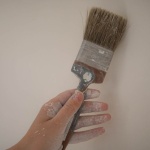
- Angled sash brush (1.5 to 2 inches) for clean edges
- Mini foam or microfiber roller (4 to 6 inches) with tray
- Painter’s tape (high-quality, appropriate tack)
- Drop cloths or rosin paper
- Utility knife and razor scraper for glass cleanup
- Putty knife, 5-in-1 tool, and carbide scraper
- Random-orbit sander and sanding block
- Shop vacuum with brush attachment; tack cloth
Abrasives
- 80 to 120 grit for heavy removal
- 150 to 180 grit for smoothing primer or existing finishes
- 220 grit for between coats and final touch-ups
Cleaners, Fillers, and Caulks
- Mild detergent or TSP substitute for degreasing
- Mildew remover (oxygen-based or dedicated product)
- Wood filler or epoxy consolidant/repair for rot
- Glazing putty for repairing glazing lines if needed
- Paintable acrylic latex caulk (avoid pure silicone where paint must adhere)
Primers
- Bonding primer (waterborne) for glossy or previously painted trim
- Stain-blocking primer (shellac or oil-based) for tannin bleed, knots, or heavy stains on wood
- Rust-inhibitive primer for steel; etching or bonding primer for aluminum
- Adhesion promoter or specialty primer for uPVC/vinyl
Paint
- High-quality acrylic enamel formulated for trim and doors
- Finish: satin, semi-gloss, or gloss (semi-gloss is a popular sweet spot for window trim)
- Interior or exterior grade to match application (use exterior products for external faces)
- Optional: paint conditioner designed for acrylics to improve flow and leveling
Safety Gear
- Nitrile gloves
- Safety glasses
- Respirator with P100 filters if sanding older paint or generating dust
- HEPA vacuum if working lead-safe
Preparation: Where Great Results Begin
Preparation is the difference between a finish that lasts and one that fails. This section covers safety, stabilization, cleaning, repairs, sanding, masking, and priming—everything that sets you up for a pro result.
Safety First: Lead Paint and Dust Control
- Homes built before 1978 may contain lead-based paint. Use lead test swabs as a first check.
- If lead is present or suspected, follow local regulations and lead-safe practices: contain dust, use a HEPA vacuum, wet-sand instead of dry, and avoid open-flame removal.
- Protect floors and furnishings with drop cloths; seal doorways with plastic to control dust migration.
Remove or Mask Hardware and Sashes
- Take off locks, handles, and removable hinges; store screws in labeled bags.
- For double-hung or casement windows, you may remove sashes for easier painting. If not, open and close slightly during drying to prevent sticking.
- Mask glass edges with painter’s tape or plan to scrape paint off glass after drying.
Clean and Degrease
- Wash frames with a degreaser or mild detergent to remove skin oils, dust, and residues. Rinse with clean water and let dry completely.
- Treat mildew with an appropriate cleaner; rinse thoroughly and allow to dry.
- On glossy surfaces, use a liquid deglosser if needed to ensure primer adhesion.
Repair, Fill, and Stabilize
- Excavate soft, rotten wood; apply wood consolidant and rebuild profiles with epoxy where necessary.
- Fill nail holes and dents with high-quality wood filler; allow to cure and sand flush.
- Repack failing glazing with glazing putty, then prime before painting.
Sand for Mechanical Tooth
- Scuff-sand existing finishes with 150 to 180 grit for adhesion; feather edges of chips and flakes.
- Vacuum dust thoroughly; wipe with a tack cloth. Dust is the enemy of a smooth enamel finish.
Mask and Protect
- Tape glass edges, adjacent walls, and weatherstripping as needed.
- Press tape edges firmly for crisp lines; remove tape shortly after final coat sets to avoid chipping.
Prime with the Right Product
- Previously painted wood: A bonding acrylic primer is usually sufficient after scuff-sanding.
- Raw or stained wood: Use a stain-blocking primer (shellac or oil-based) to prevent tannin bleed and improve enamel holdout.
- Metal frames: Clean to bright metal where rusted, then use a rust-inhibitive or etching primer appropriate for steel or aluminum.
- uPVC/vinyl: Clean thoroughly, then apply a specialty adhesion primer or promoter designed for plastics.
Step-by-Step: How to repaint window frames with acrylic paint
The following method works for most interior and exterior frames. Adjust products and drying times according to your climate and the manufacturer’s data sheet.
- Plan and stage your workspace. Work on a mild, dry day between roughly 10 C and 27 C with moderate humidity. Good ventilation speeds drying. Set up drop cloths and keep pets and kids away from wet surfaces.
- Final dust-off and tape check. Just before priming or painting, vacuum and tack again. Confirm tape lines are sealed with a firm press for razor-sharp edges.
- Prime surfaces. Apply a thin, even coat with a sash brush on profiles and a mini roller on larger flats. Back-brush to work primer into corners and grain. Allow to dry fully. Lightly sand with 220 grit and remove dust if the primer feels rough.
- Caulk the gaps. Run a bead of paintable acrylic latex caulk where trim meets walls or glass stops. Tool smooth with a damp finger or caulk tool. Let it skin over before painting. Avoid pure silicone where paint must adhere—it causes fisheyes.
- Cut in tight edges first. With your angled brush, paint along inside returns, muntins, and intricate profiles. Keep a wet edge and avoid overbrushing.
- Roll or brush the flats. Use a mini roller for broader areas, then lightly back-brush for leveling. Work from top down to catch minor sags before they set.
- Sequence the parts:
- Sashes (muntins first, then rails and stiles)
- Inside stops and parting beads
- Exterior casings or interior casings, then apron and stool
- Watch for defects as you go. Tip off sags, capture holidays (missed spots), and feather lap marks. If brush marks persist, add a small amount of acrylic paint conditioner.
- Allow proper dry time. Follow the label. Recoat windows only once the first coat is dry to the touch and resists light finger drag. Cold or humid conditions may double the wait.
- Lightly sand between coats. A quick scuff with 220 grit knocks down nibs and yields a glassier final finish. Vacuum and tack before the next coat.
- Apply the second coat. Repeat your cut-and-roll sequence, keeping coats thin and even. Most acrylic enamels cover in two coats; a third may be needed for drastic color changes.
- De-tape and clean edges. Remove painter’s tape slowly while the paint is just set, pulling back at a 45-degree angle. After full dry, use a razor scraper to clean any paint on the glass.
- Operate sashes as they dry. To prevent sticking, gently open and close the window a few times as the paint sets. Place waxed paper or a light coat of paste wax on contact points if necessary.
- Let it cure. Avoid heavy contact for at least a week. Full hardness develops over 1 to 4 weeks, depending on product and climate.
Choosing the Best Finish and Color
- Finish: Semi-gloss is the go-to for trim: it is wipeable, highlights crisp lines, and resists scuffs. Satin offers a softer look with good cleanability; gloss adds drama but shows more imperfections.
- Color: Classic white brightens interiors and pairs with most wall colors. Off-whites and warm neutrals soften modern palettes. Bold contrasts—charcoal, black, or a deep navy—sharpen contemporary spaces.
- Exterior considerations: Lighter colors reflect heat and reduce warping on vinyl. Use exterior-rated acrylics with UV inhibitors.
Special Cases by Substrate
Wood Frames
Wood rewards meticulous prep. Seal knots and tannin-heavy species (cedar, redwood, mahogany) with a shellac primer to block bleed-through. Address any moisture issues before painting—trapped moisture causes blistering. For ornate profiles, a high-quality angled brush provides better control than a roller.
Metal Frames (Aluminum or Steel)
- Remove corrosion to sound metal, then wipe with a solvent appropriate for the primer system.
- Use an etching or bonding primer for aluminum; a rust-inhibitive primer for steel.
- Apply thin coats to avoid curtains on slick metal. Acrylic topcoats bond well over compatible metal primers.
uPVC or Vinyl Frames
- Clean thoroughly to remove chalking, sunscreen residues, and atmospheric grime—use a plastic-safe cleaner.
- Scuff-sand lightly for tooth; avoid aggressive sanding that polishes the surface.
- Use a plastic adhesion promoter or uPVC-rated bonding primer.
- Choose lighter colors outdoors to reduce thermal stress; check for any manufacturer restrictions.
Drying, Curing, and Preventing Sticking
- Drying vs. curing: Dry to touch may occur in 1 to 2 hours; full cure takes weeks. Treat fresh paint gently.
- Climate control: Ideal ranges are moderate temperature and humidity. Use fans or dehumidifiers indoors as needed—avoid direct blasts on wet paint.
- Blocking prevention: Lightly wax weatherstrips and contact points. Operate sashes periodically for the first week.
Pro Techniques for a Flawless Finish
- Two-brush method: One brush for cutting in, one slightly damp for tipping off and leveling.
- Load, lay, and leave: Load the brush adequately, lay off in long strokes following the grain, then leave it—overbrushing creates ridges.
- Keep a wet edge: Work in sections you can finish in a few minutes to avoid lap marks.
- Conditioner control: A small amount of acrylic conditioner can extend open time for better leveling in warm, dry conditions.
Troubleshooting and Quick Fixes
- Brush marks: Use higher-quality enamel brushes, thin coats, and consider a conditioner. Lightly sand between coats.
- Sags or curtains: You are applying too much paint or working in cool, humid air. Tip off immediately and go thinner next pass.
- Fisheyes: Usually silicone contamination. Clean with a solvent-compatible cleaner, then spot-prime with a strong bonding primer.
- Tannin bleed: Spot-prime affected areas with shellac primer and recoat.
- Peeling or poor adhesion: Inadequate deglossing or incompatible substrate. Sand to a sound edge, use the correct primer, and repaint.
- Window sticking: Allow more dry time, operate sashes during set, and wax contact points lightly.
Maintenance and Care
- Clean with mild soap and a soft cloth. Avoid harsh abrasives for the first month.
- Inspect annually for hairline cracks, caulk failure, or water intrusion—touch up promptly.
- Keep weep holes clear on exterior frames and renew caulk beads where they separate.
Frequently Asked Questions
What is the best paint finish for window trim?
Semi-gloss strikes the right balance of durability, washability, and sheen. Satin is more forgiving on older wood; gloss is dramatic but shows flaws.
Can you paint uPVC window frames with acrylic?
Yes—after thorough cleaning, light scuffing, and a plastic adhesion primer. Choose lighter exterior colors to reduce heat absorption.
Do I need to prime if the frames were previously painted?
If the old paint is sound and deglossed, a bonding primer is still recommended for maximum adhesion and uniform sheen.
How long does acrylic take to cure on wood?
It is typically dry to the touch in 1 to 2 hours and recoatable in 2 to 4 hours. Full cure ranges from 7 to 30 days depending on product and conditions.
Can I paint in humid or cold weather?
Follow label ranges. High humidity and low temperatures slow dry times and can lead to sagging and dullness. Aim for mild, dry days.
What if paint gets on the glass?
After the paint fully dries, use a sharp razor scraper at a shallow angle to clean the glass. A light mist of glass cleaner can help.
Time and Cost Planner
- Per window (average interior frame): 1 to 2 hours of active time across 1 to 2 days
- Materials: Primer and paint are the main costs; expect modest expenses for tape, caulk, filler, and sanding supplies
- Value: Fresh trim boosts perceived cleanliness and resale value at a fraction of replacement cost
Common Mistakes When Painting Window Frames
- Skipping thorough cleaning or sanding—leads to premature peeling
- Using silicone caulk where you plan to paint—causes fisheyes
- Heavy coats in cool or humid conditions—invites sags and longer cures
- Painting without priming stained or resinous woods—results in bleed-through
- Leaving tape on for days—risks chipping on removal
Essential Checklist: DIY Window Frame Makeover
- Test for lead and work lead-safe if needed
- Remove or mask hardware and glass
- Clean, degloss, and repair damage
- Sand, vacuum, and tack
- Prime for your substrate
- Caulk gaps and joints
- Apply two thin coats of acrylic enamel
- De-tape cleanly and operate sashes as paint sets
- Allow to cure; perform gentle cleaning for the first month
A Note on Sustainability and Indoor Air Quality
- Select low-VOC acrylics and waterborne primers where possible.
- Use durable finishes to extend repaint cycles and reduce waste.
- Dispose of sanding dust and paint waste responsibly per local rules.
Putting It All Together
A crisp, durable trim finish is mostly about preparation and product choice. By cleaning thoroughly, selecting the right primer for your substrate, and applying two thin, well-leveled coats of quality acrylic enamel, you turn tired frames into architectural highlights. This step-by-step guide to painting windows—covering sanding, priming, caulking, and finishing—gives you everything required to execute confidently and avoid pitfalls.
If you are mapping out how to repaint window frames with acrylic paint across an entire home, start with a single window to refine your process and timings. Once you have your rhythm, the rest of the project becomes repeatable and satisfying—leaving you with frames that look sharp, resist wear, and elevate every view.