Entryway Alchemy: Choose Space-Savvy, Do-It-All Furniture That Works Hard
Welcome to Entryway Alchemy—where a few smart, space-savvy, do-it-all pieces transform the most overlooked square footage in your home into a streamlined, good-looking command center. If you have ever wondered how to choose multifunctional furniture for hallways that’s compact, hard-working, and stylish enough to greet you at the door, this in-depth guide breaks everything down—from measuring and layout to materials, storage features, and style cohesion.
Why Space-Savvy, Do-It-All Entryway Furniture Matters
The hallway or foyer sets the tone of your home, yet it often gets the least square footage and the most work. Whether your space is a narrow corridor, a tiny vestibule, or an open-plan foyer, you need solutions that do more than one job. Multifunctional entryway furniture unlocks vertical height, shallow footprints, hidden storage, and quick-access zones—keeping daily life tidy and fast.
- Maximize every inch: Shallow consoles, wall-mounted shelves, and slender benches leave room for traffic flow without skimping on storage.
- Speed up routines: A drop zone for keys, mail, and devices plus a bench for putting on shoes trims minutes off morning and evening transitions.
- Cut visual clutter: Closed compartments, baskets, and labeled cubbies corral the chaos while preserving calm.
- Future-proof flexibility: Modular pieces adapt as seasons, roommates, and needs change.
- Great for small spaces and rentals: Narrow, wall-mounted, or freestanding options deliver function without remodeling.
Start Here: Measure, Map, and Prioritize
Before you shop, measure realistically and design around daily life. The right decision up front prevents buyer’s remorse, blocked doors, and bruised shins.
Measure methodically
- Wall length: Total usable length between trim, radiators, or returns.
- Depth available: In narrow hallways, aim for furniture no deeper than 10–14 inches to maintain comfortable passage.
- Walkway clearance: Keep at least 32–36 inches of clear path in busy zones.
- Door swings: Map arcs for entry, closet, and bedroom doors to avoid collisions.
- Outlets and switches: Note placements for a discreet charging station or lamp.
- Ceiling height: High ceilings welcome tall cabinets or stacked storage.
Prioritize by daily habits
- What piles up first? Shoes, coats, backpacks, mail, dog leashes—each needs a home.
- Who uses the space? Kids, guests, pets, and delivery drop-offs shape storage zones.
- Time-sensitive routines: Speedy grab-and-go beats deep storage at the door.
- Cleaning style: Closed doors hide chaos; open shelves promote daily resets.
Core Categories of Multifunctional Entryway Furniture
Build your hallway around two or three high-impact pieces that layer seating, storage, and surface space—then add vertical organization.
1) Bench with Built-In Storage
A bench anchors your entryway, turning a pass-through into a purposeful zone. Seek versions that deliver seating plus concealed space.
- Lift-top bench: Hides seasonal gear, totes, or sports equipment. Add soft-close hinges.
- Drawer bench: Smooth access to gloves, hats, and pet supplies without lifting the seat.
- Cubby bench with baskets: Ideal for shoe storage and kid-friendly labeling.
- Upholstered top: Comfortable for daily use; choose performance fabric or leatherette.
Pro tip: For tight halls, look for benches under 14 inches deep and at a seat height of 17–19 inches. A wall-mounted, floating bench keeps the floor visible, which makes small hallways feel larger and simplifies cleaning.
2) Slim Console: Surface + Hidden Drop Zone
A narrow console or wall shelf solves the everyday catchall: keys, wallets, sunglasses, and mail. To multiply its function:
- Drawers or flip-down fronts: Hide clutter instantly.
- Built-in charging: Integrated USB-C/USB-A ports with cord management tame cables.
- Under-shelf baskets: Slide in lidded boxes for spare masks, lint rollers, or wipes.
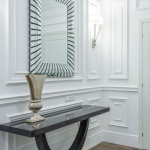
- Mirror above: Combine with a mirror for last-look checks and extra light bounce.
Space-saving options: A floating console or wall-mounted shelf at 8–10 inches deep keeps movement easy in narrow corridors.
3) Hall Tree or Wall System
Hall trees pack a coat rack, hooks, a bench, and overhead shelving into one unit—perfect for transforming a blank wall into a mini-mudroom. If floor space is tight, install a wall system instead.
- Mix hooks and pegs: Hooks for coats and bags; pegs for hats and scarves.
- Overhead compartments: Stow off-season items in labeled bins.
- Integrated bench: Add shoe drawers or tilt-out racks beneath.
- Magnetic board or cork: Pin invites, tickets, and reminders for a family command center.
Safety note: Always anchor tall furniture to studs. Use weight-rated hardware for hooks and shelves.
4) Modular Cubes and Lockers
For families or housemates, modular units divide the space fairly and scale as life changes.
- Cubes (12–15 inches): Assign one per person for shoes, lunch boxes, or gym kits.
- Locker-style cabinets: Closed doors hide visual noise; add hidden storage for valuables.
- Stackable design: Go vertical to save floor area and adapt to different ceiling heights.
5) Mirrored Cabinets and Racks
A full-length mirror with a shallow cabinet or rail behind it doubles as style check and storage. It’s especially effective in small hallway ideas where every inch must multitask.
- Slim shoe cabinets: Tilt-out mechanisms work in halls as narrow as 10–12 inches deep.
- Mirror-front doors: Bounce light; make narrow hallways feel wider.
- Inside hooks: Tuck away umbrellas, dog leashes, and reusable totes.
6) Mobile Carts and Trolleys
Rolling pieces offer event-based flexibility: stage them by the door on busy days, then tuck away.
- Charging cart: A dedicated spot for devices reduces countertop clutter.
- Seasonal cart: Rotate hats and gloves in winter; sunscreen and caps in summer.
- Pet cart: Leash, treats, waste bags, and grooming tools on one movable station.
Smart Features That Multiply Function
Small upgrades compound daily convenience. Combine two or three of these and your hallway will feel custom-built.
- Concealed charging: Clamp-on grommets, cable ports, or drawer outlets create a sleek charging station.
- Fold-out surfaces: A drop-leaf shelf becomes a mail sorter or temporary laptop perch.
- Adjustable shelves: Refit cubbies seasonally for boots, baskets, or sports gear.
- Label-ready fronts: Clip-on metal frames or chalk labels speed up resets.
- Soft-close hardware: Reduces noise and increases furniture longevity.
- Lighting: LED strips under shelves or motion-sensor sconces improve safety and mood.
- Ventilated shoe storage: Slatted doors or perforations prevent odors.
- Umbrella tray: Integrated drip tray saves floors on rainy days.
- Pet zone: Pull-out drawer for bowls or a cubby for carriers simplifies routines.
Materials, Finishes, and Durability
Entryways are high-traffic. Choose finishes that shrug off scuffs, moisture, and everyday bumps.
- Solid wood or plywood: Sturdier than particleboard; refinishable; look for FSC-certified options.
- Powder-coated steel: Durable for hooks, frames, and shoe racks.
- High-pressure laminate (HPL): Resists scratches and cleans easily.
- Performance fabrics: Stain-resistant upholstery for benches; removable, washable covers are a bonus.
- Rattan and wicker accents: Add warmth; keep them away from direct splashes or use lined baskets.
- Moisture-smart choices: In wet climates, prefer sealed finishes, boot trays, and easy-mop clearances.
Hardware matters: Look for full-extension drawer slides, metal brackets for wall systems, and quality hooks rated for 10–20 pounds each.
Style Cohesion Without Sacrificing Function
Your entry is a handshake with the rest of your home. Align function with a consistent palette and texture mix so the space feels intentional rather than improvised.
- Scandi-modern: Light woods, matte black hooks, and slim white consoles with breathable baskets.
- Industrial: Blackened steel hall trees, wire mesh baskets, and reclaimed wood benches.
- Contemporary: Lacquered cabinets, integrated LED lighting, and mirror-front storage.
- Farmhouse: Shaker peg rails, beadboard backers, and warm oak tones.
Tie pieces together with a runner rug that echoes your colors, a mirror to enlarge the feel, and consistent hardware finishes (e.g., brushed brass or matte black) for a cohesive look.
Layout Recipes for Different Hallway Types
Narrow Galley Hall (36–42 inches wide)
- Depth target: Keep furniture 8–12 inches deep max.
- Combo: Floating shelf with drawers + low-profile shoe cabinet + vertical hook rail.
- Mirror trick: A tall mirror opposite the console brightens and visually widens.
Tiny Square Vestibule
- Corner bench: A triangular seat with hidden storage opens the center.
- Overhead shelf + hooks: Use wall height; keep the floor clear.
- Round rug: Softens edges and implies more space.
Open-Concept Foyer
- Anchor with a console table: Include drawers and a concealed charging drawer.
- Visual boundary: Use a runner and art to define the zone.
- Closed storage: A tall cabinet keeps the larger space serene.
Rental Apartment Entryway
- No-drill solutions: Over-the-door hooks, tension-rod shelves, leaning ladders.
- Freestanding slim shoe rack: 6–10 inches deep to preserve clearance.
- Removable adhesive lighting: Motion LEDs under shelves for safety.
Family Mudroom-Hall Hybrid
- Hall tree with bench: Combine hooks, cubbies, and drawers.
- Label per person: Baskets, clips, and color coding reduce guesswork.
- Durable finishes: Scrubbable paint, sealed floors, and boot trays are musts.
Pet-Forward Foyer
- Pull-out bowl drawer: Tuck into a bench base to avoid trip hazards.
- Leash station: Small hooks beside the door; treat jar inside a drawer.
- Wipe zone: Basket with towels and a waterproof mat near the threshold.
Budget, Value, and Sustainability
Great entryways come at every price point. Invest where durability matters and get scrappy where you can.
- Spend more on: Benches, tall cabinets, and hard-wearing surfaces.
- Save on: Baskets, rugs, and decorative mirrors you can swap seasonally.
- Vintage and secondhand: Refinish a console, add baskets, and install new hooks for an instant upgrade.
- Eco picks: FSC-certified wood, Greenguard Gold finishes, recycled metal; choose modular pieces you can repair.
- Flat-pack hacks: Add custom knobs, toe-kick lighting, or a wood top to elevate budget cabinets.
The Ultimate Shopping Checklist
Use this list as you compare options online or in-store, focusing on space, capacity, and features that fit your life.
- Depth and width: Does it preserve a 32–36 inch clear path?
- Door clearance: Will it clash with door swings or vents?
- Storage mix: A balance of open (quick drop) and closed (visual calm)?
- Weight ratings: Hooks and shelves appropriately rated for backpacks and coats?
- Adjustability: Shelves, pegs, and dividers that evolve with seasons?
- Durability: Solid hardware, wipeable finishes, scuff resistance?
- Cord management: Grommets, clips, or charging drawers built in?
- Anchoring: Anti-tip hardware and easy access to studs?
- Maintenance: Removable covers, washable baskets, easy-to-mop clearances?
- Style fit: Colors, metals, and textures that echo your home’s palette?
Common Mistakes to Avoid
- Overfilling the space: Too many pieces shrink walkways; choose fewer, harder-working items.
- Ignoring vertical space: Leave headroom for shelves, peg rails, and overhead bins.
- Choosing open storage only: Mix in closed units to hide visual clutter.
- Skipping seat height: Benches that are too low or high won’t get used.
- No lighting plan: A dim entry feels cramped; add sconces or LED strips.
- Forgetting door arcs: Measure swings before buying tall or deep units.
Maintenance and Seasonal Swaps
Keep systems friction-free to ensure your entry keeps working as hard as you do.
- Monthly reset: Empty the drop zone, recycle old mail, and re-label bins.
- Seasonal rotation: Swap gloves for sun hats; store off-season gear up high.
- Hardware check: Tighten hooks, knobs, and anchors; re-level shelves.
- Textile care: Wash bench covers and rug runners; spot-clean baskets.
Mini Makeovers: Before-and-After Scenarios
1) The Pile-Up Porch
Before: Shoes scattered, sagging coat rack, no place to sit.
After: A 12-inch-deep bench with drawers, wall-mounted peg rail at two heights, and a floating shelf with hidden charging. Result: five minutes saved every morning.
2) The Busy Family Chute
Before: Backpacks and sports gear spill into the hall.
After: Hall tree with labeled cubbies, magnet board for schedules, and a boot tray under the bench. Result: each kid owns their zone, and floors stay clean.
3) The Stylish Studio
Before: A blank wall swallows keys and mail; no closet.
After: Slim console with flip-down fronts, mirror-front shoe cabinet, and a framed art ledge. Result: sleek, clutter-free apartment entryway that still feels airy.
FAQs About Multifunctional Entryway Furniture
What depth is ideal for a narrow hallway?
Stick to 8–12 inches for consoles and 10–14 inches for benches or shoe cabinets, preserving at least 32 inches of walk space.
How do I add storage without drilling?
Use over-the-door racks, leaning ladders, tension shelves, freestanding slim cabinets, and adhesive-backed hooks or motion LEDs.
How do I stop shoe clutter?
Assign a limit per person, use tilt-out or ventilated cabinets, and place a lined basket or boot tray at the threshold for wet footwear.
Can I combine a mirror and storage?
Yes—mirror-front cabinets or mirrored hall trees deliver light, a style check, and hidden compartments in one unit.
What about pets?
Dedicate a pet cubby or pull-out drawer for bowls, add a leash station, and stash towels and wipes near the door.
How to Choose Multifunctional Furniture for Hallways: A Step-by-Step Framework
Here’s a repeatable, practical method that removes guesswork and helps you land on the best mix the first time.
- Audit your entry: List daily items and pain points. Rank what needs quick access (keys, coats) versus deep storage (seasonal gear).
- Measure constraints: Record wall length, maximum depth, clear path, door arcs, and outlet locations.
- Pick your anchors: Choose two of three: a bench with storage, a slim console, a hall tree or wall system. These deliver seating, surface, and hanging power.
- Layer verticals: Add peg rails, overhead shelves, and a mirror cabinet to multiply capacity without eating floor space.
- Upgrade with smarts: Integrate charging, adjustable shelves, lighting, and label-friendly bins for daily efficiency.
- Style and safety check: Confirm finishes match your home, anchor tall pieces, and verify hardware weight ratings.
Follow these steps and you’ll know exactly how to choose multifunctional furniture for hallways that balances form, function, and longevity.
Design Details That Make a Big Difference
- Double-height hook rails: One rail for adults, one for kids, or a high rail for guests and a low rail for everyday bags.
- Runner length: A long runner visually stretches a narrow hallway; pick washable, low-pile options.
- Color strategy: Lighter pieces recede in tight spaces; a darker bench base hides scuffs.
- Acoustic softening: Upholstered benches and rugs reduce echo in hard-surfaced halls.
Quick Selection Guide by Household Type
Solo or Couple
- Slim console with hidden charging
- Shallow shoe cabinet with mirror front
- Minimal peg rail for coats and bags
Family with Kids
- Hall tree with labeled cubbies and deep drawers
- Bench seat in performance fabric
- Cork or magnetic board for schedules
Pet Owners
- Bench with pull-out bowl drawer and leash hooks
- Ventilated shoe storage
- Waterproof mat and towel basket
Frequent Hosts
- Console with extra hooks and a folding stool tucked beneath
- Closed cabinet for guest slippers and umbrellas
- Catchall tray and a scented diffuser
From Idea to Install: Your Action Plan
- Week 1: Measure, prioritize, and sketch your layout.
- Week 2: Source two anchor pieces and matching baskets or bins.
- Week 3: Add vertical systems (hooks, shelves) and lighting.
- Week 4: Style with a runner, mirror, and command-center board. Live with it a week; adjust labels and shelf heights.
By now, you have a blueprint for a hallway that does more with less—and keeps doing it day after day. You’ve learned practical measurements, prioritized real-life needs, and seen how a handful of compact, modular, and smart features turn a chaotic pass-through into a serene, high-function threshold.
Conclusion: Turn Your Threshold Into a Daily Win
When you approach your foyer as a hardworking ecosystem—seating, storage, surface, and light—each element compounds the others. Choose a few modular, slim-profile pieces, anchor them with solid hardware, and upgrade with small smart features like charging, labels, and lighting. With this approach, you’ll always know how to choose multifunctional furniture for hallways that looks refined, fits your exact dimensions, and makes every exit and entry smoother. That’s entryway alchemy: furniture that works as hard as you do—quietly, beautifully, and every single day.
Bookmark the Ultimate Shopping Checklist above for quick in-store decisions, and start with your two anchor pieces this weekend. Your future self—calm, unhurried, and out the door on time—will thank you.