Stone by Stone: Build Stunning Raised Garden Beds with Fieldstones
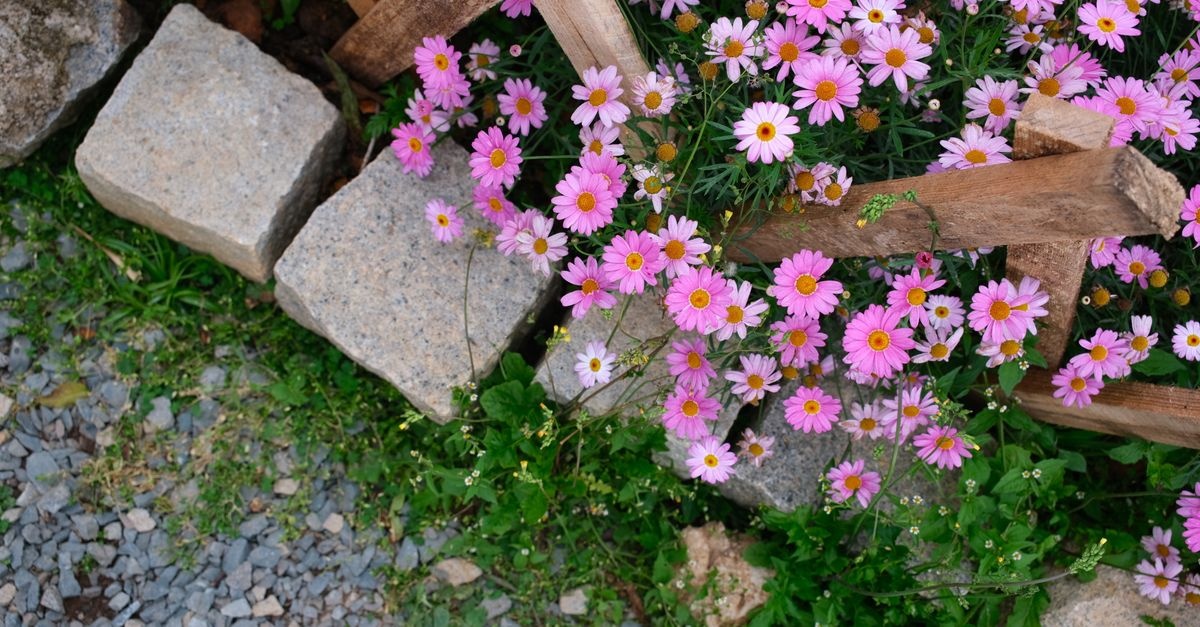
Stone by Stone: Build Stunning Raised Garden Beds with Fieldstones turns a pile of rock into a living sculpture. With the warmth of natural stone, the resilience of a small retaining wall, and the comfort of an ergonomic planting height, a fieldstone raised bed becomes the cornerstone of any landscape. Below, you will learn design principles, practical construction steps, material estimates, and pro tips so you can craft a bed that thrives through seasons and ages with grace.
Why Fieldstones Make Exceptional Raised Beds
Fieldstones bring timeless character and technical advantages that manufactured blocks cannot match. Their irregular faces and earthy hues frame crops like a stone cottage frames a fire. Yet beyond looks, they deliver performance that veteran gardeners prize.
- Durability and strength: Properly stacked fieldstone walls behave like low retaining walls, resisting pressure from soil while flexing subtly with freeze and thaw cycles.
- Thermal mass: Stone absorbs daytime heat and releases it slowly overnight, buffering temperature swings and extending the shoulder seasons for heat-loving crops.
- Excellent drainage: Dry-stacked joints and a gravel footing shed water away from roots while preventing waterlogging.
- Local, low-waste material: Fieldstones are often available on site, from nearby farms, or from reclamation yards, reducing transport emissions and cost.
- Habitat and beauty: Nooks between stones shelter beneficial insects and lizards, while mosses and thyme can trail over edges for a living tapestry.
Whether you are making your first bed or upgrading a timber frame that has seen better days, stone is a one-and-done investment that pairs ruggedness with elegance.
Plan First: Site, Size, Style, and Materials
Choose the Right Site
Pick a location that makes gardening joyful and maintenance easy.
- Sun: Aim for 6 to 8 hours of direct sun. If shade varies seasonally, orient the long side east to west to expose the maximum face to light.
- Drainage: Avoid depressions where water collects. Slight slopes are fine and can be terraced with stone beds.
- Access: Ensure wheelbarrow paths are clear, spigots are nearby, and you can reach every inch of the bed without stepping into it.
- Utilities and roots: Call before you dig, and avoid thick tree root zones that will compete for water and nutrients.
Size and Ergonomics
Dimensions determine comfort, stability, and capacity.
- Width: For access from both sides, keep the inside span roughly 3 to 4 feet. For access from one side only, keep it 2 to 2.5 feet.
- Length: Anything from 6 to 16 feet works well. Longer walls benefit from occasional tie stones and a slight inward batter.
- Height: Common heights range from 18 to 30 inches. Taller beds are easier on backs but require more stone and careful construction.
- Path width: Leave 30 to 36 inches for main routes and at least 24 inches for secondary paths so tools and hips do not rub the stone.
Design Style
- Dry-stacked fieldstone: No mortar, using gravity and friction. This is the classic, breathable, and reparable method that gardeners prefer.
- Mortared face with dry interior: Adds a veneer-like look but risks trapping moisture; choose only if aesthetics or code require mortar.
- Single wall vs. double wall: Most raised beds use a single, thick wall. In very tall builds above about 30 inches, consider a double wall with a rubble core for added mass.
- Shapes: Straight runs are fastest to build. Soft curves look natural and resist bulging. Circular beds add drama and even pressure distribution.
Estimate Materials
Quick rules of thumb help avoid mid-project shortages.
- Stone: For a wall about 24 inches tall and 12 to 16 inches thick, plan roughly 1 to 1.25 tons of stone per linear 10 feet, depending on the stone density and your stacking efficiency.
- Base gravel: Expect 0.3 to 0.5 cubic yard of well-graded gravel per 10 linear feet of wall, enough for a 6 to 8 inch deep, 18 to 20 inch wide trench base.
- Soil mix: For a bed 3 by 10 feet at 24 inches tall, you will need about 1.8 to 2.0 cubic yards of soil blend after settling. Blend topsoil, compost, and mineral amendments suited to your crops.
- Drain pipe: Optional perforated drain pipe for wet sites, plus landscape fabric to wrap it if you choose a French drain detail.
Tools and Supplies
- Layout: Stakes, string line, spray paint, tape measure, mallet.
- Excavation and base: Spade, trenching shovel, mattock or pick, wheelbarrow, tamper or plate compactor, landscape fabric or geotextile, gravel.
- Stone handling: Work gloves, steel-toe boots, eye protection, pry bar, hand truck or stone dolly, lifting straps, wedges and hammer for trimming.
- Setting and alignment: Level, mason's line, line level, torpedo level, rubber mallet, pointing trowel.
- Soil and planting: Rake, garden fork, hose, drip tubing or soaker hose, mulch.
How to Build Raised Beds from Large Fieldstones
If you have ever wondered, How to build raised beds from large fieldstones, this section lays out a practical, repeatable method. The following dry-stacking approach prioritizes stability, drainage, and long-term service life while showcasing the natural beauty of stone.
1. Mark and Prepare the Footprint
Define the bed with accuracy before any digging.
- Lay out the shape: Use stakes and string for rectangles or a garden hose for curves. Confirm inside bed width and account for wall thickness of 12 to 16 inches.
- Check square: For rectangles, use the 3-4-5 triangle method. Measure diagonals; equal diagonals indicate square corners.
- Strip sod and organics: Remove turf and roots within the wall footprint so they do not rot under the base and cause settlement.
2. Excavate and Build a Solid Base
The base is the bed's foundation. Time spent here ensures straight walls and fewer resets later.
- Dig a trench: Excavate a trench 6 to 8 inches deep and about 18 to 20 inches wide, centered under the wall. In cold climates, dig deeper if frost heave is severe or consider a deeper gravel wedge that drains beneath frost depth.
- Stabilize soft subgrade: If soil is mucky or expansive clay, lay a layer of geotextile fabric to separate soil from gravel.
- Pour and compact gravel: Fill the trench with well-graded compactable gravel. Compact in 2 to 3 inch lifts until firm. Aim for a very slight cross fall to shed water away from the bed interior.
- Set your line: Run a taut mason's line at the height of the first course. Use it to keep the base course level and true.
3. Sort and Stage Your Stones
Organization turns a pile of fieldstones into a builder's palette.
- Group by size and shape: Make stacks of big base stones, medium face stones, thin shims, and chunky tie stones that can bridge the wall thickness.
- Choose flat faces: Reserve your flattest, longest stones for corners, curves, and the top course where seating comfort matters.
- Plan for batter: Visualize a slight inward lean of about one inch for every foot of height. Choose stones that help you maintain that taper as you build upward.
- Safety first: Use lifting straps and a hand truck for the heaviest pieces. Keep fingers out from under stones as they are set.
4. Lay the Base Course
The first course sets the tone for everything above it. Go slow and aim for precision.
- Start at the lowest point: On sloped sites, begin stacking where the grade is lowest to keep courses level.
- Seat stones firmly: Wiggle each stone into the gravel so it bears evenly. Use a level to check both front to back and side to side.
- Stagger joints: Choose lengths that interleave so that vertical joints do not align with joints in the next course.
- Keep faces tight: Push front faces snugly together to minimize large gaps. Small chinks can be filled later with hearting stones, not soil.
5. Build Up the Wall in Courses
Each layer adds strength and shape. Alternate sizes, knit stones across the wall, and always respect gravity.
- Add hearting: Every void behind the face stones receives small rubble. Pack it tightly to lock courses and improve drainage. Never use soil as hearting.
- Set tie stones: Every three to four feet and in alternating courses, place a long stone that spans from the front face to the back inside face. This stitches the wall into a single mass.
- Maintain batter: Step each course in slightly to keep that inward lean. A string line or a story pole marked with offsets helps maintain consistency.
- Break joints: Always center stones over the joints below to avoid continuous vertical seams that create weak lines.
- Trim when needed: If a rock rocks, it is wrong. Use a hammer and stone chisel or wedges to knock off wobble points. Add thin shims only under the back edge, never at the face.
6. Corners and Curves
Corners and arcs are focal points that deserve special stones and extra attention.
- Interlock corners: Alternate long and short stones around the corner so that each course overlaps the one below in the other direction. This avoids a zipper seam that can split.
- Soften with curves: Curved beds distribute pressure evenly and are forgiving when stones vary. Use the hose layout to tune the radius before digging.
- Capstone planning: As you approach the final height, start selecting flat, broad stones that will become the cap for a comfortable edge.
7. Drainage and Frost Smart Details
Good drainage prevents bulging and sour soil. Cold climates demand flexibility over brute rigidity.
- Weep gaps: Tiny, evenly spaced gaps at the base let water escape. Do not pack fines into face joints.
- French drain option: In wet soils, place a perforated pipe at the base on the outside of the wall and lead it to daylight. Wrap in fabric to prevent clogging.
- Frost resistance: Dry-stacked walls can flex and reset easily if minor heave occurs. A thick, compacted gravel base reduces frost uplift.
8. Set the Capstones
The cap ties the wall together and creates a finished look and feel.
- Dry fit first: Arrange caps so joints are offset from the course below. Prioritize flat tops and a comfortable overhang of about one inch on the outside face.
- Seat firmly: Use a thin layer of small hearting stones beneath to stop rocking. Tap into place with a rubber mallet.
- Comfort check: Sit on the edge. If a stone digs into your legs, swap it for a flatter one. Gardeners often perch here while planting and weeding.
9. Prepare the Interior and Fill with Soil
The growing medium is as important as the walls. Build a living soil that balances structure, fertility, and drainage.
- Line as needed: For weedy sites, lay a breathable landscape fabric on the ground surface inside the bed to separate native soil from the imported blend while allowing roots to explore downward. For burrowing pests, staple hardware cloth at the bottom before fabric.
- Layer smartly: If you have ample organic matter, use a lasagna approach: coarse sticks and twigs, then shredded leaves, then compost and topsoil. Otherwise, fill with a blended mix.
- Soil recipe: A proven blend is roughly 50 percent screened topsoil, 30 percent finished compost, and 20 percent coarse mineral amendment such as sharp sand or fine gravel. Adjust with biochar, rock dusts, or perlite depending on crops and climate.
- Moisten and settle: Wet the fill in lifts and let it settle for a day or two. Top off to within two inches of the cap to keep mulch contained.
10. Irrigation and Mulch
Set up water first, then lock in moisture with mulch.
- Install drip or soaker lines: Lay two lines for a bed roughly three feet wide, one line about eight to ten inches from each edge. Connect to an automatic timer for consistency.
- Mulch: Spread two to three inches of straw, leaf mold, or shredded bark to reduce evaporation and suppress weeds. Keep mulch an inch away from stems to prevent rot.
11. Plant and Enjoy
Now the fun part. Start with resilient crops to get a feel for the microclimate your stone creates.
- Edge plantings: Trailing thyme, strawberries, and creeping oregano cascade beautifully over the stone and soften the lines.
- Core crops: Leafy greens in spring, tomatoes and peppers in summer, and roots in fall take advantage of the soil and warmth.
- Pollinator pockets: Interplant with calendula, nasturtiums, and marigolds to invite beneficial insects and add color.
Variations and Advanced Options
Tall Beds and Internal Buttressing
Above about 30 inches tall, pressure rises significantly. Consider stepping the bed into two tiers or building a double-width wall filled with compacted rubble that adds mass without expensive face stone. Add more frequent tie stones to stitch the faces together.
Terracing on Slopes
For sloped sites, build a series of shorter beds or one long terrace. Always start at the lowest level and work uphill. Step side walls into the slope, tie into the hillside with long stones, and provide a drainage path behind the wall with gravel and fabric. Grade paths with a mild cross slope so water does not race along the terrace.
Mortared Caps or Veneers
If wind or kids often knock caps loose, a thin bed of Type N mortar under capstones can add security while leaving the rest of the wall dry-stacked for breathability. In freezing regions, avoid trapping water in joints with too much mortar; weep paths are essential.
Critter Barriers
Vols and gophers can tunnel under raised beds. A sheet of hardware cloth fastened at the base of the bed under the soil mix blocks entry. Trim edges back from the face stones so they are not visible.
Maintenance and Troubleshooting
Stone beds are low maintenance, not no maintenance. A seasonal check keeps them sound and gorgeous.
- After heavy rains: Walk the perimeter. If a face stone has shifted, lift it, adjust hearting, and reset. Look for bulges that suggest insufficient batter or voids behind the face.
- Top up soil: Organic matter decomposes. Add compost every spring and topdress with mulch to keep depth and fertility high.
- Weed management: Pull intruders while young. A sharp crack between stones is not a good home for weeds if hearting is tight and fine soil is kept out.
- Winter prep: Remove tender irrigation lines or drain them before freezes. A dry wall weathers winter without damage when water can escape freely.
Budget, Sourcing, and Sustainability
Costs depend on how you source stone and how much labor you contribute. Dry-stacking shines for value.
- Finding fieldstone: Ask local farmers, fence line clearers, or excavation crews. Reclamation yards and landscape suppliers stock mixed fieldstone pallets. Always get permission before collecting.
- Ethical sourcing: Avoid stripping wild habitats or heritage walls. Prefer salvaged or on-site material to minimize ecological impact.
- Cost ranges: Materials for a 3 by 10 foot bed at about 24 inches high can range from minimal if stone is free to a few hundred for purchased stone and gravel. Hiring out the build increases cost but may be justified for very large or tall beds.
- Tool rentals: A plate compactor, stone dolly, or mini skid steer can be rented for a day to ease heavy work.
Frequently Asked Questions
Do I need a concrete footing
No. For dry-stacked fieldstone, a compacted gravel base is preferred. It drains and accommodates subtle movement without cracking, which is ideal for garden settings.
How long will a fieldstone raised bed last
Decades. With a proper base, batter, tie stones, and well-packed hearting, these beds outlast timber frames many times over.
How do I move very heavy stones without injury
Leverage is your friend. Use a pry bar to tip and roll, a hand truck or stone dolly to transport, and lifting straps with a second helper for the biggest pieces. Keep fingers clear and lift with legs, not your back.
Can I build in winter
It is best to build when the ground is not frozen and gravel compacts well. If you must work in cold, keep the base trench dry and protect compacted gravel from rain and freeze until capped with stone.
What soil should I use if my native soil is poor
Import a balanced mix of screened topsoil and compost, plus a mineral amendment for structure. Test pH and nutrients, then amend for your target crops.
Can I use recycled concrete in place of stone
Yes. Urbanite, the trade nickname for reclaimed concrete slabs, can be dry-stacked similarly. Break slabs into manageable sizes and arrange the weathered face outward for a rustic look.
Planting Ideas for Stone Raised Beds
Stone edges create warm microclimates and great air flow. Lean into that advantage.
- Mediterranean herbs: Rosemary, thyme, oregano, sage, and lavender adore the warmth and drainage.
- Sun lovers: Peppers, eggplant, and cherry tomatoes ripen quickly against sun-warmed stone.
- Cutting garden: Zinnias, cosmos, and salvia draw pollinators while providing endless bouquets.
- Perennial mixes: Chives and rhubarb return each spring. Strawberries cascade over edges, while alpine strawberries tuck into gaps.
Consider companion planting with basil for tomatoes and nasturtiums near squash to deter pests and attract beneficials.
Common Mistakes to Avoid
- Skipping the base: A weak or thin base invites wobble and bulging. Compact in thin lifts for a firm, flat seat.
- Vertical running joints: Aligning seams up the wall creates a crack line. Always break joints between courses.
- Too vertical: Zero batter looks crisp on day one but can bulge by year two. A subtle inward lean resists soil pressure.
- Soil as hearting: Packing face joints with soil leaks out, invites weeds, and weakens the wall. Use only stone rubble inside.
- Forgetting tie stones: Without occasional bonders, two thin faces may peel apart over time.
- Trapping water: Mortar without weeps or dense clay backfill against the wall holds moisture that can force stones out. Keep joints breathable and provide drainage paths.
A Step-by-Step Checklist You Can Take Outside
- Stake out the bed and confirm width, length, and path space.
- Strip sod and dig a trench 6 to 8 inches deep and about 18 to 20 inches wide.
- Lay fabric on weak subgrade, pour gravel, and compact in thin lifts until firm and level.
- Sort stones by size: base, face, cap, shims, and tie stones.
- Lay the base course, largest stones first, seating into gravel and keeping faces tight.
- Pack hearting stones behind faces after each stone is set.
- Build subsequent courses with inward batter and broken joints. Add tie stones every few feet.
- Shape corners with alternating long and short stones. Ease into curves with medium lengths.
- Dry fit capstones for comfort and offset joints. Seat securely.
- Line the interior with hardware cloth if needed, then breathable fabric.
- Fill with a balanced soil mix, moisten in lifts, and top off.
- Lay drip lines, test flow, mulch, and plant.
Pro Tips for a Finer Finish
- Face selection: Always present the stone's best face outward. An extra minute per stone elevates the entire wall.
- Story pole: Mark course heights on a board and use it to keep consistency around the perimeter.
- Mock-up corners: Dry stack two or three courses at corners first to set your language of stones, then connect the runs.
- Blend stone colors: Pull from multiple pallets or piles at once to avoid color banding.
- Seat test: If you plan to sit on the bed, dedicate your flattest stones to the cap from the start.
Seasonal Care and Soil Vitality
Keep the living core humming and the stone shell tight.
- Spring: Topdress with an inch of compost, reset any loose stones, and refresh mulch.
- Summer: Monitor moisture with a finger test beneath mulch. Adjust drip run time to match heat waves.
- Fall: Plant cover crops like crimson clover or winter rye to feed soil biology.
- Winter: Drain lines, remove annual debris, and let snow insulate the bed. Stones will shed meltwater safely if weep paths exist.
From Pile to Pride
With patience and a builder's eye, a jumble of fieldstones becomes a resilient, elegant raised garden bed that anchors your landscape and nourishes your harvests. The method is simple, tactile, and forgiving. Stack on a sound base, keep faces tight and joints broken, stitch the wall with tie stones, and let gravity and good drainage do the rest. In a weekend or two, you can transform raw stone into a functional work of art that will outlast countless garden seasons and become a favorite place to work, sit, and savor the view.