No Heat in Your Apartment? 10 Quick Checks to Warm Things Up Fast
If you woke up to cold rooms and cold radiators, take a breath—you can often restore heat with a handful of smart checks. This renter-friendly guide walks you through clear, safe steps to diagnose common issues quickly, whether you have forced air, hot-water radiators, steam heat, electric baseboard, a PTAC, or a mini-split. We’ll cover which switches to verify, which valves to open, how to spot air in radiators, and how to talk to your landlord effectively. If you’ve been wondering, Heating not working in the apartment–what to check, you’re in the right place.
Before You Start: Safety and Scope
Your comfort matters—but so does safety. Before you lift a finger, keep these essentials in mind:
- Carbon monoxide safety: Ensure you have a working CO detector. If your CO alarm sounds or you feel dizzy, nauseated, or lightheaded, get everyone out and call emergency services.
- Gas odor: If you smell gas (rotten eggs or sulfur), do not light anything, flip switches, or use your phone inside. Evacuate and call your gas utility/emergency line from outside.
- Electrical caution: If a breaker trips repeatedly or you see scorch marks, stop and call maintenance or a licensed pro.
- Building systems: If your building has central heat that tenants are not supposed to access (e.g., locked boiler room), focus on in-unit checks only and contact your super/landlord.
- Don’t bypass safety devices: Never tape down safety switches, defeat door interlocks, or run equipment panels open.
Quick Check 1: Confirm the Thermostat Is Actually Calling for Heat
Many no-heat problems start with the thermostat. Verify the basics before you dig deeper:
- Mode: Set to Heat, not Cool or Auto. If you have a Heat/Cool slider, move it fully to Heat.
- Setpoint: Raise the temperature 3–5°F (2–3°C) above current room temp to trigger a call for heat.
- Batteries: Replace thermostat batteries if the screen is dim, blank, or sluggish.
- Scheduling: On smart or programmable models, tap Hold or Temporary Override to ensure a schedule isn’t keeping temps low.
- Smart-home settings: Disable Eco, Away, Geofencing, or Adaptive Recovery modes that might delay or reduce heating.
- Wireless sensors: If your thermostat uses remote room sensors, confirm they’re online and in the room you care about. Move them away from drafts or sunlit windows.
- Location: A thermostat near a warm kitchen, sunny window, or electronics may read too high and never call for heat. Consider relocating or shielding from heat sources (landlord approval may be required).
Signs the thermostat isn’t communicating
- Blanks, reboots, or shows low battery.
- Displays Heat On but the system never starts.
- Wi‑Fi or app shows the device as offline.
- Furnace/air handler starts only when you lightly press on the thermostat (loose connections).
If the thermostat appears fine but there’s still no heat, continue to power checks.
Quick Check 2: Make Sure the System Has Power
It’s common for a tripped breaker or a switched-off disconnect to be the culprit.
- Circuit breakers/fuses: Check your apartment panel. Look for breakers labeled Furnace, Air Handler, Boiler, HVAC, or Heat. Reset any tripped breaker: switch fully Off, then back On.
- Service switch: Many furnaces/boilers have a nearby wall switch (often looks like a light switch, sometimes with a red cover). Make sure it’s On.
- Door interlock: Some furnaces won’t run if the blower door isn’t seated. Press the panel firmly until it clicks in.
- GFCI outlets: For PTACs, mini-splits, or condensate pumps on GFCI circuits, press Reset if tripped.
- Thermostat power (C-wire): Smart thermostats drawing power from the HVAC may shut down if the common (C) connection is loose. If you’re uncertain, revert to batteries or call maintenance.
If power is confirmed yet there’s still no heat, move to distribution checks—airflow for forced air, or valves/bleeding for radiators.
Quick Check 3: Check Room Airflow and Registers or Radiators
Airflow and water flow are the arteries of your heating system. If they’re blocked or closed, rooms stay cold even when equipment runs.
- Forced air registers: Open supply registers fully. Clear rugs, furniture, and drapes at least 12–18 inches away. Vacuum dust and pet hair from grilles.
- Return grilles: Don’t block returns behind couches or in hallways; restricted returns reduce heat and can overheat equipment.
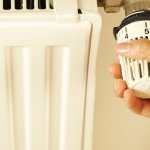
- Hot-water radiators/baseboards: Ensure hand valves are open (turn counterclockwise gently). For baseboards, open the top damper covers so warm air can rise.
- Steam radiators: The supply valve should be fully open or fully closed—halfway creates water hammer and poor heating. Tilt/pitch the radiator slightly toward the pipe to drain condensate.
Bleed air from hot-water radiators (if allowed)
Air trapped in hot-water radiators makes the top cold. If your building permits bleeding:
- Turn the heat on so the circulator is active.
- Use a radiator key or flat screwdriver at the bleed valve.
- Hold a cup/towel under the valve. Turn slowly until air hisses. When steady water (no sputter) flows, close it snugly.
- Never remove the valve fully. If water sprays strongly, close immediately and call maintenance.
Tip: If multiple radiators are cold at the top, a system-level purge might be needed. That’s typically a building/super task.
Quick Check 4: Look at Boiler/Furnace Status Lights and Pressure
If you can safely see the appliance (and your building permits it), glance at indicators:
- Boiler pressure: For many residential hydronic systems, the pressure gauge at idle is commonly around 12–15 psi (check your system’s spec). If it’s near zero, the system may not circulate. Report low pressure to your landlord or a pro.
- Boiler temperature: Typical operating temps often range 160–180°F. Significantly low temps may indicate a control issue.
- Furnace LED codes: Many furnaces have a blinking LED behind a small window. A code chart on the panel explains faults (e.g., pressure switch error, ignition lockout). Note the pattern for your maintenance request.
- Reset buttons (oil furnaces/boilers): If a burner reset has tripped, press at most once. Repeated pressing can flood fuel and create a hazard. If it trips again, stop and call a pro.
- Leaks: Any visible water leak, rust streaks, or scorch marks are red flags—escalate to your landlord immediately.
Quick Check 5: Pilot Light or Electronic Ignition
Ignition is a common failure point on gas systems.
- Standing pilot (older systems): If the pilot is out, follow the printed lighting instructions on the unit exactly, or contact building maintenance. If you smell gas, do not attempt to relight—evacuate and call the utility.
- Electronic ignition: Modern systems use a hot-surface igniter or spark. If the unit tries to start then shuts down, you may have a dirty flame sensor, weak igniter, or draft/pressure issue—note the behavior and call a pro.
- Gas supply: Verify the appliance gas shutoff (manual valve) is parallel to the pipe (open) if you are permitted to access it. Report any suspected gas supply issues to your landlord/super immediately.
Quick Check 6: Filter and Return Air (Forced Air)
A clogged filter can strangle airflow, cause overheating, and trigger safety shutoffs—leaving you with lukewarm air or no heat at all.
- Locate the filter: Common spots include behind the return grille, in a slot near the blower, or inside the air handler.
- Inspect and replace: If it’s gray or matted with dust, replace it. Match size (e.g., 16x20x1). Avoid over-restrictive filters if your system struggles—MERV 8–11 is a reasonable range for many apartments.
- Change cadence: Every 1–3 months, or more often with pets, smokers, or construction dust.
Pro tip: After changing a very dirty filter, give the system 10–15 minutes. If it still short-cycles or blows cool air, continue checking.
Quick Check 7: Zone Valves, Circulator Pumps, and Airlocks (Hydronic)
In multi-room hydronic systems, your room may be on a separate zone. If your apartment allows access to zone valves/pumps:
- Feel the pipes: Carefully touch near the supply/return (caution: hot!). If the main is hot but your branch is cool, the zone valve might be closed or airlocked.
- Zone valves: Some have a small manual lever. If it’s stuck or doesn’t move when heat is called, note the model and report it.
- Circulator noise: Pumps that are silent when they should run, or that grind loudly, may have failed bearings or air. Escalate to maintenance.
- Air separators/vents: Persistent gurgling suggests trapped air. Building-level purging is often required.
Quick Check 8: Steam Heat Specific Checks
Steam systems behave differently from hot water. Tuning the basics often pays off fast:
- Radiator valves: Fully open (counterclockwise). Half-open causes hammering.
- Air vents: The small bullet-shaped vent should hiss air as the radiator warms, then close. If it spits water, drips, or never gets hot, the vent may be failed or clogged—report for replacement.
- Pitch: Ensure a slight tilt back toward the pipe to drain condensate. Use shims under the radiator’s far legs.
- Building vents: Uneven heat throughout the building often points to failed main vents in the basement—notify the super if multiple apartments report slow heat.
Quick Check 9: Electric Baseboard, PTAC, and Mini‑Split Heat Pumps
Some apartments use electric resistance heat or heat pumps.
- Electric baseboard: Turn the dial thermostat up fully and listen for a faint click. Keep curtains and furniture 12 inches away. Check the breaker; these draw significant current and dedicated breakers trip if overloaded.
- PTAC units: Make sure the mode is Heat, not Fan Only. Clean the intake filter (often behind the front panel). If there’s a wall switch or local disconnect, turn it on. Error codes on the display help maintenance diagnose quickly.
- Mini‑split heat pumps: In very cold weather, the unit may enter defrost and blow cool air briefly—this is normal. Confirm HEAT mode on the remote, set fan to Auto or medium, and check for error codes. If the outdoor unit is iced over, report it.
- Aux/Emergency heat: Some heat pumps have auxiliary electric heat. If the heat pump struggles, the system may automatically engage Aux. If it doesn’t, contact a pro.
Quick Check 10: The Building Side—Ask Neighbors and the Super
When multiple apartments are cold, the problem is often central.
- Compare notes: Ask a neighbor on your riser/stack if they have heat. If not, it’s likely a building or boiler issue.
- Heating season schedules: Some cities/buildings run central heat based on outside temperature and dates. Confirm your building’s policy.
- Boiler resets and fuel: The super may need to reset controls, restore pressure, bleed air, or address oil/gas supply.
- Legal minimums: Many regions require landlords to maintain indoor temps (often around 68°F/20°C day, slightly lower at night). If your apartment stays below the standard, report it promptly.
Fast Ways to Stay Warm While You Troubleshoot
- Space heaters (safely): Use certified units with tip-over and overheat protection. Keep 3 feet from anything combustible. Plug directly into a wall outlet—never use extension cords or power strips.
- Layer up and insulate: Wear thermal layers and socks. Roll towels at door bottoms. Close off unused rooms to concentrate heat.
- Curtains and sun: Open drapes on sunny sides by day; close them at night to retain warmth.
- Cooking heat: Cook meals to add incidental warmth and humidity, but never use the oven or stove as a heater.
- Draft sealing: Temporary weatherstripping, shrink-film window kits, and outlet gaskets can make a big difference and are renter-friendly.
What To Tell Your Landlord or Building Manager
Clear, specific information speeds repairs. When you submit a ticket, include:
- Timeline and temperature: When you noticed the issue, current indoor temperature (from a thermometer or thermostat), and outdoor conditions.
- System type: Forced air, hot-water radiators/baseboards, steam radiators, electric baseboard, PTAC, or mini‑split.
- What you checked: Thermostat mode/setpoint, breakers, radiator valves, filter status, any reset lights or error codes.
- Noises/odors: Banging (steam hammer), gurgling (air in lines), burning smell (dust on first start), or gas odor.
- Photos/videos: Radiator vents, LED blink codes, frost on outdoor units, water leaks.
- Neighbors: Whether adjacent units also lack heat.
When to Call a Licensed Pro Immediately
- Gas smell or repeated ignition failures.
- CO alarm or symptoms of CO exposure.
- Electrical issues: Repeated breaker trips, scorch marks, or buzzing panels.
- Water leaks from the boiler, radiators, or ceiling below a unit above you.
- No heat in freezing weather with risk of pipe freeze (rooms under 55°F/13°C). Open cabinets under sinks and trickle faucets if instructed by building management to reduce freeze risk.
Troubleshooting by System Type: Mini Guides
Forced Air (Furnace + Ducts)
- Thermostat on Heat; setpoint 3–5°F above ambient.
- New/clean filter installed; returns and supplies unblocked.
- Breaker On; furnace switch On; blower door firmly closed.
- Observe startup: inducer fan → ignition → burner flame → blower. If any step aborts, note LED code.
- If flame starts then dies: possible dirty flame sensor or pressure switch issue—call a pro.
Hydronic (Hot-Water Radiators/Baseboards)
- Thermostat calling for heat; circulator should run.
- Radiator/baseboard valves fully open; baseboard dampers open.
- Bleed radiators with air (if permitted) until steady water; report persistent air noises.
- Boiler pressure near 12–15 psi; report low pressure or frequent filling.
- Uneven heating between rooms may indicate zone valve or air balancing issues.
Steam Radiators
- Valve fully open; radiator pitched toward the supply.
- Air vent warms and closes as radiator heats; replace if it stays cold or leaks.
- Banging suggests condensate trapped—ensure full-open valve and correct pitch; report building-level venting problems.
Heat Pumps (Mini‑Split or Ducted)
- Remote/thermostat in HEAT mode; fan on Auto or Medium.
- During defrost, brief cool air is normal; don’t power-cycle rapidly.
- Clear snow/ice from outdoor unit intake/exhaust (if accessible and safe).
- Note any error codes/icons (e.g., frost, fan, lock). Provide brand/model to your super.
Electric Baseboard
- Dial thermostat fully up; listen for click and gentle warmth after 5–10 minutes.
- Keep combustibles and fabrics away; vacuum dust carefully.
- Check dedicated breaker; repeated trips need a pro’s evaluation.
The 10 Quick Checks—Recap
- Thermostat call for heat (mode, setpoint, batteries, schedules).
- Power path (breakers, service switch, GFCI, door interlock).
- Airflow and distribution (registers/returns clear; valves open).
- Boiler/furnace indicators (pressure, temps, LED codes, single safe reset).
- Ignition (pilot or electronic; gas supply concerns to landlord).
- Filters (replace dirty filters for forced air).
- Hydronic circulation (zone valves, pumps, airlocks; bleed if allowed).
- Steam specifics (vent function, full-open valve, proper pitch).
- Electric/PTAC/mini‑split (correct mode, error codes, defrost behavior).
- Building-level issues (neighbors, super, heating schedule, legal minimums).
Understanding Why These Steps Work
Heating systems are simple at heart: a thermostat signals for heat; the appliance creates heat; and that heat is distributed through air or water. Failures cluster around those three links. That’s why matching your symptoms to the right step matters more than random tinkering:
- There’s no sound, no fan, no flame: Power or thermostat communication is likely at fault.
- The unit runs but rooms stay cold: Airflow/valves blocked, air in hydronic lines, or a failing circulator is probable.
- Heat starts then stops quickly: Overheating due to a clogged filter, pressure switch trips, or flame sensing can be culprits.
- Some radiators hot, others cold: Zoning/air trapped/venting balance issues.
Legal and Habitability Notes for Renters
While laws vary, many cities require landlords to maintain safe indoor temperatures during the heating season. If your unit remains below the required minimum even after reporting the issue, document your communications and temperatures. Provide access windows for maintenance and keep a simple log:
- Date/time and room temperature readings.
- Outdoor temperature at the same time.
- What you observed (e.g., radiators cold; furnace error code; neighbors also cold).
- Tickets/emails sent and any replies.
Search your city’s housing department site for specific heat requirements and tenant remedies. If you must use temporary heaters, follow the safety rules noted above.
Avoid These Common Mistakes
- Don’t cover radiators with towels or clothes—this traps heat and can be a hazard.
- Don’t set the thermostat to an extreme high thinking it heats faster; it only extends runtime.
- Don’t run the oven or gas stove for heat—this is dangerous and can cause CO buildup.
- Don’t repeatedly press oil-burner reset—one press only, then call a pro if it trips again.
- Don’t bleed steam radiators (they don’t have bleed valves; they use air vents).
Prevent the Next No‑Heat Surprise
- Seasonal service: Ask your landlord about annual furnace/boiler maintenance—clean burners, inspect heat exchanger, check safeties, and test controls.
- Filter routine: Put a reminder to change filters regularly.
- Radiator care: Keep valves exercised (fully open/closed once per season) and baseboard covers clean.
- Weatherization: Add draft blockers, window film, and outlet gaskets. These low-cost steps can add multiple degrees without touching the system.
- Thermostat smarts: Use adaptive schedules and remote sensors to reduce cold spots—but verify Away/Eco modes don’t underheat.
FAQ: Quick Answers
Why are my radiators warm at the bottom but cold at the top?
In hot-water systems, trapped air is the likely cause—bleed the radiator carefully if permitted. In steam systems, a failed or clogged air vent is more likely; valves must be fully open, and the radiator should be pitched toward the supply.
My furnace runs but the air is cool. What now?
Replace the filter, confirm the gas supply (no gas odor) and ignition, and check for LED fault codes. If the burner doesn’t light, a flame sensor or igniter issue may be to blame—contact maintenance.
Can my pipes freeze if the heat is out?
Yes—especially in exterior walls or unheated spaces. Keep interior doors open, open sink cabinets on exterior walls, and let a small trickle run in extreme cold if your building advises it. Report no-heat conditions immediately.
Is pressing the reset button safe?
On oil burners, press once only. On gas furnaces, use the power switch to restart if advised by your building. Multiple resets can be dangerous or damage equipment.
How long should I wait after changes?
After adjusting the thermostat or replacing a filter, give the system 10–15 minutes to respond. Hydronic systems can take longer to bring radiators fully up to temperature.
Who pays for repairs?
Typically the landlord or building association maintains the heating system. Follow your lease terms and local laws. Keep documentation of issues and communication.
Putting It All Together
When you face heating not working in the apartment moments, a structured approach saves time and keeps you safe. Start with the thermostat, confirm power, ensure airflow/valve positions, and note any boiler/furnace indicators. Address system-specific items—filters for forced air, bleeding for hot-water, vents and pitch for steam, and mode/error codes for heat pumps and PTACs. If you still need help, your landlord and a licensed technician can take it from your detailed notes and observations.
Bookmark this guide so the next time you ask, Heating not working in the apartment–what to check, you’ll have a calm, step‑by‑step plan to get warmth back fast.
Handy Checklist You Can Screenshot
- Thermostat: Heat mode, temp +5°F, new batteries, disable Eco/Away.
- Power: Breakers on, furnace/boiler switch on, GFCI reset, door closed.
- Distribution: Registers open, returns clear; radiator/baseboard valves open.
- Hydronic: Bleed air (if allowed), listen for pump; note boiler pressure.
- Steam: Valve full open, correct radiator pitch, vent hisses then closes.
- Forced air: New/clean filter; watch for LED error codes.
- Heat pumps/PTAC: Correct mode, defrost behavior, error codes.
- Safety: CO detector working; no gas odor; no repeated resets.
- Neighbors: Check if others are cold; report building-wide issues.
- Report: Send temps, observations, photos, and codes to landlord/super.
You’ve got this. With the right checks—and clear communication—you can go from chilly to cozy faster, protect your safety, and help maintenance solve the root cause efficiently.