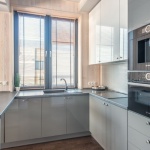
Tiny Kitchen, Big Style: Space-Saving Tableware with a Minimalist Edge
When every inch of your kitchen matters, the right tableware can make a dramatic difference. Instead of overflowing cabinets and mismatched mugs, imagine a lean, beautifully cohesive collection that stacks like a dream, serves multiple purposes, and looks as elegant on an open shelf as it does on your table. In this guide, we’ll explore Minimalist tableware ideas for small kitchens—from essential pieces and smart storage to materials, colors, and styling tips—so you can create a compact setup that’s both artful and efficient.
Why Minimalist Tableware Works Wonders in Tight Spaces
Minimalism is more than a trend; it’s a practical design language that emphasizes clarity, utility, and calm. In tiny homes and apartment galley kitchens, it solves everyday frustrations by trimming excess and highlighting the few pieces you truly love and use. The payoff is immediate: faster cleanups, simplified storage, and a soothing visual landscape that makes a small room feel bigger. With the right pieces and thoughtful organization, your shelves transform from a perpetual Tetris game into a harmonious system that supports your routine instead of complicating it.
- Visual calm: Fewer shapes, fewer colors, less visual noise.
- Better flow: The pieces you grab daily are within easy reach and stack neatly.
- Flexible function: Multiuse bowls and plates cover more meals with fewer items.
- Long-term savings: Quality staples last and reduce impulse buys.
Core Principles for Minimalist, Space-Saving Dinnerware
To build a compact, elevated collection, start with a simple ethos: fewer, better, and stackable. Favor clean silhouettes, timeless finishes, and versatile sizes. Each item should earn its space by working hard and fitting with the rest. A cohesive set is easier to store and more pleasing to use, making daily rituals feel effortless.
- Form follows function: Choose coupe plates, rimless edges, and nesting bowl sets.
- Compact footprints: Prioritize pieces that stack steadily and nest tightly.
- Neutral palette: Whites, soft grays, sand tones, or transparent glass calm visual clutter.
- Material harmony: Mix at most two materials for a cohesive, gallery-like look.
- Multiuse mindset: Bowls that serve soup, salads, and pasta reduce the total count.
Minimalist Tableware Ideas for Small Kitchens: The Essentials
Curating the right mix of dishes is the heart of a compact setup. Focus on a capsule collection that works for solo breakfasts, quick weeknight meals, and occasional guests. The goal: a balanced set with the least number of items that still supports your lifestyle.
Plates: Go Coupe and Stackable
Coupe plates—those with smooth, slightly raised edges and no pronounced rim—stack more compactly than traditional dinnerware and make plating effortless. Opt for two sizes to cover most meals: a dinner plate (around 10–10.5 inches/25–27 cm) and a salad/appetizer plate (7.5–8.5 inches/19–22 cm). Look for thin yet durable porcelain or stoneware that resists chipping and maintains a slim stack.
- Tip: If your cabinets are shallow, consider 9.5–10 inch dinner plates to save depth.
- Quantity: For most small households, 4–6 dinner plates and 4–6 salad plates suffice.
- Finish: Matte or satin-gloss hides minor scratches; bright white boosts light and space.
Bowls: Nest Sets for Maximum Versatility
A compact stack of multipurpose bowls can replace several specialized pieces. Choose a nesting set that covers cereal, soup, salads, pasta, and small mixing tasks. A shallow “pasta bowl” (7.5–9 inches/19–23 cm) doubles as a dinner plate for saucy dishes and looks refined on the table.
- Tiered sizes: 12–14 cm (snacks), 15–17 cm (cereal/soup), 20–23 cm (pasta/salad).
- Profile: Rounded-bottom bowls nest tighter and clean easier; straight walls look sharp.
- Quantity: 4–6 shallow bowls + 2–4 small bowls cover daily needs.
Mugs and Cups: Stack Safely, Sip Happily
Mugs take surprising space. Select stackable styles with straight sides and integrated handles that don’t snag. If you enjoy espresso or tea rituals, a slim, nestable set and a single versatile carafe can replace bulky kettles or teapots on display.
- Tip: Under-cabinet hooks or a rail can free a whole shelf when mugs have sturdy handles.
- Quantity: 2–4 daily mugs + 2 stackable spare cups for guests.
- Material: Thin-walled stoneware or borosilicate glass saves space and weight.
Glasses: Nestable, Stemless, Dual-Purpose
Stemless glasses are inherently compact and multipurpose—good for water, juice, wine, and cocktails. Tapered or slightly conical profiles can nest. For sparkling or formal pours, keep a pair of slim flutes rather than a full set.
- Quantity: 4–6 stemless tumblers + 2 specialty pieces if your routine calls for them.
- Storage: A low-profile rack or shallow drawer insert prevents tipping on open shelves.
Cutlery: Sleek, Balanced, and Right-Sized
Choose a streamlined, well-balanced set with a compact tray. If drawer space is tight, try a tiered insert that stacks utensils vertically. Keep a few specialty pieces (serving spoon, ladle, tongs) and store them together to avoid duplicates creeping in.
- Quantity: 4–6 place settings + 2 servers cover most scenarios.
- Finish: Brushed stainless hides fingerprints; black PVD adds drama but may show wear.
Smart Storage Strategies Tailored to Tiny Kitchens
Storage turns good tableware into a great system. Design a place for every item and choose hardware that uses dead zones: vertical gaps, cabinet doors, and the underside of shelves. This prevents precarious towers and daily rummaging. The aim is smooth, repeatable motion: grab, use, wash, return—without friction.
- Vertical separators: Use plate racks or tension dividers to store plates upright.
- Drawer pegs: Adjustable peg boards keep bowls and plates locked in place.
- Under-shelf additions: Clip-on baskets and mug rails unlock spare airspace.
- Door storage: Slim racks on cabinet doors hold flatware trays or napkins.
- Open shelves, curated: Display your capsule set; store extras out of sight.
Materials and Finishes: Beauty, Durability, and Stackability
Material choice impacts weight, chip resistance, and stack height. Select one or two materials so your shelves look cohesive and your stacks stay predictable in size and stability. Assess maintenance, too—what feels luxurious on day one should still look great after weekly dishwasher cycles.
- Porcelain: Thin, strong, highly stackable, bright white for an airy look.
- Stoneware: Heft and warmth; choose thinner profiles to tame stack height.
- Borosilicate glass: Lightweight, heat-resistant; ideal for cups and mixing bowls.
- Stainless steel: Ultra-durable for cutlery; choose brushed to hide wear.
- Wood or bamboo: Accent trays and servers add texture; oil to maintain.
- Silicone (collapsible): Great for prep or picnics; keep to a minimum for cohesiveness.
Finish matters: Matte hides micro-scratches and fingerprints, while glossy reflects light and feels classic. If your kitchen is dim, glossy white or pale gray plates amplify brightness; if it’s sunlit, matte neutrals add calm and reduce glare.
Color Strategy: Make Small Spaces Feel Bigger
Color can visually expand a kitchen or shrink it. Neutral palettes minimize visual noise and keep focus on food. Transparent glassware practically disappears in storage, while soft tones layer subtly. Limit contrast to a few hero items to avoid a patchwork effect.
- Monochrome base: White/ivory or light gray plates and bowls unify your shelves.
- One accent: A single hue (olive, navy, or terracotta) for mugs or a serving bowl.
- Natural textures: A wood tray or linen napkin adds warmth without bulk.
Space-Saving Upgrades That Quietly Transform Your Routine
Small kitchen wins add up. A slim rail, the right rack, or a fold-flat drying mat can permanently lower your daily friction and tidy up surfaces. These choices also support a minimalist mindset by giving each item a clear return spot.
- Magnetic strip: Beyond knives, use it for lightweight metal servers.
- Plate stand: Turn a book-style stand into a vertical dish sorter.
- Felt liners: Slip between glossy plates to prevent scuffs on tight stacks.
- Compact dish rack: A foldable rack clears counters when not in use.
- Lazy Susan: Corral mugs or small bowls in a deep cabinet corner.
Capsule Collections by Lifestyle
Right-size your setup to your habits. These sample kits cover daily life without overbuilding. Adjust up or down based on how often you host, cook, or order in.
Solo Minimalist
- 2 coupe dinner plates + 2 salad plates
- 2 shallow pasta bowls + 2 small bowls
- 2 stackable mugs + 2 stemless tumblers
- 2 place settings of cutlery + 1 serving spoon
- 1 multipurpose carafe (water, wine, flowers)
Couple in a Compact Kitchen
- 4 dinner plates + 4 salad plates
- 4 shallow bowls + 2 small bowls
- 3–4 stackable mugs + 4 tumblers
- 4 place settings + 2 serving utensils
- 1 medium serving bowl + 1 low-profile tray
Family of Four, Small Space
- 6 dinner plates + 6 salad plates
- 6 shallow bowls + 4 small bowls
- 4–6 mugs + 6 tumblers
- 6 place settings + 2 kid-friendly pieces (lightweight cups/bowls)
- 1 large serving bowl + 1 lidded container that doubles as serveware
Host-with-the-Most, Minimalist Edition
- 6–8 dinner plates + 6–8 pasta bowls
- 6–8 tumblers + 2–4 specialty glasses
- 6–8 place settings + 2–3 serving utensils
- 2 nesting serving bowls + 1 compact platter
- Fold-flat extras: a rolling cart or collapsible tray for parties
Entertaining Without the Bulk
Hosting in a small space benefits from modular pieces and smart staging. Borrow or rent when needed, and lean on stackable servers that nest away afterward. A simple, neutral base lets you vary the vibe with linens and garnish rather than owning multiple dish styles.
- One neutral set, many moods: Switch napkins, greenery, or candles for theme.
- Tray-as-table: A slim tray converts an ottoman or counter into a serving station.
- Rolling cart: Acts as satellite storage and a mobile bar during gatherings.
Care, Maintenance, and the Minimalist Rhythm
Consistent micro-habits keep small kitchens serene. Clean as you go, return each piece to its designated slot, and resist “just-in-case” duplicates. A quarterly edit ensures your collection reflects your actual routine, not an aspirational one you rarely live.
- 1-in, 1-out policy: When a new mug arrives, retire or donate one.
- Dishwasher logic: Group like items to speed unload and protect rims.
- Protect finishes: Use soft separators for glossy stacks; avoid metal-on-ceramic scrapes.
Buying Guide: How to Shop Like a Space-Savvy Minimalist
Focus your budget on durability and stackability. In-store, literally stack items to test wobble, height, and footprint. Online, check dimensions and weight; reviews often reveal hidden bulk or chipping issues. Buy open-stock pieces instead of large sets so you own exactly what you’ll use.
- Test the tower: A 6-plate stack should feel stable and not exceed shelf clearance.
- Choose open stock: Assemble your custom mix rather than storing unused items.
- Secondhand gems: Thrift for high-quality porcelain and stainless basics.
- Warranty matters: Replacements for chipping or glaze defects save money long term.
DIY and Low-Cost Hacks That Punch Above Their Weight
You don’t need a full remodel to unlock capacity. A few clever tweaks can create order from chaos, especially in rentals where drilling is off-limits. Look for reversible, non-damaging solutions that make the most of your cabinet geometry.
- Tension rods: Create vertical cubbies for plates or trays in wide cabinets.
- File organizers: Repurpose for platters and cutting boards to keep them upright.
- Drawer pegs: Add removable wooden pegs to corral bowls and plates.
- Adhesive hooks: Hang lightweight servers inside cabinet doors.
- Felt or cork dots: Cushion stacks to prevent micro-abrasion on glossy glazes.
Styling Open Shelves the Minimalist Way
Open storage magnifies both beauty and clutter. Keep only your most cohesive pieces visible and style them intentionally. Repetition of forms and a tight color palette creates rhythm and calm while still feeling personal.
- Rule of thirds: Group plates, bowls, and glasses into balanced clusters.
- Negative space: Leave gaps so the eye can rest; crowded shelves feel hectic.
- Texture accents: A wooden tray or linen stack warms up a white-on-white scheme.
Safety and Practicality: Small Details, Big Impact
Safe, steady stacks are non-negotiable in tight quarters. Choose materials and configurations that resist toppling. Keep heavier items low, and lighter or less-used objects high. Small safeguards help you move confidently in a compact space.
- Heaviest down low: Stoneware dinner plates on the bottom shelf; glassware higher up.
- Stable stacks: Use uniform brands or dimensions for consistent stacking behavior.
- Rim protection: Avoid over-stacking to protect delicate edges.
Eco-Conscious Minimalism
Minimalist choices often align with sustainability. Buying fewer, better pieces reduces waste. Choosing durable, repairable items extends lifespans. If aesthetics change, donate intact sets or sell to someone building their first kitchen, keeping your pieces in circulation.
- Materials: Favor lead-free glazes and responsibly sourced wood accents.
- Repairs: Food-safe crack repair is limited; reserve kintsugi-inspired finishes for display pieces.
- Circular mindset: Trade, sell, or donate duplicates rather than storing them.
Common Mistakes (and Easy Fixes)
Even with good intentions, clutter creeps in via gift mugs, novelty pieces, and oversized dinner plates that hog shelf depth. A few adjustments can restore balance and space in days, not months.
- Oversized plates: Swap 12-inch dishes for 10–10.5 inch coupes to save depth.
- Mug overload: Cap at 4–6; keep sentimental extras in a box, not on the shelf.
- Mismatched stack heights: Standardize one brand line or measure carefully before buying.
- Ignoring vertical storage: Install a rail or use dividers to unlock dead space.
- Too many specialty pieces: Replace single-use servers with a versatile shallow bowl.
Step-by-Step: Refresh Your Tableware in a Weekend
A quick, focused reset can permanently lighten your daily load. Follow this plan to declutter, refine, and style your collection without overwhelm. By Sunday night, your cupboards will look and feel brand-new—minimal, coherent, and effortless.
- Saturday AM – Empty and sort: Pull everything out. Group by type. Remove damaged items.
- Saturday midday – Edit: Keep only what you use weekly. Set aside duplicates to donate.
- Saturday PM – Measure: Note shelf depth/height. Test stack height with your keepers.
- Sunday AM – Shop smart: Fill gaps with open-stock pieces that nest and stack well.
- Sunday midday – Install storage: Add dividers, rails, or under-shelf baskets.
- Sunday PM – Style and label: Place daily pieces at chest height; store extras higher.
Mini FAQ
Are coupe plates better for small kitchens?
Yes. Their rimless design stacks tighter and serves more dish types, reducing the total number of plates you need.
How many pieces do I really need?
For two people, 4 dinner plates, 4 salad plates, 4 shallow bowls, and 4 glasses cover daily use with a cushion for guests. Expand only if your routine demands it.
Can I mix wood with ceramic and glass?
Absolutely. Keep the palette tight—one wood tone plus a neutral ceramic and clear glass creates warmth without visual clutter.
What about dishwasher and microwave safety?
Check manufacturer notes. Most porcelain and many stoneware items are dishwasher- and microwave-safe. Metallic rims and some matte glazes may require hand-washing.
Putting It All Together
Your small kitchen can look curated and feel spacious with a well-edited, stack-friendly collection. From Minimalist tableware ideas for small kitchens like coupe plates and nesting bowls to slim storage upgrades and monochrome palettes, the secret is a system: fewer pieces that do more, stored in ways that make daily routines frictionless. Start with your essentials, add thoughtful accents, and let negative space be part of the design. The result is a calm, beautiful, and space-saving tableware setup that serves everyday life—and looks incredible doing it.
Checklist: Your Minimalist Small-Kitchen Starter Kit
- Plates: 4–6 dinner coupes (10–10.5 in), 4–6 salad plates
- Bowls: 4–6 shallow pasta bowls, 2–4 small bowls
- Mugs/Glasses: 2–4 stackable mugs, 4–6 stemless tumblers
- Cutlery: 4–6 settings, 2 serving utensils
- Storage helpers: Plate rack or pegs, under-shelf basket, felt separators
- Accent: 1 serving bowl or tray in wood or a restrained color
Use this blueprint as your companion for implementing Minimalist tableware ideas for small kitchens in a way that’s natural, stylish, and sustainable. Refine over time, and let each choice support ease, beauty, and the joy of a tiny kitchen done right.