Between the Trees: Creative Garden Hammock Ideas for a Blissful Retreat
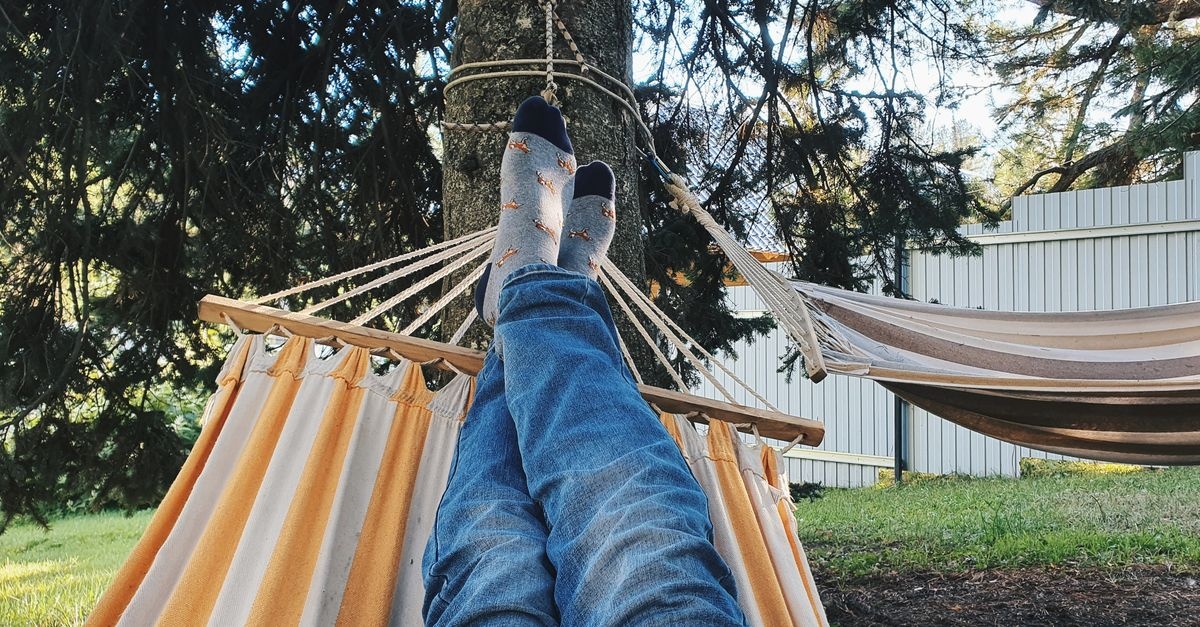
There is a certain kind of magic that happens when you string a hammock between two friendly trees. The canopy muffles the hum of the world, leaves paint your day with dappled light, and time seems to loosen its grip. Whether you are curating a small urban sanctuary or refining a sprawling backyard, this guide gathers inspiring garden hammock ideas between trees—complete with planning tips, safety insights, planting companions, and design themes—to help you build a truly blissful outdoor retreat.
Why a Hammock Between Trees Feels So Right
To lie in a hammock is to experience weightlessness in the landscape. But a tree-to-tree hang adds another layer: you become part of the living architecture of your garden. That small decision—choosing trunks over posts—turns your lounging zone into a conversation with bark textures, birdsong, and the shifting sky. Below are the core benefits that make garden hammock ideas between trees especially compelling.
- Natural shade and airflow: Trees filter sunlight and funnel breezes, delivering comfort without mechanical cooling.
- Sense of enclosure: Trunks frame the view, lending intimacy and a feeling of being held by the garden.
- Design harmony: A hammock between trees integrates seamlessly with foliage, blossoms, and bark tones.
- Low visual clutter: No bulky stands; just light, elegant fabric and reliable straps melting into the scene.
- Microclimate perks: Leaf litter boosts soil life beneath you, while the canopy can moderate heat and glare.
Plan the Perfect Spot
Successful garden hammock ideas between trees start with careful site selection and a bit of math. Here is how to assess your space before you reach for straps.
1) Choose the Right Trees
- Species and health: Favor sturdy, mature trees (oaks, maples, beeches, robust conifers). Avoid trees with visible disease, decay, or significant cracks. If in doubt, consult an arborist.
- Trunk diameter: Look for trunks at least 8–10 inches in diameter for typical single hammocks. Bigger is better for load-bearing and bark protection.
- Root zones: Keep traffic low around the base to protect roots; use stepping stones or mulch pathways to direct footfall.
2) Mind the Distances and Angles
Comfort is all about proportions. Most gathered-end hammocks feel best with a relaxed “smile” or sag. A practical rule of thumb:
- Tree spacing: Aim for 10–15 feet (3–4.5 m). Shorter than 10 feet can work for compact hammocks; beyond 16–18 feet you will need higher anchors and stronger tension.
- Hang angle: Target roughly 30 degrees from horizontal for comfort and even load distribution.
- Seat height: When occupied, the lowest point should hover around 16–20 inches (40–50 cm) above the ground—chair height for easy entry and exit.
- Anchor height: For average hammocks and 12–15 feet between trees, expect to set straps about 5–6 feet (1.5–1.8 m) up the trunk. Adjust for your specific hammock length and stretch.
3) Sun, Wind, and Views
- Orientation: If you love morning coffee outdoors, face the hammock toward the east for sunrise glow; for after-work lounging, orient westward but mind late-day glare.
- Prevailing breezes: A gentle airflow is delightful; strong crosswinds call for windbreaks (hedges, lattice, tall perennials).
- Privacy: Use ornamental grasses, trellised vines, or a living screen to soften sightlines without shutting off air or light.
4) Tree-Friendly, Hammock-Safe Hardware
- Wide tree straps: Choose 1–2 inch (2.5–5 cm) polyester or nylon straps to spread the load and protect bark. Avoid thin cord directly on bark.
- Hardware rating: Carabiners and buckles should have clear load ratings. Better to exceed your expected load.
- No drilling when possible: Straps beat bolts. If you must anchor permanently, consult a professional and use cambium-saving methods.
Pro tip: A light underquilt or insulated pad eliminates the “cold back” on breezy days—especially helpful in shoulder seasons.
Choose the Right Hammock Style
Not all hammocks feel the same. Pair your tree spacing and design vision with the right build.
- Gathered-end hammocks: Classic banana shape, cozy diagonal lay, adaptable to many distances. Great for reading and naps.
- Spreader-bar hammocks: Wide and flat with wooden bars. Photo-friendly and stable for sunbathing, but they sway more and often require more careful leveling.
- Rope/macramé: Breezy texture and coastal charm. Look for tight, supportive weaves that will not print your back. Add a quilt or throw for extra comfort.
- Fabric and quilted types: Cotton is soft but store it dry; solution-dyed acrylics and outdoor polyesters resist mildew and fading.
- Double or family-size: Wider fabrics accommodate two; check weight ratings and plan for more robust anchors.
- Hammock chairs: Hang from a stout overhead branch for a vertical, space-saving lounge companion to a main hammock.
Creative Design Themes to Try
Here are fresh, elegant, and playful garden hammock ideas between trees you can tailor to your space. Think in moodboards: a handful of materials, two or three colors, and a tactile signature.
1) The Secret Reading Nook
Tuck a soft gathered-end hammock behind a veil of climbing jasmine or clematis. Add a low log stool for tea, a small outdoor rug, and a waterproof basket for novels. Use warm-white string lights wound gently around each trunk to extend twilight hours.
- Palette: Mossy greens, linen, and warm wood.
- Accents: Linen throw, lumbar pillow, pocket caddy for a journal and pen.
- Plant allies: Ferns underfoot, thyme between stepping stones for scent with every step.
2) Stargazer’s Canopy
Choose a sturdy woven or mesh hammock that breathes and supports a flatter lay. Aim for an opening with minimal overhead branches to frame the night sky. Clip a bug net or drape a light, airy canopy that can be stowed during the day.
- Lighting: Solar fairy lights or lanterns positioned low to reduce glare and preserve night vision.
- Comfort: Compact underquilt, packable camp pillow, and a star chart tucked in the side pocket.
- Bonus: A small telescope on a nearby tripod pad or a sky-watching app.
3) Boho Macramé Hideaway
Lean into fringe and texture: a creamy macramé hammock, plant hangers suspended from overhead branches, and a scatter of patterned floor cushions. A rattan side table holds citrus water, while wind chimes add gentle sound.
- Palette: Cream, terracotta, sage.
- Textiles: Woven throws, kilim pillows, muted block prints.
- Greenery: Potted palms or hardy houseplants brought outside on warm days.
4) Minimalist Modern Calm
Keep forms simple: a charcoal fabric hammock with black straps, a single sleek side table, and a linear gravel pad. Stick to two neutrals and one accent color, and repeat those hues in planters or garden edging.
- Palette: Charcoal, white, olive.
- Materials: Powder-coated steel, concrete, smooth river stones.
- Lighting: Discreet in-ground spots grazing the trunks for evening drama.
5) Family Hammock Hub
If you have three or more trees, create a small constellation of hammocks. Orient them so foot-ends meet near a central outdoor rug or low fire bowl. Vary types: one spreader-bar for sunning, one deep cocoon for reading, a hanging chair for conversation.
- Flow: Stepping-stone paths prevent mud and protect roots.
- Storage: A deck box for blankets and bug nets keeps the zone tidy.
- Safety: Clear a landing zone under each hammock; supervise kids and choose strong anchors.
6) Coastal Breeze Corner
Pick a rope hammock in pale sand tones and echo beach textures with shells in a glass jar, driftwood accents, and grasses swaying nearby. A striped bolster nods to maritime style.
- Palette: Sand, sea-glass green, navy stripe.
- Plants: Blue fescue, sea holly, lavender cotton.
- Details: Nautical rope knots wrapped on the carabiner tails for a decorative touch.
7) Wildflower Meadow Lounger
Float your hammock at the margin of a mini meadow. Mow a meandering approach and let pollinator plants star in the view. Choose fabrics that resist fading and echo the floral palette.
- Plants: Echinacea, yarrow, cosmos, native asters.
- Support crew: Bee bath, shallow saucers with pebbles, and a bug net for nap-friendly afternoons.
- Maintenance: Let seed heads stand into fall for birds, then cut back in late winter.
8) Japanese-Inspired Zen Sling
Simplicity and balance: a muted fabric hammock between two pruned trees, a stone basin, and clipped evergreens. Swap bright cushions for a single wabi-sabi textile and a cedar bench for tea.
- Palette: Stone gray, moss, blackened wood.
- Ground plane: Raked gravel or thyme lawn.
- Sound: A small bamboo fountain provides a soft, meditative rhythm.
9) Rain Garden Perch
If your site has a low, wet zone nearby, suspend a hammock just upslope with a view into irises and sedges. Add a boardwalk path to keep feet dry and a bench for boots and blankets.
- Plants: Siberian iris, sedges, Joe-Pye weed.
- Comfort: Weatherproof fabric and removable cushions; store them after storms.
- Resilience: Mulch with gravel near trunks to improve drainage and reduce splash-back.
10) Four-Season Cocoon
With the right accessories, your hammock zone can be year-round. Use a quick-deploy tarp or canopy for drizzle, an underquilt for chill, and a hot-water bottle wrapped in a wool cover for winter stargazing.
- Fabric: Quick-dry synthetics with removable covers for washing.
- Lighting: Dimmable, rechargeable lanterns to avoid cords in damp weather.
- Storage: A nearby peg rail or hooks on a fence panel for nets, quilts, and tarps.
Accessorize for Comfort and Character
Small choices turn a hammock into a full-fledged retreat. Layer thoughtfully and edit often.
- Textiles: Outdoor-rated pillows and throws in two textures (smooth + chunky). Add a lumbar for reading posture.
- Side surfaces: Low, stable tables for drinks; a tray that hooks onto a trunk; or a stake-in cup holder near the foot-end.
- Storage: Weatherproof baskets, deck boxes, or a trunk-hung caddy for sunscreen, bug spray, and a book light.
- Lighting: Soft layers—string lights, lanterns, and tiny path markers—so the area glows rather than glares.
- Sound: Gentle wind chimes, a bird-friendly bubbler, or a low-volume speaker tucked discreetly.
- Aromatics: Plant rosemary or lemon balm along the approach; use citronella candles responsibly away from fabric.
Planting Companions Under and Around the Hammock
Great garden hammock ideas between trees consider the ground plane as carefully as the canopy. You want beauty that tolerates occasional foot traffic and the dappled shade of a tree crown.
- Shade-tolerant groundcovers: Sweet woodruff, wild ginger, ajuga, or creeping thyme (for brighter spots) knit soil and soften the scene.
- Ferns and hostas: Lush texture, minimal fuss. Pair a few bold-leaved hostas with fine-textured grasses for contrast.
- Moss or thyme lawn: Where conditions allow, a low-care carpet feels magical underfoot.
- Bulbs for shoulder seasons: Snowdrops and crocuses in late winter, alliums and species tulips in spring add subtle drama.
- Pollinator borders: Lavender, salvia, and coneflowers bring life and color to the periphery.
Safety and Setup Essentials
Style matters, but safety is nonnegotiable. Follow these fundamentals to keep your retreat serene and secure.
- Inspect trees and hardware regularly: Look for bark abrasion, strap fray, and carabiner wear. Replace at first signs of damage.
- Use wide straps: They protect cambium and distribute loads better than cords.
- Weight rating: Exceed the heaviest expected combined weight by a generous margin, especially for double hammocks.
- Clear fall zone: Keep the area under and around the hammock free of rocks, edging, and tools.
- Kids and pets: Supervise play; keep hang height low to the ground; avoid acrobatics and swinging into trunks.
- Weather wisdom: Take hammocks down in storms and high winds. Store fabrics dry to prevent mildew.
- Bug and sun control: Clip-on nets, UPF-rated tarps, and breathable canopies extend comfort without claustrophobia.
Quick geometry: Aim for a 30-degree strap angle and a chair-height sit. If trees are farther apart, raise anchors incrementally; if closer, lower them and let the hammock sag into comfort.
Maintenance That Keeps the Magic Going
Even the most low-key garden hammock ideas between trees benefit from a little care routine.
- Fabric care: Shake off debris; spot clean; launder removable covers per label. Dry completely before storage.
- Mildew prevention: Favor breathable storage and bring cushions indoors after rain.
- Hardware check: Rinse salt or dust off metal. Oil wooden spreader bars lightly each season.
- Tree health: Shift strap positions occasionally to avoid chronic bark compression; monitor for pests and wounds.
Seasonal Switch-Ups
Refresh the look and feel of your spot as the year turns. A few smart swaps keep your retreat in step with the climate and your calendar.
- Spring: Pastel cushions, bulbs blooming, light throws. Prune lightly and re-level after winter winds.
- Summer: Sun-savvy canopies, breathable fabrics, and a nearby cooler. Add shade-loving pots if the canopy thins.
- Fall: Earth-tone textiles, a thicker quilt, fairy lights for earlier twilights. Position for leaf-peeping views.
- Winter: Stow the hammock or swap to a rugged one for short, crisp sits. Underquilt, hot tea, and a wind screen make it viable.
Budget to Boutique: Smart Ways to Spend
Bliss does not require a big budget. Prioritize safety and comfort, then layer style as you go.
- Saver’s route: Quality basic hammock, wide straps, thrifted pillows in outdoor covers, solar string lights, and a DIY stump stool.
- Middle lane: Weather-resistant fabric hammock with bug net, dimmable lanterns, custom cushions, and a compact deck box.
- Splurge-worthy: Premium double hammock, adjustable suspension with high-grade hardware, designer textiles, in-ground lighting, and arborist consultation.
DIY Touches That Elevate the Space
Add personality and function with projects that respect trees and weather.
- Tree-friendly strap sleeves: Sew removable felt or recycled rubber sleeves to further protect bark under straps.
- Clip-on side caddy: Upcycle a canvas tool roll with added grommets; hang it from the hammock ridge line or strap tail.
- Portable plank table: A reclaimed board with adjustable stake legs tucks under mulch for a stable surface anywhere.
- Knot craft: Learn a simple slippery hitch for fine adjustments without metal buckles.
Quick Idea Bank: 25 Inspiring Prompts
Use this list to spark layouts, colors, and moods for garden hammock ideas between trees of every style.
- Pair a dark charcoal hammock with lime-green hostas for crisp contrast.
- Run a narrow pea-gravel ribbon between trunks so feet stay clean.
- Add a bird feeder at a respectful distance to enjoy morning visits.
- Contrast a rope hammock with smooth, oversized stepping stones.
- Clip a removable tarp for pop-up drizzles during summer reads.
- Hang two hammocks at different heights for parent-child story time.
- Use copper fairy lights to mirror sunset tones through leaves.
- Set a low planter of herbs within reach for touch-and-scent therapy.
- Underplant with thyme or chamomile for fragrance released by footsteps.
- Install a subtle trunk uplight to silhouette the hammock at night.
- Coordinate pillow piping with the strap color for a tailored look.
- Stash a fleece blanket rolled into a leather strap on a tree hook.
- Place a tiny solar fountain nearby for burbling calm.
- Use a neutral hammock and let seasonal cushions set the mood.
- Run a discrete extension of the path using bark chips for softness.
- Try a net-style hammock for stargazing with a removable bug net.
- Frame the view with a trellis of fragrant annuals like sweet pea.
- Decorate strap tails with simple macramé tassels (remove in rain).
- Create a micro-library in a weatherproof box on a nearby fence.
- Mount a fold-down tray to a post or arbor adjacent to the trees.
- Build a triangle of three hammocks for a social hub under the canopy.
- Pick a reversible quilted hammock to flip with the seasons.
- Plant a crescent of ornamental grass as a living headboard.
- Hang a hammock chair off to the side for a second seating mood.
- Keep a dedicated “hammock basket” with bug spray, sunscreen, and a book.
Troubleshooting: Common Snags and Smooth Fixes
- Hammock feels too tight: Lower the anchors or increase sag; aim again for a 30-degree strap angle.
- Back strain: Lie diagonally in gathered-end hammocks; add a small pillow under knees.
- Fabric holding water: Switch to quick-dry textiles and ensure it sags enough to drain after rain.
- Bark scuffing: Upgrade to wider straps and add protective sleeves; vary attachment height slightly over time.
- Too much sun: Introduce a canopy sail, plant a fast-growing shade shrub, or shift to a shadier tree pair.
Frequently Asked Questions
How far apart should the trees be?
For most hammocks, 10–15 feet works well. Closer trees need lower anchors and more sag; wider gaps require higher anchors and careful load management.
Do I need special straps?
Yes. Use wide, tree-friendly straps with clear weight ratings. Avoid thin ropes directly on bark, which can cut into living tissue.
What if my garden has no perfect tree pair?
Try one tree plus a post set in concrete or a discreet pergola beam. You will still capture the charm of a hammock between trees while expanding your options.
Which hammock is best for reading?
A gathered-end hammock with a diagonal lay and a small lumbar pillow supports the spine and cradles your head. Add a light throw for comfort.
How do I protect against bugs?
Clip on a fitted bug net, burn citronella at a safe distance, and plant aromatic herbs like mint and rosemary nearby.
Bringing It All Together
The finest garden hammock ideas between trees borrow from nature’s rhythms: soft sway, dappled light, cool air. Start with healthy trees and safe hardware, choose a hammock that flatters both body and setting, then layer texture, scent, and gentle light. Protect the living trunks that hold you up, and they will give you years of cloudlike afternoons. Soon, the most coveted seat in your house will not be a seat at all—just fabric, daylight, and two patient trees holding your bliss in the air.