From Clutter to Clarity: How Tidiness Shapes the Way We See Our Spaces
Introduction: From Clutter to Clarity
Walk into a room that feels impossibly calm and instantly legible, and you’ll notice it right away: your eyes rest, your shoulders drop, and your mind clears. This isn’t a coincidence. It’s perception. What we keep on surfaces, how we arrange belongings, and the way we manage “visual noise” all guide the brain’s interpretation of space. That is the heart of how tidiness affects interior perception: order modifies what we see, how we feel, and how we move.
While minimalism made the case that fewer objects create calmer spaces, the conversation today is more nuanced. We don’t just want empty rooms—we want rooms that are readable, supportive, and alive with character. Tidiness, in this context, is less about perfection and more about clarity. It’s the framework that lets design details shine and daily life run smoothly.
Key idea: Tidiness is not a rigid aesthetic. It’s a perceptual tool that reduces cognitive load, strengthens spatial cues, and aligns a room’s function with how it looks and feels.
What You’ll Learn
- How environmental psychology explains our response to order and chaos.
- Why sightlines, focal points, and negative space determine whether a room feels “busy” or “balanced.”
- Design tactics—from storage strategies to lighting and color—that amplify clarity.
- Room-by-room tips for kitchens, living rooms, bedrooms, and home offices.
- Maintenance habits that keep spaces clear without constant effort.
The Psychology Behind Order: Why Our Brains Prefer Clarity
To understand how tidiness affects interior perception, start with the brain. Our visual system evolved to prioritize patterns, edges, motion, and simplicity. Environments with too many competing stimuli heighten vigilance and mental effort. Environments that are organized into coherent groups and hierarchies make processing easier.
Cognitive Load and Visual Noise
Cognitive load describes the mental resources required to make sense of what we’re seeing. In cluttered spaces, attention gets divided among dozens of cues: stacks of mail, mismatched containers, tangled cables, overlapping decor. Each item claims a slice of focus, raising background stress and decision fatigue.
- Clutter elevates micro-decisions: Where do I put this? How do I find that? Is this out of place?
- Order reduces friction: Clear categories and consistent homes for objects turn searching into knowing.
When cognitive load drops, people report rooms as more spacious, safer, calmer, and easier to use—not because the footprint changed, but because perception changed.
Gestalt Principles in Everyday Interiors
Gestalt psychology explains how we group and interpret visual information. Tidiness intentionally leverages these principles:
- Proximity: Items stored together read as a unit. A cluster of books with a single object on top becomes a composed vignette, not a pile.
- Similarity: Matching bins, aligned frames, or repeated finishes signal order and reduce visual chatter.
- Continuity: Unbroken sightlines and aligned edges guide the eye smoothly through a room.
- Figure-ground: Negative space around a sofa or art piece helps it pop against its background.
Emotional Tone: Calm, Control, and Comfort
Clarity fosters a sense of control. That doesn’t mean sterility; it means the environment supports your intentions. In studies across environmental psychology and design research, organized spaces correlate with reduced stress and improved mood. Even small wins—a cleared entryway bench, a tidy desktop—change the emotional temperature of a room.
That’s a powerful part of how tidiness affects interior perception: it isn’t just what we see, but how we feel and behave. Tidy rooms invite use; messy rooms invite avoidance.
The Visual Mechanics of Clarity
Beyond psychology, the optics of interiors matter. The way our eyes navigate geometry, color, and light directly influences spaciousness and coherence.
Sightlines and Focal Points
Sightlines are the unbroken views across a room. When tall objects slice through these paths, spaces feel smaller and busier. Conversely, a clear primary focal point—like a fireplace, a large artwork, or a view—gives the room a “visual anchor.”
- Anchor first: Choose one dominant focal point per room and align secondary elements to support it.
- Trim the periphery: Clear clutter at edges and corners; visual mess “leaks” and blurs boundaries.
- Lower the horizon: Keep bulky storage lower when possible to preserve long views.
Negative Space and Breathing Room
Negative space is the empty area around objects. Many rooms fail not for lack of style, but for lack of space to let style read. Intentional gaps between furniture, open shelves with curated displays (not jammed full), and blank wall segments all increase legibility.
Think of negative space like punctuation. It lets your eyes pause, making the “statement” of each piece easier to understand.
Scale and Proportion
Oversized furniture in small rooms triggers a sense of crowding. Undersized pieces can make a space feel sparse or chaotic because there’s no controlling mass. Tidiness magnifies the effects of correct scale: when surfaces are clear and lines are clean, proportion reads accurately.
- Match mass to volume: Choose a sofa that spans an appropriate fraction of the wall; avoid many tiny side tables that scatter the eye.
- Group smalls: Combine smaller items into a single tray or shelf zone to create one visual unit.
Color and Light
Light, neutral palettes often feel open, but color isn’t the enemy of clarity. Competing patterns and too many accent colors are. Restraint makes accents meaningful.
- Limit the palette: 2–3 core hues plus one accent can maintain coherence.
- Light management: Sheer window treatments, layered artificial lighting, and reflective surfaces (mirrors, gloss) increase perceived space.
- Unbroken planes: Clear countertops and tidy floors bounce more light and feel fresher.
Beyond Vision: The Multisensory Impact
Interiors are more than what we see. Sound, touch, and even smell shift our appraisal of order.
Acoustics
Cluttered rooms scatter and reflect sound unpredictably, increasing noise fatigue. Tidy layouts allow for intentional acoustic treatments: rugs, drapes, soft furnishings where needed, and clear pathways that prevent harsh echoes. The result is a calmer soundscape that supports conversation and focus.
Tactile Logic
When storage is smooth to operate, handles align, and materials feel consistent, we perceive craft and care. Friction—sticky drawers, snagging bins, tangled cords—reads as mess, even if visually hidden. Tidiness is tactile clarity.
Olfactory Cues
Lingering odors from overstuffed bins or damp laundry signal neglect. Ventilation, streamlined cleaning routines, and breathable storage are part of the sensory order that reinforces visual tidiness.
Spatial Illusions: Making Small Rooms Feel Larger
One of the most cited benefits of order is its ability to stretch perceived space. Here’s how tidiness affects interior perception in small rooms:
- Continuous flooring: Fewer thresholds and visible floor increase the sense of depth.
- Raised furniture: Legs that reveal more floor plane create airiness.
- Mirrors with restraint: Placed opposite light sources or views, mirrors double perceived volume; avoid mirroring clutter.
- Vertical zoning: Use wall height for storage to free horizontal surfaces.
- Door discipline: Clear the swing path of doors; blocked paths compress space.
These moves work best when clutter is minimized. If the mirror reflects a crowded shelf, you’re doubling chaos, not square footage.
Room-by-Room: Translating Clarity into Practice
Entryway: The Threshold of Order
The first few steps set expectations. A tidy threshold tells the brain: this home is navigable.
- One-stop drop: A tray for keys, a bowl for coins, a designated bin for mail.
- Shoe strategy: Closed storage or a low-profile rack to avoid floor scatter.
- Vertical helpers: Hooks at varied heights, a mirror, and a small bench with hidden storage.
Living Room: Sightlines and Social Flow
Anchor the room with a focal point, then allocate negative space around seating to ease circulation.
- Surface rules: End tables host one lamp + one object; coffee tables get a tray to corral remotes.
- Media tamer: Conceal cables with cord channels and label power strips.
- Texture balance: Use throws and cushions sparingly; excess textiles can look messy fast.
Kitchen: Function Is the Aesthetic
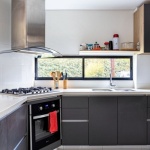
Kitchens communicate order through workflow. The classic triangle (sink, stove, fridge) still applies. Keep counters as task zones, not storage.
- Decant and label: Transparent, matching containers lower visual noise and improve inventory control.
- Vertical dividers: Store trays and cutting boards upright for fast access.
- Back-of-door storage: Use cabinet doors for shallow racks and spices; avoid countertop overflow.
Bedroom: Sanctuary Through Simplicity
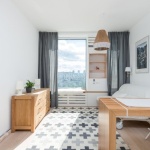
Bedrooms benefit the most from perceptual quiet. Limit visible items so the bed reads as the anchor.
- Closed storage first: Dressers and closets with adequate hangers; under-bed drawers for off-season items.
- Nightstand discipline: Lamp, book, water; corral all else in a drawer.
- Soft symmetry: Balanced bedside tables and lighting stabilize the visual field.
Home Office: Focus by Design
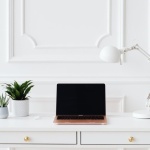
Work zones amplify the link between order and performance. A tidy desk reduces switching costs and anchors attention.
- Paper pathway: Inbox, action, archive—three trays prevent paper drifts.
- Cable hygiene: Mount power strips, use cable sleeves, and label inputs for quick troubleshooting.
- Digital declutter: One clean desktop, named folders, and calendar rules mirror physical order.
Bathroom: Micro Clarity
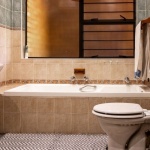
Small spaces magnify disorder. Visual coherence matters.
- Uniform containers: Matching bottles for daily products; hide backups.
- Drawer inserts: Divide by category; foam or bamboo inserts prevent mixing.
- Air and light: Clear shower lines and keep counters nearly empty to reflect light.
Special Contexts: Real-Life Constraints
Families with Kids
Perception-wise, toys read as colored noise when spread across sightlines. Rotate collections and designate zones.
- Toy rotation: Store half; display half. Swap monthly to refresh.
- Color bins: A single color family for baskets lowers visual chaos.
- Low shelves: Encourage kids’ independence and cleanup habits.
Studio Apartments and Small Homes
Every item does double duty. The way tidiness shapes interior perception here is dramatic.
- Zones by rug: Use rugs to define living/sleeping/dining without extra walls.
- Foldable forms: Nesting tables, Murphy beds, collapsible desks.
- Curtains as dividers: Soft partitions that don’t choke sightlines.
Renters with Limits
Focus on mobile, reversible order:
- Freestanding shelves: Add vertical storage without drilling.
- Peel-and-stick hooks: Entry and kitchen organization without damage.
- Light strategy: Plug-in sconces and daylight bulbs reshape perception affordably.
Workplaces, Retail, and Hospitality
In commercial environments, coherence becomes brand. Wayfinding, clear sightlines, and consistent labeling turn “where am I?” into “I know exactly where to go.” Staff areas that are orderly behind the scenes radiate calm front-of-house.
Design Tactics That Clarify Space
Storage That Works (and Disappears)
- Built-ins: Floor-to-ceiling units reduce dust-collecting gaps and visually calm walls.
- Hidden storage: Ottomans, benches, and beds with drawers store bulky textiles.
- Vertical thinking: Pegboards, wall rails, and tall cabinets free up surfaces.
- Container logic: Use the container concept: the container sets the limit, not willpower.
Labeling and Category Clarity
Labels replace questions with answers. Whether discrete or decorative, they anchor habits:
- Categories first: Define groups (tools, stationery, cables) before buying bins.
- Consistent naming: Short, specific labels maintain order and reduce re-sorting.
- Color code with restraint: Use color to distinguish categories, but keep palettes tight.
Cable and Tech Management
- Mount and route: Attach power strips under desks; channel cables along legs.
- Only what you need: Remove dead chargers and mystery cables. Label both ends.
- Charging drawer: A dedicated, ventilated drawer or box ends surface sprawl.
Curating Surfaces: The One-Third Rule
As a heuristic, aim to keep at least two-thirds of large surfaces clear. It guarantees negative space and improves light bounce.
- Use trays: Group small decor or daily-use items into a single, movable unit.
- Rotate collections: Show fewer, better pieces at a time for higher impact.
Habits: The Invisible Architecture of Order
Spaces don’t stay clear by accident. Habit scaffolding makes clarity self-sustaining, which is central to how tidiness affects interior perception over time.
Micro-Resets
- Two-minute rule: If a task takes less than two minutes (hang a coat, file a receipt), do it now.
- Room reset: End each evening with a 5–10 minute tidy pass in shared areas.
- Weekly sweep: A 30-minute session to return wanderers, empty bins, and stage for the week.
Seasonal Edit
Quarterly, run a deeper declutter focused on categories that creep (pantry, kids’ clothes, cables). The goal is alignment, not austerity.
One-In, One-Out
Balance inflow and footprint. When something new arrives, pick a counterpart to donate or recycle. Containers and closets define capacity—respecting those boundaries preserves clarity.
Decluttering Frameworks That Actually Work
There’s no single right way to pare back. Choose a framework that matches your temperament and schedule.
- Room-first sweep: Tidy by location for a fast morale boost. Great for urgent resets.
- Category method: Pull all of one type (books, coats, kitchen tools) and choose intentionally. It prevents duplicates and clarifies volume.
- Time-boxing: Set a 25-minute timer (Pomodoro), then break. Sustains momentum without burnout.
- Threshold rule: Pick a visible capacity limit for items (two throw blankets per sofa, five cookbooks on display) to protect negative space.
Whichever you choose, design storage for the kept items first and release the rest. This ensures you’re optimizing for lived reality, not theoretical capacity.
Balancing Personality with Order
A common fear is that tidiness sterilizes personality. In practice, the opposite happens: order heightens identity by giving it a clear stage.
Curate, Don’t Accumulate
- Pick a theme per vignette: Travel mementos on one shelf; family photos on another. Mixed but coherent.
- Honor scale: A large artwork with one sculptural object beats a dozen smalls jockeying for attention.
- Story over stuff: Display pieces that say something about who you are; store the rest accessibly.
Neurodiversity and Personal Comfort
Perceptual needs vary. Some people thrive with more visual cues and open storage; others need closed cabinets to prevent overstimulation. The core lesson of how tidiness affects interior perception is adaptability: calibrate visibility and labeling to your brain, not someone else’s Instagram grid.
Lighting, Biophilia, and Material Choices
Design clarity multiplies when paired with nature and thoughtful materials.
Layered Lighting
- Ambient: Even base illumination to avoid pockets of gloom that read as mess.
- Task: Focused light at desks, counters, reading nooks to reduce visual strain.
- Accent: Highlight art or architectural features to reinforce focal points.
Biophilic Cues
Plants can increase perceived freshness and well-being, but edit quantity and scale. A few generous specimens read cleaner than many small pots scattered around.
Material Coherence
Limit finish families. For example, unify hardware in one metal tone and restrict wood stains to two related hues. Consistency reinforces order even when life adds a little scatter.
Digital and Paper Clutter: The Hidden Perception Killers
Visual noise isn’t only physical. Screens, cables, mail, and paperwork pull focus and degrade the impression of a room.
- Paper plan: Direct mail to a single inbox tray; schedule a weekly “paper power hour.”
- Scan and search: Digitize manuals and warranties; store with searchable names.
- Screen serenity: Hide TVs in cabinets where possible; use “art mode” or a static image when idle.
Because our eyes treat glowing rectangles as focal points, taming screens restores balance to surrounding decor.
Measuring the Impact: Before/After Perception Checks
To make progress visible, test how order changes your experience. The aim is to verify how tidiness affects interior perception in your own context.
Quick Perception Audit
- Time to find: How long to locate common items (keys, charger, spatula)?
- Path clarity: Can you cross the room without detours or nudges?
- Mood snapshot: Rate stress from 1–10 before and after a 15-minute reset.
- Light reflection: Photograph at the same hour; note changes in brightness and shadow.
Small improvements compound. As micro-frictions disappear, rooms feel bigger, calmer, and more “together.”
Common Pitfalls (and What to Do Instead)
- Buying bins before editing: Solution: Declutter first; measure and choose containers for what remains.
- Over-decorating surfaces: Solution: Apply the one-third clear rule; rotate seasonally.
- Mismatched containers: Solution: Standardize for key zones (pantry, bath) to reduce visual noise.
- Ignoring maintenance: Solution: Schedule micro-resets and agree on household roles.
- Perfection paralysis: Solution: Aim for “better, not perfect” and iterate.
Case Studies: From Busy to Bright
Open-Plan Living, Tamed
A family with an open kitchen-living-dining area struggled with visual overwhelm. By selecting a single wood tone for open shelving, corralling kids’ items in closed cabinets, and defining zones with rugs, they preserved long sightlines. The space felt larger without moving a wall.
Pocket Office, Big Focus
A closet office with dangling cords and stacks of paper became a calm work capsule after adding a mounted power strip, a cable raceway, and a three-tray paper system. The desk surface stayed 70% clear; distraction dropped.
Rental Entryway Rescue
Without drilling, a renter achieved order with a slim console table, stick-on hooks, and a vertical shoe rack behind a curtain. The “first impression” shifted from chaos to composed in a weekend.
Sustainability and Tidiness
Clarity doesn’t require constant buying. It rewards fewer, better and leans into reuse.
- Shop your home: Repurpose trays, baskets, and jars before purchasing new.
- Donation cadence: Keep a visible “go” bin; empty monthly.
- Repair culture: Maintain what you love; let the rest go.
When possessions match purpose, perception brightens. You’re not managing overflow; you’re enjoying space.
Putting It All Together: A Simple 7-Day Reset
To feel the shift of how tidiness affects interior perception, try this one-week sprint:
- Day 1 – Entryway: Define “one-stop drop” stations and clear the floor.
- Day 2 – Surfaces: Apply the one-third clear rule to kitchen counters and coffee tables.
- Day 3 – Lighting: Swap in consistent bulbs; add a task lamp where you work most.
- Day 4 – Paper: Set up inbox/action/archive and run a 30-minute sort.
- Day 5 – Cables: Mount strips, label chargers, hide cords.
- Day 6 – Storage edit: Choose one closet or cabinet; right-size containers, label.
- Day 7 – Style and breathe: Curate one vignette; add negative space around it.
Photograph before and after. Most people report lighter mood, better focus, and a surprising sense of “more room” without removing major furniture.
Conclusion: Clarity as a Design Superpower
Tidiness is not an end in itself. It’s a powerful medium that tunes what we notice and how we function. By reducing cognitive load, sharpening focal points, and honoring negative space, order transforms rooms from backdrops to allies. That’s the essence of how tidiness affects interior perception: the same square footage becomes more livable and more “you” when its signals are clear.
Whether you’re designing a studio, raising a family in a busy home, or building a workspace that supports deep focus, clarity scales. Start with small wins, codify habits, and let your environment tell a simpler, stronger story. From clutter to clarity isn’t about owning less—it’s about seeing more.
Final Takeaways
- Perception drives experience: Order lowers mental load and heightens spaciousness.
- Design and habits work together: Good storage + simple routines sustain clarity.
- Curate to express identity: Tidy spaces amplify, not mute, personality.
In short, the clearest rooms aren’t the emptiest—they’re the most intentional. Give every object a reason and a home, and your space will give you calm and clarity in return.