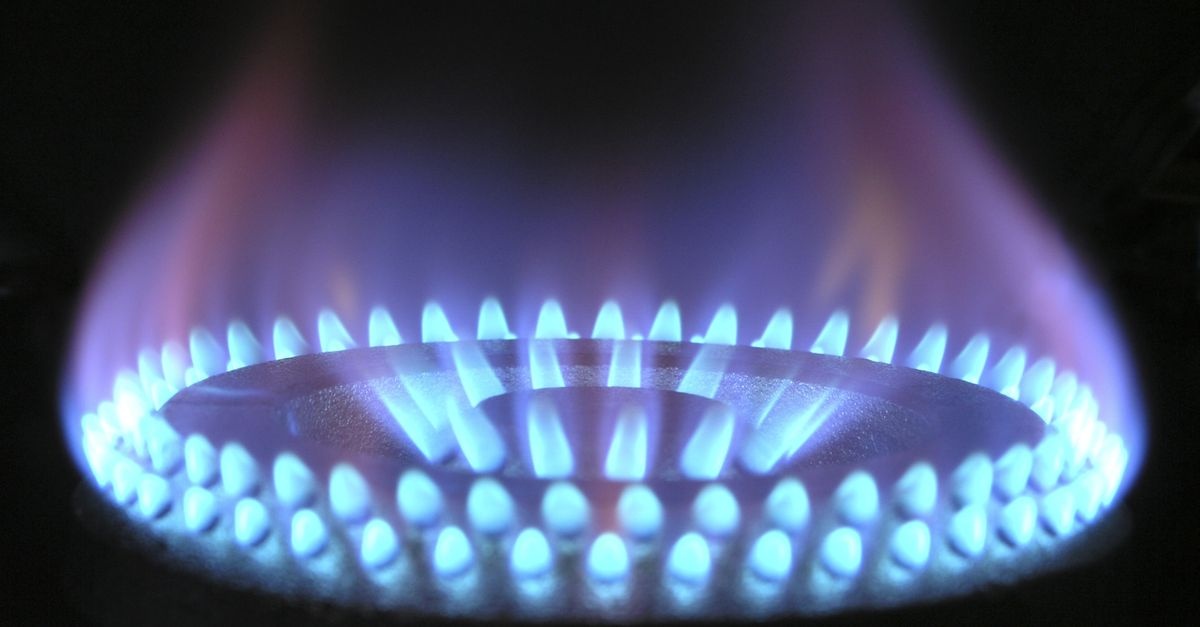
Goodbye Gas, Hello Comfort: Why Heat-Pump ACs Are the Next Big Thing in Home Heating
Gas is on the way out—not because warmth is negotiable, but because comfort, savings, and sustainability are finally converging in better technology. In homes across cold and mild climates alike, heat‑pump air conditioners are stepping in to provide steady, efficient heat without the combustion, carbon, or noise that many of us have tolerated for years.
Goodbye Gas, Hello Comfort
After years of relying on fossil fuels, homeowners are discovering a more refined way to stay warm: all‑electric systems that both cool and heat with extraordinary efficiency. While the phrase might sound counterintuitive, today’s advanced heat pumps—often called heat‑pump ACs—are optimized to deliver cozy indoor temperatures even when winter bites. That’s exactly why you increasingly hear about Heating air conditioners as an alternative to gas in renovation forums, utility programs, and clean‑energy policy. They’re not just an option; for many homes, they’re the best option.
What Exactly Is a Heat‑Pump AC?
Heat pumps move heat rather than creating it by burning fuel. In summer, they transfer heat from indoors to outdoors (like a typical AC). In winter, the cycle reverses: they extract heat from outdoor air—even cold air—and bring it inside. This process is remarkably efficient because it uses electricity to move heat, not generate it from scratch.
- Air‑source heat pump (ASHP): The most common, pulling heat from outside air.
- Ducted systems: Central equipment connected to your home’s ductwork.
- Ductless mini‑splits: Wall, floor, or ceiling indoor units ideal for homes without ducts or for room‑by‑room zoning.
- Cold‑climate models: Designed with enhanced compressors and controls to deliver heat reliably at low outdoor temperatures.
If you’re exploring Heating air conditioners as an alternative to gas, you’re essentially looking at this family of systems. They’re versatile, scalable, and increasingly tailored for the realities of modern housing—old or new, large or small.
Why Shift Away from Gas?
Cost Volatility and Predictability
Natural gas prices can swing significantly due to global markets and regional constraints. Electricity prices can vary too, but there’s a growing set of tools—time‑of‑use rates, smart thermostats, demand response programs—that empowers you to save. The efficiency of a modern heat‑pump AC can cut winter heating consumption dramatically, translating into lower, more predictable bills.
Indoor Air Quality and Safety
Combustion in or near living spaces introduces potential hazards: carbon monoxide risks, nitrous oxides, and the need for flues and gas lines. All‑electric heat pumps sidestep those issues. With sealed‑system operation and advanced filtration, they help maintain cleaner indoor air—especially beneficial for families managing allergies or asthma.
Climate and Local Air
Electrification is central to decarbonizing homes. Heat pumps integrate seamlessly with a cleaner grid, which gets greener each year as wind, solar, and storage expand. This alignment, plus the superior efficiency of heat transfer, is why so many climate action plans now highlight Heating air conditioners as an alternative to gas for both new builds and retrofits.
Comfort, Redefined
A common complaint about older furnaces is the on‑off blast: too hot, then too cool. Heat‑pump ACs use variable‑speed inverter compressors and fans to provide steady, gentle heat. The result is fewer temperature swings and a room that feels consistently cozy.
- Zoned comfort: Ductless multi‑splits let you fine‑tune temperatures room by room.
- Humidity control: Smart dehumidification in summer and balanced humidity in winter support comfort and health.
- Quiet operation: Outdoor units and indoor air handlers are engineered for low decibel levels—whisper‑quiet compared to many older systems.
If comfort is your top priority, it’s easy to see why homeowners are moving to Heating air conditioners as an alternative to gas. Instead of heat spikes and cold drafts, you experience a calm, stable environment—morning, noon, and night.
Efficiency by the Numbers: COP, HSPF2, and SEER2
Heat‑pump efficiency is typically measured by COP (coefficient of performance), HSPF2 (heating efficiency metric), and SEER2 (cooling efficiency). A COP of 3.0, for instance, means you’re moving three units of heat energy for every one unit of electricity—performance no gas appliance can match because combustion is inherently limited by physics.
- HSPF2: A higher HSPF2 indicates better seasonal heating performance.
- SEER2: Reflects cooling efficiency; modern heat pumps often exceed the efficiency of legacy central ACs.
- AFUE vs. COP: Even a 95% AFUE furnace can’t rival a heat pump’s ability to deliver 200–400% efficiency under many conditions.
When evaluating Heating air conditioners as an alternative to gas, these metrics help you sort options and forecast operating costs realistically for your climate.
Cold‑Climate Capability: Yes, They Work in the Cold
Older heat pumps struggled in freezing weather, but cold‑climate models use advanced compressors, refrigerants, and control strategies to maintain strong output at low temperatures—often down to −5°F/−20°C or lower. Defrost cycles are smarter, backup electric resistance elements are better managed, and indoor coils are optimized for heat delivery without excessive airflow noise.
- Inverter technology: Modulates capacity to match real‑time demand.
- Enhanced refrigerants: New blends like R‑32 or R‑454B improve performance and reduce environmental impact.
- Dual‑fuel flexibility: In very cold regions, a hybrid configuration can use the heat pump most of the season and a secondary heat source only at extreme lows.
For many households, today’s cold‑climate equipment makes Heating air conditioners as an alternative to gas not just feasible, but wise—especially when paired with weatherization and smart controls.
The Money Question: Upfront Cost, Operating Cost, and Payback
Upfront Investment
Heat‑pump ACs can cost more than a basic furnace or AC replacement, especially for multi‑zone mini‑split setups. However, you’re consolidating heating and cooling into one high‑efficiency system. When you add incentives and lower operating costs, total lifecycle cost often comes out ahead.
Operating Savings
Because heat pumps move heat rather than make it, they consume far less energy per unit of heat delivered. In regions with moderate winters and reasonable electricity rates, annual savings can be substantial. Even in colder climates, pairing insulation upgrades with a cold‑climate model can undercut gas costs over time.
Incentives and Financing
- Utility rebates: Many local utilities offer cash incentives for high‑efficiency heat pumps.
- Tax credits: Policies increasingly reward electrification upgrades, including high‑efficiency HVAC and weatherization.
- Low‑interest financing: Green loans and on‑bill financing can offset upfront costs.
When you tally all of this, it’s clearer why households are adopting Heating air conditioners as an alternative to gas—the numbers often favor going electric, especially when you factor comfort and maintenance benefits.
System Types and Where They Shine
Ducted Heat Pumps
Great for homes with existing ducts in good condition. These central systems provide even distribution and a familiar control style with advanced variable‑speed technology.
Ductless Mini‑Splits
Perfect for additions, older homes without ducts, or households wanting zoning. Wall, floor, or ceiling cassettes allow targeted comfort with minimal construction disruption.
Multi‑Split and VRF/VRV
Larger homes or small multi‑family buildings can benefit from multi‑split setups that serve numerous rooms, or even variable refrigerant flow systems for precision control and high part‑load efficiency.
Across these categories, the core appeal remains: Heating air conditioners as an alternative to gas deliver efficiency and flexibility with superior comfort.
Smart Controls: The Brain Behind the Comfort
Modern thermostats and manufacturer apps unlock powerful features: weather‑adaptive setpoints, occupancy‑based setbacks, and time‑of‑use optimization. With demand‑response programs, your system can pre‑heat before peak pricing periods, then coast comfortably—saving money without sacrificing comfort.
- Learning thermostats: Adjust automatically to your habits.
- Zoned scheduling: Warm the bedroom at night, the office by day.
- Remote diagnostics: Proactive alerts reduce downtime and guesswork.
Coupled with Heating air conditioners as an alternative to gas, smart controls transform HVAC into a responsive, efficient comfort ecosystem.
Healthier Homes: Filtration, Humidity, and Quiet
Inverter‑driven systems run longer at low speeds, which keeps air moving through filters more consistently. That supports better particle capture and steadier humidity control than short‑cycling systems. As a bonus, gentle, continuous circulation eliminates the roller‑coaster feeling of hot blasts followed by chills.
- Better filtration: MERV‑rated filters or integrated air‑quality modules.
- Sound levels: Quieter outdoor units and whisper‑quiet indoor cassettes improve wellness and focus.
- Even temperatures: Fewer drafts and cold spots mean true whole‑home comfort.
It’s another reason people are choosing Heating air conditioners as an alternative to gas—comfort you can feel, and air you can trust.
Environmental Impact: From Combustion to Clean Power
Electrification swaps on‑site combustion for grid electricity that gets cleaner each year. Paired with rooftop solar or community renewable programs, your heating footprint can drop dramatically. Modern refrigerants with lower global‑warming potential and tight factory‑sealed circuits further reduce environmental impact.
- Lifecycle emissions: Lower when powered by a decarbonizing grid.
- Refrigerant progress: Transitioning to R‑32, R‑454B, and better leak management.
- Grid synergy: Flexible loads help integrate more renewables.
If sustainability is a priority, adopting Heating air conditioners as an alternative to gas is a direct, impactful move—one household at a time.
Installation and Sizing: Get the Details Right
Proper Sizing Matters
Oversized systems short‑cycle and waste energy; undersized ones struggle in extremes. A Manual J load calculation factors insulation, windows, orientation, and leakage to identify the right capacity for your home. Don’t skip it.
Ductwork and Airflow
For ducted installs, ensure ducts are sealed, insulated, and balanced. Static pressure, supply register placement, and return paths affect comfort as much as the equipment itself.
Electrical and Placement
Your electrician may need to run a new circuit. Outdoor units should be elevated above snow lines and kept clear for airflow. Indoor heads need strategic placement to avoid drafts and to wash the room evenly with gentle air.
Attention to these fundamentals turns Heating air conditioners as an alternative to gas from a good idea into daily comfort you’ll love.
Maintenance: Simple, Predictable, Proactive
- Filter care: Clean or replace filters regularly to protect efficiency and air quality.
- Coil cleaning: Keep indoor and outdoor coils clear of dust and debris.
- Annual checkup: A professional tune‑up verifies refrigerant charge, electrical connections, and condensate drains.
Compared to combustion systems, maintenance is clean, straightforward, and focused on preserving efficiency—another perk of Heating air conditioners as an alternative to gas.
Common Myths—Busted
- “Heat pumps don’t work in the cold.” Modern cold‑climate units deliver strong heat at sub‑freezing temps, with intelligent defrost and optimized compressors.
- “They’re too expensive to run.” High COP and smart controls typically lower total energy use compared to gas in many climates, especially with weatherization.
- “They feel drafty.” Inverter systems provide gentle, continuous warmth instead of on‑off blasts. Proper sizing, placement, and fan settings ensure cozy comfort.
With facts in hand, it’s easier to embrace Heating air conditioners as an alternative to gas with confidence.
A Step‑by‑Step Plan to Switch
1) Assess Your Home
Start with an energy audit or a qualified contractor. Identify insulation and air‑sealing opportunities to lower your heating load.
2) Size and Select
Request a Manual J load calculation, consider a cold‑climate model if needed, and pick the right configuration (ducted, ductless, or hybrid).
3) Line Up Incentives
Check local and national rebates, tax credits, and financing options. Many programs explicitly support Heating air conditioners as an alternative to gas.
4) Install with Care
Ensure proper refrigerant handling, airtight ductwork (if applicable), and thoughtful indoor unit placement.
5) Dial in Controls
Use smart thermostats, set reasonable schedules, and take advantage of time‑of‑use rates to boost savings.
Real‑World Scenarios
Older Home, No Ducts
Ductless multi‑splits provide zone‑by‑zone comfort without invasive renovations. Bedrooms can run cooler at night, living spaces warmer by day—all with whisper‑quiet indoor units.
Suburban Home with Central AC
Replace the aging condenser and furnace with a ducted heat pump and high‑efficiency air handler. Keep your familiar registers and thermostat, but enjoy steadier comfort and lower bills.
Cold‑Climate Renovation
Pair air sealing, attic insulation, and high‑performance windows with a cold‑climate heat pump. Add a small backup element for rare extremes, and you’ll still use the heat pump most of the season.
In each case, homeowners successfully adopt Heating air conditioners as an alternative to gas while tailoring the approach to their building and climate.
The Feel Factor: Why This Comfort Wins Hearts
We talk a lot about numbers, but emotions matter: waking to a home that’s quietly, evenly warm; working in a home office without the hum and roar of forced hot air; tucking kids into rooms that stay steady through the night. When your HVAC disappears into the background—and your bills stop commanding center stage—you know you’ve upgraded.
That’s the lived experience driving interest in Heating air conditioners as an alternative to gas: less fuss, more comfort, and energy that works with you.
Looking Ahead: Smarter, Cleaner, Better Every Year
- Higher performance: Next‑gen compressors and controls pushing reliable heat deeper into winter.
- Lower impact: Refrigerant transitions and leak‑tight designs.
- Grid integration: Virtual power plants, thermal storage, and EV‑HVAC coordination that save money and strengthen resilience.
All signs point toward accelerating adoption of Heating air conditioners as an alternative to gas—because the technology is improving, incentives are expanding, and the comfort is undeniable.
Quick Buying Checklist
- Request a Manual J load calculation; avoid rule‑of‑thumb sizing.
- Select cold‑climate models if winters are severe.
- Verify HSPF2/SEER2 ratings and sound levels that meet your goals.
- Assess duct condition or plan for ductless zoning.
- Plan electrical upgrades if needed (dedicated circuits, panel capacity).
- Capture rebates and tax credits; confirm eligibility before purchase.
- Use a smart thermostat and enable time‑of‑use optimization.
Follow these steps, and your transition to Heating air conditioners as an alternative to gas will be smooth, efficient, and future‑ready.
Conclusion: The Next Big Thing in Home Heating
It’s rare to find a home upgrade that simultaneously elevates comfort, cuts operating costs, improves indoor air, and supports a cleaner grid. Heat‑pump ACs do all of that—and more. Whether you live in a mild climate or face real winters, there’s a design that fits your home and budget. With every season, you’ll appreciate steady warmth, quiet operation, and lower energy stress.
If you’re exploring Heating air conditioners as an alternative to gas, you’re not just swapping hardware—you’re choosing a smarter way to live. Say goodbye to combustion, hello to comfort, and welcome a future where your home’s warmth is efficient, precise, and beautifully calm.