From Flea Market Finds to Forever Style: Create a Vintage-Inspired Interior
From Flea Market Finds to Forever Style: Create a Vintage-Inspired Interior
There is a certain magic in a room that mixes timeworn charm with modern comfort. The glow of brass beside battered leather, the whisper of linen against carved wood, the quiet authority of a patinated mirror that has reflected decades of life. If you have ever wandered a flea market and felt the pull of a chipped vase or a time-softened chair, you already know the allure. This guide shares how to design a vintage‑style interior that transforms those moments of discovery into rooms with soul and longevity.
Below, you will find a complete roadmap: the principles behind a cohesive vintage look, an easy step-by-step plan, color and material strategies, expert sourcing and negotiation tactics, methods for mixing eras, room-by-room styling ideas, and care tips so your finds age beautifully. Whether your taste leans Art Deco glamour, mid-century warmth, rustic farmhouse, industrial grit, or bohemian ease, you can create a home that feels both collected and intentional.
What Vintage Really Means
Vintage is not simply old. It is design with lived-in depth, visible craftsmanship, and emotional resonance. It is the gentle curve on a bentwood chair, the brass keyhole on a writing desk, the decadent drape of velvet curtains, the honest wear of a painted armoire. Vintage reaches across eras and aesthetics, asking you to edit thoughtfully.
Decoding the eras
- Art Deco — Streamlined geometry, rich woods like walnut and macassar, lacquer, mirrored surfaces, ziggurat motifs, jewel tones.
- Mid-century modern — Clean lines, teak, walnut, low profiles, woven cord, muted earthy hues, graphic pops of citrus or teal.
- Farmhouse and rustic — Scrubbed pine, stoneware, iron, handwoven textiles, milk paint finishes, practical forms.
- Industrial — Raw steel, rivets, factory lighting, work stools, rough sawn wood, utilitarian silhouettes.
- Bohemian and eclectic — Layered patterns, global textiles, rattan, carved wood, plants, lived-in ease.
- Shabby chic — Soft pastels, slipcovered sofas, whitewashed woods, florals, romantic patina.
Knowing the vocabulary of different periods helps your eye recognize quality and authenticity, and it makes it far easier to combine pieces without chaos. You are not building a museum. You are building a home that borrows the best of each era to create harmony.
The Five Principles of Timeless Vintage Style
- Patina over perfection — Wear tells a story. Favor finishes that show age, from crazed glaze on pottery to the warm glow of rubbed brass.
- Proportion and scale — Vintage pieces can be heavy or petite. Balance silhouettes so the room breathes. Pair a stout cabinet with a slim-legged chair, a low sofa with tall floor lamps.
- Palette coherence — A grounded color scheme knits varied finds. Base everything on a limited set of hues and repeat them rhythmically.
- Practical comfort — Make beauty liveable. Reupholster a chair so it is comfortable, add shades to temper bare bulbs, integrate storage.
- Personal narrative — Choose pieces that say something about you. Souvenirs, family heirlooms, art with meaning. Vintage is about story.
How to design a vintage‑style interior: a step-by-step plan
A strong plan is what turns a pile of treasures into a forever home. Here is a practical path you can follow from first idea to final detail.
1. Define your mood and message
Write three adjectives for the feeling you want: refined, romantic, relaxed, grounded, adventurous, cozy. Add three reference eras or aesthetics that align. This becomes your compass.
- Example moods: Warm mid-century sanctuary, relaxed boho loft, elegant Art Deco apartment, rustic farmhouse cottage.
- Visual anchors: Keep a small folder of reference images to calibrate your eye while sourcing.
2. Map the bones of the space
Measure each room. Note window placement, natural light, radiators, outlets, traffic paths, ceiling height. Draw a quick layout. Decide where your anchor pieces will live: sofa, dining table, bed, storage.
- Plan sightlines from the front door and key thresholds.
- Identify walls for art or mirrors and corners for accent chairs or plants.
3. Build your color palette
Choose one dominant neutral, two supporting hues, and one accent. Pull from period references yet adapt to your light and lifestyle. Test swatches in morning and evening light.
- Warm mid-century: Tobacco, teak, olive, ochre, cream.
- Art Deco glam: Ivory, onyx, brass, emerald, sapphire.
- Farmhouse: Soft white, scrubbed pine, French blue, flax, iron black.
- Industrial loft: Graphite, concrete, rust, cognac, chalk white.
4. Choose the anchor pieces
Start with the items that set tone and dictate scale. Let one showpiece lead the room and support it with quieter companions.
- Living room: Sofa or statement lounge chair, coffee table, rug.
- Dining room: Table and chairs, sideboard.
- Bedroom: Bed frame, dresser, nightstands.
5. Layer supporting furniture and storage
Add side tables, stools, cabinets, bookcases, trunks. Mix materials and finishes that repeat elements from your anchor: wood tone, metal type, line quality, period hints.
6. Weave in textiles and lighting
Textiles soften and connect. Lighting sculpts mood. Use both generously.
- Rugs to define zones and add pattern.
- Curtains to elongate height and filter light.
- Throws and pillows for comfort and color rhythm.
- Table, floor, and wall lamps with period-appropriate shades.
7. Edit, style, and live in it
Give each piece room to breathe. Create vignettes that tell a story. Use negative space. Live with the layout for a few weeks, then refine. The most successful spaces evolve gradually.
Color, Materials, and Finishes that Whisper Vintage
Color sets emotional tone. Materials deepen it. Finishes create the patina language your home speaks.
Color strategies
- Analog palettes — Adjacent colors on the wheel, like olive, moss, and ochre, create a seamless, mellow foundation for wood tones.
- Contrast with restraint — Pair deep hues with creamy neutrals and burnished metals for balance.
- Era nods — Dusty rose, celadon, and parchment for shabby chic romance; mustard, teal, and walnut for mid-century punch; black, ivory, emerald, and brass for Deco drama.
Material mix
- Woods: Oak, walnut, teak, mahogany, pine. Favor visible grain and honest finishes.
- Metals: Brass, bronze, iron, steel, chrome. Mix warm and cool metals with intention.
- Natural fibers: Linen, wool, cotton, jute, sisal. Layer textures for depth and acoustic softness.
- Stone and tile: Marble, travertine, terrazzo, hand-glazed tiles add tactility and reflective quality.
- Glass and mirror: Beveled mirrors, ribbed glass, smoked glass for subtle glamour.
Finish cues
- Waxed and oil finishes — Let wood breathe and age gracefully.
- Matte and eggshell paints — Softer sheen hides imperfections and nods to period walls.
- Antiqued metal — Embrace tarnish and patina; polish lightly where touch points gleam naturally.
Where and How to Source Vintage Like a Pro
Finding pieces is half treasure hunt, half detective work. Turn the process into adventure with a smart strategy.
Hunting grounds
- Flea markets and brocantes for unique bargains with character.
- Estate sales and auctions for quality furniture and art.
- Antique shops and dealers for curated, vetted inventory.
- Online marketplaces for reach and convenience. Verify dimensions and condition.
- Community swaps and thrift stores for budget-friendly surprises.
Inspection checklist
- Structure — Check joints, wobble, cracks. Sit on chairs, open drawers, test doors.
- Materials — Solid wood vs veneer, solid brass vs plated, wool vs synthetic.
- Smell — Must or smoke can be treated, but be realistic about effort.
- Provenance — Maker marks, labels, signatures, stamps, dates.
- Repairs — Old repairs are fine if solid and honest. Factor restoration into price.
Negotiation and logistics
- Ask open-ended questions about age and condition to build rapport.
- Bundle items for a better deal.
- Carry a small tape measure and painter tape to mark out sizes at home before buying.
- Consider delivery, stairs, and door widths. Measure twice.
Mixing Eras Without Making a Mess
The most memorable rooms mix decades gracefully. The secret is harmony through repetition and contrast through silhouette.
Unifying devices
- Color repetition — Use a signature color or metal throughout.
- Finish echo — Repeat a wood tone at least three times in a room.
- Line language — Balance straight edges with curves.
The 60-30-10 balance
Let one era or style set about 60 percent of the room, a complementary era take 30 percent, and a wild card accent fill the last 10 percent. This ratio keeps character without chaos.
Anchor and accompaniment
Choose one conversation piece per zone. Allow supporting items to be quieter so the eye has a resting point. A Deco bar cart glows more beside a simple linen sofa than flanked by competing showpieces.
Room-by-Room Vintage Playbook
Living room
Start with a sofa or pair of lounge chairs. If seating is contemporary, add vintage tables, lamps, and art for warmth. If seating is vintage, consider modern upholstery for comfort while keeping period lines.
- Coffee tables — Marble with patinated brass, mid-century wood with tapered legs, or an antique trunk for storage and soul.
- Rugs — Layer a flatweave under a vintage Persian for depth.
- Lighting — A sculptural floor lamp beside a low sofa, a pair of brass table lamps with linen shades for ambiance.
Dining room
Let the dining table anchor the space. Mixed chairs add dimension: a bench on one side, two head chairs, and simple side chairs.
- Sideboards — Provide storage and a stage for art and ceramics.
- Mirrors — Bounce light and expand scale.
- Statement lighting — A vintage chandelier with dimmer sets mood for gathering.
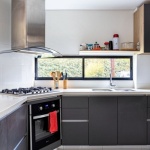
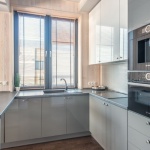
Kitchen
Even modern kitchens can wear vintage details beautifully.
- Vintage stools at an island, enamelware on open shelves, copper pots hung on a rail.
- Hand-glazed tiles or checkerboard floors for pattern underfoot.
- Hardware swap to unlacquered brass or iron for authentic touch.
Bedroom
Comfort first, character second. A vintage bed frame or headboard adds presence, but mattress quality rules. Nightstands can be mismatched if they share height, tone, or hardware. Add a velvet or linen bench at the foot of the bed.
- Use antique dressers as nightstands in large rooms.
- Hang a period mirror above a dresser for light and ritual.
- Layer quilts, kantha throws, or wool blankets for tactile calm.
Bathroom
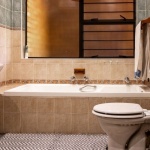
Tiny space, big impact. Swap a modern mirror for a gilded one, add a vintage rug runner, and use a repurposed cabinet for storage. If renovating, consider a pedestal sink, clawfoot tub, or black-and-white mosaic tile for classic bones.
Entry and hallway
First impressions count. A slim console with a bowl for keys, a vintage runner, a coat hook rail, and a striking mirror set tone. Use walls for a gallery of small paintings and found frames.
Home office
Write on a solid wood desk that has history. Pair with a modern task chair for ergonomics. Industrial lighting and a vintage file cabinet add grit and utility.
Textiles and Patterns: The Soft Power of Vintage
Textiles carry color, comfort, and cultural memory. They are your easiest lever for seasonal change and subtle storytelling.
How to layer
- Base layer — A large neutral rug in jute, sisal, or wool defines space.
- Pattern layer — Add a vintage or vintage-inspired rug with age-softened colors.
- Accent layer — Throws and pillows in linen, velvet, or kilim for seasonal texture.
Pattern pairings
- Floral with stripe, paisley with check, kilim with solid velvet. Vary scale to prevent busyness.
- Limit palette to keep eclectic mixes cohesive.
Lighting: Mood, Character, and Scale
Light is the paint of space. In vintage rooms, it is also jewelry.
Layered approach
- Ambient — Ceiling pendants or chandeliers to light the whole room.
- Task — Table and floor lamps for reading, sconces for hallways and bathrooms.
- Accent — Picture lights, candlelight, fairy lights to highlight art and architecture.
Shade and bulb details
- Linen or parchment shades soften period lamps.
- Use warm color temperature bulbs for a golden, timeworn glow.
- Install dimmers to control mood from morning to night.
Upcycling, Restoration, and Honest Repairs
Good bones deserve a second life. Restoration keeps history alive and often costs less than buying new. Approach with respect.
What to refinish and what to leave
- Refinish if the surface is severely damaged or watermarked beyond love.
- Leave minor scratches and gentle wear that speak to age. Preserve original maker marks.
Practical projects
- Reupholster quality frames with natural fabrics for durability.
- Replace missing knobs with period-appropriate hardware.
- Limewash or milk paint on pine for rustic warmth.
- Turn a vintage trunk into a coffee table with a glass top.
Safety notes
- Test old paint for lead before sanding.
- Have vintage lighting rewired by a professional.
- Stabilize wobbly joints with proper joinery or by a skilled repair shop.
Sustainability and Budget: Beauty with a Conscience
Designing with vintage is inherently sustainable. You extend the life of well-made objects, reduce demand for new resources, and often save money.
Cost-savvy strategies
- Invest in anchors and save on accents.
- Buy imperfect pieces you can fix; learn simple restoration skills.
- Trade or sell pieces that no longer fit to fund new finds.
Ethical sourcing
- Support local dealers and craftspeople.
- Ask about provenance and authenticity.
- Favor natural materials and repair over replacement.
Small Space, Big Soul
A compact home can wear vintage gracefully with mindful choices.
- Choose furniture on legs to keep sightlines open.
- Use mirrors to amplify light and scale.
- Employ multipurpose pieces: trunks as coffee tables, drop-leaf tables, nesting stools.
- Keep palettes tight; edit decor to the essentials.
Styling and Storytelling: The Art of the Vignette
Vignettes are mini-scenes that capture the spirit of your home. They are where objects become narrative.
Vignette anatomy
- Base — A console, mantle, or stack of books.
- Back — Art or a mirror to anchor.
- Middle — Lamps or plants for height.
- Front — Small objects, bowls, candles for intimacy.
Vary heights and textures. Odd numbers often look balanced. Edit ruthlessly so the story is clear.
Care and Maintenance: Keeping Character Alive
Vintage thrives on gentle care that respects age and material.
Wood
- Dust with a soft cloth, condition with wax or oil seasonally.
- Protect from direct sun and moisture.
- Use coasters and felt pads to prevent rings and scratches.
Metals
- Polish brass sparingly to preserve patina.
- Dry thoroughly after cleaning to prevent spots.
- For iron, wax lightly to inhibit rust.
Textiles
- Vacuum rugs gently and rotate for even wear.
- Spot clean with mild solutions; consult professionals for antique fibers.
- Use liners on vintage curtains to protect from UV.
Ceramics and glass
- Hand wash, avoid dishwashers for delicate glazes.
- Display out of high-traffic zones.
- Use museum putty to stabilize on shelves.
Common Mistakes to Avoid
- Over-theming — Your home is not a set. Blend eras for depth.
- Ignoring scale — Oversized armoires in tiny rooms or minuscule art on large walls throw balance.
- Too many smalls — Collections should be edited. Group like with like.
- Harsh lighting — Cold bulbs kill warmth. Dim and warm your lights.
- Rushing the process — The best rooms are layered slowly. Wait for the right piece.
Quick Checklists You Can Use
Pre-shopping
- Three adjectives and two era references set.
- Measurements and photos of rooms on your phone.
- Palette chosen and swatches in a small kit.
- Tape measure, painter tape, and a small flashlight packed.
At the market
- Inspect structure first, then surface.
- Look for repeated needs: lamps, side tables, storage.
- Bundle and negotiate kindly.
- Note dealer info for future finds.
At home
- Place anchor pieces, then style in layers.
- Use your palette to guide textiles and art.
- Live with it for two weeks, adjust, and edit.
Mini Case Study: From Flea Market Finds to Forever Style
Goal: Create a warm, mid-century leaning living room in a small city apartment with a touch of Art Deco elegance. Mood: grounded, luminous, collected.
- Anchor — A clean-lined teak sideboard sets wood tone.
- Seating — A contemporary linen sofa echoes low mid-century profiles.
- Tables — A round marble coffee table nods to Deco luxury, while a bentwood side table adds warmth.
- Lighting — A vintage brass arc lamp and a pair of mid-century ceramic table lamps with linen shades.
- Textiles — A large jute rug layered with a worn Persian for pattern. Velvet and kilim pillows for color rhythm.
- Art and mirrors — An oval beveled mirror above the sideboard, small abstract paintings grouped on a side wall.
- Styling — Stacked design books, a ceramic bowl for keys, a tray with candles, a small fiddle-leaf fig for life.
Result: A balanced, personal space where vintage pieces bring gravity and glow, and modern comforts keep daily life easy. The mixed eras converse rather than compete due to consistent tones and repeated materials.
Frequently Asked Questions
How many vintage pieces should I aim for
In most rooms, aim for a majority core of vintage or vintage-style pieces supported by a few modern staples. The exact ratio depends on your mood and lifestyle, but a 60 percent vintage, 40 percent contemporary split often yields warmth and function.
Is it better to buy sets
Rarely. Sets can feel flat. Choose individual pieces that share echoes in tone, line, or material. Mismatched dining chairs, for instance, look cohesive when unified by seat height and a repeated color or wood species.
What if I rent and cannot renovate
Use furniture, textiles, and lighting to do the heavy lifting. Large rugs, freestanding shelves, plug-in sconces, and peelable wallpaper change mood without altering structure.
How can I keep the space from feeling cluttered
Honor negative space. Limit surface decor to a few larger items instead of many tiny ones. Use closed storage to hide visual noise. Edit seasonally.
Putting It All Together
Design is a dialogue between what you love and how you live. When you learn how to design a vintage‑style interior, you are not just arranging furniture. You are composing a personal history in wood, metal, fabric, stone, and light. Let your palette lead, invest in anchors, layer with intention, and allow patina its poetry. Shop slowly, mix eras with a steady hand, and trust your eye. The result will be a home that welcomes you every day with the warm familiarity of something loved for a long time.
Your Next Steps
- Choose three adjectives for your mood and note two era references.
- Define a four-color palette and gather swatches.
- List your anchor pieces and measure your rooms.
- Plan a flea market morning with inspection checklist and budget.
- Bring home one great piece and let it lead your next decision.
With care and curiosity, your space will grow into a layered sanctuary. That is the heart of how to design a vintage‑style interior that feels both collected and effortless, where each flea market find becomes part of your forever style.